
Dental Clinics With In-House Labs
Clinics that pour their own models, make their own provisionals, and adjust and polish chairside.
What This Buyer Is Actually Dealing With
A clinic bench is not a small laboratory. It is a short workflow chosen deliberately: pour and trim a model, form a splint or a provisional, adjust and polish a restoration before the patient leaves. The equipment has to fit a small footprint, run on the clinic's mains supply, and be usable by someone whose main job is not bench work.
Bench space measured in centimetres
Clinic benches share space with sterilisation and storage. Equipment that needs its own table does not get bought.
Dust and noise next to treatment rooms
Grinding without extraction is not acceptable in a clinical environment.
Occasional use, immediate need
A clinic may use a vacuum former twice a week, but when it is needed, it is needed now.
No in-house service technician
When something fails, there is nobody on site to diagnose it.
What You Need From a Supplier
- Compact equipment that suits a shared bench
- Dust extraction at the point of grinding
- Simple machines with few consumables to track
- Clear guidance on voltage and plug type before shipping
Typical Scenarios
Chairside adjustment and polish
A micromotor, a graded mounted point range and a polishing kit are enough to finish most adjustments without sending work back to the lab.
In-house splints and bleaching trays
A vacuum former with forming material covers night guards, bleaching trays and transfer keys.
Pouring and trimming study models
A vibrator, a model trimmer and base moulds turn impressions into usable models on site.
The Categories That Matter Here
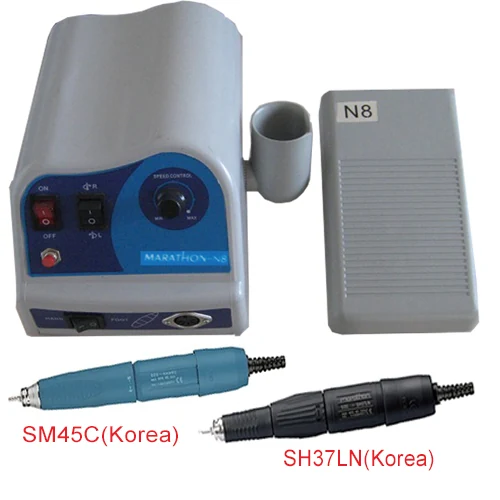
Dental Lab Micromotors
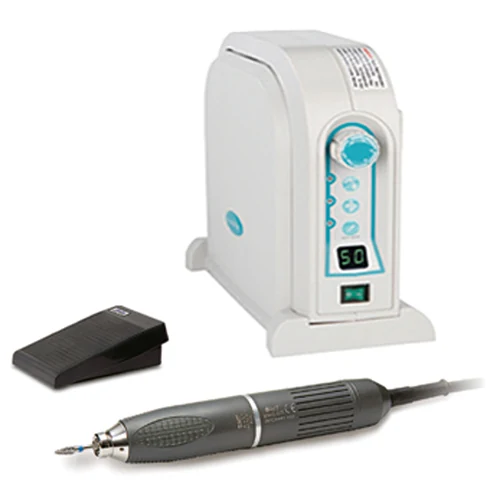
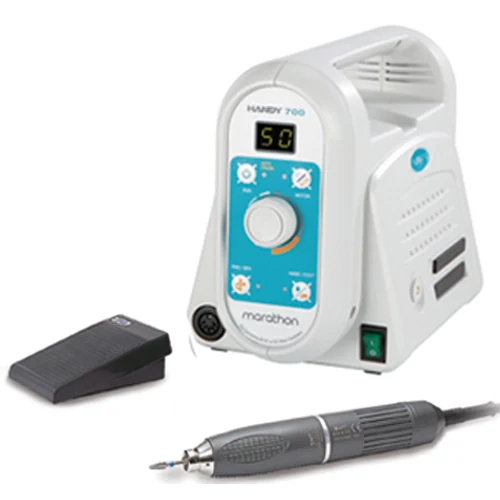
Bench and knee-operated micromotors for grinding, trimming and finishing at the model bench.
12 products →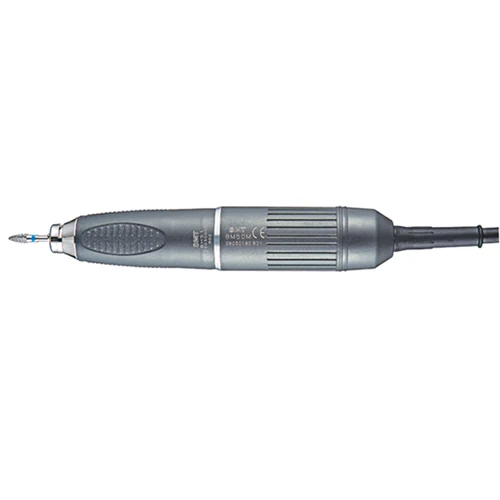
Micromotor Handpieces
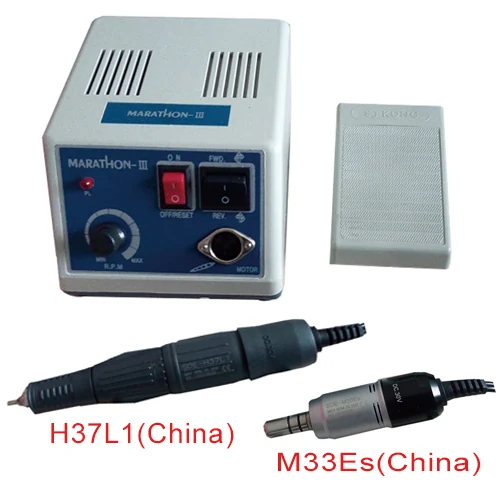
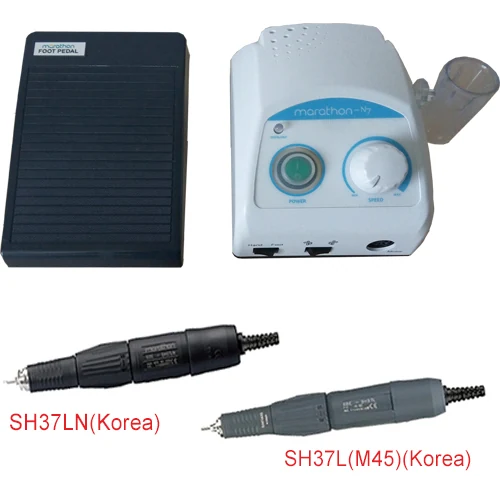
35K and 45K straight handpieces and E-type motors for Marathon, Strong and YouDent control boxes.
16 products →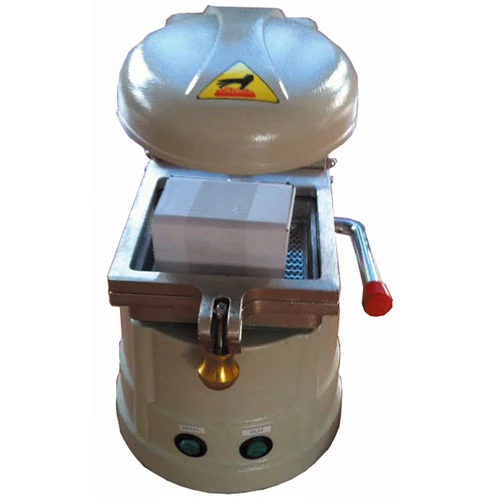
Vacuum Formers Cleaners and Mixers
Vacuum forming units, injection machines, ultrasonic cleaners, steam washers, distillers and vacuum mixers.
17 products →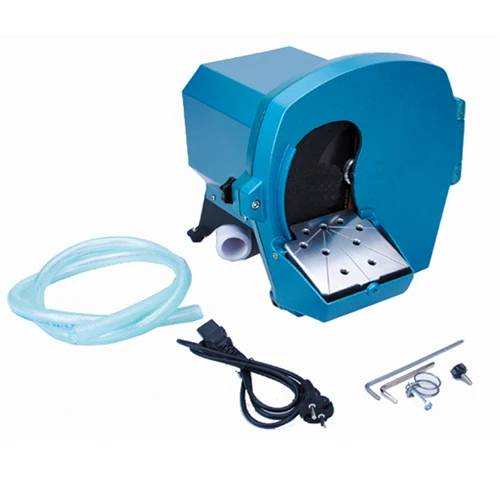
Model Trimmers Polishers and Vibrators
Model trimmers, arch trimmers, high-speed grinders, electronic polishers and plaster vibrators.
16 products →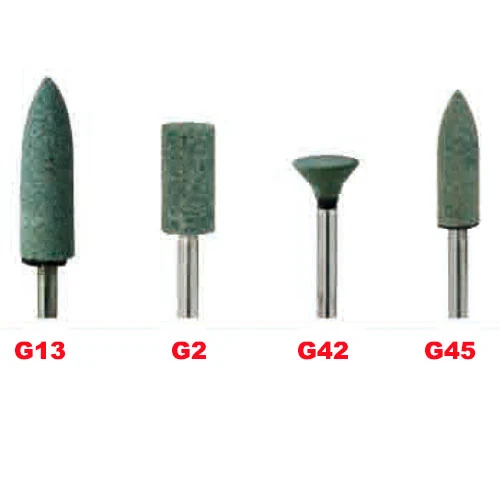
Mounted Points Burs and Polishers
Mounted points, diamond and carbide burs, separating discs, rubber wheels, silicone polishers and kits.
22 products →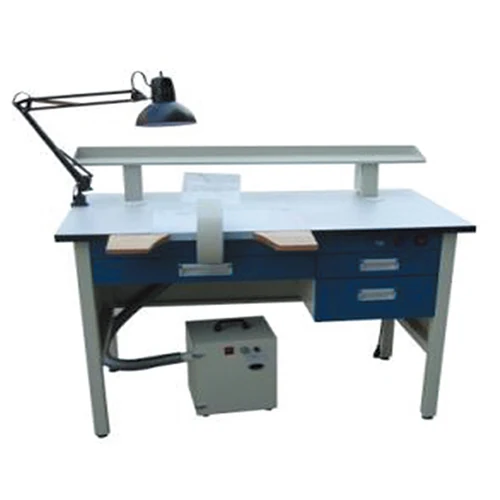
Lab Benches Dust Collectors and Suction
Single and double workstations, dust collectors, suction bases, bench covers and cupboards.
9 products →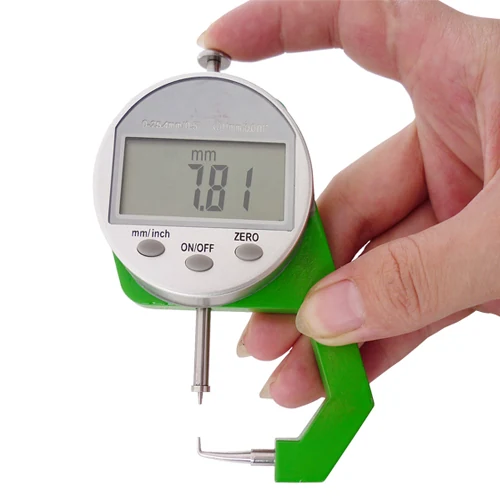
Bench Tools and Lab Consumables
Calipers, plaster saws and cutters, model base moulds, brushes, denture boxes, safety wear and bench sundries.
74 products →Guides Worth Reading First
How to Choose a Dental Lab Micromotor
Torque, speed, brushless versus brush, voltage and serviceability, in the order they actually matter when you are buying.
Read the guide →Process GuidePolishing Sequence for Acrylic Dentures
Why a polish goes hazy, what each grade is actually doing, and the one habit that fixes most finishing problems.
Read the guide →ChecklistSetting Up a New Dental Laboratory
What to buy first, what can wait, and how to sequence a fit-out so freight does not eat the budget.
Read the guide →Dental Clinics With In-House Labs: Questions We Get
What voltage will the equipment be supplied in?
Tell us your country before you order. Several models are 220V only and others are available in 220V or 110V; we confirm the version in writing before the order is placed.
Is this equipment suitable for a small clinic bench?
Much of it is, and some of it is not. Tell us the bench space you have and what you want to do on it, and we will recommend from what actually fits.
Do we need dust extraction?
If you grind acrylic or metal, yes. A desktop suction base is the minimum; a dust collector is better.
Tell Us What You Are Buying For
Describe the bench, the range or the market you are supplying. We will come back with a product list and a delivered price rather than a generic catalogue.