What a Dowel Pin Actually Controls
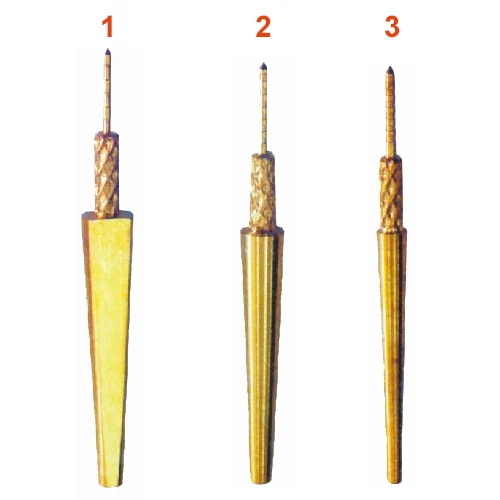
A dowel pin does two separate jobs, and most problems come from assuming it does both equally well. It fixes the position of the die, and it fixes the orientation. A single round pin does the first reliably and the second not at all.
That is why a single-pinned die rotates. The margin is still there; it has simply turned a fraction of a degree relative to the adjacent teeth, and the contact the technician built is now wrong.
Single Pins
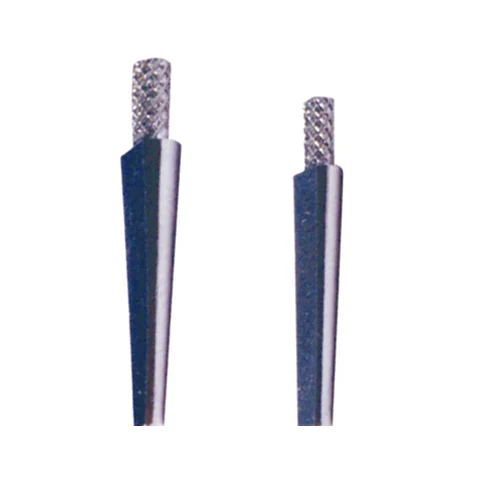
Appropriate for narrow single dies where rotation is physically constrained by the die's own shape. Cheap, fast to set, and adequate for a great deal of routine work.
Spiked Pins
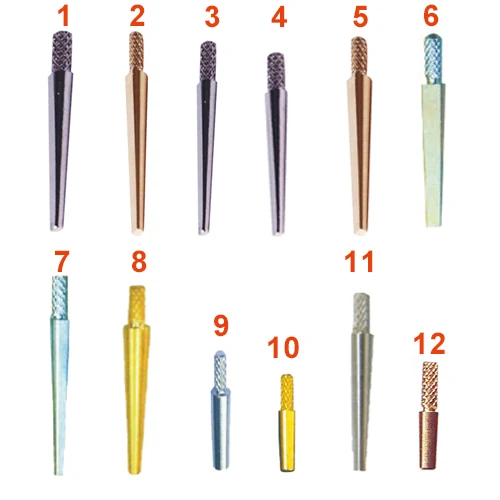
A spike or flat on the pin engages the stone and resists rotation without requiring a second hole. A reasonable middle ground where drilling two parallel holes is not practical.
Twin Pins
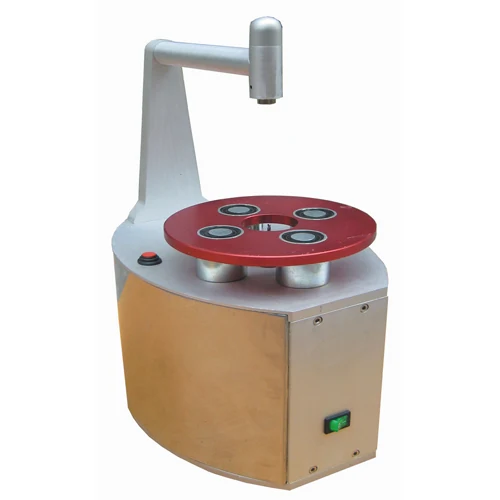
Two parallel pins on a common head. Rotation is mechanically impossible. The requirement is that both holes are parallel and to the same depth, which is straightforward with a drill unit and difficult by hand.
Sleeves and Why They Matter
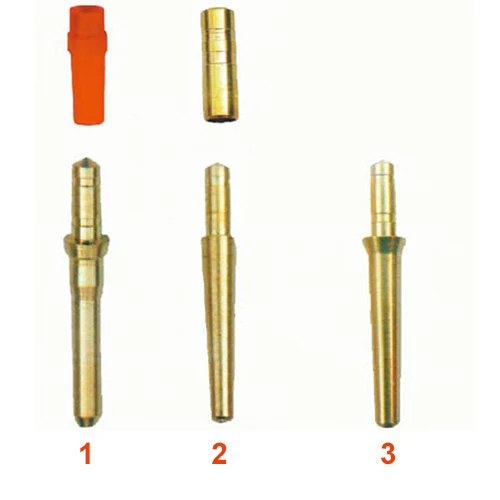
Without a sleeve, the pin runs directly against set stone. Every removal wears the hole slightly, and across a case worked over several days the die progressively loosens.
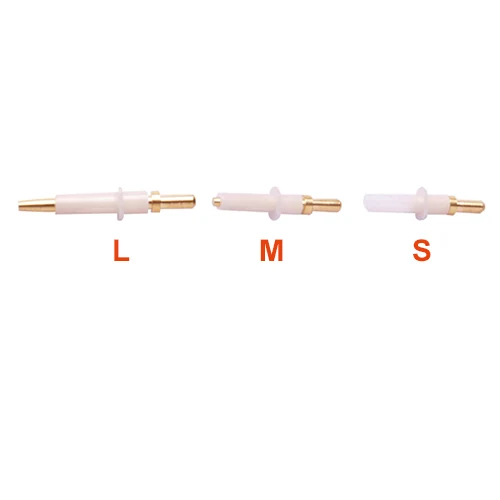
A sleeve stays in the base and gives the pin a smooth, dimensionally stable seat. Metal and plastic sleeved versions are both used; the plastic versions are the lower-cost option for routine work.
The Hole Matters More Than the Pin
A perfect pin in a hole that is three degrees off vertical will still give a die that rocks. This is why laboratories with consistent die work almost always use a pin drill unit rather than hand drilling, particularly across full-arch cases where small errors accumulate.