
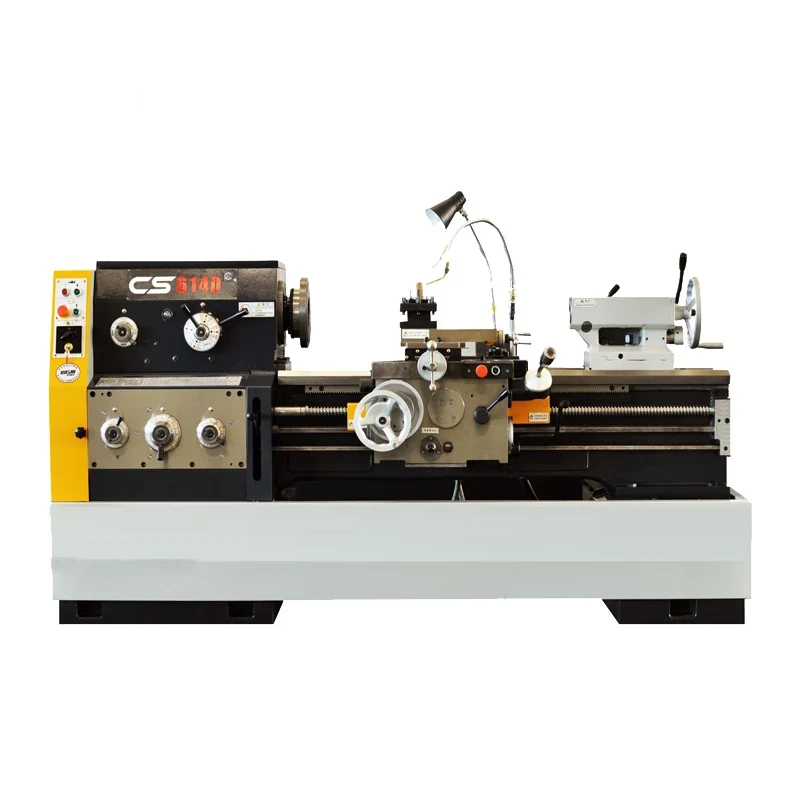
Universal Lathes Series
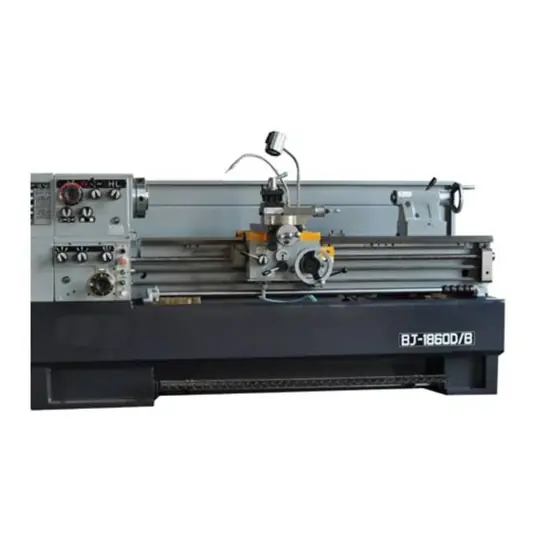
This is the CS universal lathe series taken as a whole, from the CS6140 frames up to the heavier CS6240 builds, offered so a buyer can standardise a workshop on one control layout and one set of operating habits across several machine sizes. Every machine in the series turns internal and external diameters, cuts tapers...
What This Machine Does
This is the CS universal lathe series taken as a whole, from the CS6140 frames up to the heavier CS6240 builds, offered so a buyer can standardise a workshop on one control layout and one set of operating habits across several machine sizes. Every machine in the series turns internal and external diameters, cuts tapers, faces ends and handles general rotary work, and each will also drill, bore and broach grooves. Threading covers inch, metric, module and D.P. pitches, and feed values are published in both systems, with imperial feeds such as 0.0404 in, 0.0937 in, 0.1032 in and 0.2392 in read directly from the chart. Each machine has a through-hole spindle bore for larger bar stock, carries both inch and metric measuring systems, and is offered with a hand brake or a foot brake. Supply options of 220V, 380V and 420V at 50Hz or 60Hz mean one series specification can be shipped to markets with different power.
Why Buyers Choose This Machine
- One series covers several machine sizes with the same controls so operators move between them without retraining
- Inch metric module and D.P. threading available across the series
- Feed values published in both measuring systems so the chart is read directly from the drawing
- Through-hole spindle bores on every model for larger bar stock
- Drilling boring and groove broaching alongside turning on each machine
- Hand brake or foot brake selected per machine to suit the shop
- 220V 380V or 420V at 50Hz or 60Hz so the series suits mixed export markets
Where Universal Lathes Series Earns Its Place
Problems It Solves
- Mixed lathe brands in one shop mean every machine has a different chart and different habits
- Feed and thread charts in a single measuring system slow shops that read both
- Small spindle bores limit the bar diameter that can be run on the smaller machines
- Sending parts to a drill or slotter after turning loses the concentric setup
- Gear and worm repair threads need module and D.P. pitches most lathes do not carry
- Single-voltage machines cannot be redeployed between sites with different supplies
Who It Is For
- Workshops buying more than one lathe and wanting a common operating layout
- Dealers and importers stocking a range of capacities from one family
- General engineering and repair shops working from inch and metric drawings
- Plant maintenance departments needing both a light and a heavy machine
- Training centres equipping a bay of lathes with identical controls
Application Scenarios
- Standardising a workshop on one lathe family across several capacities
- Internal and external turning of shafts sleeves and housings
- Taper turning and end facing of rotary components
- Drilling boring and groove broaching without moving the part
- Cutting module and D.P. threads for gear and worm repair
- Bar-fed batch work through the spindle bore
Technical Detail
Technical Features
- Common universal lathe design across CS6140 and CS6240 frames
- Internal and external turning taper turning and end facing
- Drilling boring and groove broaching
- Inch metric module and D.P. thread cutting
- Feed rates listed in inch values including 0.0404 in 0.0937 in 0.1032 in and 0.2392 in
- Through-hole spindle bore on each model
- Inch and metric measuring systems on every machine
- Hand brake and foot brake versions
- 220V 380V or 420V supply at 50Hz or 60Hz
Specifications
| Machine type | Universal horizontal lathe series |
|---|---|
| Models | CS6140 series and CS6240 series |
| Nominal size class | From 14 inch class upward |
| Spindle bore | Through hole for bar stock |
| Threading | Inch metric module and D.P. |
| Feed examples | 0.0404 in 0.0937 in 0.1032 in 0.2392 in |
| Measuring systems | Inch and metric |
| Braking | Hand brake or foot brake |
| Power supply | 220V 380V or 420V at 50Hz or 60Hz |
Figures above are taken from the product information we hold. Send us your application and we will confirm the exact specification for the model quoted.
How It Is Built and What Can Be Changed
Operations Performed
- Turning
- Taper turning
- End facing
- Drilling
- Boring
- Groove broaching
- Thread cutting
Quality Control
- Each machine in the series checked for spindle run-out before the headstock is closed
- Feed chart values verified against measured test cuts in both measuring systems
- Thread positions for inch metric module and D.P. exercised on assembly
- Brake operation tested from full spindle speed on every unit
- Electrical test at the voltage and frequency stated for each machine on the order
Customisation Options
- Model and capacity chosen from the series to match each job station
- Hand brake or foot brake selected machine by machine
- Supply voltage and frequency built per destination
- Workholding and tool post packages specified per machine
- Manuals and machine plates supplied in one language across the whole order
How It Compares With the Alternatives
| Buying single machines from different families | A series order gives the same chart layout and the same controls on every machine, which shortens operator training and simplifies spares |
|---|---|
| CS6140J Universal Lathes on its own | The CS6140J is one size within this series; buying across the series lets a shop match each station to its work without changing operating practice |
| Lathes with a single measuring system | Inch and metric dials and feed values on every machine remove the conversion step whichever drawing arrives |
| Turning then transferring parts for holes and grooves | Drilling boring and broaching on the lathe hold the bore concentric with the turned diameter |
Running the Machine
Step 1
Match each machine in the order to the diameter and length run at that station
Step 2
Confirm every machine is wired for the site voltage and frequency before first start
Step 3
Level each lathe and check the bed for twist during installation
Step 4
Read feeds from the inch or metric side of the chart according to the drawing in hand
Step 5
Select the thread system and pitch before engaging the lead screw
Step 6
Keep chuck and tooling standards common across the series so setups transfer between machines
Step 7
Follow the same lubrication and way cleaning routine on every machine in the bay
Related Applications and Guides
General Machining Job Shops
Job shops take whatever work comes through the door, which means their equipment has to cover a wide range rather than do one thing perfectly. XAIMC s
Heavy Equipment and Plant Maintenance
Mines quarries plantations and processing plants cannot wait for imported spares. XAIMC supplies the boring gear cutting turning and grinding machines
Machine Tool Installation and Commissioning Checklist
Installing an imported machine tool correctly means preparing the site, unpacking and positioning the machine, levelling it, connecting services and p
Preventive Maintenance for Manual Lathes and Milling Machines
Manual lathes and milling machines keep their accuracy through lubrication, cleanliness, correct adjustment of gibs and backlash, and regular geometri
Questions About Universal Lathes Series
Which models make up this series?
The CS6140 frames and the heavier CS6240 frames. Tell us the largest and smallest parts you turn and we will propose the mix of models for your shop.
Are the controls the same on every machine?
The series shares the same universal lathe layout and chart arrangement, which is the reason buyers standardise on it. Details differ with frame size, and we will confirm them per model on the quotation.
Which thread systems do they cut?
Inch, metric, module and D.P. across the series.
Can I order machines for different sites and voltages on one order?
Yes. Each machine is wired for the voltage and frequency of its destination, from 220V, 380V or 420V at 50Hz or 60Hz.
Do you supply the workholding with the machines?
Chucks, face plates, rests and tool posts are quoted per machine. Send us the work each station runs and we will list them.
What is the lead time on a multi-machine order?
It depends on the models and accessory packages. Send us the full list and we will confirm the schedule in writing.
What are your trade and payment terms?
FOB CFR or CIF from Xi'an, with 30 percent by T/T on order and 70 percent before shipment, or an irrevocable L/C at sight.
Request a Quote on the Universal Lathes Series
Send us the work you need it to do, the voltage on your site and the port you ship to. We will come back with the model, the tooling and the lead time.