
Preventive Maintenance for Manual Lathes and Milling Machines
Manual lathes and milling machines keep their accuracy through lubrication, cleanliness, correct adjustment of gibs and backlash, and regular geometric checks. This guide gives workshop owners and maintenance staff a practical daily, weekly, monthly and annual routine for conventional machine tools.
What Wears Out and Why It Matters
A conventional lathe or milling machine loses accuracy in a small number of predictable places. The sliding ways wear, usually most in the part of their travel that is used every day, so the saddle or table drops slightly and the machine starts cutting a taper or an out-of-square face. Leadscrews and nuts wear, so backlash grows and the operator has to wind out and back in on every dimension. Spindle bearings lose preload, so finish deteriorates and chatter appears.
Every one of those failures is accelerated by the same two things: poor lubrication and abrasive contamination. Swarf and grinding dust carried onto an oiled way act as a grinding paste between two precision surfaces. Preventive maintenance on a manual machine is therefore not complicated work, but it has to be done consistently, and it is mostly about keeping oil where it should be and grit where it should not.
The payoff is direct. A well maintained conventional machine will hold usable accuracy for decades, while an identical machine that is run dry and left full of swarf can be worn out within a few years.
The Daily Routine
The daily routine takes a few minutes at each end of the shift and prevents most of the damage. Before starting, check the oil level in the headstock and gearbox sight glasses, operate the one-shot lubrication pump the number of strokes the manual specifies, and look at the way oil reservoir. Wipe the ways, then apply a film of the correct way oil before the first cut rather than after the machine has run dry for an hour.
During the shift, keep the coolant flowing where it should be and watch for it washing swarf into places it does not belong. At the end of the shift, clear swarf from the bed, the chip tray, the cross slide and the T-slots with a brush and a hook, never with compressed air, because air drives fine particles past the wipers and into the ways.
Finish by wiping the machine down and leaving a light oil film on bright surfaces, particularly in humid climates where an unprotected bed will show rust overnight. Leave the machine set up for the next shift rather than for the end of this one.
- Check oil levels in sight glasses before starting
- Operate the one-shot lubricator as the manual specifies
- Oil the ways before cutting, not after
- Clear swarf with a brush and hook, never with compressed air
- Wipe down and leave a light oil film on bright surfaces
Lubrication Done Properly
Use the oil grades the manual specifies rather than whatever is on the shelf. Way oil contains additives that resist the stick-slip that causes juddery slow feeds, and it is formulated to cling to vertical surfaces; ordinary hydraulic oil does neither well. Spindle oil, gearbox oil and way oil are three different products on most machines and are not interchangeable.
Check that the lubrication is actually arriving. One-shot systems develop blocked lines and sticking distributors, and the only symptom may be a dry way that then wears fast. Periodically watch for oil appearing at the way surface after the pump is operated. On machines with individual oil nipples, work to a chart so no point is missed.
Coolant is part of the same system. Old coolant goes rancid, loses its corrosion inhibitors and attacks paint and metal. Check concentration regularly, skim tramp oil, and change it on a schedule rather than when it smells. Clean the tank when you change it, otherwise the new charge is contaminated immediately.
- Use the specified grade for ways, spindle, gearbox and hydraulics
- Verify oil is reaching the ways, not just that the pump is working
- Work to a lubrication chart so no point is missed
- Check coolant concentration and change it on a schedule
Way Covers Wipers and Cleanliness
Way wipers are the cheapest accuracy protection on the machine and the most neglected. A felt or rubber wiper that has hardened, torn or packed with swarf stops sweeping the way and starts carrying grit along it. Inspect wipers monthly, clean them, and replace them when they are no longer making full contact. They cost very little and they protect surfaces that cost a great deal to regrind.
Telescopic covers and bellows serve the same purpose on the axes that have them. A split bellows lets swarf straight onto the screw and ways, so repair or replace it rather than taping it. On lathes, check that the leadscrew and feed shaft are not being used as chip rests, and keep the apron area clear.
Keep the machine itself clean enough that leaks are visible. Oil weeping from a joint is easy to spot on a clean casting and invisible on one caked with swarf and coolant residue.
Weekly and Monthly Checks
Weekly, go beyond the daily wipe. Clean the chip tray and coolant tank strainer, check belt tension and condition, look over the electrical cabinet for dust build-up and loose connections, and confirm the emergency stop and any guard interlocks still function. Check the tailstock on a lathe for free movement and secure clamping, and check the quill and knee on a mill.
Monthly, add the adjustments. Check gib strips on the cross slide, compound and table: they should be set so the slide moves smoothly without perceptible lift or rock. Over-tight gibs cause hard feeding and accelerated wear; loose gibs let the tool move under cutting load and produce poor finish and inaccurate work.
Measure backlash on each leadscrew with a dial indicator and record it. A rising trend tells you the nut is wearing before it starts causing scrap. Also check chuck and collet condition, spindle taper cleanliness, and the condition of drive belts and any shear pin or clutch arrangement.
- Weekly - coolant tank, strainers, belts, electrical cabinet, safety devices
- Monthly - gib adjustment on all slides
- Monthly - measure and record backlash on each leadscrew
- Monthly - inspect chucks, collets and spindle tapers
Annual Accuracy Checks
Once a year, check the machine's geometry against the same references used at installation. On a lathe, check spindle runout with a dial indicator, check that the tailstock aligns with the headstock, and turn a test bar and measure it along its length with a micrometer to reveal taper. On a milling machine, check spindle runout, table flatness, and the squareness of the head to the table, then cut and measure a test block.
Re-check machine level at the same time. Levelling drifts as the floor settles, and on a lathe a twisted bed shows up directly as taper in turned work. On a long bed lathe this is often the real cause of a problem blamed on the headstock.
Record everything and compare with the previous year. A single set of readings tells you the machine's current condition; a series tells you whether it is deteriorating and how fast, which is what allows a rebuild to be planned rather than forced by a scrapped job.
- Spindle runout with a dial indicator and magnetic base
- Tailstock alignment on a lathe, head squareness on a mill
- Test bar or test block cut and measured with a micrometer
- Machine level re-checked and adjusted
- All readings recorded and compared against previous years
Spares Records and Operator Habits
Keep a small stock of the items that stop a machine: drive belts, fuses, contactors, filters, way wipers, seals and the specified oils. These are inexpensive compared with a day of lost production, and on imported machines they are far better ordered with the machine than urgently afterwards. Ask XAIMC for a recommended spares list at enquiry stage.
Maintain a log for each machine. Record lubrication, adjustments, faults, parts changed and the annual accuracy readings. The log is what tells you whether a chatter complaint is new or has been building for six months, and it is what supports a decision to rebuild or replace.
Finally, operator habits do more for machine life than any schedule. Not using the bed as a bench, not leaving a chuck key in the chuck, not hammering work into a vice on a milling table, not running the spindle against a locked feed, and reporting unusual noise instead of working through it. These cost nothing and prevent most serious damage.
- Stock belts, fuses, contactors, filters, wipers, seals and specified oils
- Keep a per-machine log of lubrication, adjustment and faults
- Never use the machine bed or table as a workbench
- Report unusual noise and vibration rather than working through it
Signs the Machine Needs More Than Maintenance
Some symptoms mean adjustment will no longer solve the problem. A turned diameter that tapers consistently after the machine has been levelled and the tailstock aligned usually means bed wear. Chatter that persists with sharp tools, correct speeds and tight gibs often means spindle bearing wear. Backlash that has grown beyond the point where the nut adjustment can take it up means the screw and nut need replacement.
None of these mean the machine is finished. Conventional machines are built to be rebuilt: ways can be reground or scraped, screws and nuts replaced, bearings renewed. The value of a maintenance record is that it lets you plan that work as a scheduled job rather than face it as an emergency when a customer's part goes out of tolerance.
If you are deciding between rebuilding an old machine and buying a new one, weigh the rebuild cost against the capability you would gain. Send XAIMC your workpiece sizes, materials and accuracy requirements and a replacement machine can be proposed against them.
Related Machines From XAIMC
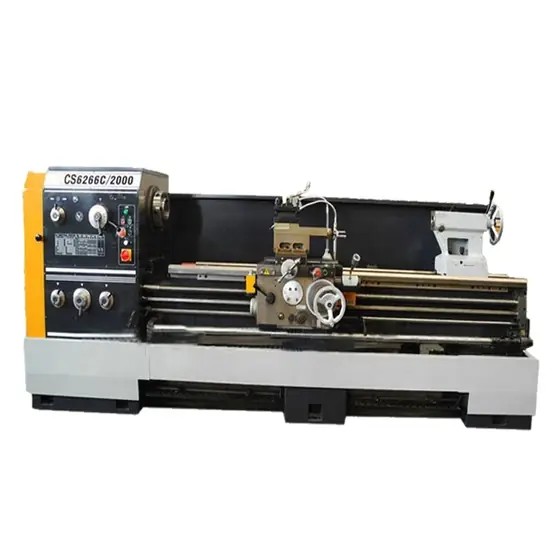
CS6140J Universal Lathes
View Machine →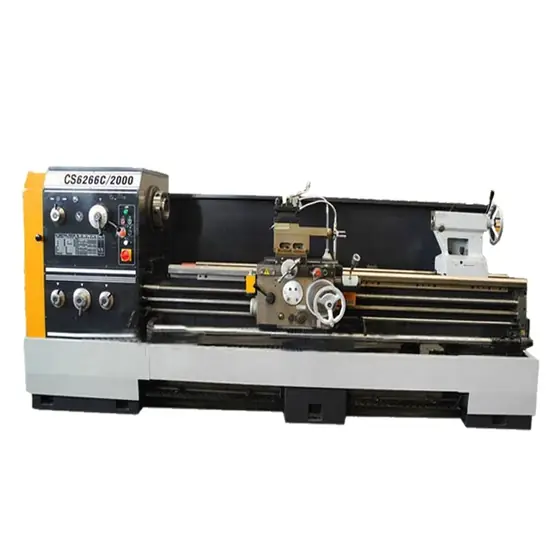
Gap Bed Lathe Machine CS6240 CS6250B/C CS6266B/C
View Machine →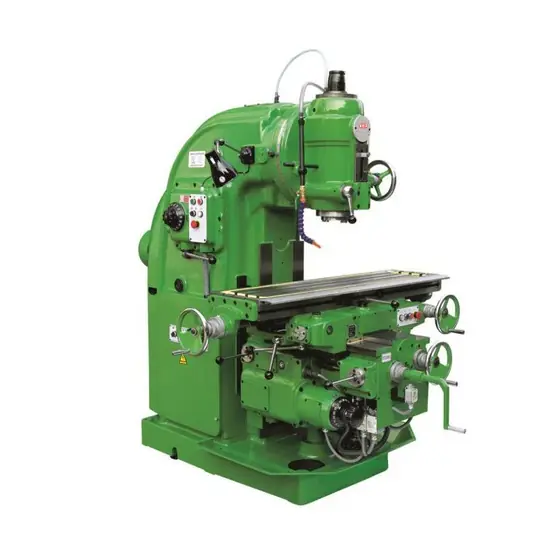
Heavy Duty Universal Vertical Milling Machine X5032
View Machine →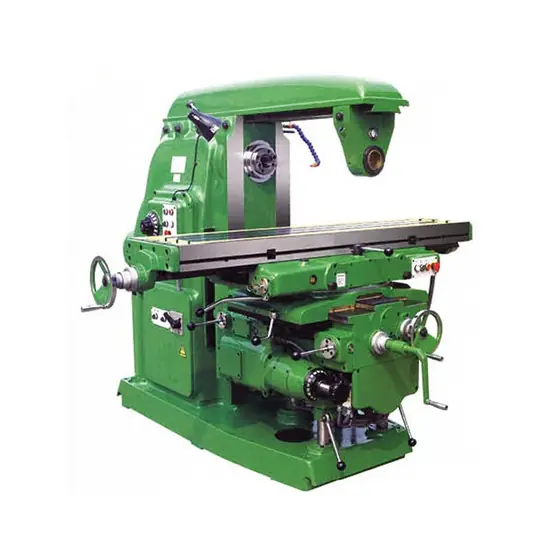
X6140 Universal L Milling Machine
View Machine →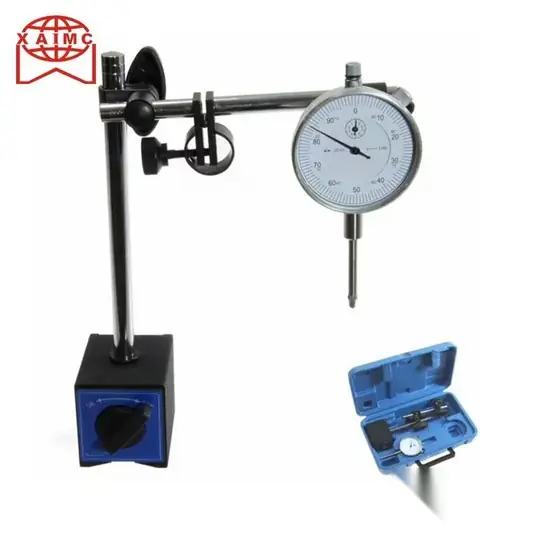
Dial Indicator and Dial Gauge Indicator Set with Magnetic Stand
View Machine →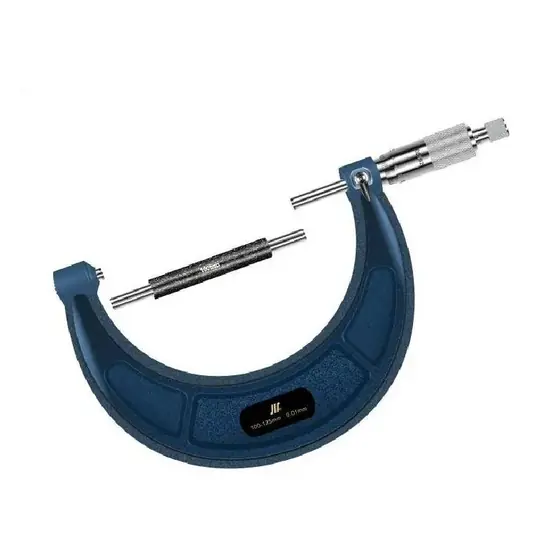
Internal Outside Micrometer 25-50 mm
View Machine →Related Categories
Questions on This Topic
Can I use compressed air to clean swarf off a machine
It is better not to. Compressed air drives fine chips and grinding dust past wipers and seals into ways, screws and bearings, which is exactly where they do most damage. Use a brush, a chip hook and a vacuum instead, and it is also safer for the operator.
How tight should gib strips be
Tight enough that there is no perceptible lift or rock in the slide, loose enough that it moves smoothly by hand over its full travel without tight spots. Over-tightening causes hard feeding and accelerated wear, so adjust progressively and test the movement along the whole travel.
Which oil should I use on the ways
The grade specified in the machine manual. Way oil has additives that resist stick-slip and help it cling to vertical surfaces, which general hydraulic oil does not. Spindle, gearbox and way oils are usually three different products and should not be substituted for each other.
How often should machine level be checked
At least annually, and sooner if turned work starts showing consistent taper or milled work goes out of square. Floors settle over time and a twisted bed produces errors that are often wrongly blamed on the spindle or the tailstock.
What accuracy checks should I record each year
Spindle runout, tailstock alignment on a lathe or head squareness on a mill, machine level, backlash on each leadscrew, and the measured result of a cut test bar or test block. Recording them yearly turns a single reading into a wear trend you can plan against.
Which spare parts should I keep on site
Drive belts, fuses, contactors, filters, way wipers, seals and the specified oils, since these are the items that stop a machine for want of a small part. For imported machines, order them with the machine where possible and ask XAIMC for a recommended spares list at enquiry stage.
Apply This to Your Own Workshop
Send us your parts, your volumes and your site conditions and we will answer for your case rather than the general one.