
How to Choose a Valve Seat Cutting Machine
A valve seat cutting machine machines the seat angles and the valve guide bore in a cylinder head so that the valve seals concentrically against the seat. This guide is for engine rebuilders, cylinder head specialists and workshop owners deciding between manual, digital display and CNC seat machines.
What a Valve Seat Cutting Machine Actually Does
A valve seat machine restores the sealing surface that the valve face closes against. In a worn cylinder head the seat is pitted, recessed or no longer square to the guide, so combustion gas leaks past the valve and the head loses compression. The machine cuts new seat angles - typically a narrow sealing angle with a top and bottom relief angle either side of it - so that the valve contacts a clean band of metal all the way around.
The critical point is that the seat is not cut from the outside of the head. It is cut in reference to the valve guide bore, because the guide is what controls where the valve stem sits. Every serious seat machine therefore locates on the guide with an expanding pilot, and the whole design of the machine exists to hold that reference while the cutter turns. If the seat is cut concentric to anything other than the guide, the valve will seal on one side and leak on the other no matter how good the surface finish looks.
- Cuts the seat sealing angle plus top and bottom relief angles
- Machines or reams the valve guide bore, or installs and sizes new guides
- References the cut from the guide bore rather than from the head deck
- Corrects seat recession, pitting, burning and out-of-round wear
Guide Referencing and Spindle Float
Two design features separate seat machines that hold concentricity from ones that do not. The first is the pilot system. A solid pilot is quick but only fits one guide size, while an expanding pilot grips the full length of the guide bore and takes up clearance, which matters on worn guides. Whichever system a machine uses, the pilot set has to cover the guide sizes you actually see on your bench, so list the engine families you rebuild before you choose.
The second is spindle float. A floating spindle lets the cutting head follow the pilot rather than forcing the pilot to follow the spindle. When the machine column is set up roughly square to the port and the spindle is allowed to self-centre on the pilot, small setup errors stop translating into runout at the seat. Rigid-spindle machines can produce excellent work, but they demand much more careful alignment of the head on the fixture for every single seat.
Air-float or ball-float designs also make the operator faster, because the head is positioned by hand over each port instead of being dialled in with screws. On a head with sixteen or twenty-four valves that difference compounds across the job.
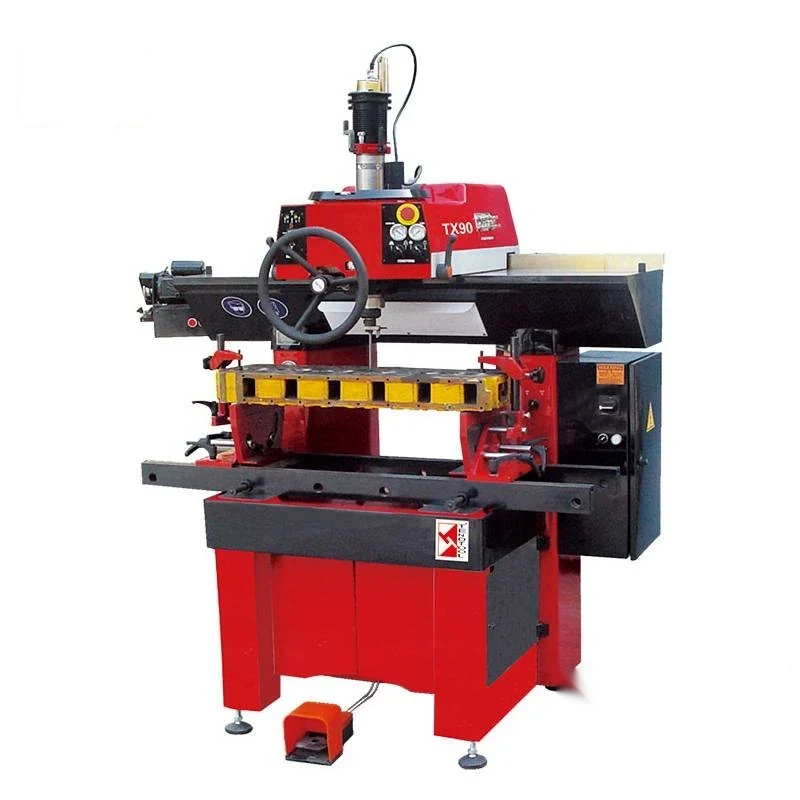
Manual Digital Display or CNC
Manual seat machines give the operator direct feel for the cut and cost the least to buy and to keep running. They suit shops where an experienced operator does a moderate volume of mixed work and where seat width and depth are checked with a dial indicator and seat width gauge between passes.
Digital display machines add position readout on the feed axis, so the operator can repeat a seat depth across a bank of cylinders without re-measuring every time. This is the practical middle ground for a rebuilder who wants consistency across a multi-cylinder head but does not need programmed cycles.
CNC seat and guide machines store the angle and depth cycle and repeat it port after port. They earn their cost where the shop runs the same engine families in batches, where labour is expensive, or where the operator base is less experienced and repeatability has to come from the machine rather than from the person. XAIMC supplies all three levels, so a shop can match the control type to its real volume rather than buying a control it will not use.
- Manual - lowest cost, widest flexibility, depends on operator skill
- Digital display - repeatable depth setting across a multi-cylinder head
- CNC - stored cycles for batch work and less experienced operators
Capacity Fixturing and the Heads You Rebuild
The most common sizing mistake is buying a machine for the heads on the bench today rather than for the heads the shop wants to take on. Passenger car and light commercial heads are short and light; truck, bus, agricultural and marine heads are longer, heavier and often have deeper ports that need a longer pilot and more spindle stroke. If truck work is part of the plan, the work-holding fixture has to swing and clamp that length without the head moving under cutting load.
Look at how the head is held and rotated. A fixture that tilts the head lets the operator bring V-engine banks into a workable position without unclamping, and a fixture that rotates lets both sides of a head be reached from one setup. Time saved here is real: on a busy bench, clamping and re-clamping heads can take longer than the cutting itself.
Also check the working height and whether the machine is bench mounted or supplied on its own stand. A machine at the wrong height slows every job and tires the operator, which shows up in the work.
- List the engine families and head lengths you handle now and next year
- Check pilot length and spindle stroke against your deepest ports
- Confirm the fixture tilts and rotates for V-bank heads
- Decide bench mount or floor stand before the quotation stage
Tooling Is Part of the Purchase Not an Afterthought
A seat machine without the right tooling is an expensive stand. Carbide seat cutters are held in cutter bodies that set the angle, and each engine family may need a different combination of angles and diameters. Ask for the cutter body range, the insert type and where replacement inserts are sourced, because insert availability determines running cost for the life of the machine.
Guide work needs its own tooling: reamers for sizing new guides, a driver for pressing guides in and out, and counterbore tooling where the guide boss has to be cut down. Some shops buy the seat machine first and discover months later that the guide side of the job still goes out to a subcontractor.
Specify pilots, cutter bodies, inserts and guide tooling in the same enquiry as the machine. Send XAIMC the engine families you work on and the guide diameters you see most often, and the tooling package can be quoted against that list rather than against a generic starter set.
Checking the Work After the Cut
Buying decisions should include how you will prove the seat is right. A seat width gauge or dial caliper confirms the sealing band width, and a dial indicator on a magnetic base run around the seat shows runout relative to the guide. Vacuum testing each port gives a quick pass or fail on sealing before the head is assembled, and a pressure tester finds cracks and porosity that no amount of seat work will fix.
Set the acceptance checks in your own shop procedure: seat width within the engine maker's range, contact band positioned correctly on the valve face, no visible chatter marks, and a vacuum or leak check on every port. A machine that produces a beautiful angle but leaves chatter has usually been set up with too much pilot clearance or too light a clamp on the head.
- Seat width gauge or caliper for the sealing band
- Dial indicator and magnetic base for seat runout
- Vacuum tester for a fast per-port seal check
- Pressure tester for cracks before assembly
Power Installation and Consumables
Confirm supply voltage, phase and frequency before the machine is built, since a three-phase machine wired for one market will not simply plug in elsewhere. Air-float and air-clamp designs also need clean dry compressed air, so a shop without a filtered and regulated air supply should budget for one at the same time.
Floor space matters more than the footprint suggests. Allow room to swing a truck head on the fixture, to stand a head on a trolley beside the machine, and to reach the control side without leaning over the work. Ask XAIMC for the installation drawing and the crated dimensions when you request the quotation, so the machine can be moved into the building without dismantling a doorway.
A Short Buying Checklist
Work through these points in order and most of the specification writes itself. Send the answers to XAIMC with your enquiry and the quotation will come back matched to your bench rather than to a catalogue page.
- Engine families and head lengths, including any truck or marine work
- Valve guide bore sizes to be covered by the pilot set
- Control level: manual, digital display or CNC
- Whether guide reaming and guide pressing stay in house
- Cutter bodies, inserts and their replacement source
- Fixture tilt and rotation for V-bank heads
- Voltage, phase, frequency and compressed air availability
- Measuring and testing equipment for acceptance checks
Related Machines From XAIMC
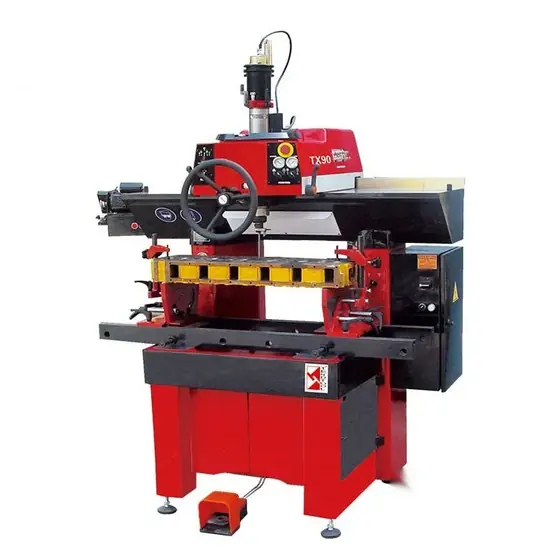
Valve Seat Boring Machine TX90/TL120/TL120XL
View Machine →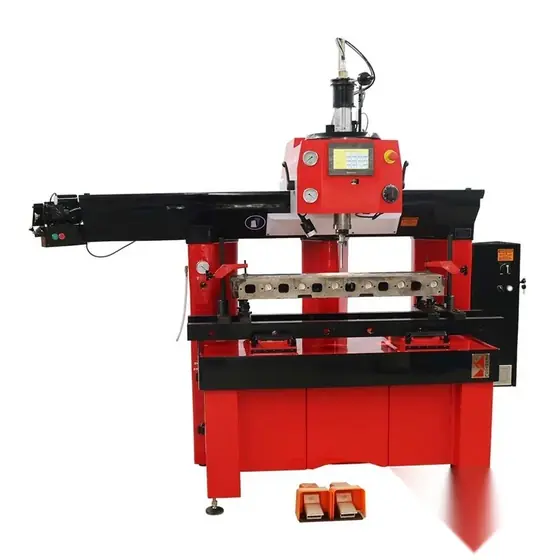
Valve Seat and Guide Cutting Machine TL120CNC/TL120XLCNC
View Machine →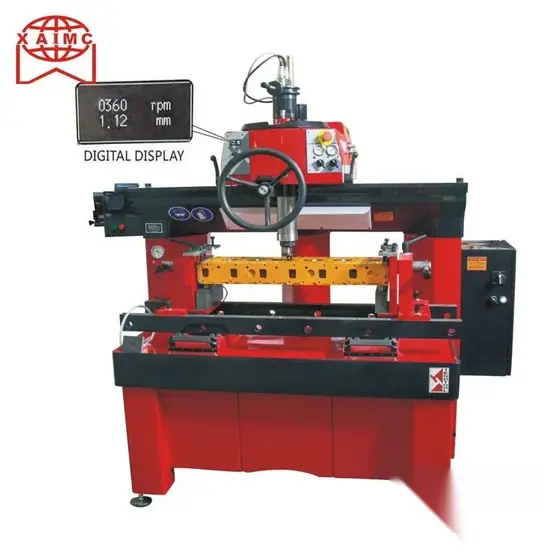
Digital Display Power Valve Seat Machine TX90DRO/TL120DRO/TL120XLDRO
View Machine →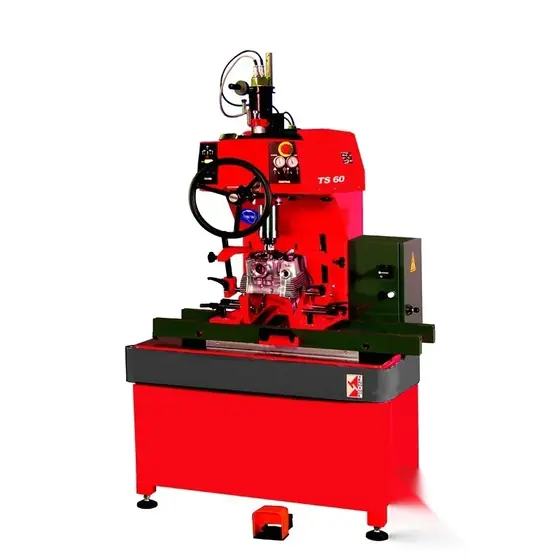
Valve Seat and Guide Cutting Machine TS60
View Machine →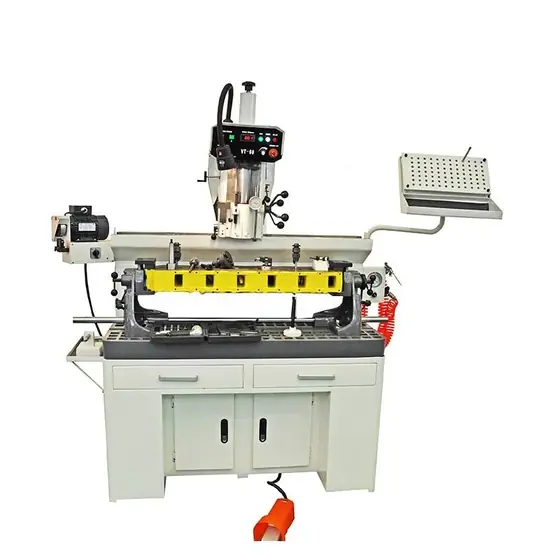
Valve Guide & Seat Cutting Machine VT60
View Machine →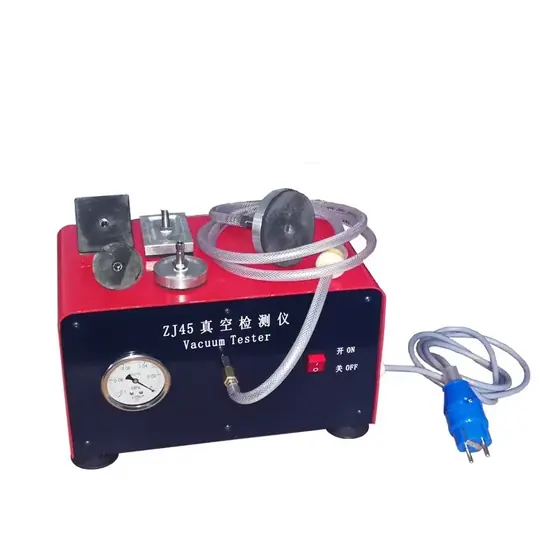
Vacuum Tester ZJ45
View Machine →Related Categories
Questions on This Topic
Do I need a separate machine for valve guides
Not necessarily. Several XAIMC valve seat and guide machines are built to cut seats and work the guide bore from the same setup, which keeps the seat concentric to the guide. If your current process sends guide work to a subcontractor, tell us that when you enquire so the tooling package includes reamers and guide drivers.
What is the advantage of a floating spindle
A floating spindle allows the cutting head to centre itself on the pilot in the valve guide instead of forcing the pilot to follow the spindle axis. Small errors in positioning the head on the fixture are absorbed rather than being transferred into seat runout, which makes setup faster and results more consistent.
Is a CNC seat machine worth it for a small shop
It depends on repetition rather than on shop size. If you rebuild the same engine families in batches, or if operators change often, stored cycles pay back in consistency. A shop doing varied one-off heads with one experienced operator usually gets more value from a manual or digital display machine plus better tooling.
Which tooling should I order with the machine
Pilots covering your guide sizes, cutter bodies for the angles you cut, a starting stock of carbide inserts, and guide reamers or drivers if guide work stays in house. Send XAIMC your engine list and guide diameters and the tooling can be quoted against that rather than a generic set.
What power supply should I specify
State your voltage, phase and frequency in the enquiry, for example 380V three phase 50Hz or 220V single phase 60Hz, and the machine will be built and wired for that supply. Also confirm whether you have filtered dry compressed air if you are considering an air-float model.
How do I check the seat after cutting
Measure the sealing band with a seat width gauge or caliper, check runout with a dial indicator on a magnetic base referenced from the guide, and confirm sealing with a vacuum test on each port. A pressure test before assembly catches cracks that seat work cannot cure.
Apply This to Your Own Workshop
Send us your parts, your volumes and your site conditions and we will answer for your case rather than the general one.