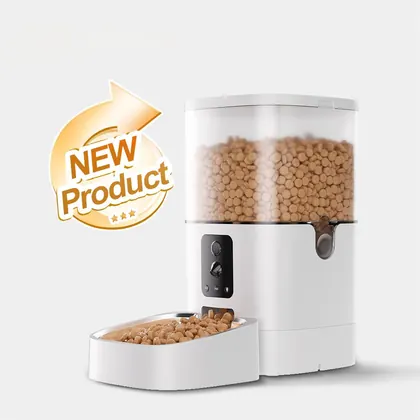
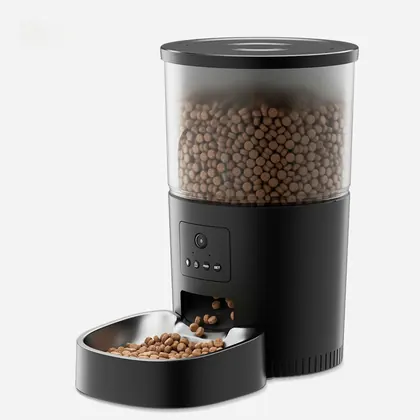
The practical difference
OEM puts your brand on a product that already exists. ODM develops a product that does not yet exist. Everything else follows from that one distinction.
- OEM: existing housing, existing tooling, existing certification, your branding
- ODM: new housing, new tooling, new certification, your design
- OEM changes what the product says, ODM changes what the product is
- A third path, private label, is commercially OEM with a deeper brand programme around it
Cost and volume
The numbers diverge sharply, and the right choice depends on whether you have demand data or a hypothesis.
- OEM: no tooling investment, minimum order 500 units per model
- ODM: tooling investment recovered over volume, minimum order 3000 units per run
- OEM unit price is higher at low volume but total exposure is far lower
- ODM only makes sense when volume is proven or the differentiation is genuinely the reason customers will buy
Time
Speed to market is often worth more than differentiation, particularly for a first entry into the category.
- OEM: roughly 30 days from approved sample to shipment
- ODM: 75 to 95 days before a first production run, including design, tooling and certification
- A missed season costs more than most differentiation is worth
- Many successful ranges launch on OEM and develop an ODM flagship once the category is proven
Exclusivity
This is the question that matters most and gets asked least. Assuming exclusivity without agreeing it is a costly mistake.
- Stock OEM models are available to any buyer, including your competitors
- ODM tooling that you fund can be exclusive to you, with the territory and term written down
- Exclusivity on a shared model can sometimes be agreed for a defined market with a volume commitment
- Get all of it in writing before tooling opens, not after the product sells
Choosing between them
A short decision test that usually settles it.
- No demand data yet: start with OEM
- Proven demand and a specific unmet need: move to ODM
- Competing on brand and service rather than hardware: OEM is sufficient
- Competing on a feature nobody else has: ODM is the only route