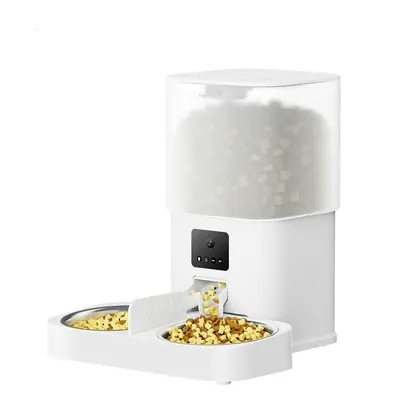
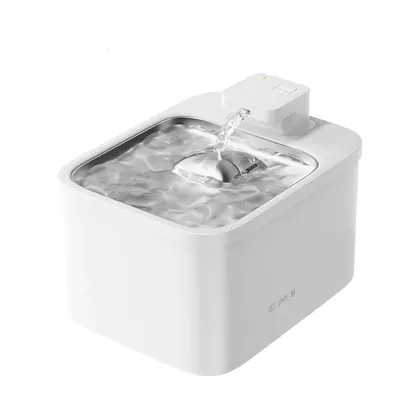
The parts that matter
Not every component in a feeder touches food, and specifying a food-grade material for parts that do not is a cost with no benefit. Knowing which parts matter lets you spend the material budget where it counts.
- Hopper: stores food for weeks, needs food-grade material and a proper seal
- Auger and chute: in direct contact with every portion dispensed
- Bowl: continuous contact, and the part most exposed to washing and wear
- Outer housing: no food contact, so standard grades are appropriate
ABS and PP in practice
These two plastics cover almost every feeder on the market. They behave differently, which is why a well designed product uses both rather than choosing one.
- ABS: rigid, dimensionally stable, takes a good surface finish, used for housings and structural parts
- PP: better chemical resistance and repeated washing tolerance, used for bowls and wetted parts
- Food-grade versions of both exist and cost more than standard grades
- A bowl in food-grade PP and a housing in standard ABS is a sensible specification, not a compromise
Stainless steel bowl inserts
Some markets and channels expect a stainless insert, particularly in premium and veterinary retail. It changes cost, weight and cleaning behaviour.
- Resists scratching, which reduces the surface where bacteria can establish
- Adds weight, which affects carton and shipping calculations
- Preferred in veterinary and premium retail channels
- Usually offered as a removable insert rather than a fixed bowl
Silicone seals and why they matter
The seal on a hopper lid does more for food freshness than the material of the hopper itself. It is a small component with a large effect on review scores.
- Food-grade silicone in the lid ring
- Tested for repeated opening and closing, in our case 5000 cycles
- A desiccant seat extends freshness in humid markets
- A poor seal turns a 30-day hopper into a 7-day hopper in practice
What a material certificate should say
A certificate that says only food grade is not useful documentation. A retailer's compliance team will ask for more, and so should you.
- The specific material grade and the supplier who produced it
- The standard the material is certified against
- Which components in the product use that material
- Issue date and validity period