
End Of Line Automation For Logistics And Warehousing
Carton erecting, case packing, sealing, bundling, coding, stretch wrapping and robot palletising for automated logistics operations.
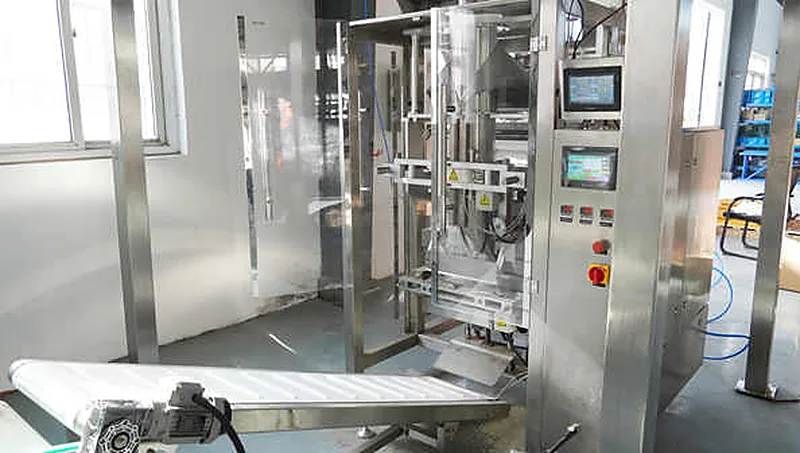
What Usually Brings Producers To Us
Labour at the end of the line
Stacking, wrapping and taping are the last manual steps in most warehouses, and the hardest to staff reliably.
Load instability in transit
A hand-stacked pallet shifts. Damage claims and rejected deliveries follow, and the cost lands long after the shift that built it.
Throughput peaks
Warehouse despatch is peaky by nature. Manual end-of-line capacity cannot flex, so peaks become overtime.
Mixed pack formats
Cartons, bags and shrink bundles all arrive at the same despatch bay and have to be handled by the same cell.
What The Machine Has To Do
- Automatic carton erecting with tape sealing
- Case packing and automatic sealing and bundling
- Robot palletiser with a pallet magazine and adjustable patterns
- Pallet stretch wrapping to stabilise the load
- Coding and counting integrated into the line PLC
Typical Application Scenarios
- Carton case erecting with tape sealing at the head of the line
- Automatic case packing, sealing, bundling and coding
- Robot palletising in interlocked, five-flower and column patterns
- Fully automatic pallet stretch wrapping
- Secondary bagging of 10 g to 1000 g packs into woven bags
Machines We Normally Propose
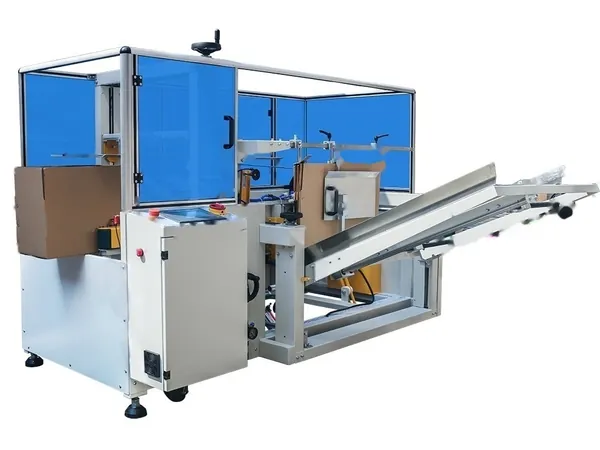
Box Folding Erector
China Manufacturer Carton Case Box Folding Erector Machine with Tape Sealing
View machine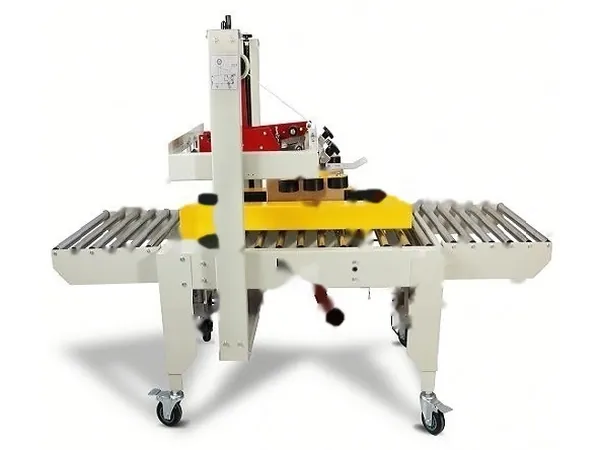
Carton Sealing Machine
Standard automatic carton sealer,left and right side drive
View machine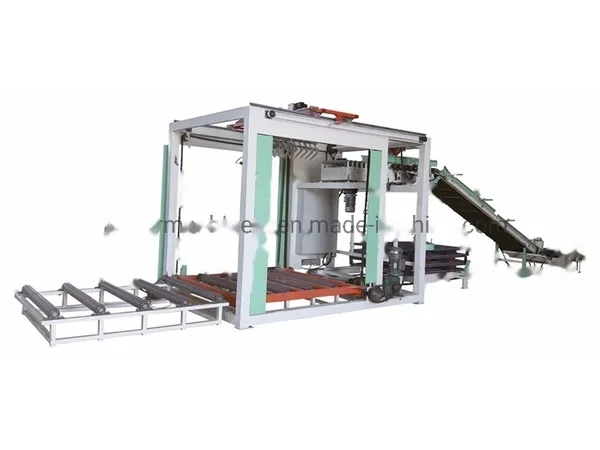
HN600 Palletizer Machine
Factory Price Robotic Palletizing System, Bag Palletizer Machine, Palletizing Robot
View machine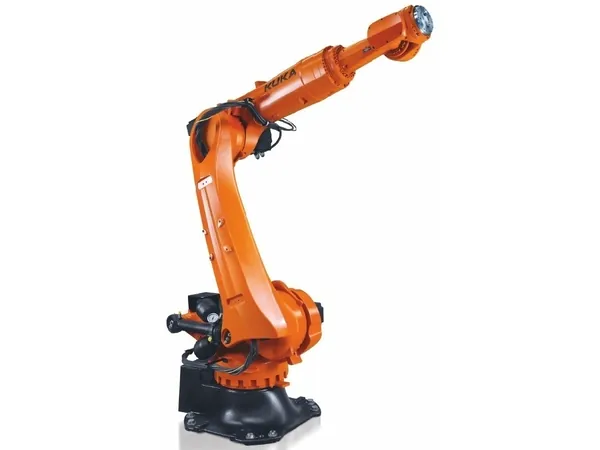
Palletizing Robot
Automatic Robot for Stacking and Palletizing(China factory) Low price new Kuka palletizing robot provider($24000/set )KR120
View machine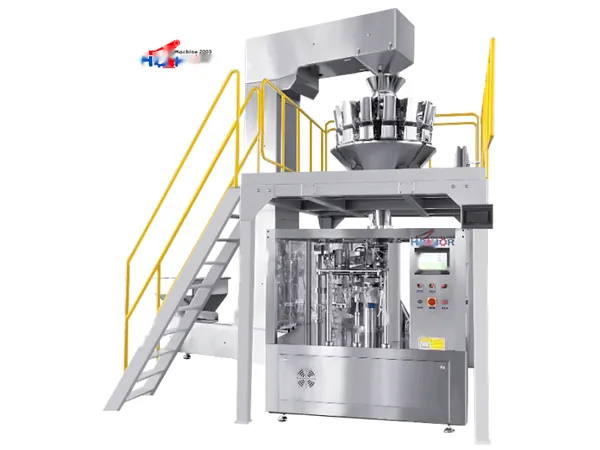
Rotatable Pallet Packing
China Manufacturer Fully Automatic Pallet Stretch Wrapping Machine
View machineHN series automatic packing production line
The unit is composed of automatic unpacking machine, empty box conveyor, automatic packing machine, solid box conveyor, vibra...
View machineHN series secondary bagging and packing machine production line
The unit is mainly used to complete the automatic packaging process of packing small bag products (500-5000g) orderly into wo...
View machineHow A Project Runs From Enquiry To Handover
Material data, pack weight, bag format, output, floor plan and the utilities you have available.
Machine list, dosing head selection, layout drawing and a written scope of supply with the interfaces marked.
We run your material, record the weights and the speed and send you the video before you commit.
Fabrication, machining, assembly and wiring in our own plant, roughly 30 days standard and 50 days custom.
Run-off with your material or a close equivalent, attended in Hefei or recorded on video.
Crated with the installation drawings, the commissioning procedure and the spare parts list.
Remote or on-site support, operator training on the touch screen and a signed handover.
24/7 support, 4-hour critical response, remote PLC diagnostics and wear parts on the shelf.
Line Types That Suit This Sector
Robotic Palletising Cell
Robot palletiser, pallet magazine, layer patterns and stretch wrapping at the end of the line.
Open the line
Secondary And Carton Packaging
Carton erecting, case packing, sealing, bundling, coding and secondary bagging of small packs.
Open the line
Heavy Bag Line 10 kg To 50 kg
10 kg to 50 kg woven, kraft or composite bags weighed, filled, folded and sewn or heat-sealed.
Open the line
Guides Worth Reading First
Palletising Patterns And Layer Planning
Interlocked, column and five-flower patterns, and how they affect load stability.
Installation GuideInstallation And Commissioning
Foundations, air, power, dust extraction and what a good factory acceptance test looks like.
TroubleshootingPacking Line Troubleshooting
Weight drift, poor seals, bag jams and film tracking: first checks before you call anyone.
Logistics And Warehousing FAQ
Questions buyers ask before they order. If yours is not here, message us and an engineer will answer.
What does the automatic packing production line include?
What is the published throughput?
Can small bags be packed into a woven sack automatically?
Which pneumatic components do you use?
Tell Us What You Pack
Send the material, the pack weight and the output. We will come back with a machine list, a layout sketch, a price and a lead time.
Send a drawing, a bag sample photo or a video of your current line on WhatsApp or by email — that is usually enough for us to quote.