
Bag Types For Packing Machines
Pillow, four-side seal, stand-up, zipper, M-bag, spouted and woven. What each one costs you, and which machine family it needs.
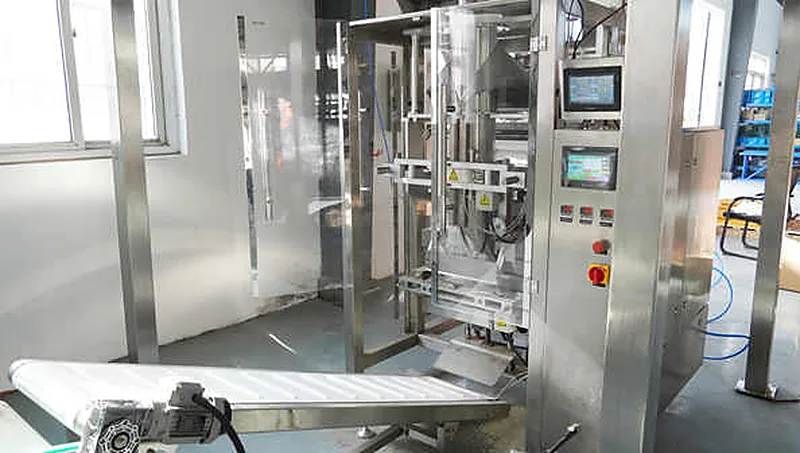
Two Families Of Bag
Every pack you can make falls into one of two groups: bags formed from roll film on the machine itself, and premade bags bought in and fed to the machine. That single distinction decides the machine family, the packaging cost per unit and how the pack looks on a shelf.
Formed bags are cheaper per pack because you are buying film by the roll. Premade bags cost more per pack but they can be shaped, zipped, spouted and printed in ways that a formed bag cannot.
Formed Bags From Roll Film
- The published bag styles across our bag-making machines are pillow bag (back sealed), hanging hole bag, punching hole bag, pin bag, box bag, four-side seal bag and envelope bag.
- A pillow bag is the cheapest and fastest. The film is folded round a forming shoulder, sealed down the back, filled and sealed across. Almost anything free-flowing runs on it.
- A four-side seal bag uses two webs of film and seals all four edges. It presents better than a pillow bag and it suits flat products and sachets, at some cost in speed and film.
- Box bags and gusseted styles stand up better on a shelf without moving to a premade pouch, which is often the right compromise for a mid-volume food product.
Premade Bags Fed To The Machine
The published premade formats are self-supporting (stand-up) bags, handbags, zipper bags, four-side sealed, three-side sealed, back sealed, paper bags, M bags, envelope bags, five-side, six-side and eight-side sealed bags, spouted bags and shaped bags, in composite film or PE.
The machine picks the bag from a magazine, opens it, blows it, supports it, fills it, seals it and codes it. Nobody touches the bag.
The critical variable is bag consistency. A premade bag machine is far more sensitive to bag quality than to product quality, so hold your bag supplier to a written dimensional tolerance.
Woven And Kraft Bags For Heavy Packs
Above 10 kg the pack is usually a woven polypropylene sack or a kraft paper bag. Closing methods differ: woven bags are hem-seamed or sewn, kraft bags are heat sealed, seam sewn or closed with viscose wrapping paper, and composite or plastic bags are heat sealed.
Sewn closures survive site handling better than heat seals on woven material. Heat sealing gives a dust-tight closure that sewing does not, which matters for fine powders.
FIBC And Ton Bags
From 500 kg to 2000 kg the pack is an FIBC. The variables here are loop type, spout diameter and whether there is a liner. All three change the hook arrangement and the de-dusting seal at the filling head, so send the FIBC specification with your enquiry.
Choosing By Cost
Work out the cost per pack, not the cost per thousand bags. Take the film or bag cost, add the labour per pack and add the giveaway per pack. On a high-volume industrial product roll film wins nearly every time. On a retail product where the pack sells the goods, the premade pouch usually pays for itself in shelf presence.
The volume at which the answer flips is normally somewhere between one and three million packs a year, but it depends far more on your selling price than on your machine.
Machines Referenced In This Guide
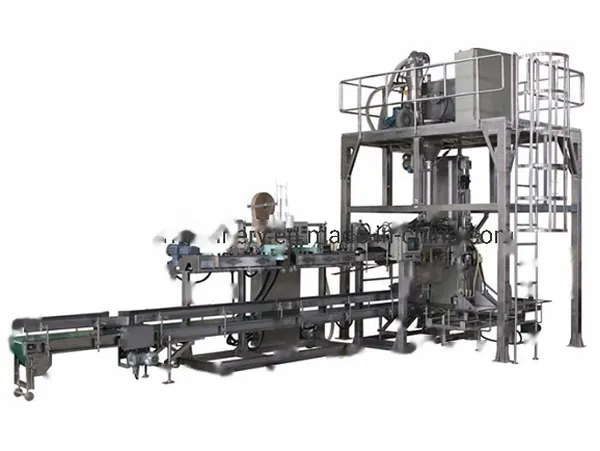
HN series automatic bag-making and packing machine
Sugar Salt Powder Bagging/Weighing/Packaging /Filling/ Packing Machine
View machineHN-GP6-200 series automatic feeding bag packing machine
This unit is composed of automatic feeding machine (Z elevator), automatic weighing machine (combination scale, electronic sc...
View machine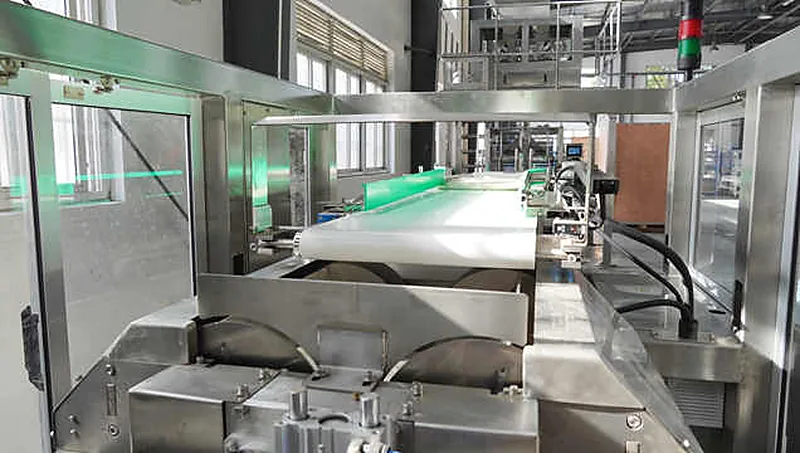
HN-P320 Series Measuring Cup full-automatic bag-making and packing machine
The unit is composed of automatic mixing, measuring cup type metering machine, automatic bag making and filling packaging mac...
View machine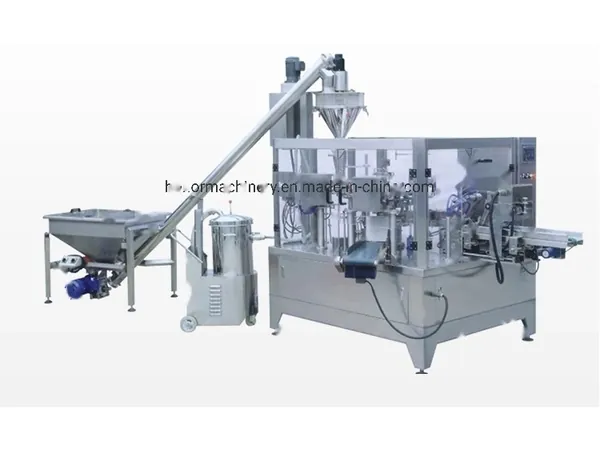
Bag Packing Machine
Automatic premade bag rotary packing machine for powder
View machineRelated Guides
How To Choose A Packing Machine
The eight questions that decide the machine before price ever comes into it.
Process GuidePacking Accuracy Explained
Why a machine rated at 0.2% can still give you 1% giveaway, and what to do about it.
ComparisonForm Fill Seal Versus Premade Bag Machines
Bag cost versus shelf appeal, and the volume at which the answer flips.
Bag Types For Packing Machines FAQ
Questions buyers ask before they order. If yours is not here, message us and an engineer will answer.
Can one machine run several bag styles?
What film width do I need?
Do you supply the film or the bags?
Apply This To Your Own Line
Send the product, the pack weight and the output and we will tell you exactly how this guidance applies to your case.
Send a drawing, a bag sample photo or a video of your current line on WhatsApp or by email — that is usually enough for us to quote.