
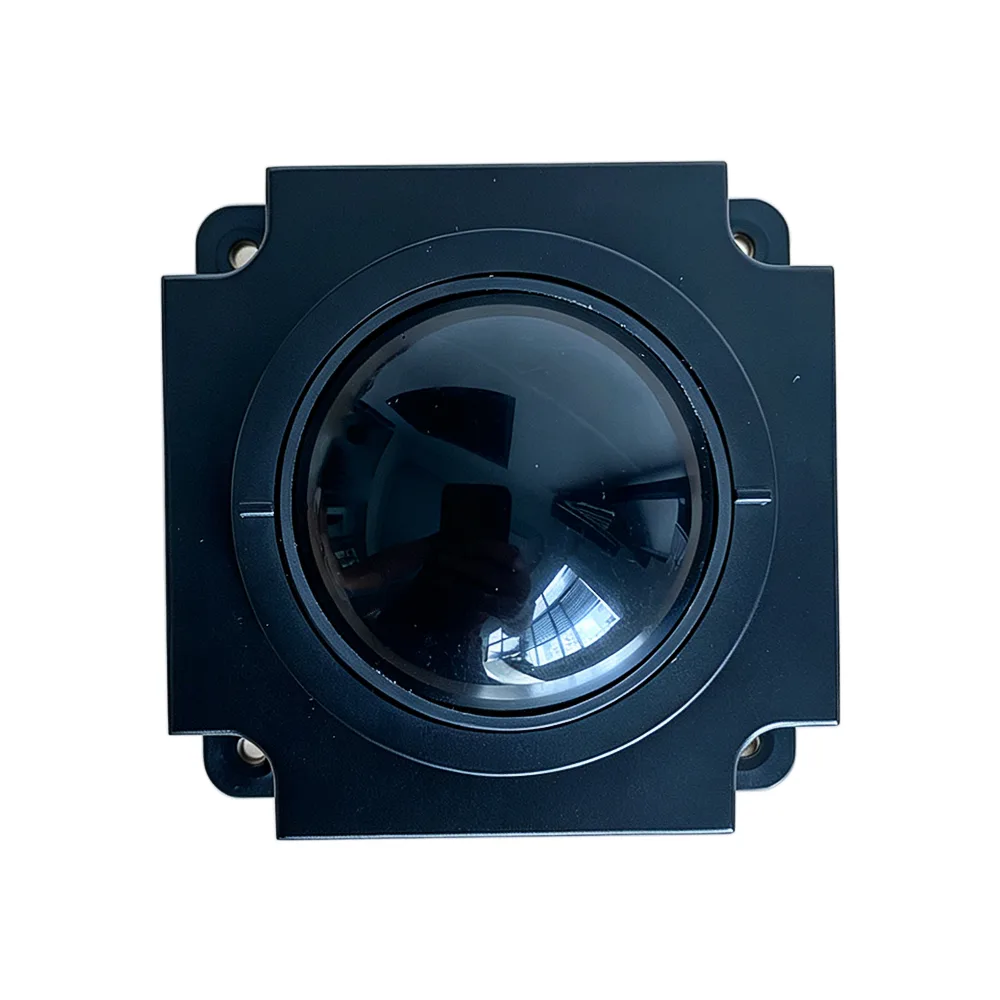
Industrial Keyboard and Mouse Types Standards and Sourcing
What Makes an Input Device Rugged
Industrial keyboards and mice are designed for environments that destroy commercial hardware: factories, construction sites and outdoor locations. They are built from materials that resist dust, dirt, water and temperature extremes, and they also have to tolerate the shocks and vibration that come with industrial equipment. Vibration in particular is often overlooked at specification stage and is a common cause of connector and solder-joint failure on hardware never designed for it. When comparing options, look for evidence the device has been built for mechanical stress as well as for contamination, since the two requirements need different design responses.
Sealing Technology and Service Life
Sealing is the most important single feature of these devices. They are typically sealed with a rubber or silicone material that keeps dust, dirt and water out of the keyboard or mouse. The result is a longer service life and reliable operation even in the most demanding settings, because the dominant failure mode for input devices in dirty environments is contamination reaching the contacts. A good seal removes that failure path rather than delaying it. It also changes the maintenance routine: a sealed device can be cleaned properly and often, instead of being treated carefully and cleaned rarely.
Durability and Added Features
Durability is the second defining property. These devices are built to take constant use and rough handling in busy industrial settings, using materials that resist scratches, impacts and other damage. Beyond survival, some units add features that make them genuinely more useful on the floor: backlighting for low-light work, programmable hotkeys to map a frequent command to a single press, and integrated touchpads that remove a separate pointing device from the workstation. Those features are worth specifying deliberately rather than accepting whatever a stock model happens to include, because each one addresses a specific operator problem.
Standards Referenced on Datasheets
Industrial keyboards and mice are described against several standards families for ruggedness and durability. IP grades describe sealing against solids and liquids. NEMA grades are the North American enclosure rating system and appear frequently on equipment specified for US installations. MIL-STD references describe military-derived environmental and robustness requirements now used commercially. When a datasheet lists a standard, ask which specific rating level applies and to which part of the device, since a keyboard sealed to a given IP level with an unsealed cable gland or pointing device is not sealed to that level in practice.
The Four Main Product Types
Sealed keyboards and mice are waterproof and dustproof, suiting wet and dusty settings such as factories and mines, and they are easy to clean and disinfect, which extends them to healthcare. Sealed mice are designed for glove use with larger, more pronounced buttons. Rugged keyboards and mice are built for high impact, vibration and shock and are used in military, aerospace and security work where reliability is critical. Backlit units have illuminated keys for low-light settings such as data centres and server rooms, with backlit mice using LEDs around the edge to improve visibility. Wireless keyboards and mice use radio frequency communication, removing cables that create trip hazards or get damaged by heavy use.
Where They Are Deployed
Industrial input devices are what operators, supervisors and engineers use to run machinery, monitor processes and control production. On manufacturing and assembly lines they control machines, conveyors and the line itself, letting workers enter data and manage processes. In medical and healthcare settings they are used in hospitals, clinics and laboratories, where the sealing that keeps out dust also allows proper disinfection. Beyond keyboards, the pointing side of the category includes optical and laser mice that track on almost any surface, along with film keyboards and mechanical keyboards using Cherry MX switches.
Sourcing a Manufacturer in China
There are four practical routes to finding a supplier. Online sourcing platforms such as Alibaba, Made-in-China and Global Sources list manufacturers and suppliers. Trade fairs and exhibitions held in China each year let you meet manufacturers and discuss requirements face to face. Referrals from industry contacts or business associates who already import are often the most reliable route. Independent research into reviews and feedback from other customers fills in the gaps. Use more than one of these rather than relying on a single platform listing, which tells you very little about delivery performance.
Evaluating a Supplier and Agreeing Terms
Five criteria decide a supplier. Quality, meaning a working quality control system and products that meet international standards. Experience, specifically years of producing industrial keyboards and mice rather than general electronics. Price, compared across several quotes. Lead time for production and delivery, checked against your own schedule. Communication, since a supplier who cannot understand your requirements will deliver something other than what you specified. On quantity, minimum order quantities vary by manufacturer and product; they differ widely, with some offering lower minimums on custom products and others setting higher minimums on standard lines. Discuss and negotiate this directly.
Products Mentioned
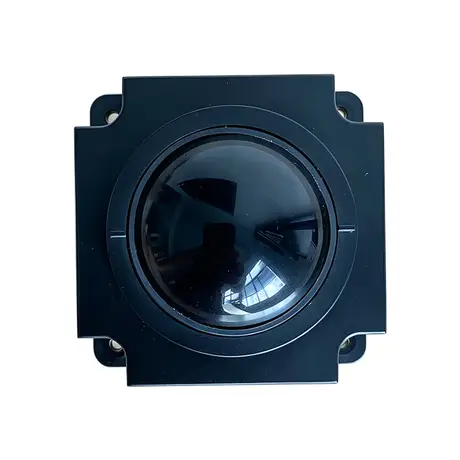
Industrial 50mm Trackball Module KY-MS-MH50-BRS-A
View Specification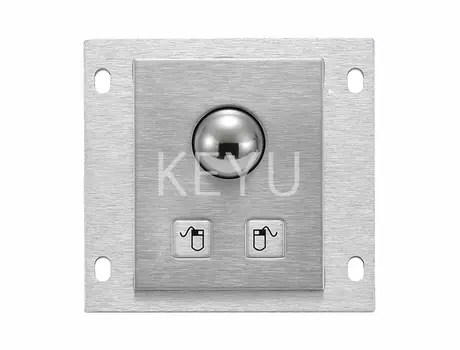
KY-PC-25G 25mm Metal Trackball Module With Two Keys
View Specification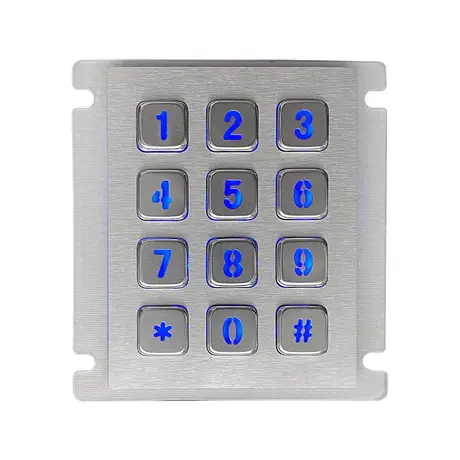
12 Key Industrial Backlight USB Keypad KY2068A-LED
View Specification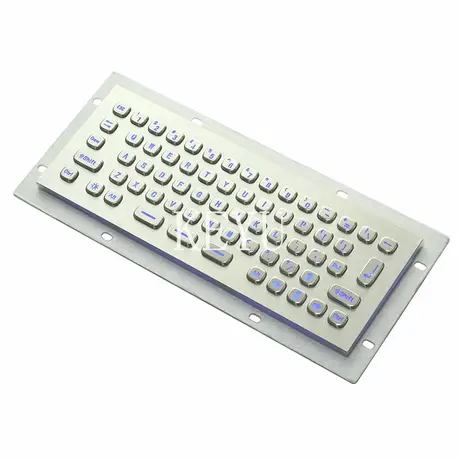
KY-PC-MINI-LED Backlit Metal Keyboard With SUS304 Panel
View Specification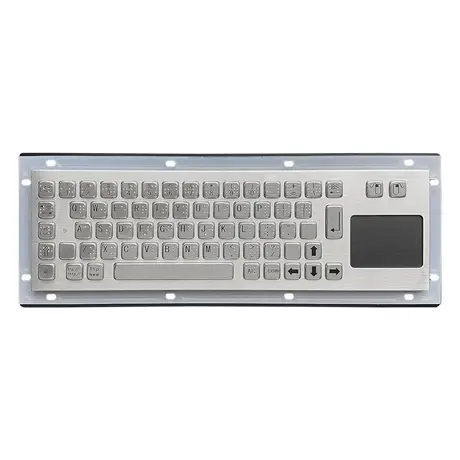
67 Key Metallic Keyboard With Braille KY-PC-NT3 BR
View Specification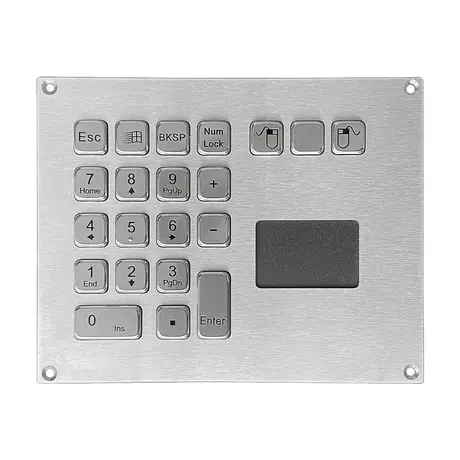
IP65 Mini Keyboard With Trackpad KY-PC-VG160T
View SpecificationRelated Ranges
Questions On This Topic
What is the most important feature to check?
Which standards apply to industrial keyboards and mice?
What is a typical minimum order quantity?
How do I find a reliable manufacturer in China?
Put This Into A Specification
Send us the application and we will tell you which of these choices actually matter for your terminal.