The problem with one sensor
A controller reads one point and heats the whole room to suit it. If the room is stratified — warm air at the ceiling, cold air pooling at the inlet — then the pen next to the sensor is comfortable and the pen at the far end is not.
Nothing in the ventilation system fixes this, because ventilation is about exchanging air with outside, not about mixing the air already inside.
What a recirculation fan does
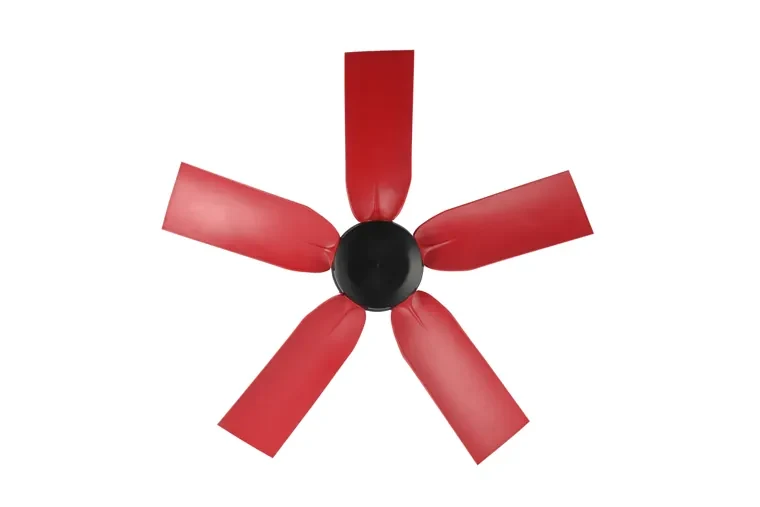
It stirs the room. It does not bring fresh air in or push stale air out; it moves what is already there so the room behaves like one air space and the controller's reading applies everywhere.
There is a second benefit in a heated room: warm air collecting at the ceiling is heat you have already paid for. A recirculation fan puts it back down where the animals are, instead of letting it be ventilated away.
Positioning
Circulate along the length of the room rather than across the pens, so air travels rather than swirling in one bay. In rooms with a known dead corner — often at the end of a row or above a walkway — a compact spot fan is the proportionate fix, rather than re-designing the ventilation.
Let the partitions help
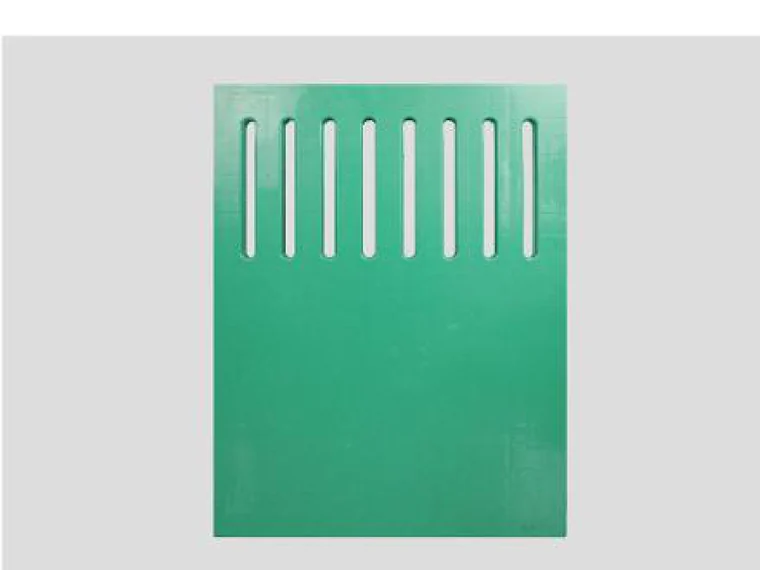
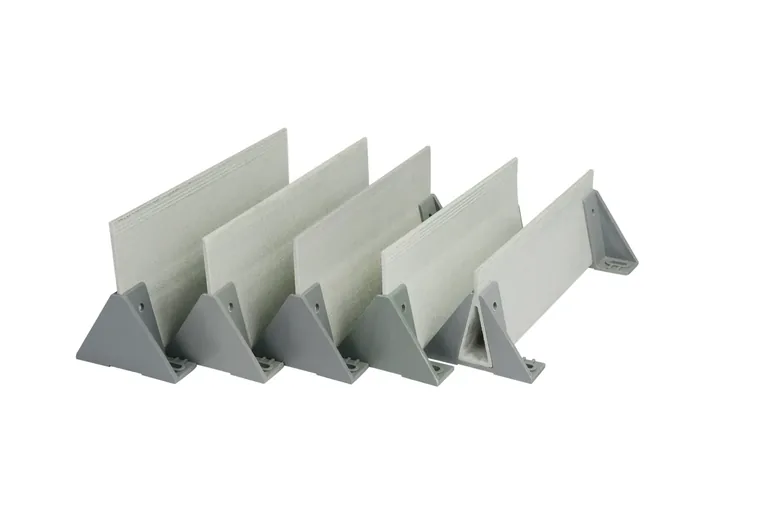
Vented pen partitions matter here. A room ventilated as one air space, then divided by solid panels, will develop dead pockets behind each one. Vented panels between pens keep the designed air pattern intact; solid panels belong at room boundaries where all-in/all-out separation is the point.
Maintenance is the whole story
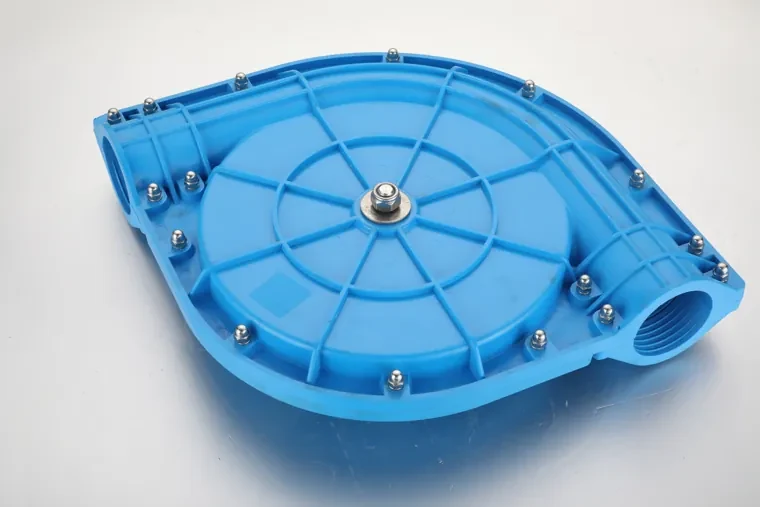
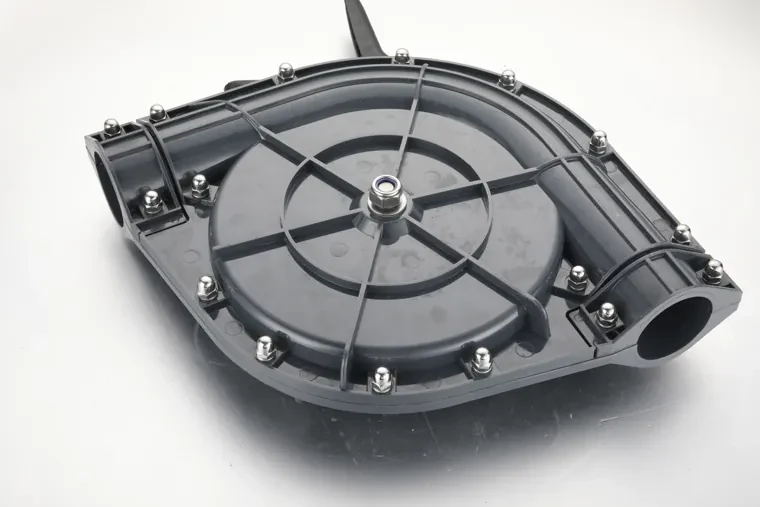
A ventilation fan in a pig house is washed with everything else, so the housing has to be sealed and washable. Do not leave fans out of the cleaning routine because they are awkward — a dirty impeller is an unbalanced impeller.
Vibration is the warning. It means a chipped blade or a failing bearing, and changing a balanced impeller early costs a fraction of a new fan. One spare impeller per room type is normal practice in farrowing houses, where a fan down in cold weather has an immediate cost in piglets.
Commissioning check
After installation, walk the room with a thermometer at animal height — not at the controller. Check the far pen, the corner behind the door and the bay under the inlet. If those three read within a degree of the sensor, the mixing is working.