
Ultrasonic Material Recognition Explained
Different materials send back a different wave. That difference is the measurement.
The mechanism
An ultrasonic material identification sensor works on the reflection characteristics of ultrasonic waves. When the emitted sound wave meets different materials, the frequency and amplitude of the reflected wave vary. The sensor captures those signals and analyses them to distinguish materials such as metals, plastics and wood.
Why non-contact matters
Nothing touches the target, so nothing wears and nothing is marked. On a sorting line that means no consumable probe; in a consumer product it means no mechanism to fail.
Where it is used
Industrial sorting and quality inspection are the broad fields. Two specific scenarios recur: material recognition in sweeping robots, and distinguishing a single sheet of paper from two.
What limits it
The two materials have to differ acoustically. Surface geometry matters too - a flat perpendicular face returns the strongest echo, while curved or tilted surfaces scatter part of the wave and shorten the usable stand-off. Send us the material pair and the geometry before you design the mounting.
Sensors referenced in this article
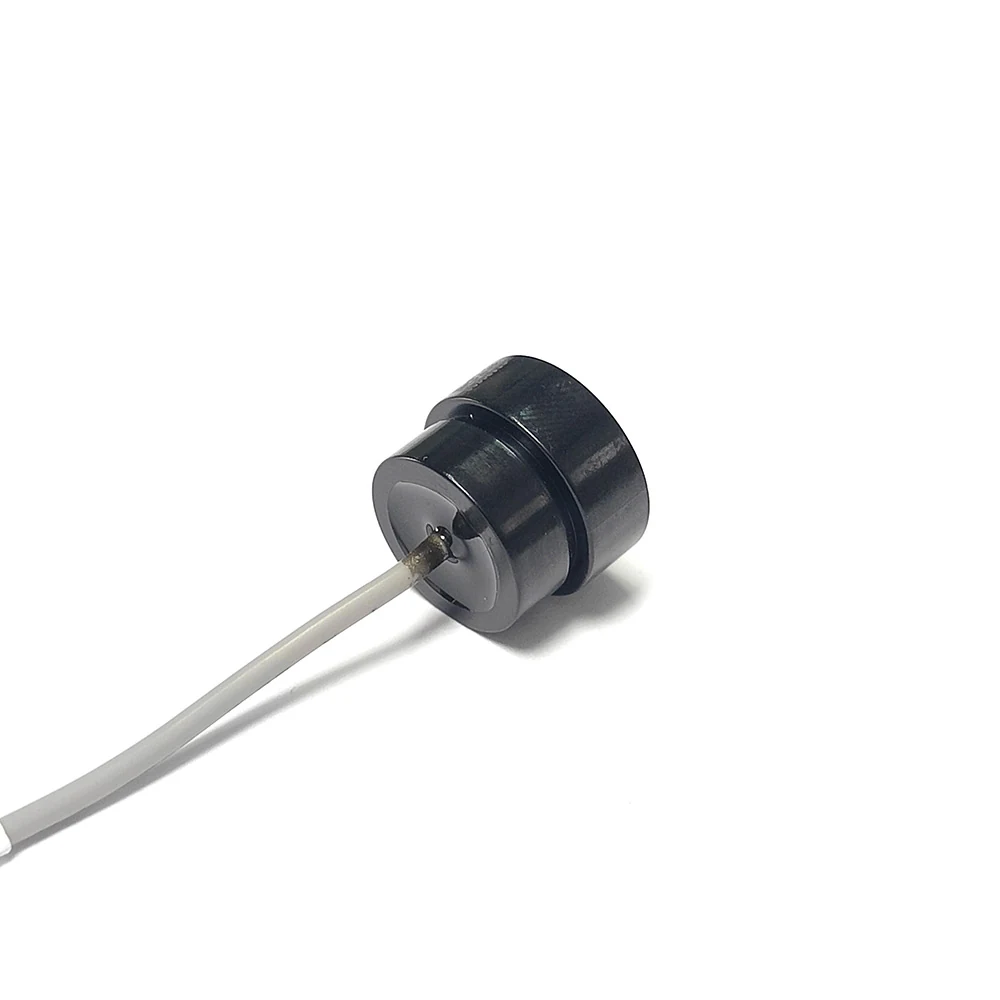
Ultrasonic Material Recognition Sensor 1
A reflection-type ultrasonic transducer that reads back the change in frequency and amplitude of the returned wave, so metal, plastic and wood separate cleanly without any contact with the target.
View specifications →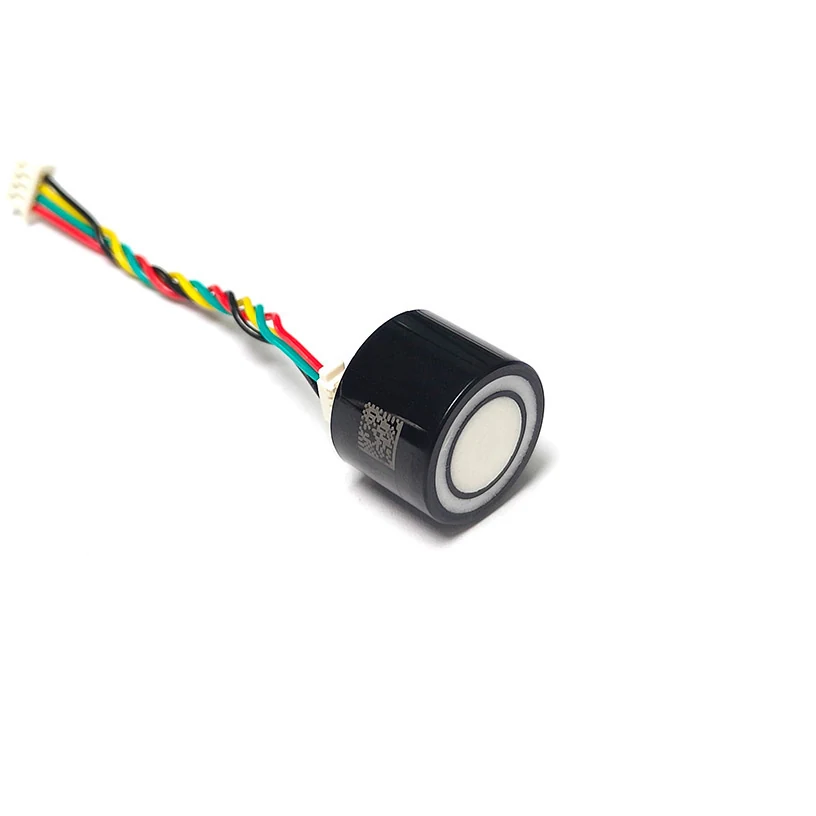
Ultrasonic Material Recognition Sensor 2
The same reflection-type sensing element supplied on a twisted, colour-coded harness with a pitch connector already fitted, so it drops straight onto a board-level mating header.
View specifications →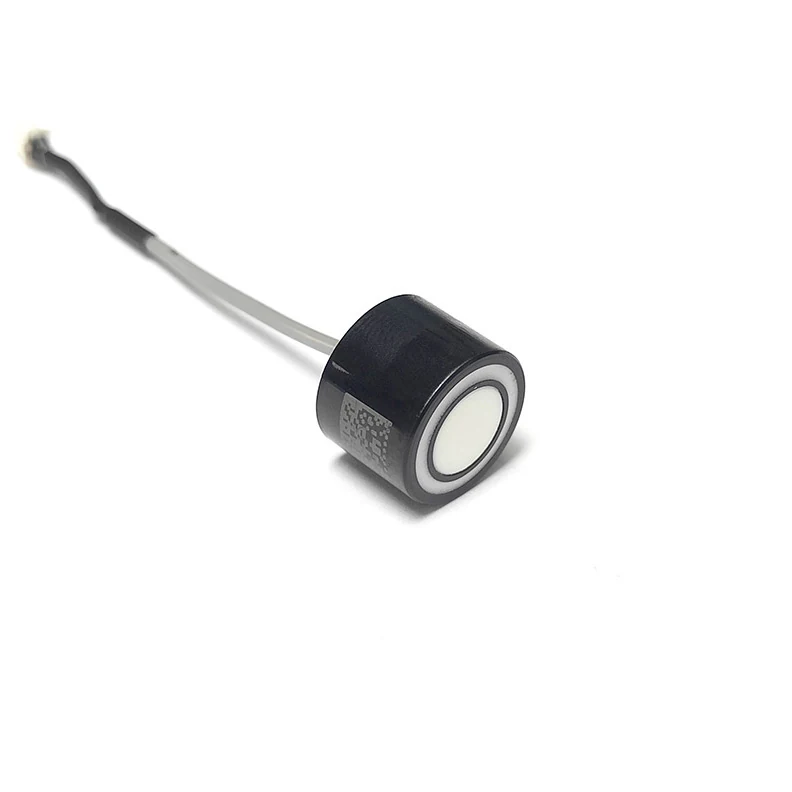
Ultrasonic Material Recognition Sensor 3
A short-body reflection transducer with a fine centre-exit lead and micro connector, so it seats in a shallow boss and routes straight back to the board.
View specifications →Apply this to your own design
Send the medium, the path and what you need to resolve, and we will tell you which transducer the article points at in your case.