
Choosing Between 1 MHz and 2 MHz Flow Transducers
A short path wants a short wavelength. A long or attenuating path wants the opposite.
The trade
Higher frequency means shorter wavelength, which means finer timing resolution over a given path - but also higher attenuation in the medium and less tolerance of anything that scatters the beam. Lower frequency carries further and survives a dirtier medium, at the cost of resolution.
When 2 MHz wins
Small-bore meters. The acoustic path is short, so attenuation is not the constraint, and the transit-time difference to be resolved is correspondingly small. More cycles across the same path gives the timing circuit more to work with.
When 1 MHz wins
Larger bores, longer paths, media that attenuate or scatter, and in-water ranging where the round trip is the measurement. A signal that arrives is worth more than a finer one that does not.
What to send us
Pipe bore, acoustic path length and angle, medium and expected cleanliness, flow range, and whether the instrument is battery powered. With those we can say which of the two transducers to sample.
Sensors referenced in this article
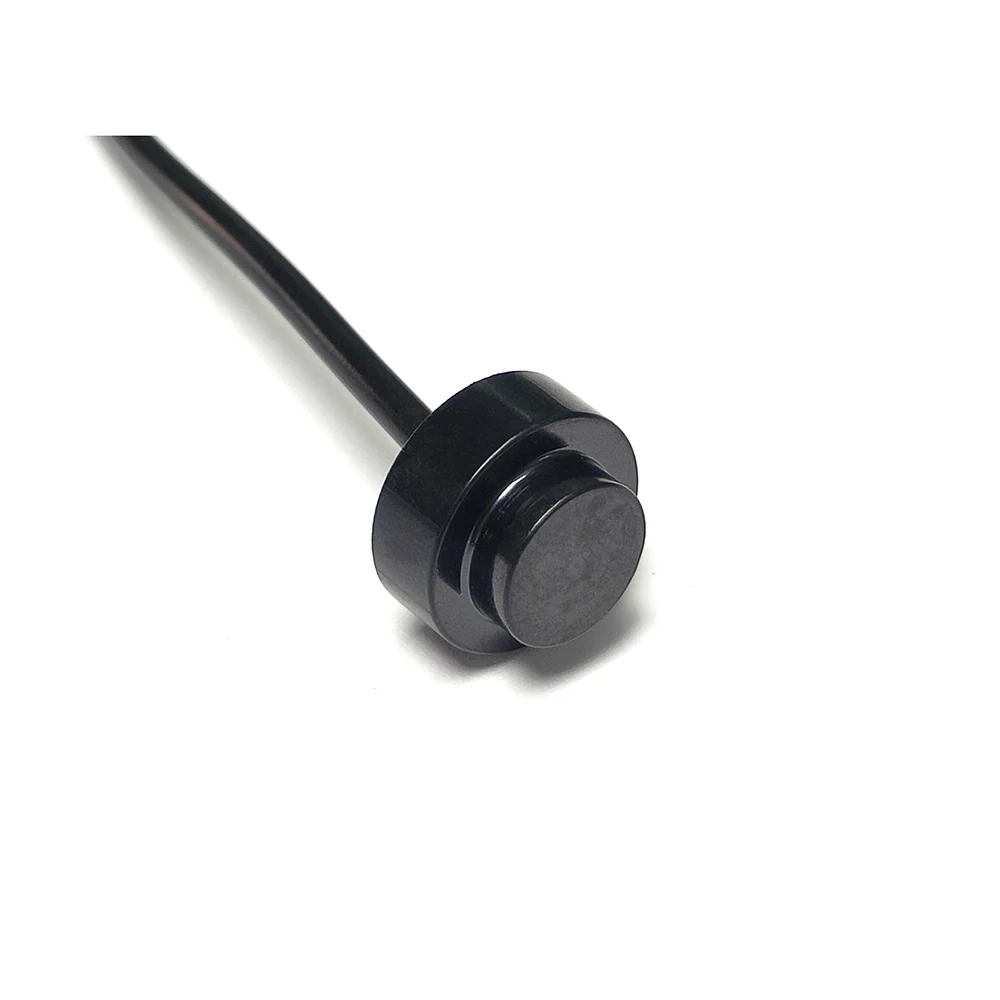
Ultrasonic Flow Sensor 1MHz
A 1 MHz transit-time transducer pair that starts up quickly and returns an easily identified signal edge, so the metering ASIC can lock onto the upstream and downstream arrival times without long averaging.
View specifications →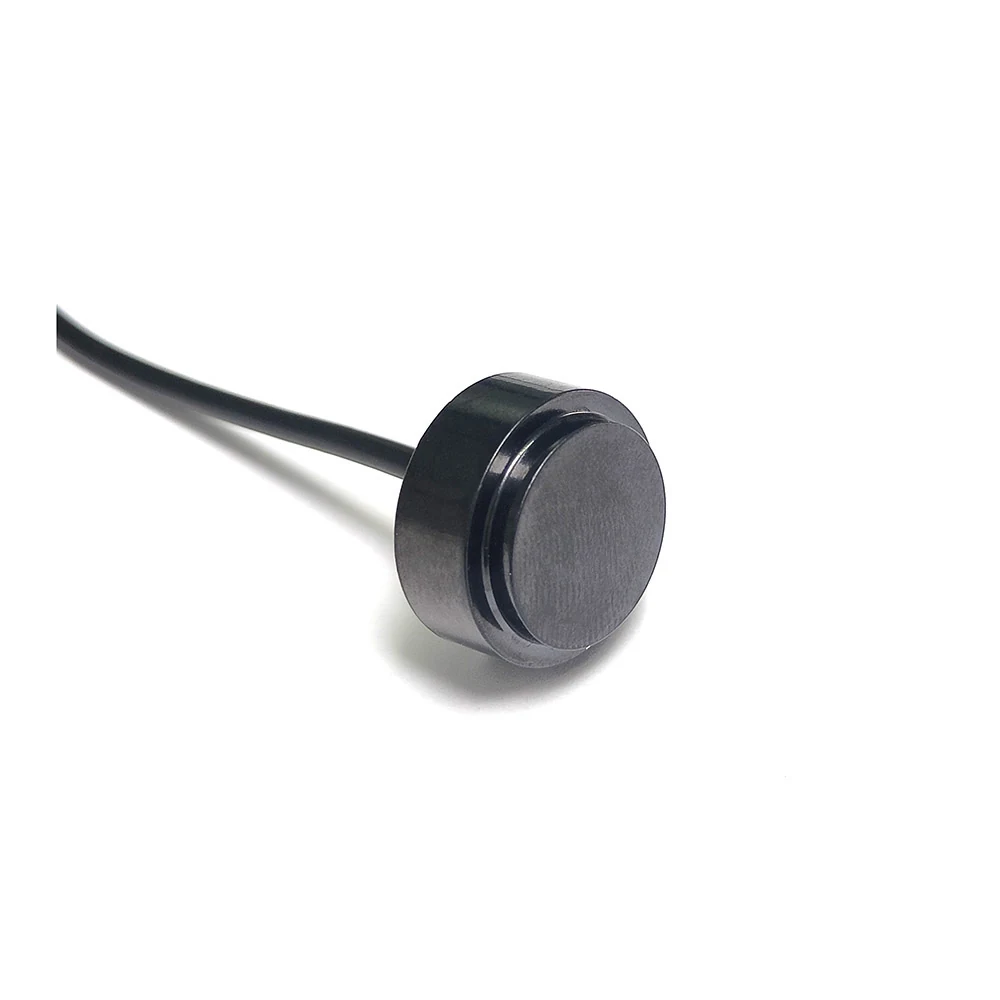
Ultrasonic Flow Sensor 2MHz
A 2 MHz transit-time transducer with a metal-faced housing: the shorter wavelength gives finer timing resolution on a short acoustic path, and the metal face takes the pressure and the wetted duty.
View specifications →Apply this to your own design
Send the medium, the path and what you need to resolve, and we will tell you which transducer the article points at in your case.