
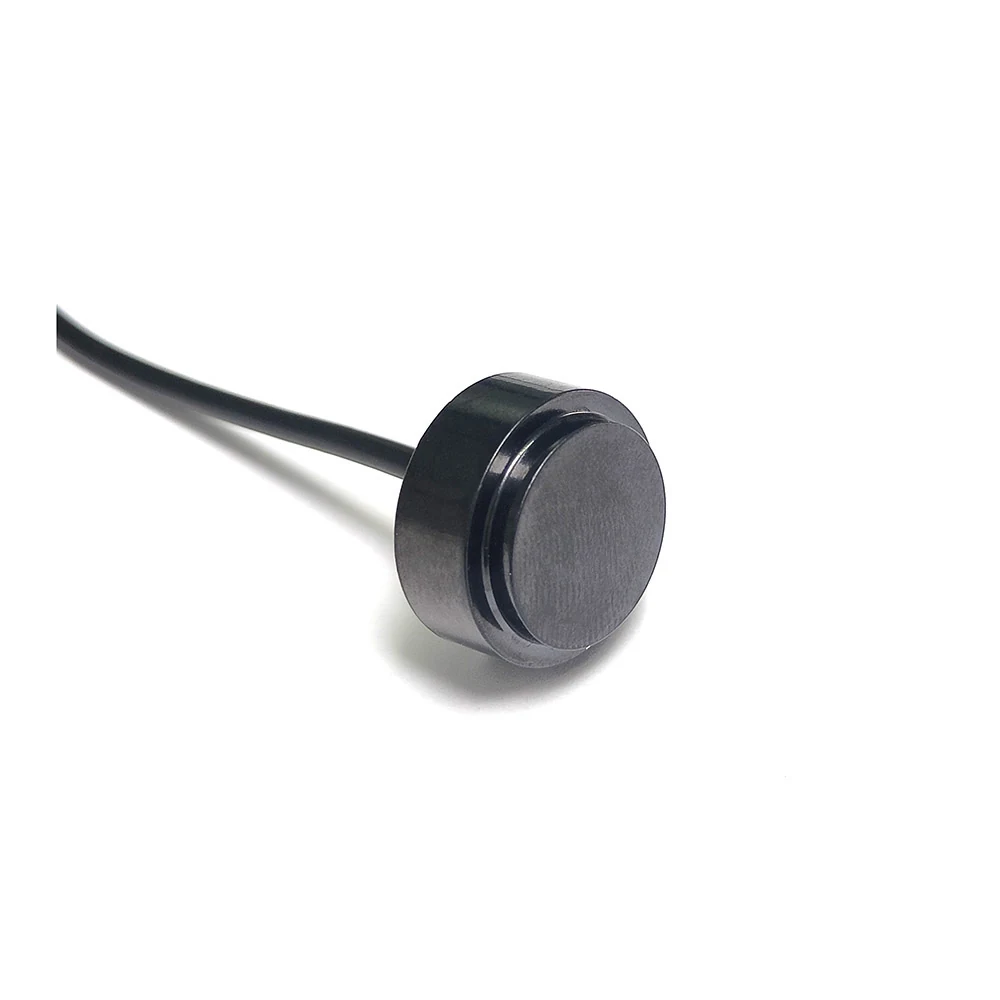
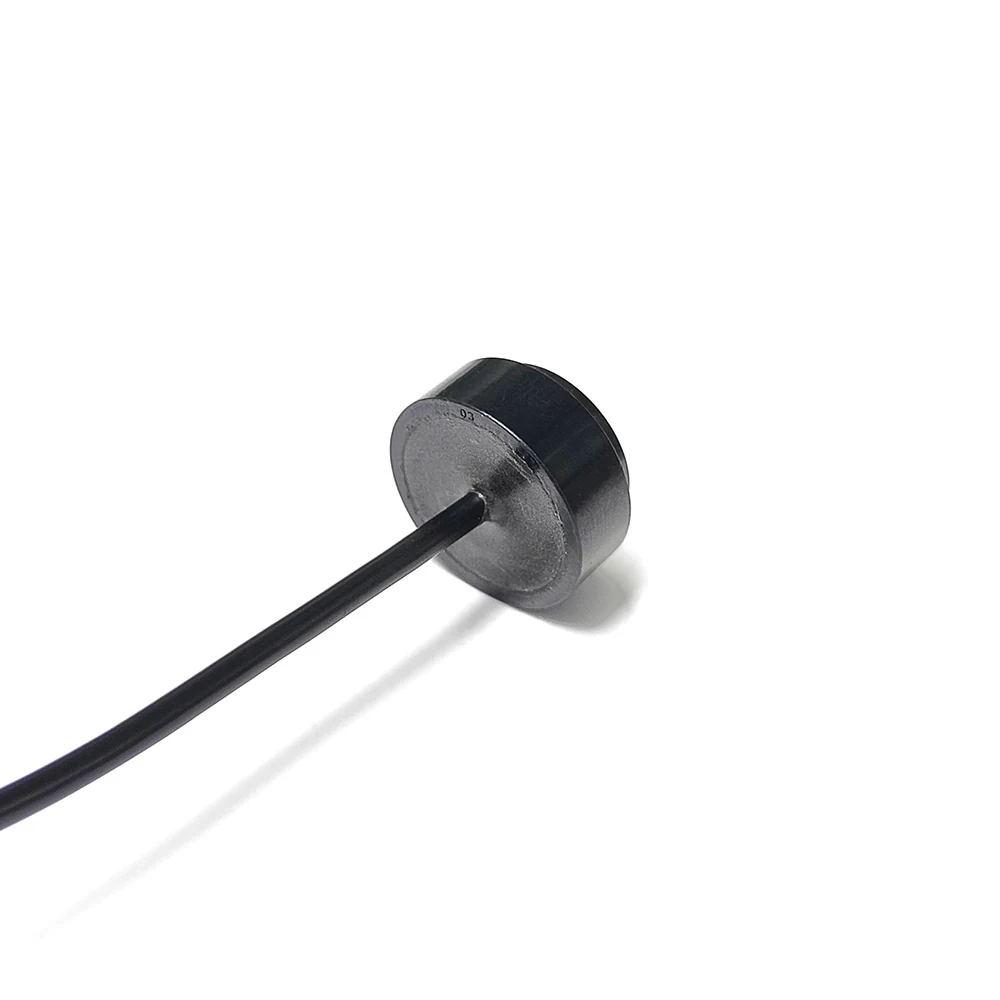
Ultrasonic Flow Sensor 2MHz
A 2 MHz transit-time transducer with a metal-faced housing: the shorter wavelength gives finer timing resolution on a short acoustic path, and the metal face takes the pressure and the wetted duty.
- High sensitivity
- It starts up quickly and the signal is easy to identify
The problem it solves. In a small-bore meter the two transit times differ by so little that a 1 MHz wavelength leaves the timing circuit guessing between one zero crossing and the next.
Ask for: operating frequency, dimensions, supply voltage, lead length and connector. These are confirmed per order against the current drawing.
Specifications
| Sensing principle | Transit-time; the propagation speed of sound changes with the flow velocity of the medium |
|---|---|
| Measured quantity | Time difference, phase difference or frequency change between co-current and counter-current directions |
| Nominal frequency | 2 MHz |
| Medium | Liquids, including water |
| Face | Metal face, polished, integrated into the housing |
| Lead | Single black lead wire |
| Pressure rating and dimensions | TBC - confirm with the engineering team |
Application scenarios
- Smart water meter flow monitoring
- Distance measurement in water
Why this configuration
- The shorter 2 MHz wavelength resolves smaller transit-time differences on a short path, which is what a domestic-bore meter has to work with.
- A metal face handles the wetted side without a separate window part in the flow body.
- Low-profile variant available where the transducer boss sits close to the meter electronics.
Questions engineers ask about this sensor
Why choose 2 MHz over 1 MHz?
Because the acoustic path is short. A shorter wavelength means more cycles in the same path and therefore finer timing resolution. On a longer or more attenuating path, 1 MHz is the better choice.
Is the metal face suitable for potable water?
Material certification for potable contact is confirmed per order - ask for the current material declaration when you enquire.
Do you supply the slim and the standard body from the same batch?
They are separate configurations. If you are evaluating both, ask for one of each so you can compare them on your own flow body.
Can this transducer be used for in-water ranging?
Yes, the same transit-time path is used for round-trip ranging. Resolution is finer than at 1 MHz, over a shorter usable range.
Application notes
Related sensors
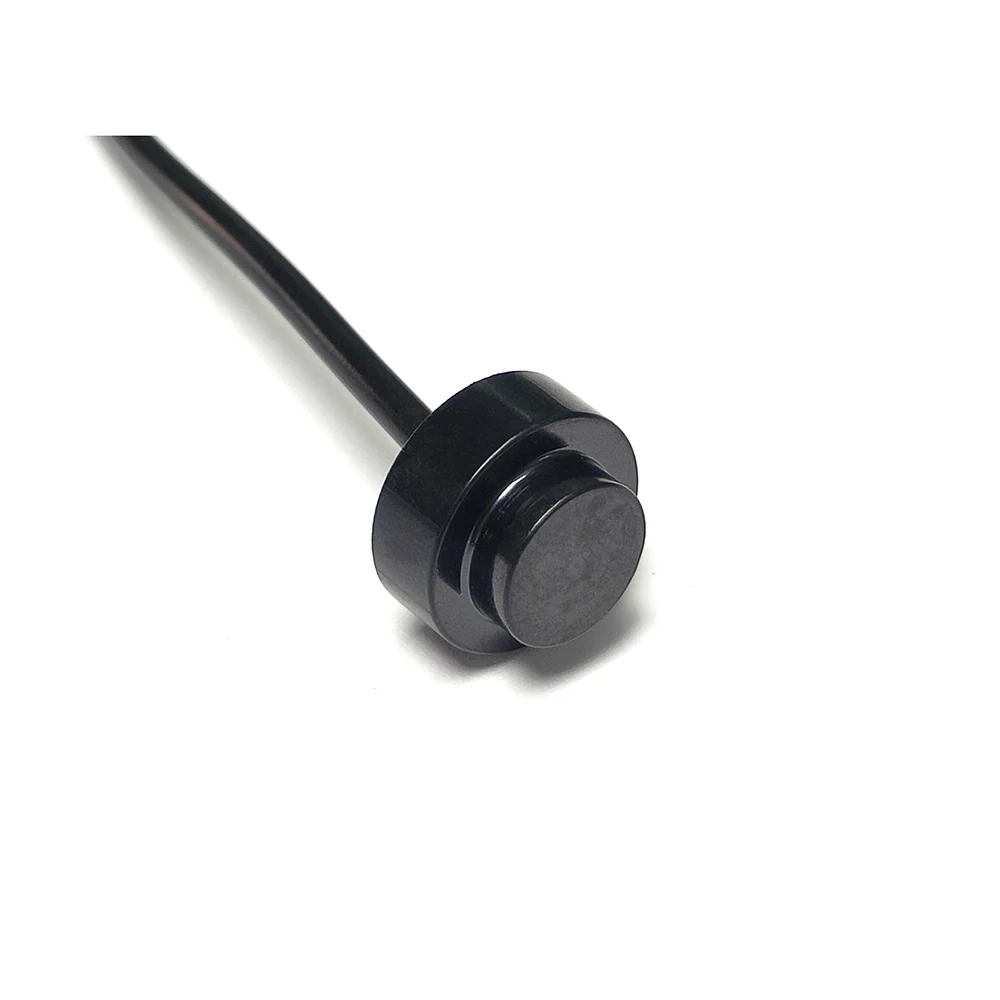
Ultrasonic Flow Sensor 1MHz
A 1 MHz transit-time transducer pair that starts up quickly and returns an easily identified signal edge, so the metering ASIC can lock onto the upstream and downstream arrival times without long averaging.
View specifications →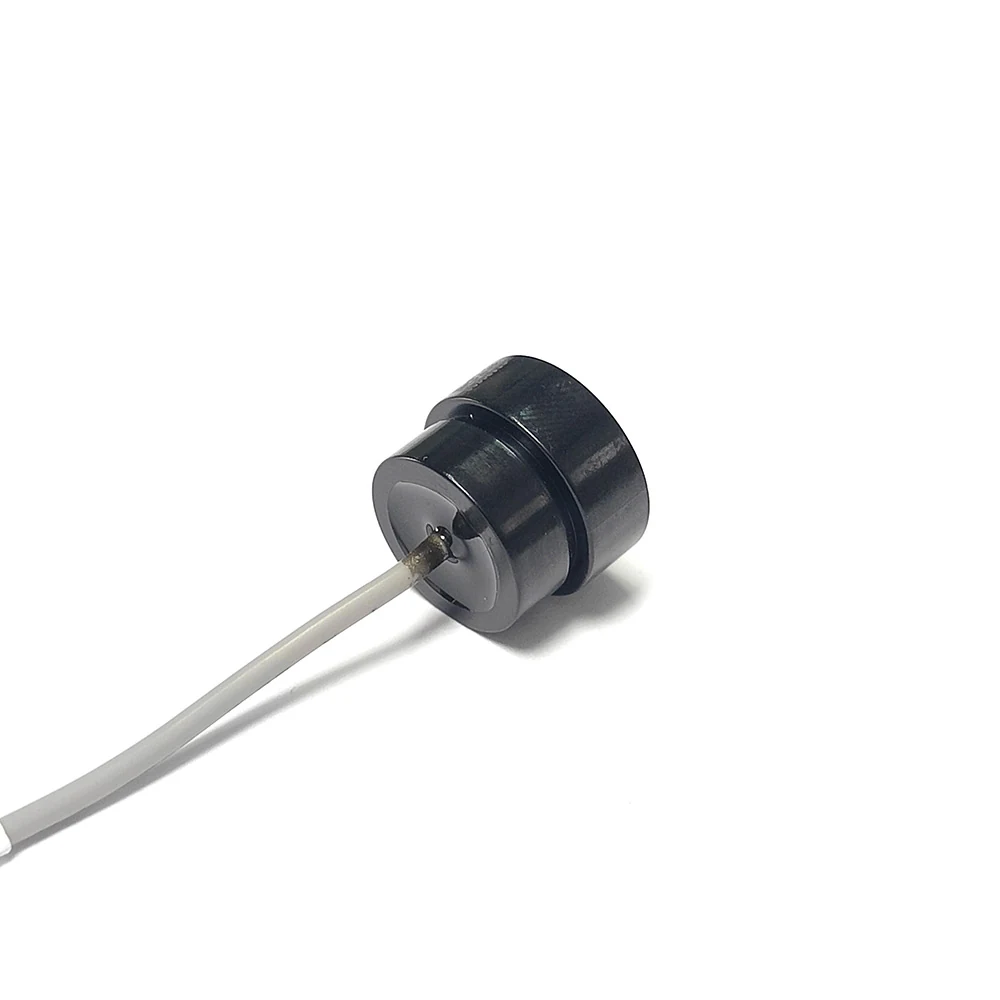
Ultrasonic Material Recognition Sensor 1
A reflection-type ultrasonic transducer that reads back the change in frequency and amplitude of the returned wave, so metal, plastic and wood separate cleanly without any contact with the target.
View specifications →Get the current drawing for this sensor
Tell us the medium, the path and the mounting boss. We will send the configuration that fits, with lead and connector specified.