
Ultrasonic Material Recognition Sensor 3
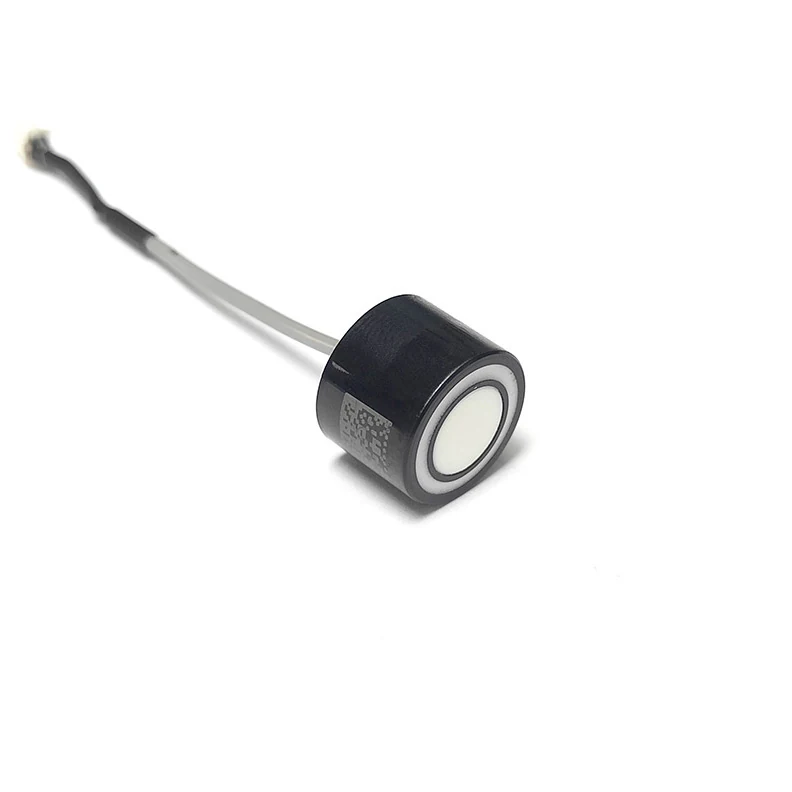
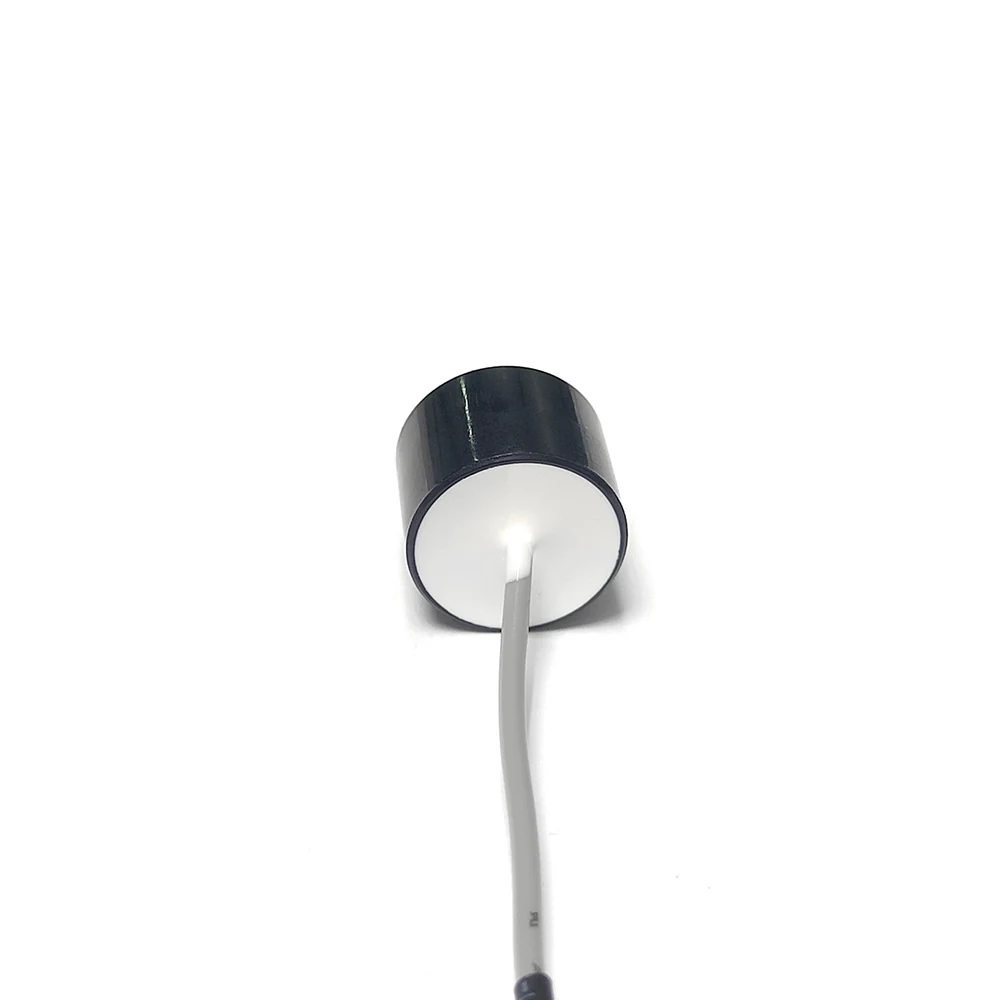
A short-body reflection transducer with a fine centre-exit lead and micro connector, so it seats in a shallow boss and routes straight back to the board.
- High sensitivity
- Good performance consistency
- High reliability
The problem it solves. Inside a compact appliance there is rarely room for a side-exit harness, and a stiff cable fights the mounting boss until the seal leaks.
Ask for: operating frequency, dimensions, supply voltage, lead length and connector. These are confirmed per order against the current drawing.
Specifications
| Sensing principle | Reflection of ultrasonic waves; frequency and amplitude of the reflected wave change with the material |
|---|---|
| Detection mode | Non-contact |
| Housing | Short cylindrical body, black, ceramic face flush to the front |
| Lead | Fine centre-exit lead with micro connector |
| Operating frequency | TBC - confirm with the engineering team |
| Dimensions | TBC - confirm with the engineering team |
| Supply voltage | TBC - confirm with the engineering team |
Application scenarios
- Material recognition of sweeping robots
- Distinction between single and double sheets of paper
Why this configuration
- Short body suits shallow mounting bosses where a longer housing would foul the chassis.
- Centre-exit lead keeps the cable inside the footprint of the sensor, so the seal is a simple O-ring face.
- Full-face ceramic aperture keeps the emitted beam symmetrical about the mounting axis.
Questions engineers ask about this sensor
How shallow a mounting boss can this fit?
The body is the shortest in the material recognition family. Send us your boss depth and diameter and we will confirm fit against the current drawing.
Is the fine lead robust enough for a moving robot?
The lead is specified per application - for a chassis that moves, we normally supply a longer lead with a service loop and a strain relief at the exit. State the travel in your enquiry.
Does the flush ceramic face need a protective grille?
That depends on what the face will see. In a floor-cleaning robot a recessed mounting normally does the job. We will review your mounting drawing with you.
Can I evaluate all three material recognition sensors together?
Yes. Ask for a comparison set and state the material pair you need to separate.
Application notes
Background reading
Related sensors
Ultrasonic Material Recognition Sensor 1
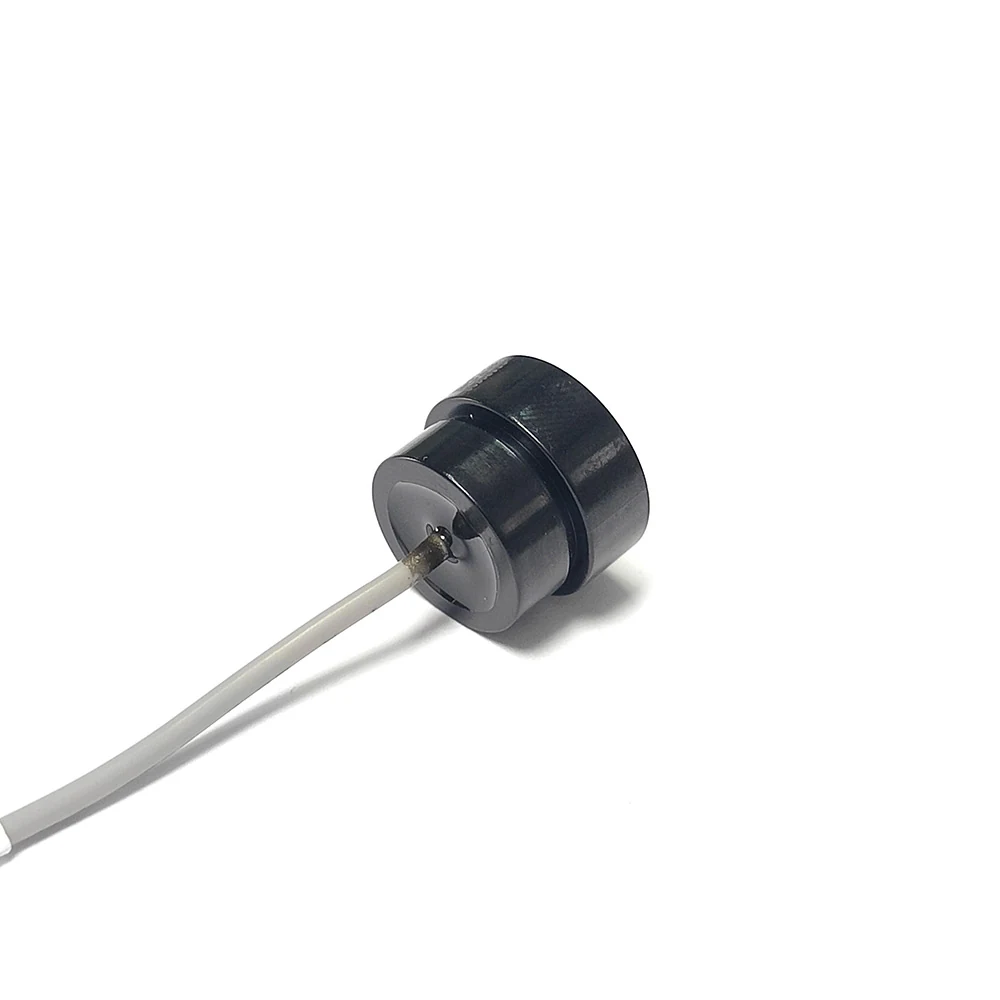
A reflection-type ultrasonic transducer that reads back the change in frequency and amplitude of the returned wave, so metal, plastic and wood separate cleanly without any contact with the target.
View specifications →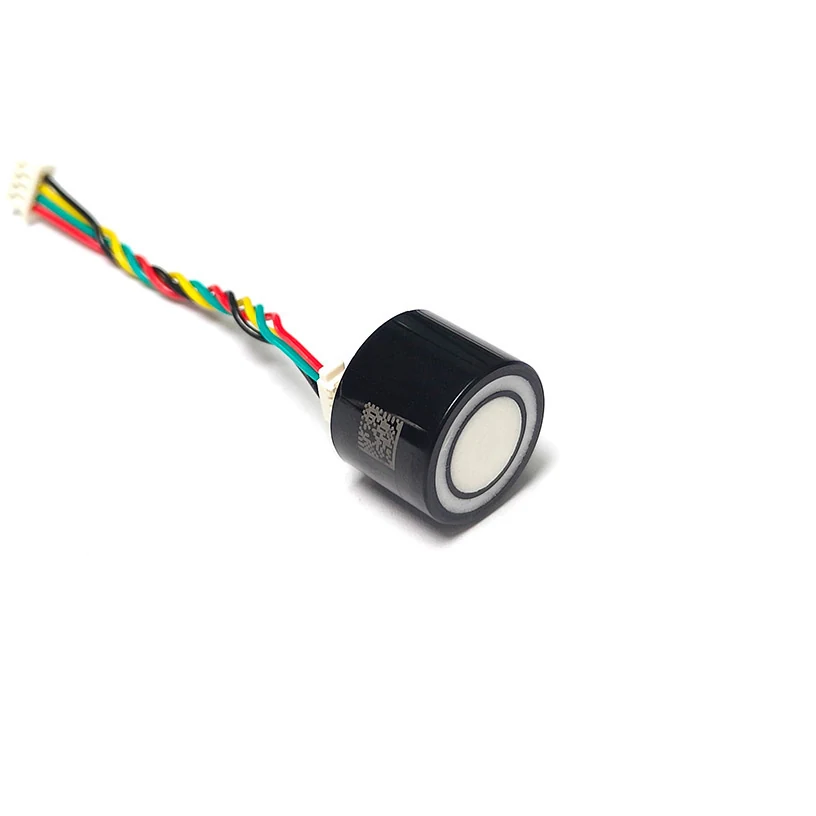
Ultrasonic Material Recognition Sensor 2
The same reflection-type sensing element supplied on a twisted, colour-coded harness with a pitch connector already fitted, so it drops straight onto a board-level mating header.
View specifications →Get the current drawing for this sensor
Tell us the medium, the path and the mounting boss. We will send the configuration that fits, with lead and connector specified.