
How Transit-Time Ultrasonic Flow Measurement Works
Sound travelling with the current arrives sooner than sound travelling against it. Everything else in a static flow meter is arithmetic.
The principle
An ultrasonic flow sensor measures flow from the propagation characteristics of sound in a fluid. When sound propagates through a flowing medium, its propagation speed changes under the influence of the fluid's flow velocity. Detect the time difference, phase difference or frequency change between the co-current and counter-current directions, and the flow velocity - and from it the flow rate - can be calculated.
Why it needs acoustics, electronics and firmware together
A working instrument integrates acoustic principles, electronic technology, single-chip microcomputer systems and sensor design. The transducer is only one layer, but it is the layer that sets what the other three have to work with: a soft or late echo cannot be recovered by better arithmetic.
What the transducer contributes
Two properties dominate. Start-up time decides how much of the transmit burst is wasted before useful signal appears. Edge identifiability decides how much averaging the timing circuit needs before the reading is stable. Both are device properties, fixed when the element and its matching are designed.
Liquids and gases are not the same problem
Into a liquid, sound couples reasonably well, and frequencies of 1 to 2 MHz are practical. Into a gas the impedance mismatch is severe and the attenuation is high, so gas transducers run far lower - 200 kHz is a typical working point.
Sensors referenced in this article
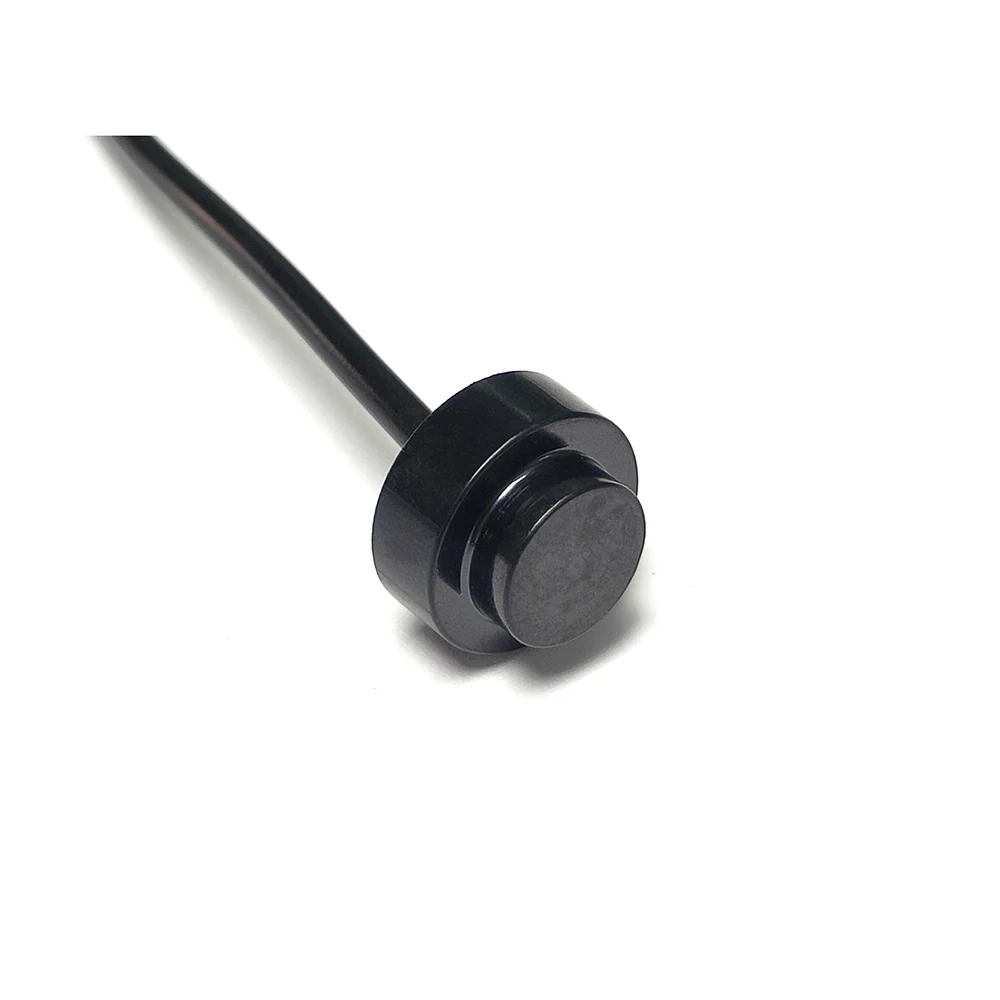
Ultrasonic Flow Sensor 1MHz
A 1 MHz transit-time transducer pair that starts up quickly and returns an easily identified signal edge, so the metering ASIC can lock onto the upstream and downstream arrival times without long averaging.
View specifications →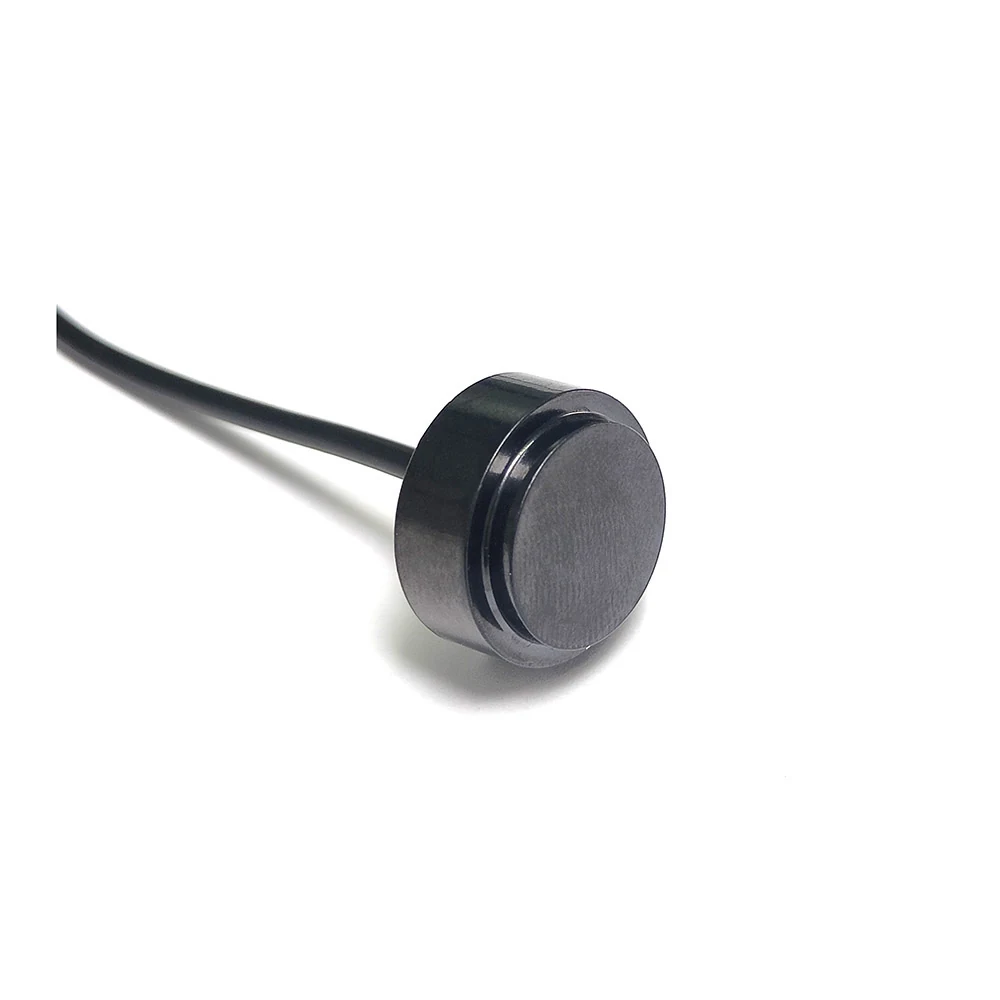
Ultrasonic Flow Sensor 2MHz
A 2 MHz transit-time transducer with a metal-faced housing: the shorter wavelength gives finer timing resolution on a short acoustic path, and the metal face takes the pressure and the wetted duty.
View specifications →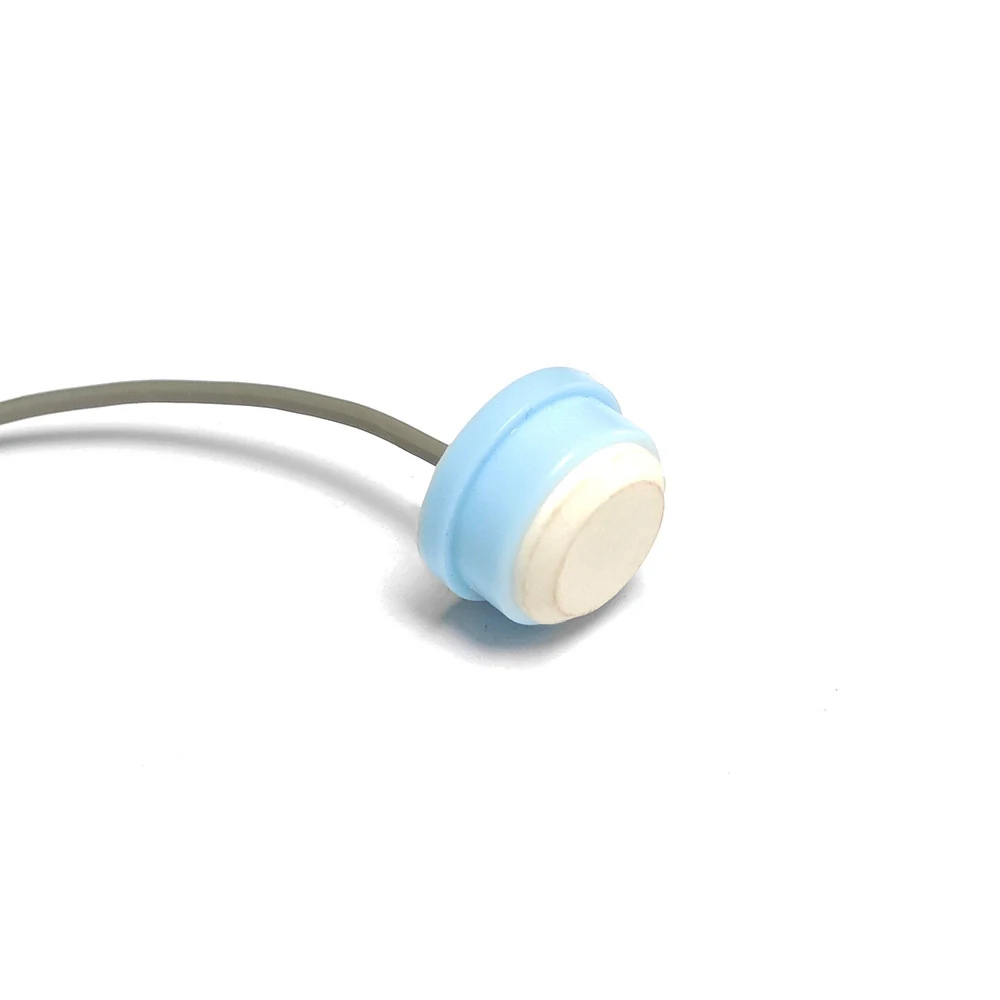
Ultrasonic Gas Flow Sensor 200KHz
A 200 kHz transducer matched to a gas load, measuring transit time across the duct so the meter has no moving part, low pressure loss and a wide range ratio, while resisting chemical corrosion from the medium.
View specifications →Apply this to your own design
Send the medium, the path and what you need to resolve, and we will tell you which transducer the article points at in your case.