
What to Send Us When You Request a Quotation
The acoustic problem, not the part number. Six answers turn an enquiry into a real recommendation.
Start with the medium and the path
Liquid or gas, which one, at what temperature and pressure, and how long is the acoustic path? This single answer narrows the frequency before anything else is discussed.
Say what you need to resolve
A flow range and the smallest change you need to see, or a material pair and the stand-off distance. 'High precision' is not a specification; a number or a pair of materials is.
Give the mechanical envelope
Boss depth and diameter, mounting angle, lead length and the mating connector on your board. Most of the difference between our configurations is mechanical, not acoustic.
State the electrical conditions
Drive voltage and timing, and whether the instrument is battery powered. Start-up time matters far more to a battery meter than to a mains-powered process monitor.
Tell us the volume and the stage
Prototype, pilot or production. It changes what we sample and how the process is set up.
Send drawings and waveforms if you have them
A mounting drawing resolves fit questions in one exchange. A captured waveform from an existing sensor tells us more than a paragraph of description.
Sensors referenced in this article
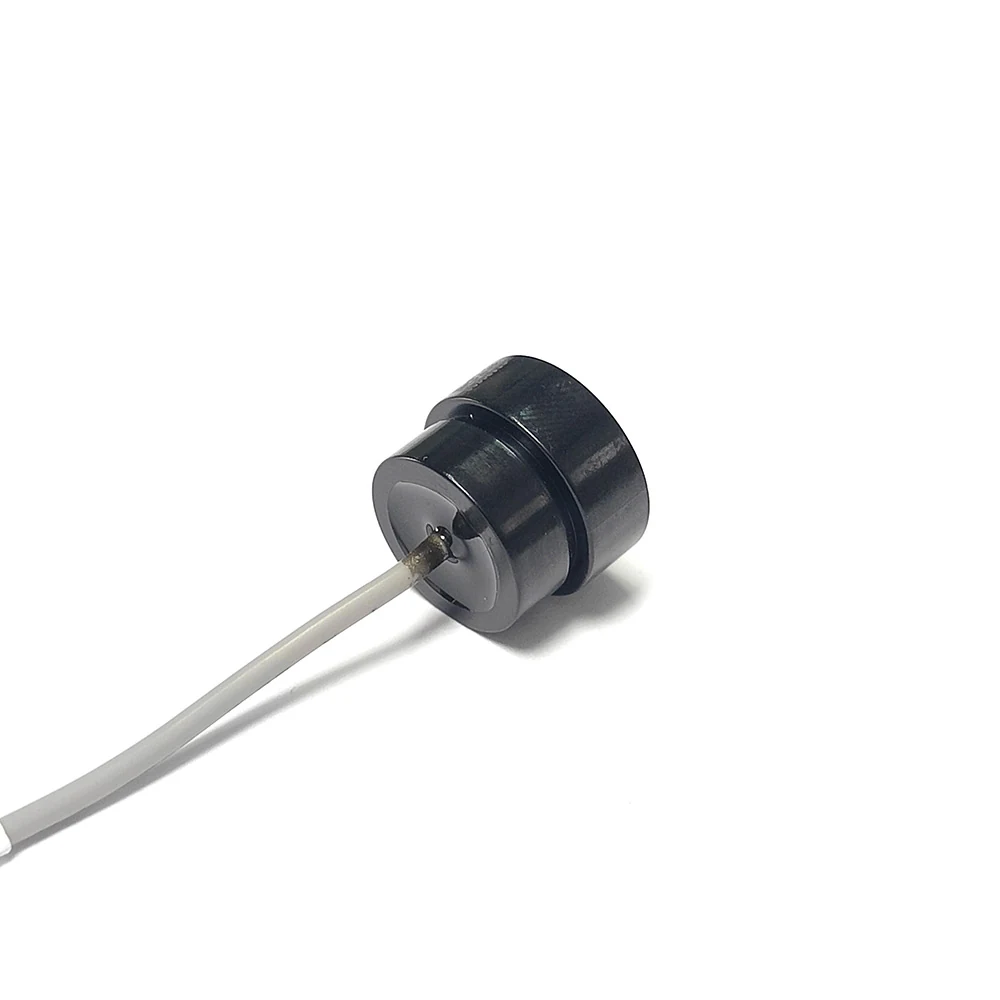
Ultrasonic Material Recognition Sensor 1
A reflection-type ultrasonic transducer that reads back the change in frequency and amplitude of the returned wave, so metal, plastic and wood separate cleanly without any contact with the target.
View specifications →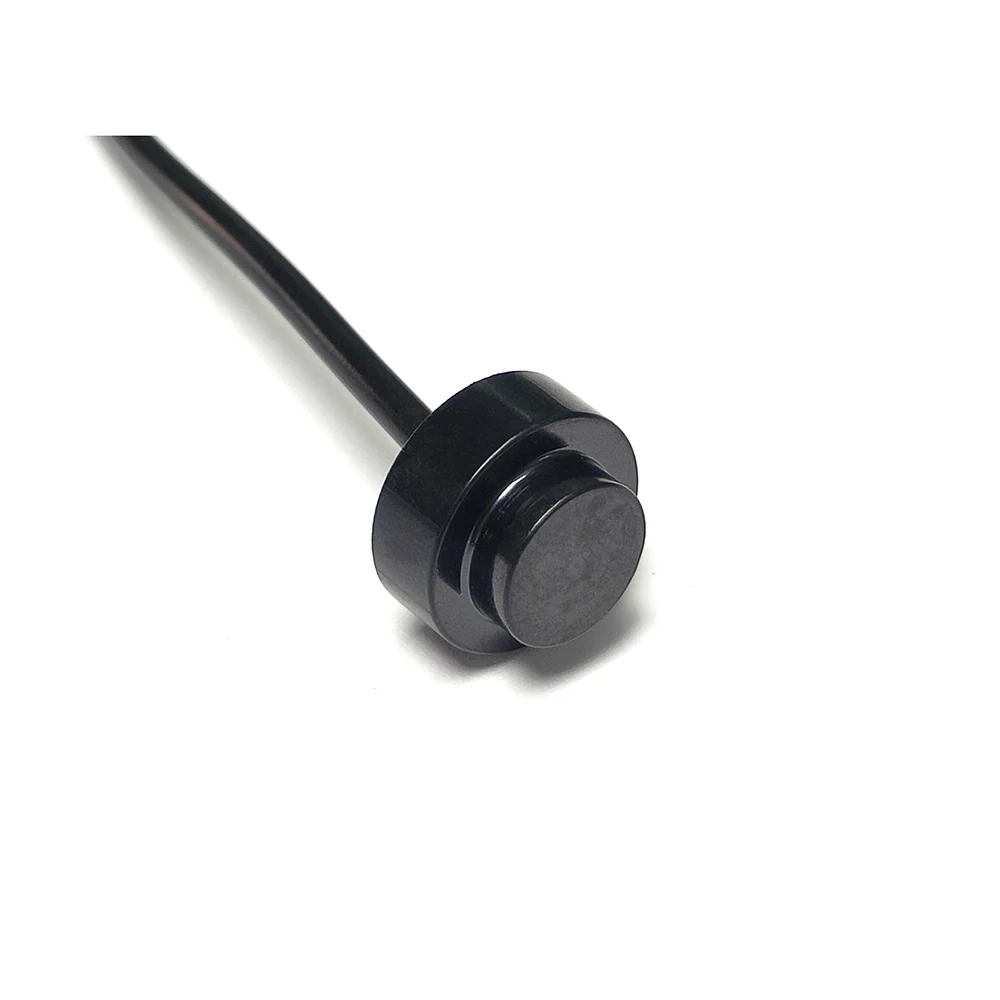
Ultrasonic Flow Sensor 1MHz
A 1 MHz transit-time transducer pair that starts up quickly and returns an easily identified signal edge, so the metering ASIC can lock onto the upstream and downstream arrival times without long averaging.
View specifications →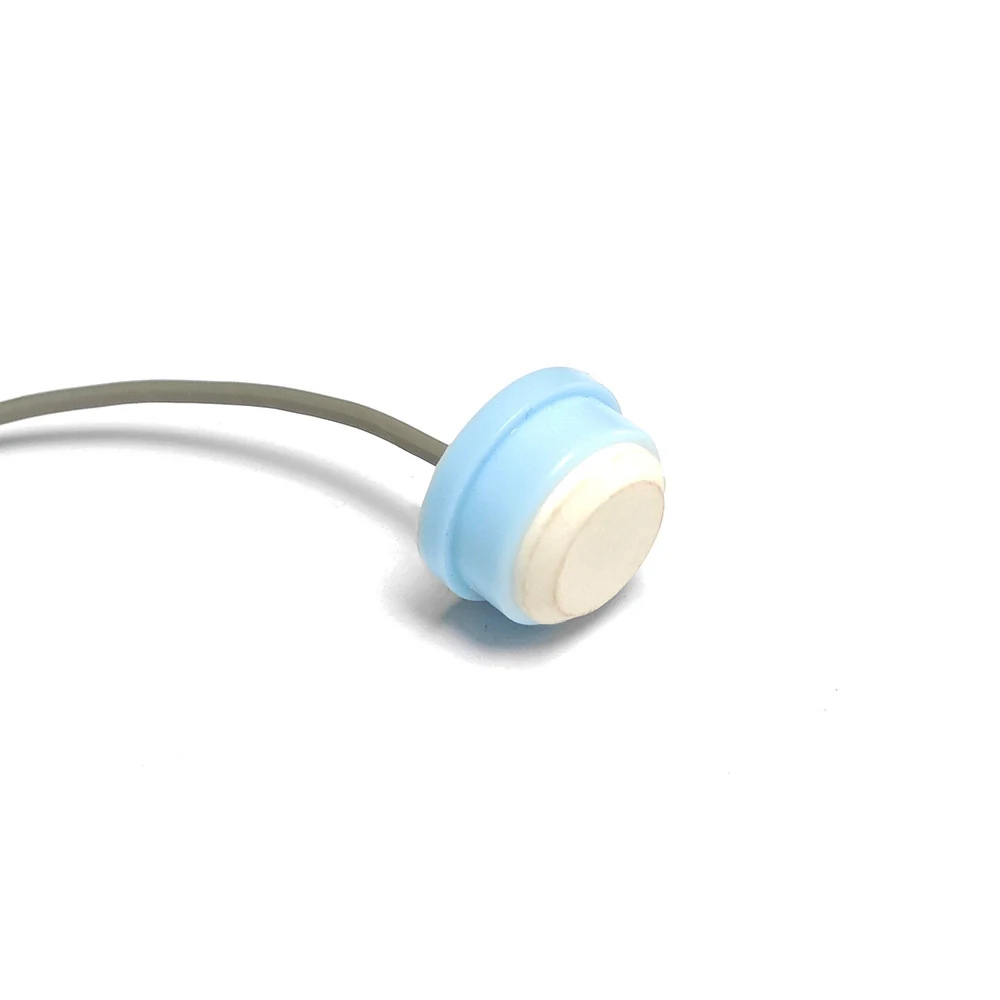
Ultrasonic Gas Flow Sensor 200KHz
A 200 kHz transducer matched to a gas load, measuring transit time across the duct so the meter has no moving part, low pressure loss and a wide range ratio, while resisting chemical corrosion from the medium.
View specifications →Apply this to your own design
Send the medium, the path and what you need to resolve, and we will tell you which transducer the article points at in your case.