
Why In-House Piezoelectric Material Matters
Batch-to-batch consistency in a transducer is decided long before assembly, in the ceramic.
The element is the instrument
A transducer's sensitivity, start-up behaviour and frequency all originate in the piezoelectric ceramic and how it is matched to the medium. Buy that element to a nearest-fit datasheet and you inherit whatever the supplier changed last quarter.
What in-house development changes
Sensitive material development is one of our core team's listed capabilities, alongside design theory, device simulation, process design and signal analysis. Keeping the material inside the same team that designs the device means a specification change is made at the layer that actually controls the behaviour.
Why a meter maker cares
A meter's calibration constant is only valid while the transducers behave the same. Consistency across production is not a nice-to-have; it is what stops a field recalibration programme.
What to ask a supplier
Who develops the ceramic, who designs the matching, and who looks at the waveform when a unit comes back from the field. If those are three different companies, the answer to a drift problem will take three times as long.
Sensors referenced in this article
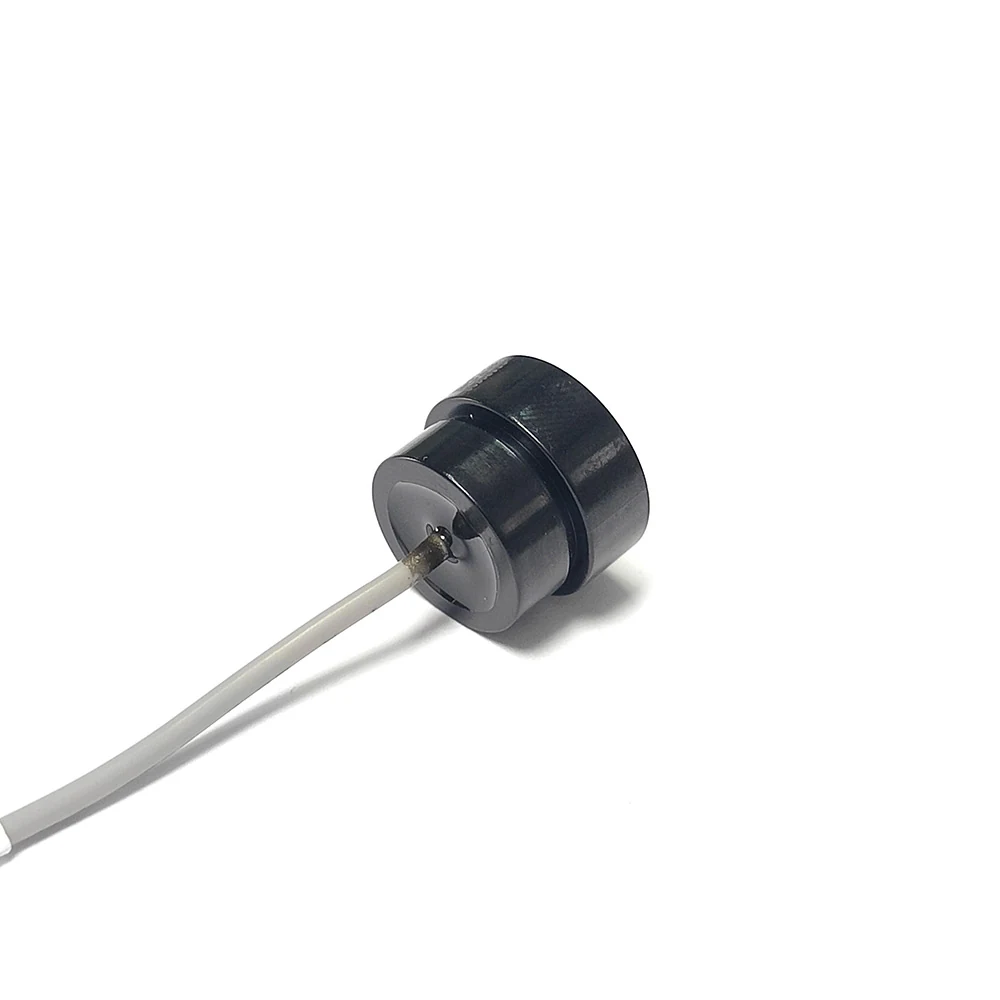
Ultrasonic Material Recognition Sensor 1
A reflection-type ultrasonic transducer that reads back the change in frequency and amplitude of the returned wave, so metal, plastic and wood separate cleanly without any contact with the target.
View specifications →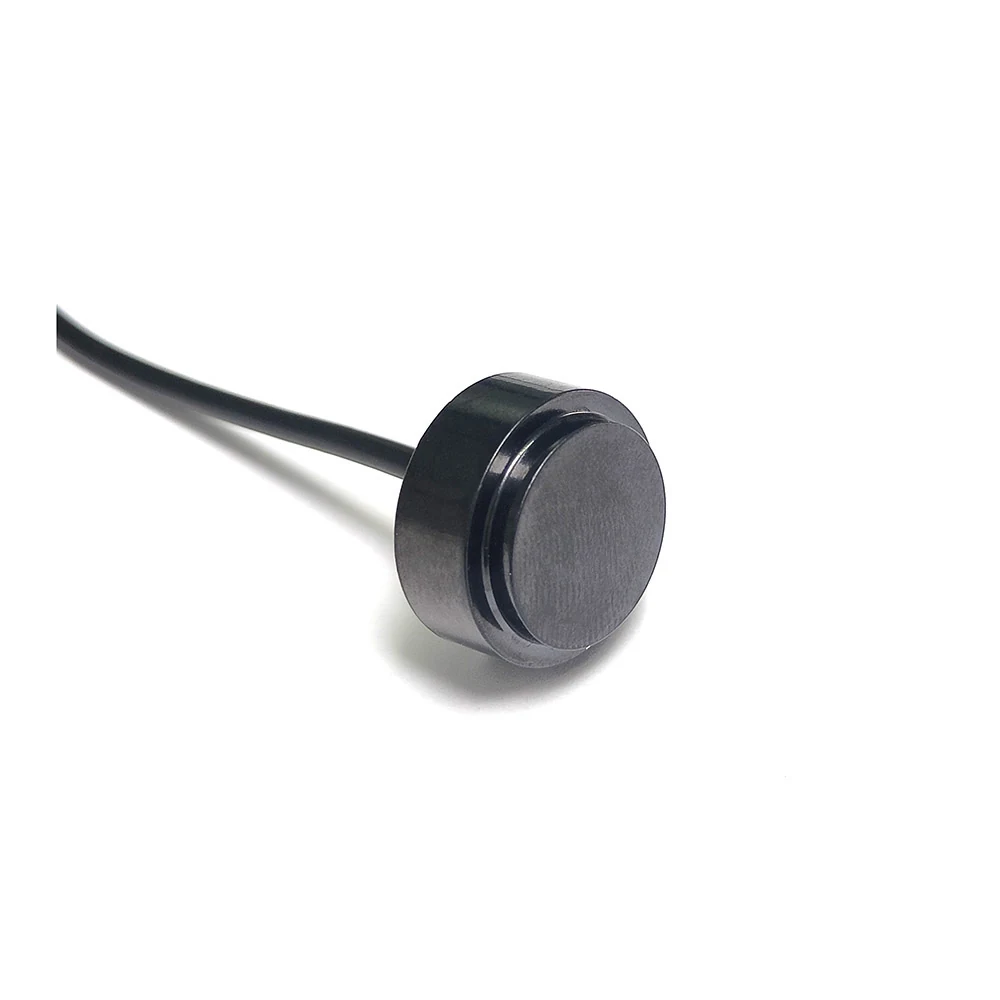
Ultrasonic Flow Sensor 2MHz
A 2 MHz transit-time transducer with a metal-faced housing: the shorter wavelength gives finer timing resolution on a short acoustic path, and the metal face takes the pressure and the wetted duty.
View specifications →Apply this to your own design
Send the medium, the path and what you need to resolve, and we will tell you which transducer the article points at in your case.