
Industrial Sorting & Inspection
Sorting and quality inspection lines need a verdict per part, at line rate, without marking the part.
Ultrasonic material identification is widely used in industrial sorting and quality inspection because it is non-contact, precise and strongly resistant to interference. Where a camera sees only the surface, the returning ultrasonic wave carries information about what the material actually is.
The same mechanism handles counting as well as identifying: distinguishing a single sheet of paper from two stuck together is a standard application for these transducers, and it is the failure mode that stops a feeder mid-run.
Sensors used in industrial sorting & inspection
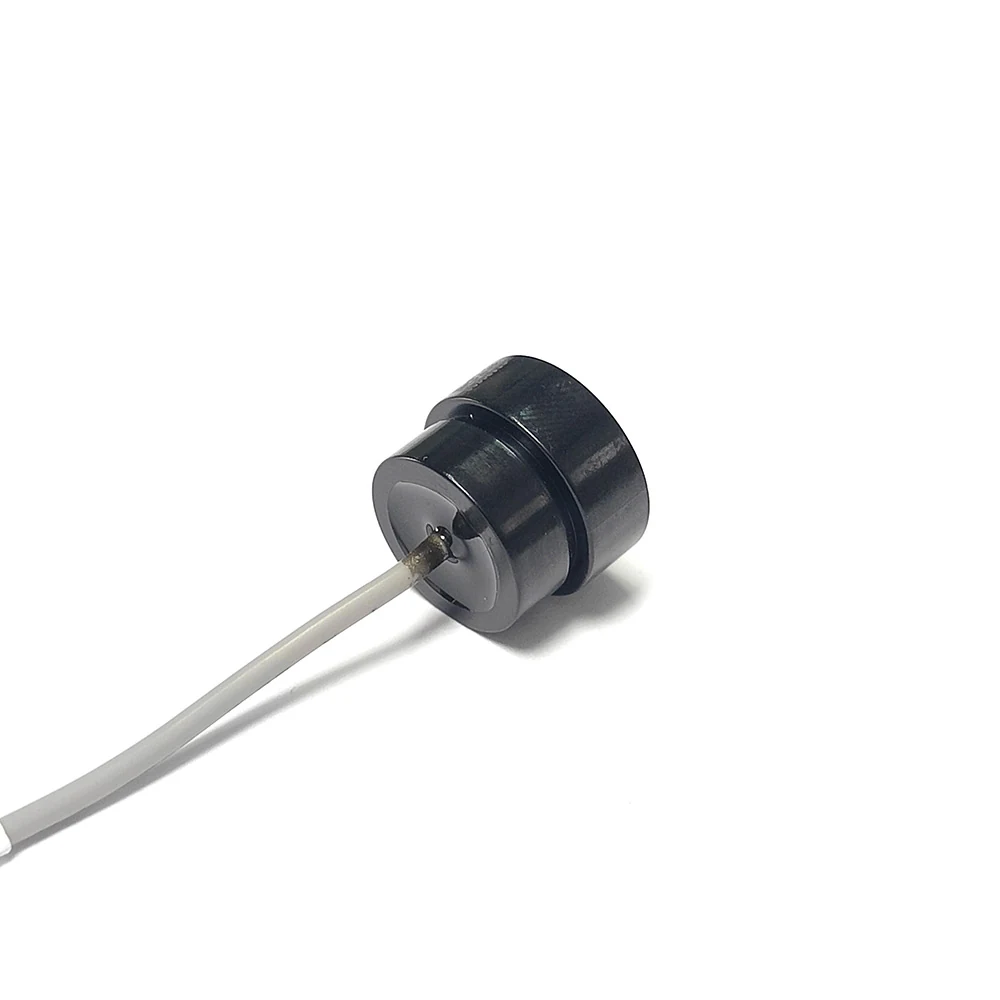
Ultrasonic Material Recognition Sensor 1
A reflection-type ultrasonic transducer that reads back the change in frequency and amplitude of the returned wave, so metal, plastic and wood separate cleanly without any contact with the target.
View specifications →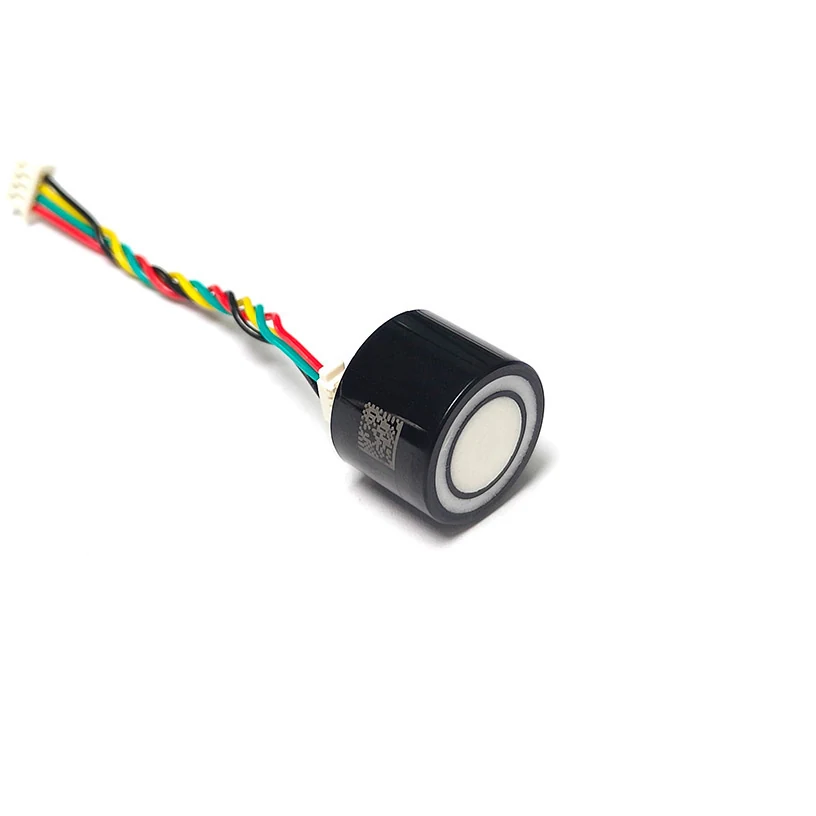
Ultrasonic Material Recognition Sensor 2
The same reflection-type sensing element supplied on a twisted, colour-coded harness with a pitch connector already fitted, so it drops straight onto a board-level mating header.
View specifications →Three answers that get you a real recommendation
- What is the line rate, in parts or sheets per minute?
- What is the material pair, and how similar are their surfaces?
- Is the sensor fixed or does it travel with a carriage?
Other industries
Building something that is not on this list? The sensing problem usually maps onto one of them - send it over.
Talk it through with the people who build the device
Signal analysis and failure handling sit in the same team as design and material development, so a technical question gets a technical answer.