
Every ultrasonic sensor we build
Six transducers across three sensing jobs. Where the source specification for a figure does not exist, the tables say TBC instead of inventing one - ask us and we will confirm it against the current drawing.
Material Recognition Sensors
Reflection-based transducers that tell one material or one sheet count from another, without touching the target.
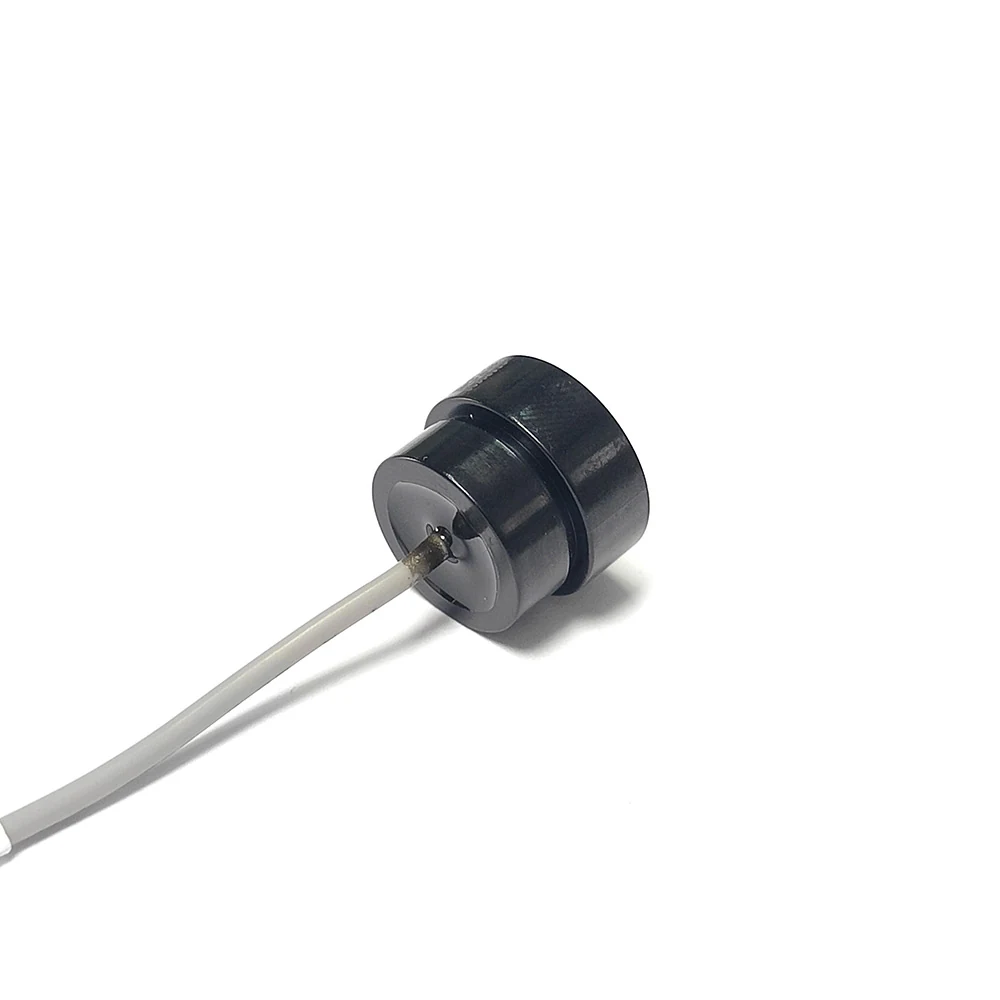
Ultrasonic Material Recognition Sensor 1
A reflection-type ultrasonic transducer that reads back the change in frequency and amplitude of the returned wave, so metal, plastic and wood separate cleanly without any contact with the target.
View specifications →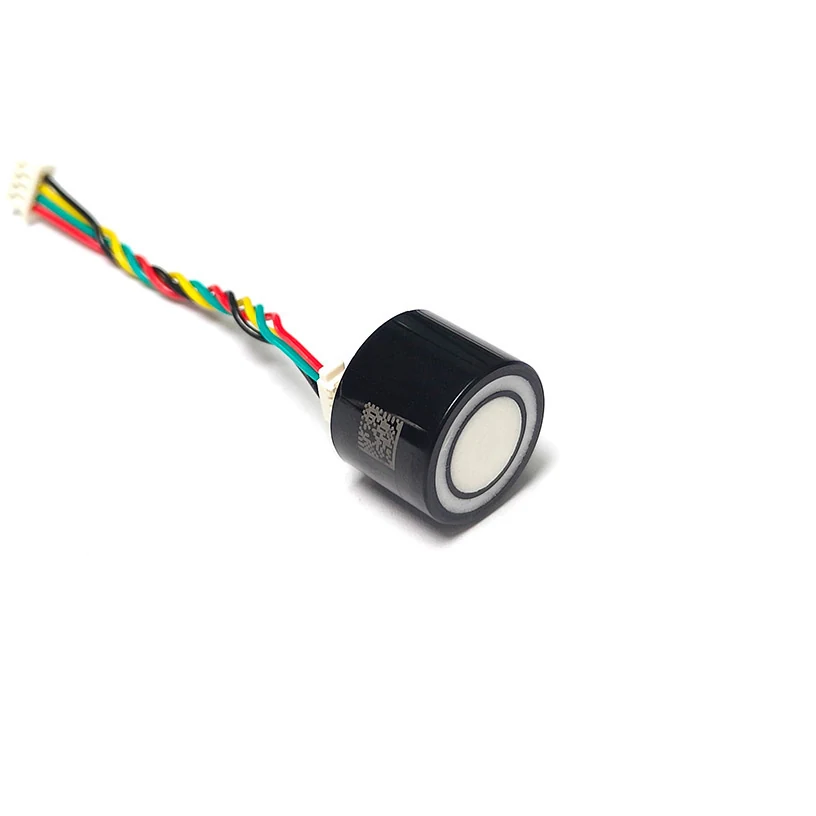
Ultrasonic Material Recognition Sensor 2
The same reflection-type sensing element supplied on a twisted, colour-coded harness with a pitch connector already fitted, so it drops straight onto a board-level mating header.
View specifications →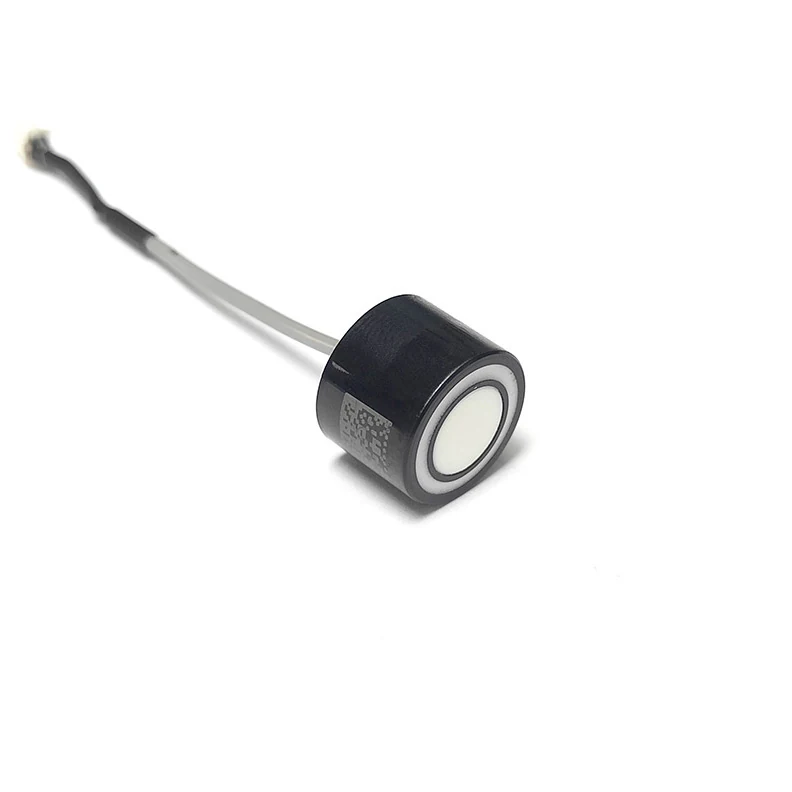
Ultrasonic Material Recognition Sensor 3
A short-body reflection transducer with a fine centre-exit lead and micro connector, so it seats in a shallow boss and routes straight back to the board.
View specifications →Liquid Flow Sensors
Transit-time transducer pairs for water metering and in-water ranging, at 1 MHz and 2 MHz.
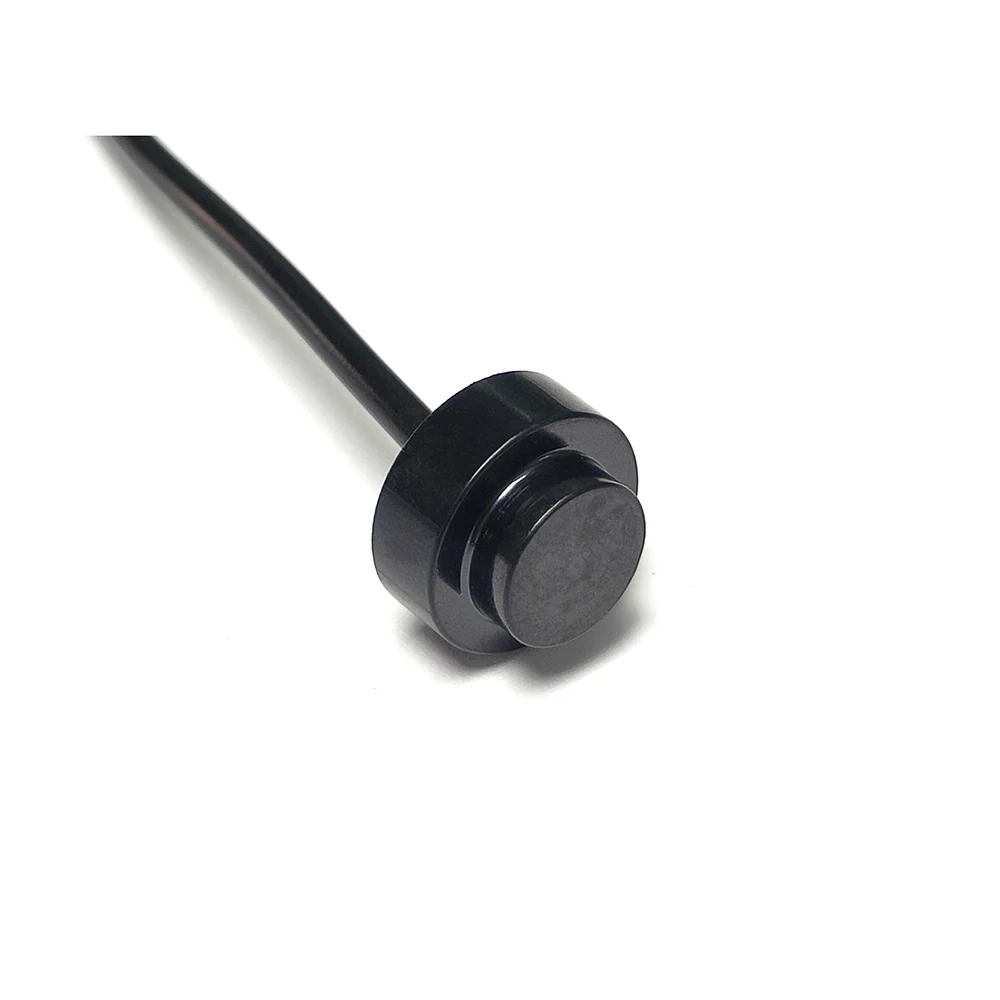
Ultrasonic Flow Sensor 1MHz
A 1 MHz transit-time transducer pair that starts up quickly and returns an easily identified signal edge, so the metering ASIC can lock onto the upstream and downstream arrival times without long averaging.
View specifications →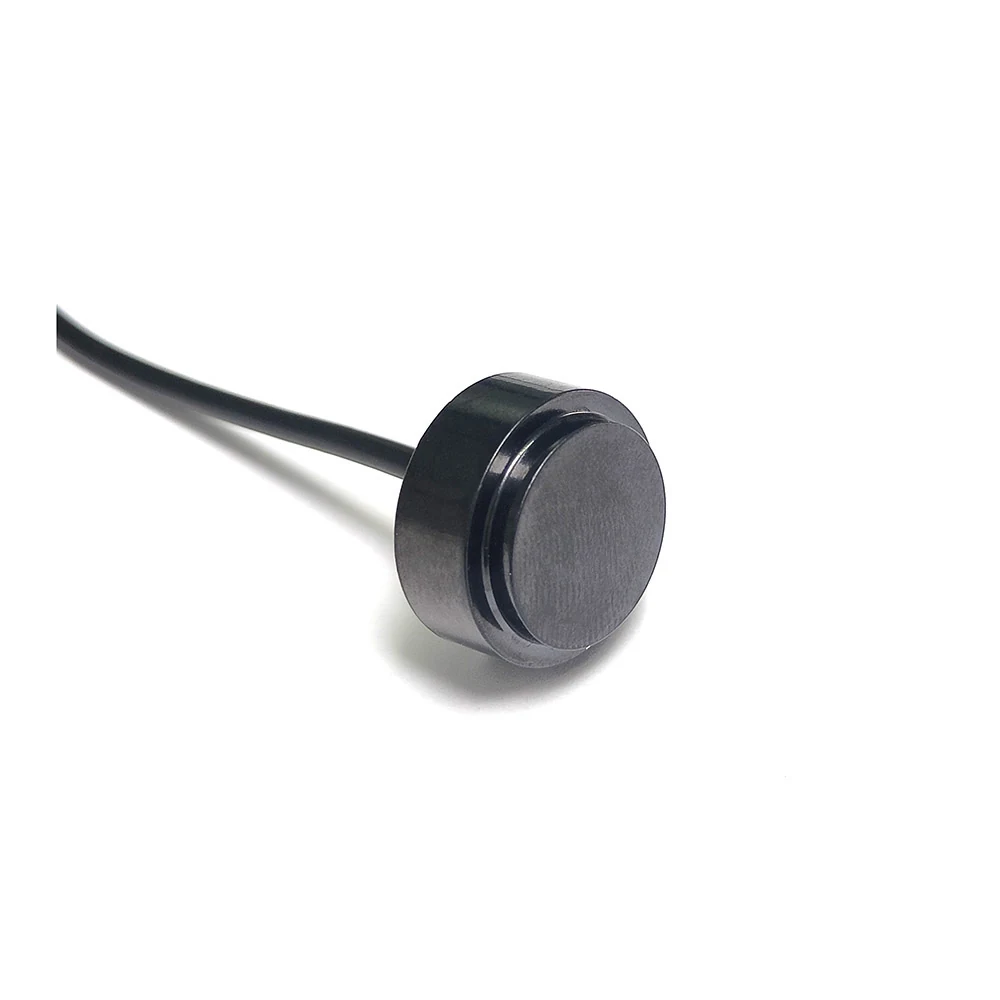
Ultrasonic Flow Sensor 2MHz
A 2 MHz transit-time transducer with a metal-faced housing: the shorter wavelength gives finer timing resolution on a short acoustic path, and the metal face takes the pressure and the wetted duty.
View specifications →Gas Flow Sensors
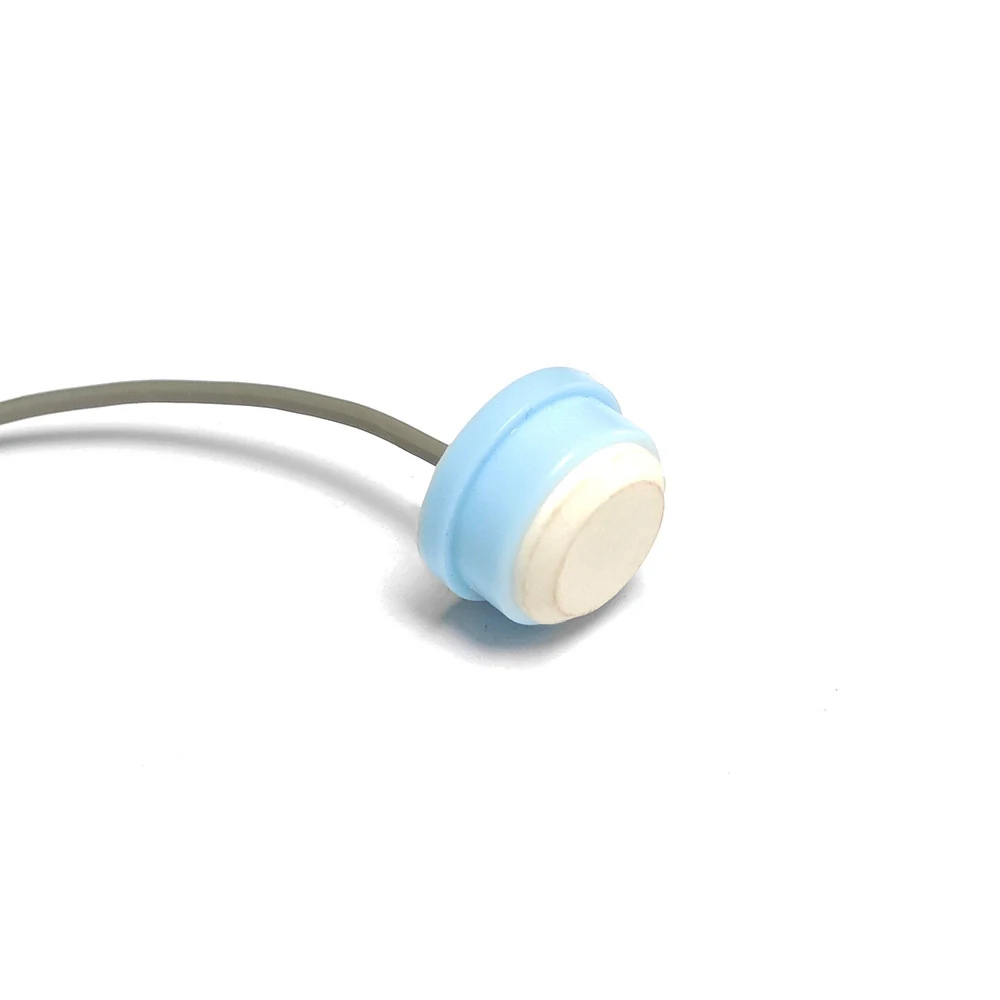
200 kHz transducers for gas metering, with chemical corrosion resistance and low pressure loss.
Not sure which frequency your path needs?
Send the medium, the acoustic path length and what you need to resolve. We will tell you which of the six to sample and why.