
Floor Material Recognition in Cleaning Robots
Knowing whether the next metre is carpet or tile, before the wet roller reaches it.
A sweeping robot changes behaviour based on what it is driving on: suction, brush speed and whether water is applied at all. Getting that wrong on a carpet is the complaint that comes back to the brand.
Material recognition of sweeping robots is a named application scenario for our reflection-type transducers. Because the sensing is non-contact and reads the returned frequency and amplitude rather than reflected light, dark and glossy floors do not defeat it the way they defeat an optical sensor. The short-body configuration exists for exactly this housing constraint.
Sensors for this application
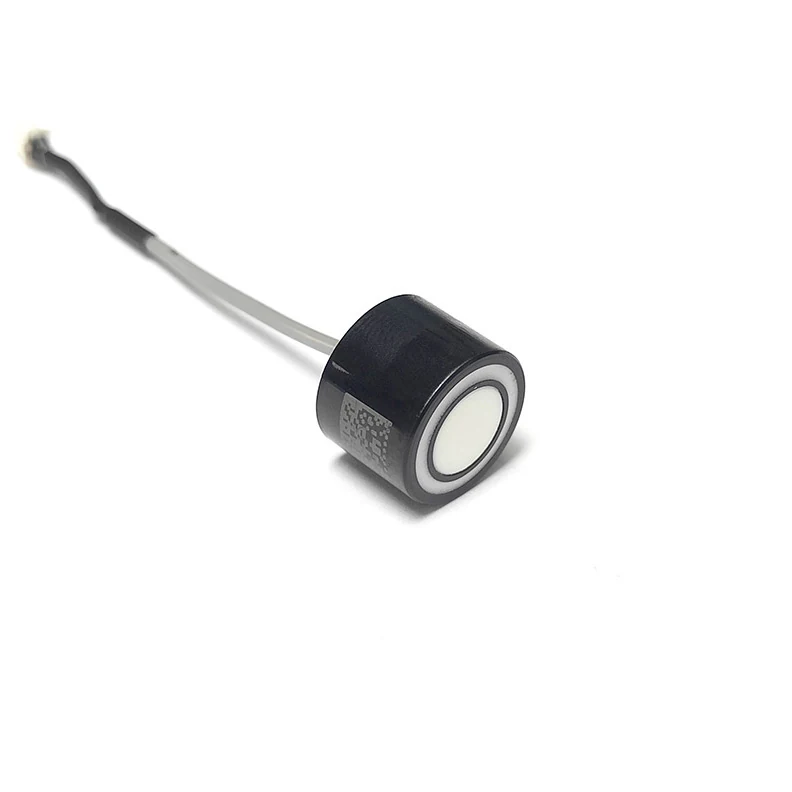
Ultrasonic Material Recognition Sensor 3
A short-body reflection transducer with a fine centre-exit lead and micro connector, so it seats in a shallow boss and routes straight back to the board.
View specifications →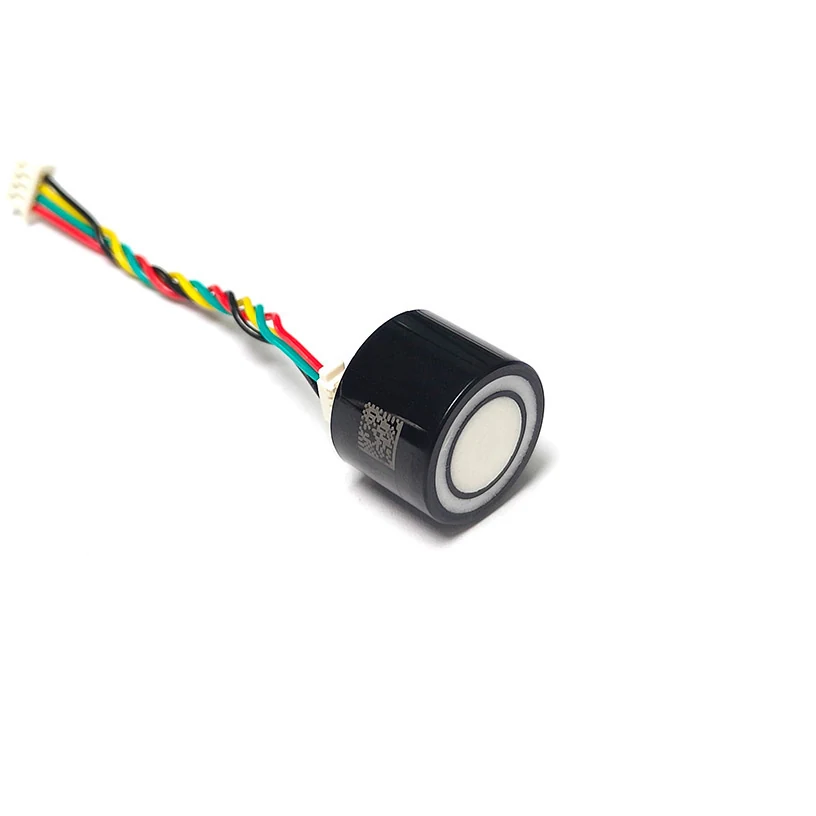
Ultrasonic Material Recognition Sensor 2
The same reflection-type sensing element supplied on a twisted, colour-coded harness with a pitch connector already fitted, so it drops straight onto a board-level mating header.
View specifications →Is this your application?
Send the geometry and the two states you need to tell apart. We will say whether the echo difference is usable before you build a fixture.