
Smart Water Metering
Static water meters have to bill accurately for years on a single battery, with no impeller to silt up or wear.
A transit-time water meter derives flow from the difference in how long sound takes to travel with the current and against it. That difference is tiny, so everything depends on the transducer: how quickly it starts, how clean the returning edge is, and whether the pair behaves the same after a thousand batches.
Both of our liquid transducers are built for that duty. The 1 MHz unit carries further and tolerates more attenuation; the 2 MHz unit resolves finer timing differences on the short paths found in domestic bores. Because the ceramic material is developed in-house, the echo behaviour stays inside the same band from batch to batch - which is what keeps a meter's calibration constant valid across a production run.
Sensors used in smart water metering
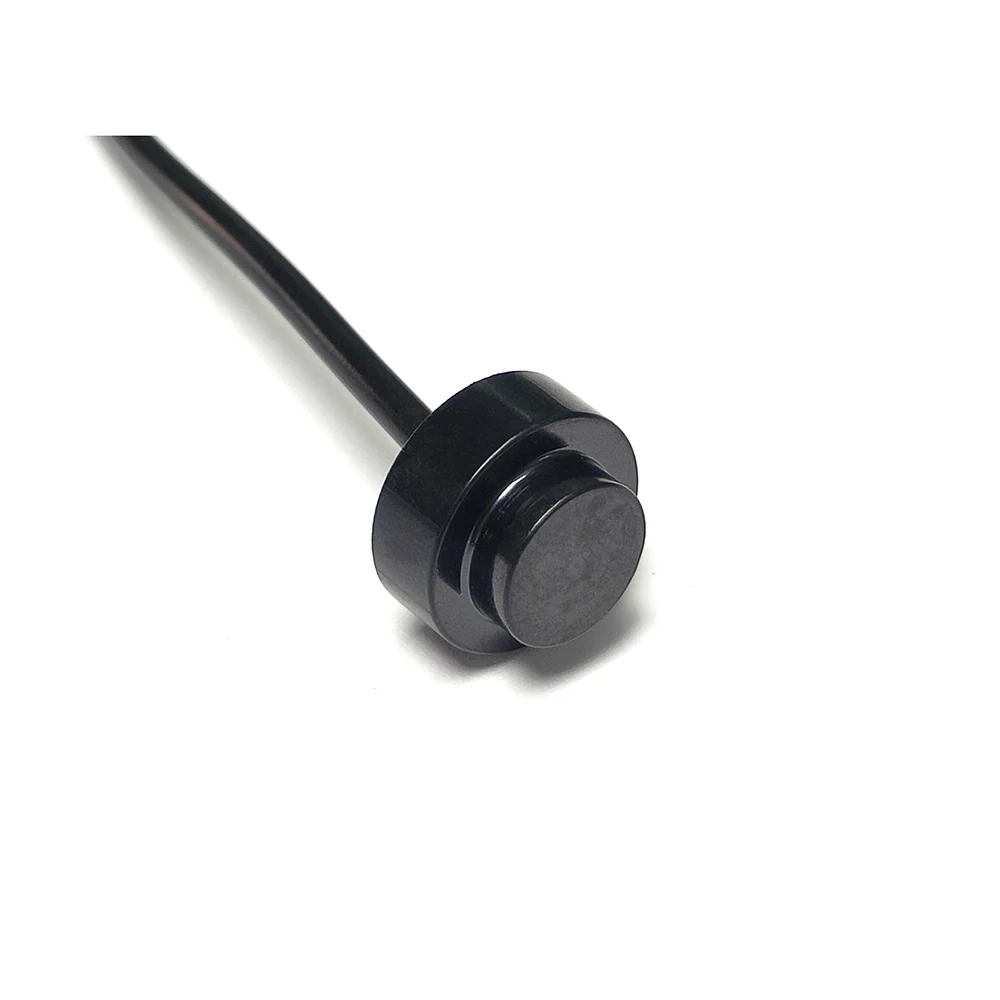
Ultrasonic Flow Sensor 1MHz
A 1 MHz transit-time transducer pair that starts up quickly and returns an easily identified signal edge, so the metering ASIC can lock onto the upstream and downstream arrival times without long averaging.
View specifications →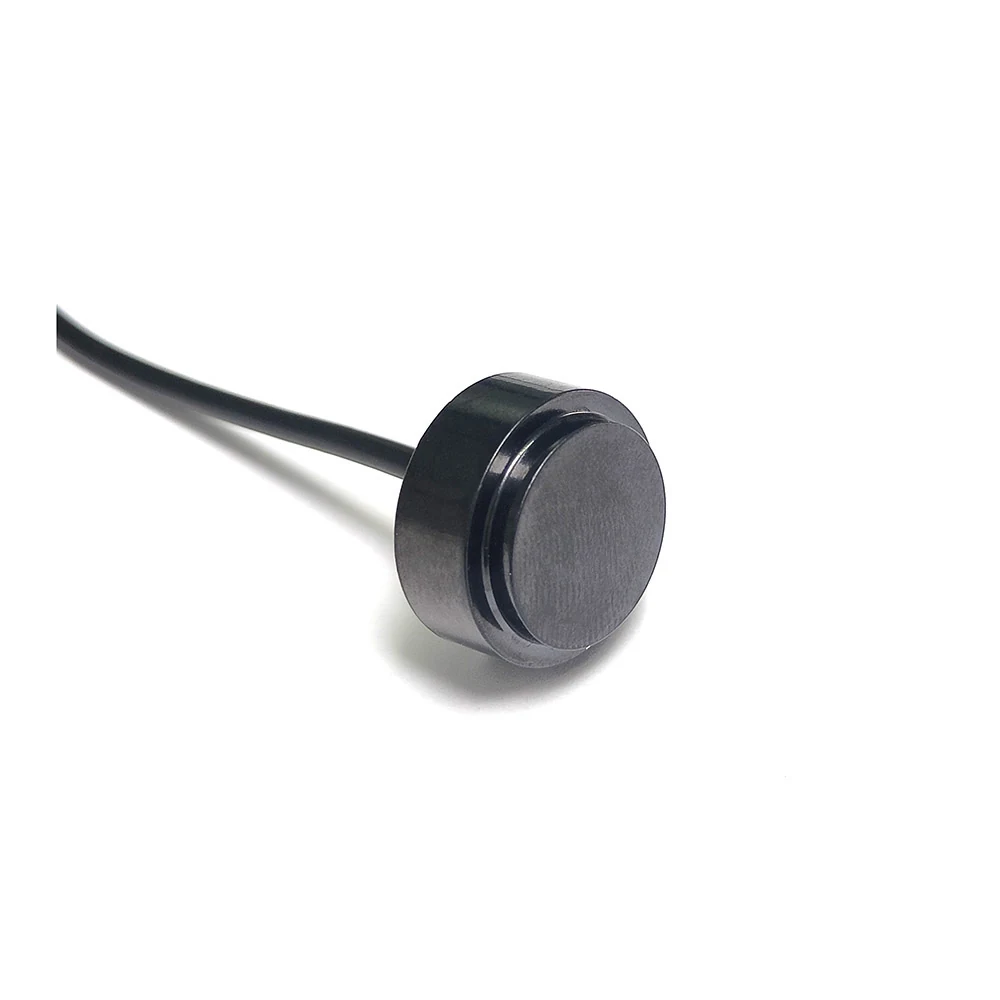
Ultrasonic Flow Sensor 2MHz
A 2 MHz transit-time transducer with a metal-faced housing: the shorter wavelength gives finer timing resolution on a short acoustic path, and the metal face takes the pressure and the wetted duty.
View specifications →Three answers that get you a real recommendation
- What is your pipe bore and acoustic path length?
- Is the meter battery powered, and what is the transmit energy budget per measurement?
- Do you need the transducer pair matched from one batch?
Other industries
Building something that is not on this list? The sensing problem usually maps onto one of them - send it over.
Talk it through with the people who build the device
Signal analysis and failure handling sit in the same team as design and material development, so a technical question gets a technical answer.