
Custom Transducer Development
From the sensitive material up, not from a catalogue down.
Our core team's capability covers the whole chain a custom ultrasonic device needs: design theory, device simulation, sensitive material development, the process design that turns a working prototype into a repeatable one, and the signal analysis and failure handling that come afterwards.
In practice that means a specification conversation starts with the acoustic problem - what you need to detect, through what medium, over what path - and not with a part number. Frequency, aperture, housing and lead are then chosen against that problem rather than inherited from a stock item.
The sequence
Define the acoustic problem
Medium, path length, target, stand-off, the difference you need to resolve, and the electrical and mechanical envelope available.
Simulate the device
Device simulation is used to check the proposed geometry and material before anything is tooled.
Develop the sensitive material
Piezoelectric ceramic development in-house, so the element is matched to the duty rather than sourced to a nearest-fit.
Design the process
High-quality operation process design and development, so unit two thousand behaves like unit two.
Analyse the signal
Product signal analysis and failure handling on real returned units, with findings fed back into the process.
Start from something we already build
Most customisation begins with an existing family and changes the part that actually needs to change.
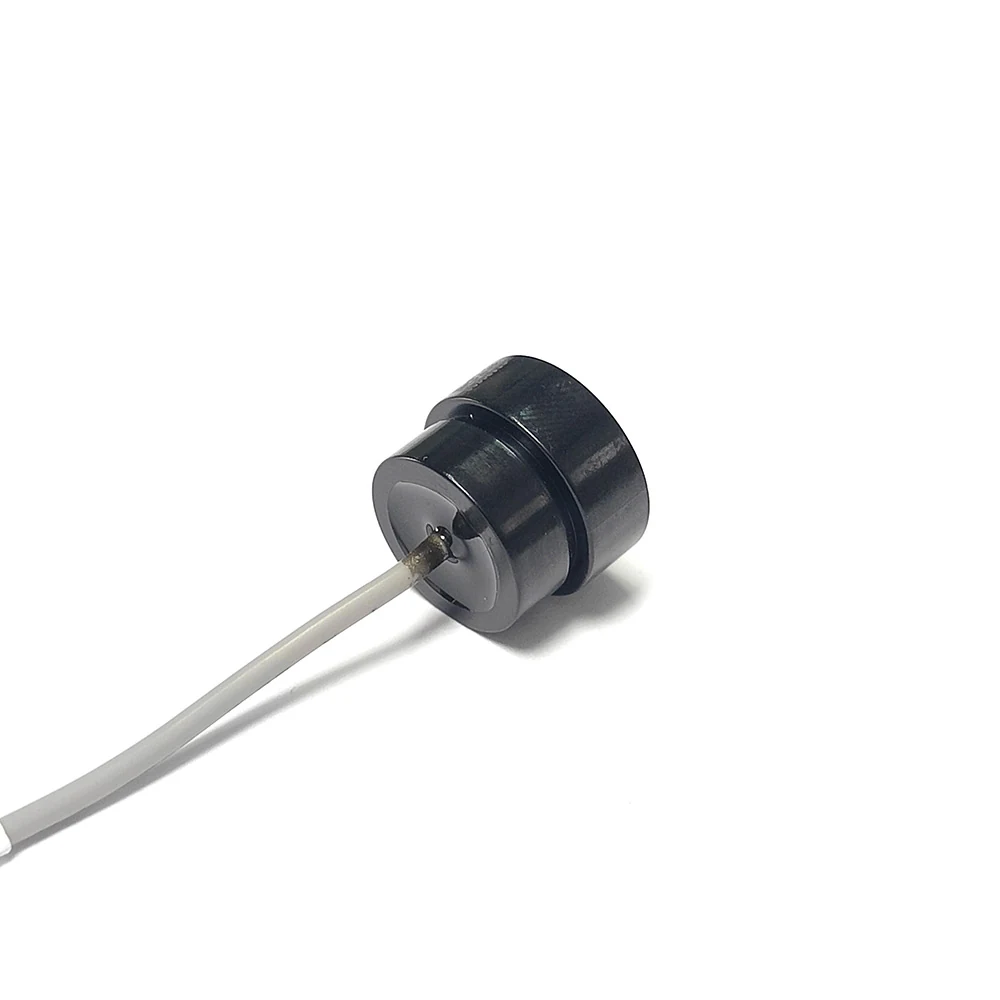
Ultrasonic Material Recognition Sensor 1
A reflection-type ultrasonic transducer that reads back the change in frequency and amplitude of the returned wave, so metal, plastic and wood separate cleanly without any contact with the target.
View specifications →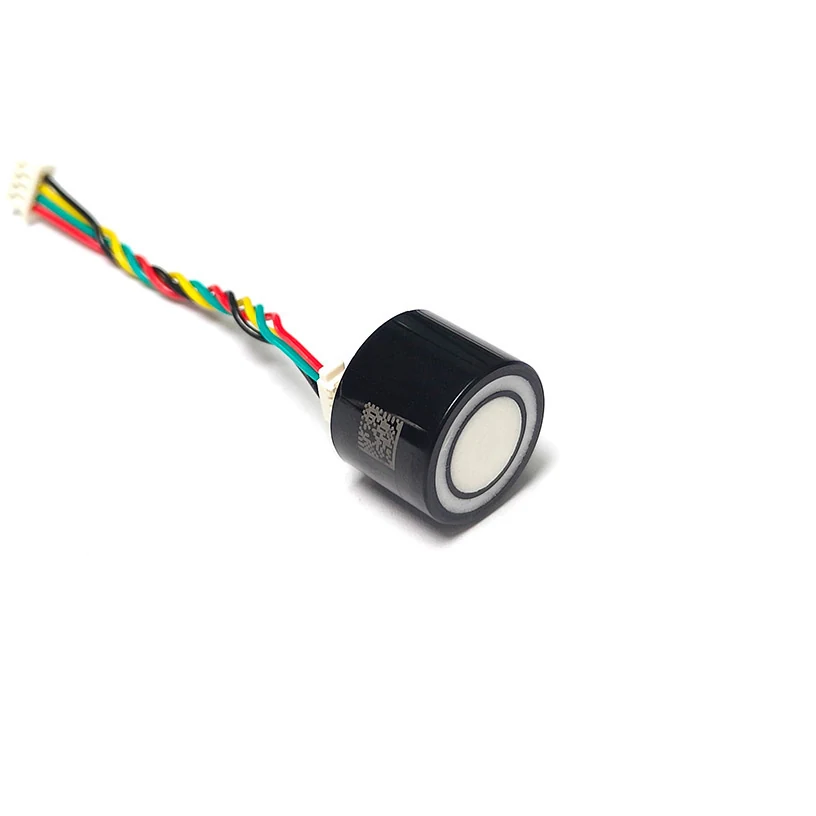
Ultrasonic Material Recognition Sensor 2
The same reflection-type sensing element supplied on a twisted, colour-coded harness with a pitch connector already fitted, so it drops straight onto a board-level mating header.
View specifications →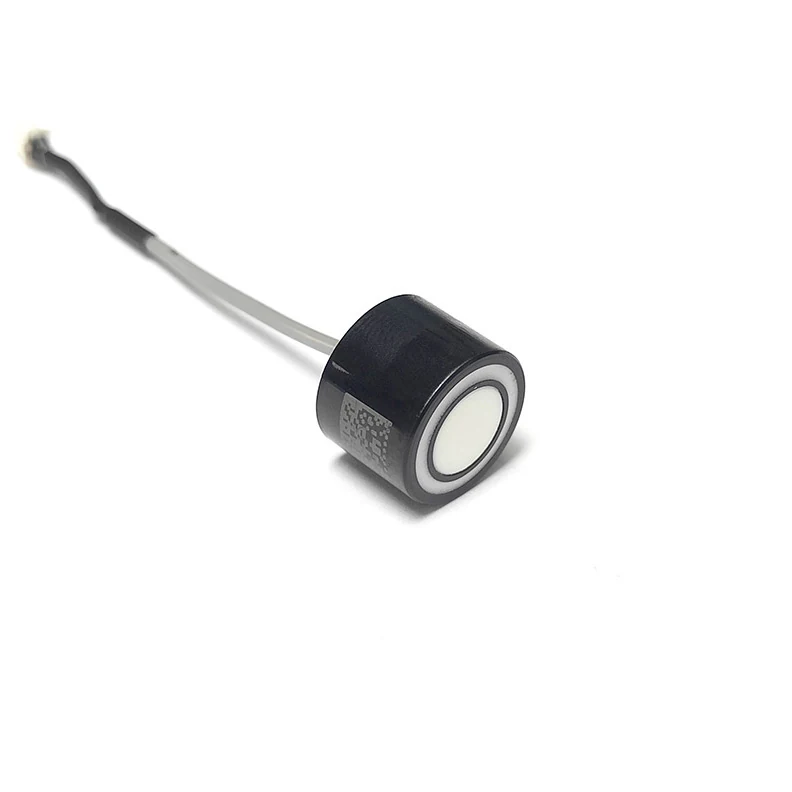
Ultrasonic Material Recognition Sensor 3
A short-body reflection transducer with a fine centre-exit lead and micro connector, so it seats in a shallow boss and routes straight back to the board.
View specifications →Other solutions
- OEM & ODM Supply — Private label your brand; products can be customised for you.
- Signal & Failure Analysis — When an echo goes wrong in the field, the people who designed the device look at it.
Describe the device you need
Acoustic problem first, mechanics second, volumes third. That order gets you an answer in one exchange instead of four.