If you're a dealer outside China looking at Geely, Zeekr, or Chinese EVs more broadly, you've probably had the same thought: how hard can it be to import these yourself? Short answer: not hard if you know what you're doing, painful if you don't. This guide explains what you need to know before you sign the first contract.
The three sourcing channels
Channel 1 — Geely factory direct
You contract directly with Geely Auto or Geely Holdings' export arm. Lowest unit price. Highest entry barrier — 50+ unit MOQs per model per year, established trade finance, national distributor agreements. This is how major national Geely distributors buy. For small-to-mid dealers, this channel is usually inaccessible.
Channel 2 — Licensed Chinese exporter
You contract with a Chinese export-licensed trading company sourcing from Geely dealers or directly from Geely Auto. Moderate unit price (the exporter's margin is included). No minimum quantity — single units normal. This is the channel most independent international Geely dealers use, and the channel FOBEV operates in.
Channel 3 — Broker / intermediary
A broker in your country (or third country) fronts the import and resells. Highest unit price. Often zero local support. Useful only in specific niche cases.
CBU, SKD, CKD — which fits your market
Shipping mode can change total landed cost by 20–60%.
| Mode | What it is | Best for |
|---|---|---|
| CBU | Complete Built Unit — the car arrives ready to drive | Markets with moderate CBU tariffs. Fastest delivery. Simplest documentation. |
| SKD | Semi-Knocked Down — partially disassembled at the factory | Markets with high CBU but moderate SKD tariffs (Bangladesh, Pakistan). Requires local reassembly. |
| CKD | Complete Knocked Down — full parts kit for local assembly | Markets with very high CBU tariffs and local content requirements. Requires full local assembly. |
In Bangladesh, CBU duty can exceed 150% cumulative. SKD classification can take the effective duty burden down significantly. The catch: you need a local bonded assembly partner. We can introduce you to partners in specific markets.
Documentation — what you actually need
Core document set:
- Bill of Lading (B/L) — shipping line's legal title to cargo
- Commercial Invoice — sale price and terms, used for customs valuation
- Packing List — detailed contents; for SKD/CKD every component listed
- Certificate of Origin — CCPIT-issued in China for preferential China-X tariff treatment
- Manufacturer's Technical File — chassis, engine/motor, specs, emissions/efficiency
- Marine Insurance Certificate — all-risk cover; don't skip this
Market-specific documents on top:
- GCC (UAE, Saudi, Kuwait, Qatar, Bahrain, Oman): GCC Certificate of Conformity, Arabic-language owner's manual
- EU markets : WVTA or COC for registered vehicles
- UK : Individual Vehicle Approval (IVA) or mutual recognition of EU WVTA
- Latin America : Spanish-language technical file; specific national homologation (INMETRO for Brazil, etc.)
- Russia : OTTS (type approval) or SVTS for limited volume
Payment terms
T/T (Telegraphic Transfer)
Standard: 30% deposit on contract signing, 70% against Bill of Lading scan. Balances buyer-seller risk reasonably.
L/C at sight
For orders above USD 200,000, sight Letter of Credit from a first-class bank is often preferred. Shifts payment risk onto banks. More expensive, much safer for larger sums.
What we do not accept: Western Union, cryptocurrency, cash on delivery, split payments, or anything obscuring the audit trail.
Homologation — whose job is it
Local type approval is ultimately your responsibility as importer. We supply manufacturer documentation, testing files, and spec sheets your local homologation agency requires. We don't file in your country on your behalf.
Specific-market issues we flag before you order: some Chinese-domestic Geely models don't meet European pedestrian-protection tests and can't be WVTA-certified without modification. Worth knowing before the ship leaves.
Typical landed cost structure
Illustrative structure — not a quotation. Precise figures per RFQ.
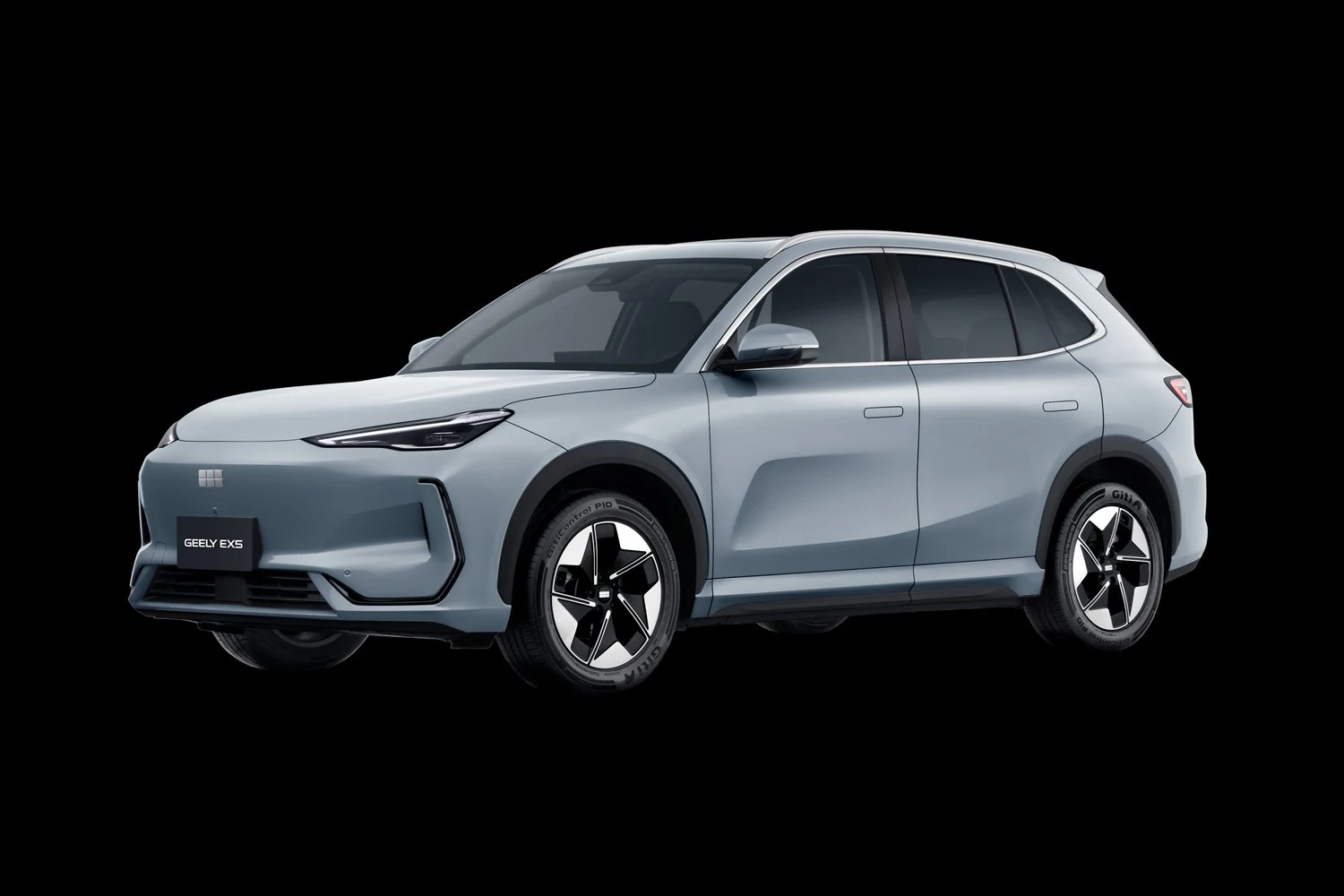
Example 1: Geely EX5 to Bangladesh (SKD)
Bangladesh's duty structure heavily penalizes CBU. SKD changes economics significantly. Rough landed-cost structure: vehicle FOB (~65%), ocean freight/logistics (~5%), SKD duty+VAT (~22%), local bonded assembly+registration (~4%), other fees (~4%).
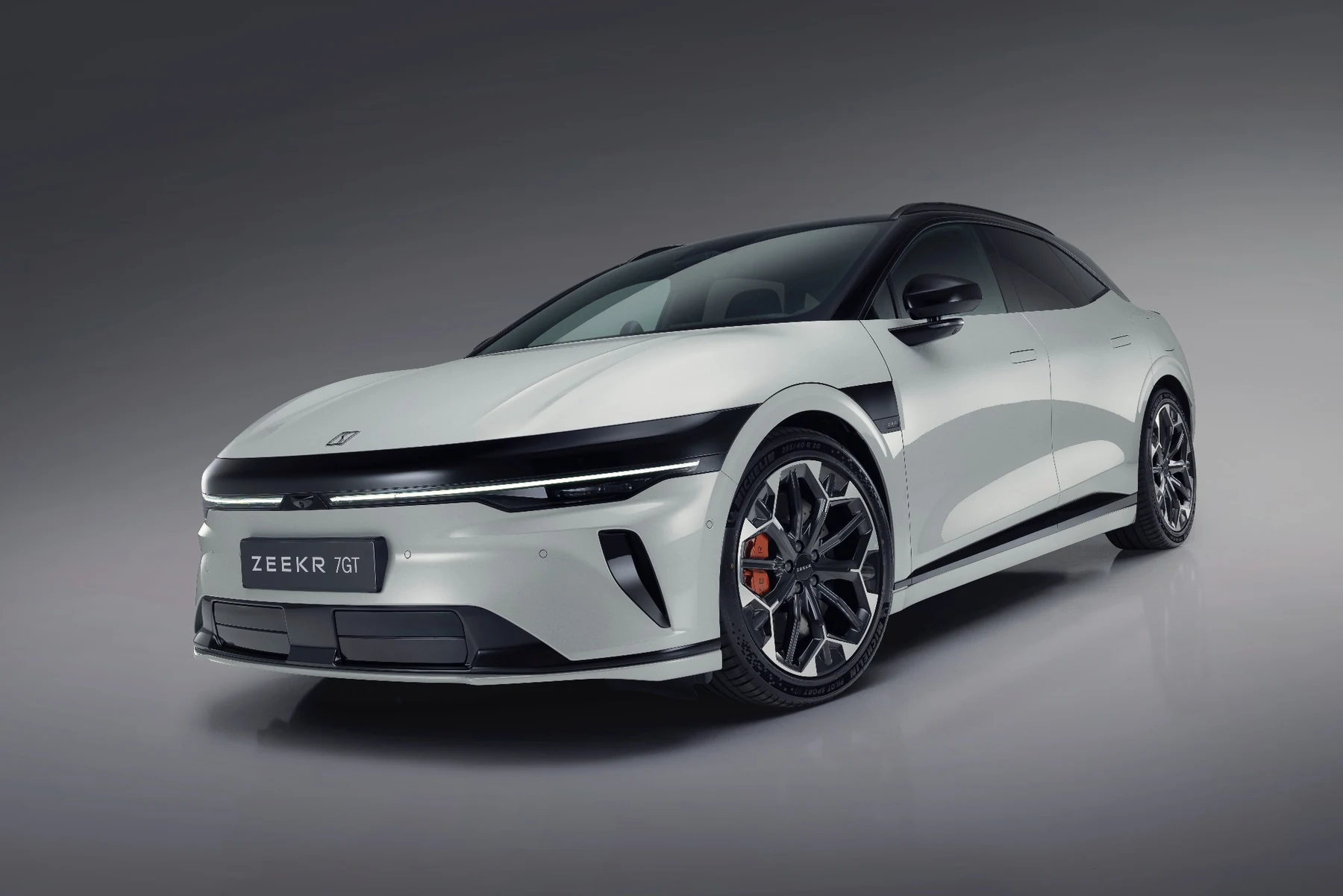
Example 2: Zeekr 007 to UAE (CBU)
UAE customs duty 5% of CIF; VAT 5% of (CIF + duty). One of the most buyer-friendly tariff environments globally. Rough structure: vehicle FOB (~85%), ocean freight+insurance (~4%), customs duty+VAT (~10%), GCC registration (~1%). Why UAE is a premium Chinese EV destination.
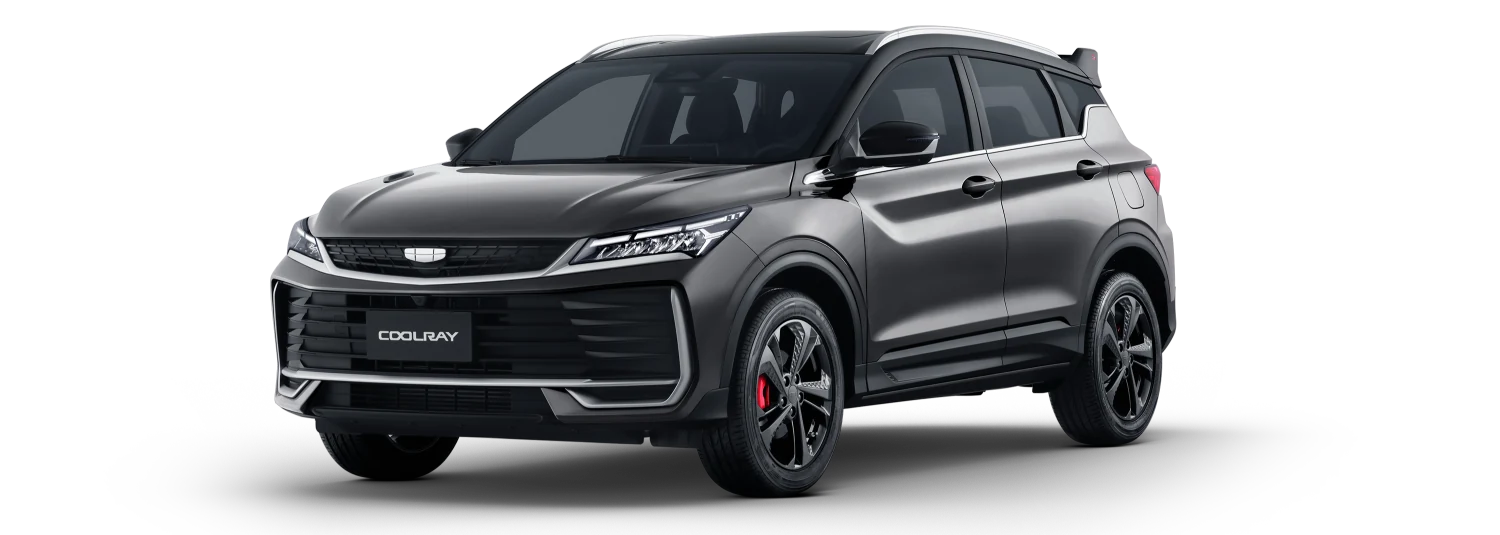
Example 3: Geely Coolray to Nigeria (CBU, 10 units)
Nigerian cumulative import duty+levies on CBU passenger vehicles run 30–40% of CIF. Full container collapses per-unit freight by 40–60%. Structure: vehicle FOB (~60%), logistics (~4%), customs duty+levies (~32%), registration/admin (~4%). Why full-container consolidated Coolray shipments are West African Chinese import mainstay.
When to use an intermediary vs. direct factory
Short rule: if annual volume per model is under 50 units, intermediary almost always makes sense. Factory-direct economics require national-distributor-level infrastructure and capital. Most independent international Geely dealers and virtually all fleet buyers below 50 units are intermediary customers.
Above 200+ annual units, direct relationships with Geely Auto start making sense and can save 5–10% on unit cost. We've helped several customers graduate to direct relationships after 2–3 years of building volume with us.
Next steps
Quickest way to apply this to your situation: send us an RFQ. Tell us your market, target volume, budget ceiling. We return a realistic quotation or tell you honestly you're better off with a different approach.