Europe is no longer an "emerging" market for Chinese EVs. Zeekr, BYD, MG (SAIC), Polestar, and Nio all have direct European distribution networks. Xpeng, Leapmotor (in partnership with Stellantis), and others are building out. For an independent importer, this is both good news (the product is homologated, the brand is credible) and challenging (the easy positions are filled). This is the 2026 landscape.
The tariff situation
Europe's tariff framework for Chinese EVs has evolved rapidly. As of 2024-26:
- Countervailing duties on Chinese-origin EVs — the EU imposed specific tariffs ranging from ~17% (Tesla Shanghai) to 35%+ (non-cooperating manufacturers). Geely Group, BYD, and most major Chinese exporters fall in the mid-range ~20-25% territory, on top of the standard 10% EU import duty.
- UK post-Brexit — UK has not imposed equivalent countervailing duties, meaning Chinese EVs can be cheaper in the UK than in EU countries.
- Norway, Iceland, Switzerland — outside the EU countervailing regime, creating arbitrage opportunities for specific corridors.
Tariff calculation for a specific vehicle requires the exact manufacturer's assigned rate. Pricing your shipment without confirming this is a common first-time-importer mistake.
Homologation — WVTA is the goal
For EU market entry, the target homologation is WVTA (Whole Vehicle Type Approval). This is expensive to obtain but valid across all 27 EU member states. Most major Chinese manufacturers exporting to Europe already have WVTA for specific trim/configuration combinations — you're buying into existing homologation, not creating new.
UK has its own GB Type Approval post-Brexit, but EU WVTA vehicles are broadly accepted. Norway, Switzerland, and Iceland accept EU homologation plus their specific emissions requirements.
Which brands dominate Europe
Zeekr
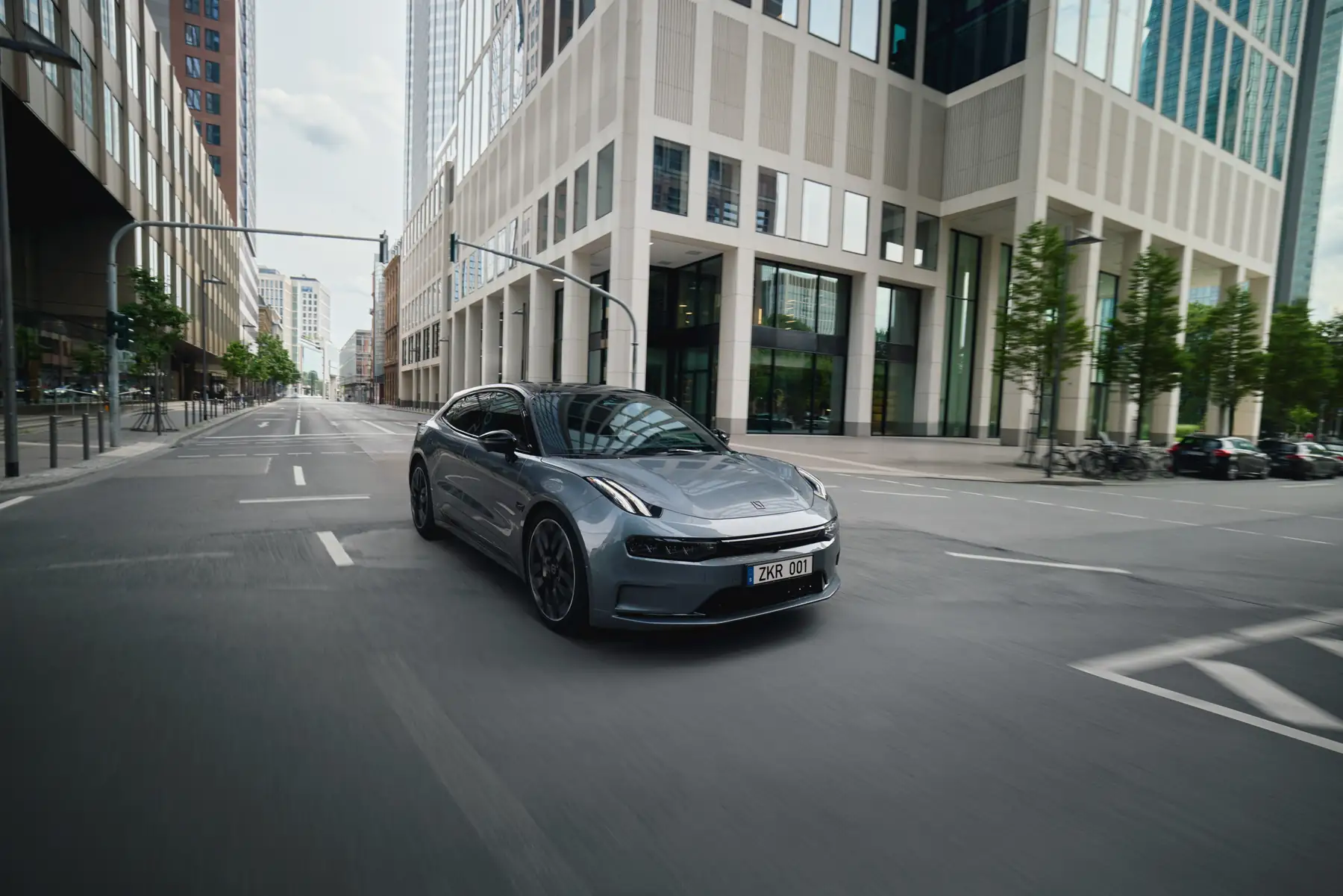
Direct European distribution with dealer networks across Netherlands, Belgium, Germany, Austria, Sweden, and expanding. Zeekr 001, 007 (sold as 7GT in EU), X, and upcoming 9X. Designed in Gothenburg, which plays well with European buyers. Positioned against Audi/BMW/Mercedes electric at lower price points.
BYD
Significant European presence with Atto 3, Dolphin, Seal, and Han. Dealer network across most EU countries. Positioned mainstream.
MG (SAIC)
Sold in Europe as if it were a British brand (which historically it was). Very strong UK presence. MG4, MG ZS EV, MG HS PHEV. Aggressively priced, mature European service network.
Polestar
Technically Chinese-manufactured (Geely Holding) but positioned and marketed as a Swedish brand. Strong European reception. Polestar 2, 3, 4.
Nio
Premium EV with battery-swap infrastructure. Present in Nordic Europe (Norway especially). Smaller footprint than Zeekr/BYD but growing.
Xpeng
Building out European presence. Strong in Norway and Netherlands initially, expanding.
Leapmotor
Stellantis partnership means Leapmotor vehicles are sold through Stellantis retail networks in specific European markets. This is a different channel model from the direct-distribution approach most other Chinese brands take.
Where independent dealers still have room
Secondary European markets
Balkan countries (Albania, Macedonia, Kosovo, Bosnia), Eastern Europe (Bulgaria, Romania, Serbia, Georgia), and some peripheral western European markets have less developed Chinese EV dealer networks than the main EU markets. Independent importers can operate here without competing head-on with the major distributors.
Used Chinese EV trade
The used Chinese EV segment within Europe is still developing. 2-3 year old Zeekr and BYD vehicles from the first delivery waves are starting to appear on the used market. Dealers aggregating these for cross-border sales can establish positions.
Specific niche models
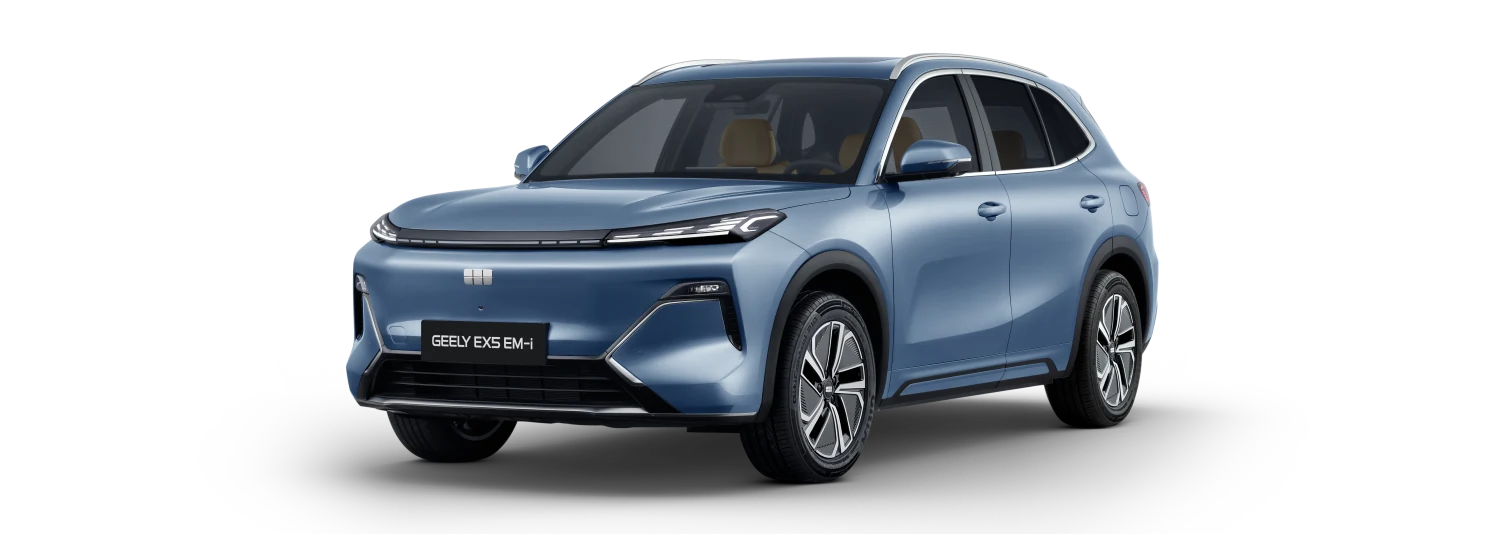
Chinese manufacturers often have models in their domestic lineup that don't yet have European distribution — the Geely Starray EM-i 2026 super-hybrid is an example as of early 2026. Independent importers with WVTA handling capability can introduce these to European dealers.
Realistic economics in 2026
The EU countervailing tariff has compressed margins meaningfully for direct Chinese imports. A vehicle that was 40% cheaper FOB than a European equivalent might only be 20-25% cheaper once tariff, WVTA costs, and European retail infrastructure are factored in. The value proposition is still real, but "China price" is not the headline anymore.
The UK post-Brexit is noticeably more favorable for Chinese EV import economics than the EU proper. Some Geely Group models reach UK pricing that significantly undercuts EU pricing for the same vehicle.
Getting started in Europe
For an independent dealer considering European entry:
- Confirm WVTA availability for your chosen model and trim with the manufacturer or through our export desk.
- Understand your specific countervailing duty rate based on the manufacturer's assigned tariff code.
- Choose a market where official distribution is weak — Balkan, peripheral Eastern Europe, UK for specific models.
- Budget for European-grade service infrastructure — European buyer expectations are high.
See our Balkan market notes for specific dealer recommendations in that region.