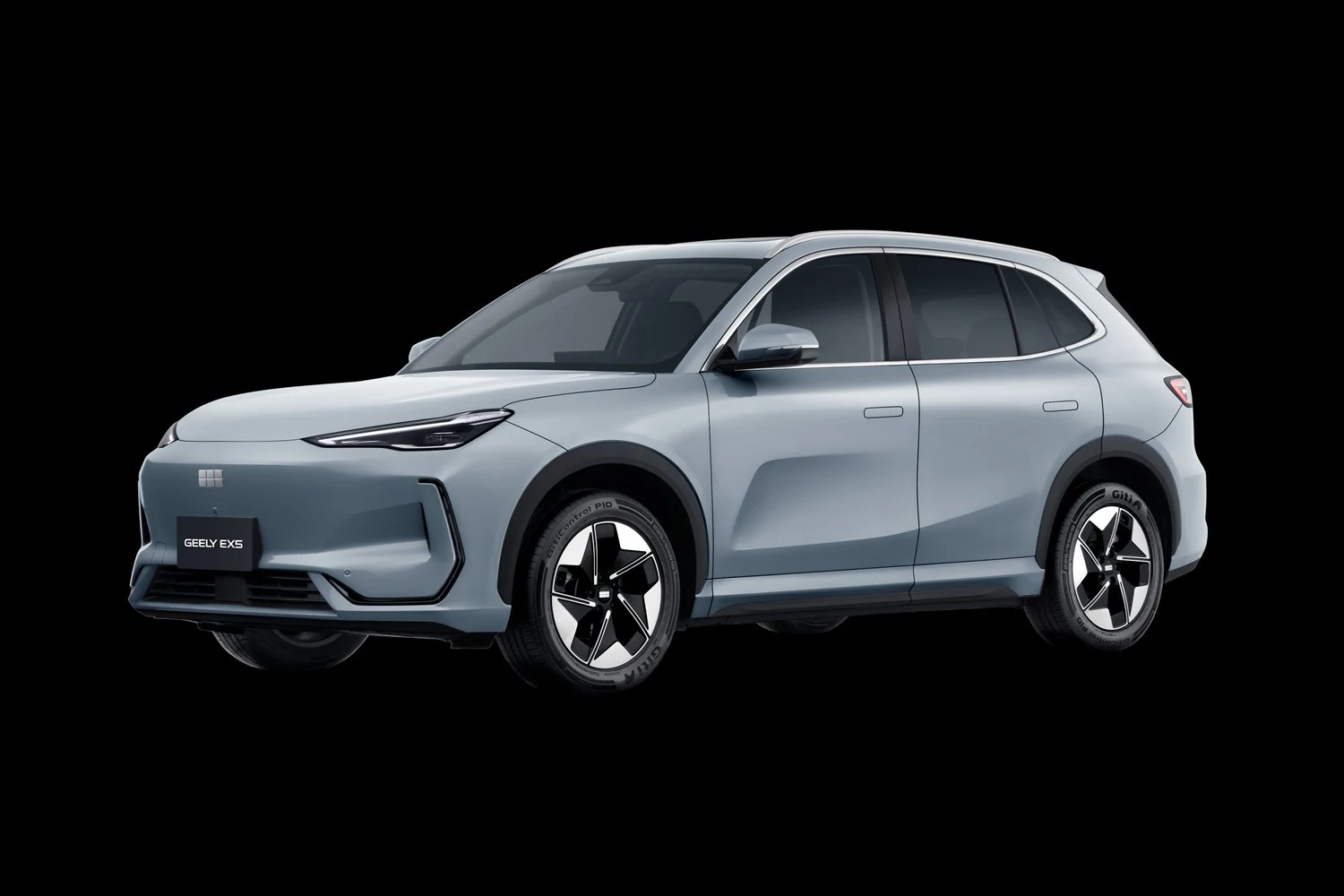
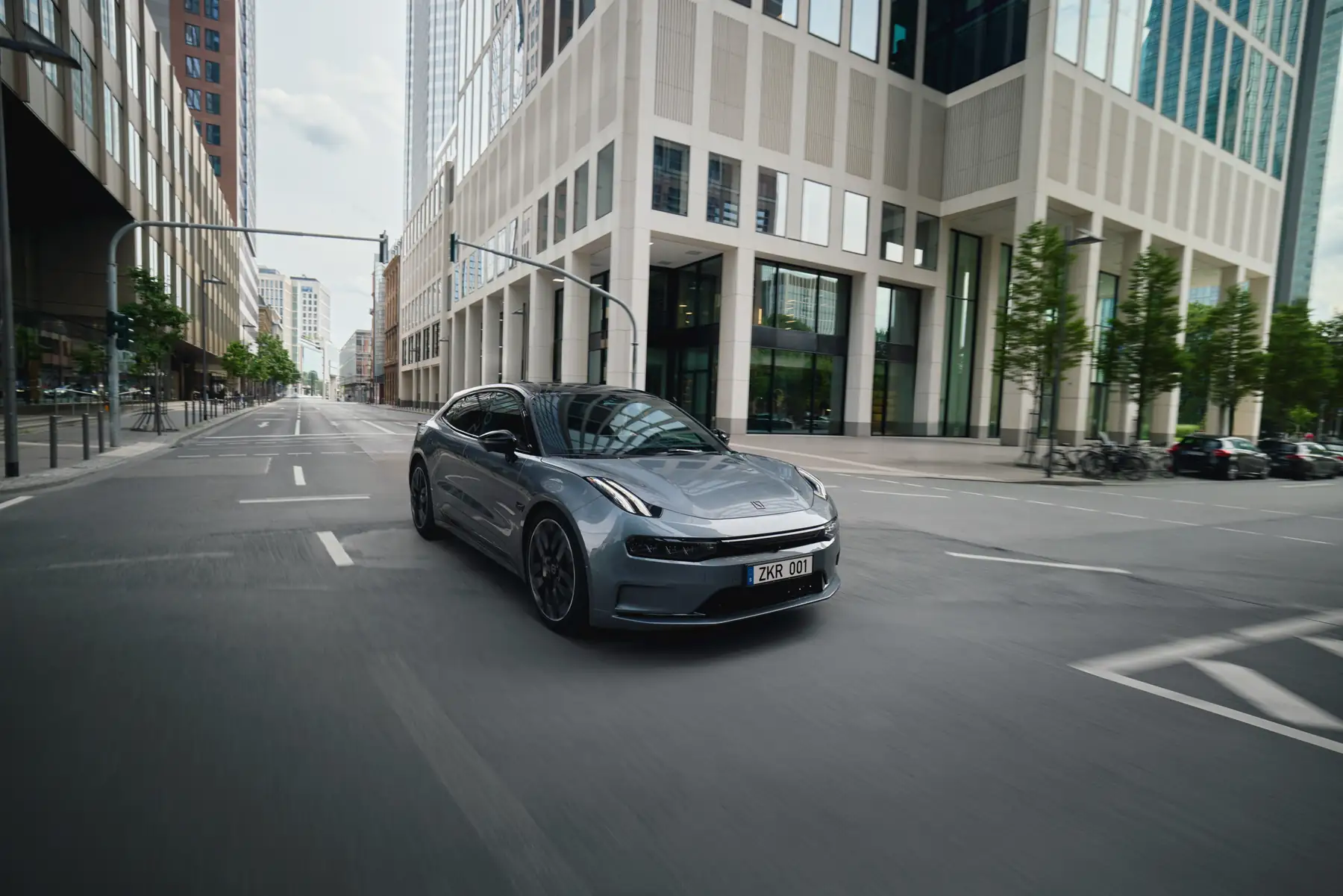
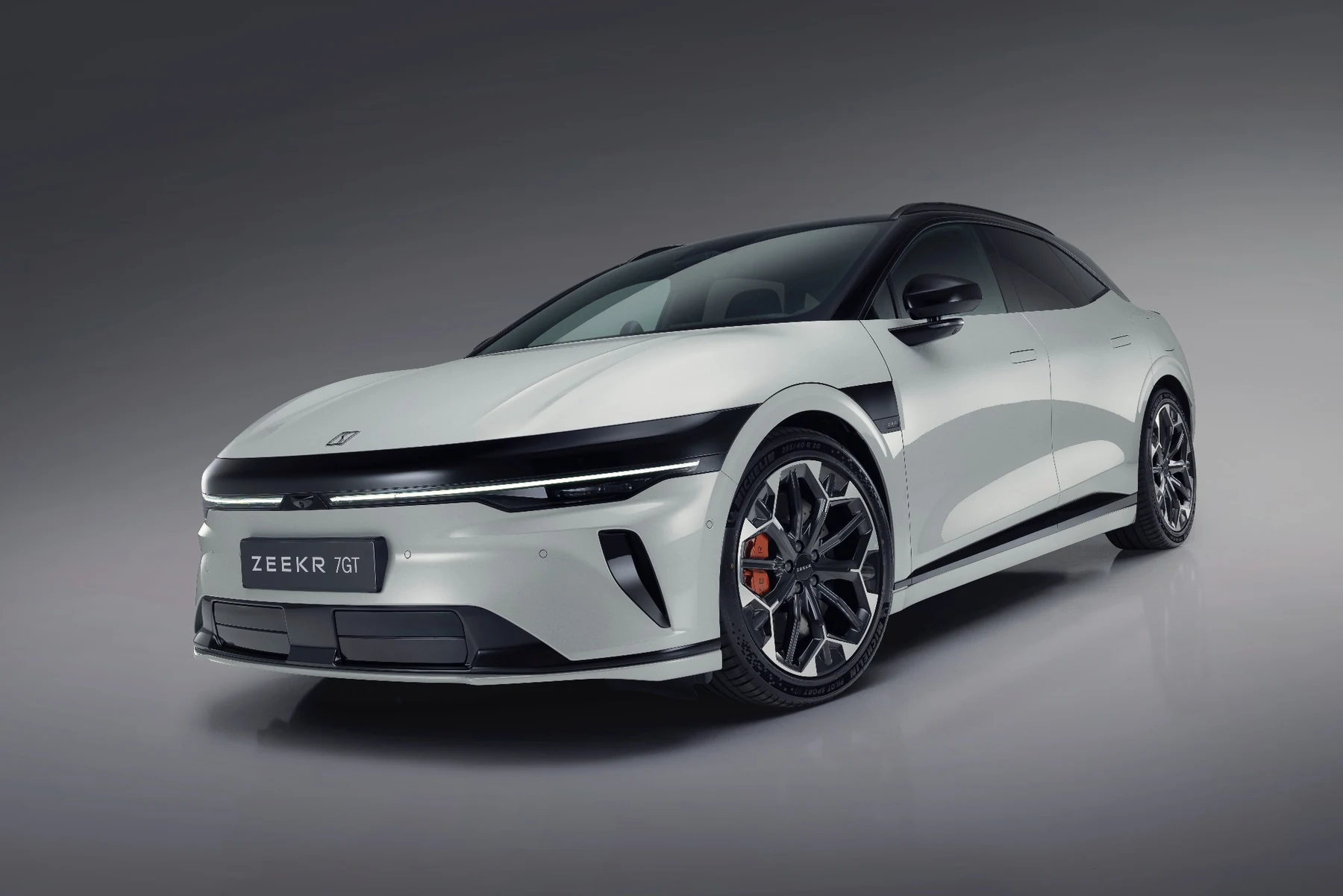
Geely is the #1 Chinese auto exporter globally. Over 400,000 vehicles exported annually, across 80+ countries. Independent dealers in emerging markets have a structural window to build Geely-focused retail and fleet operations — before the official distribution channels saturate their markets. This guide is the short version of what we wish every first-time Geely importer knew.
Why Geely specifically
Three structural reasons Geely (and Zeekr, its sister Geely Group brand) are the right first choice for most independent dealers:
- Proven global export. Coolray has crossed 1,000,000 units worldwide across 50+ markets. EX5 ships to 35+ countries. Emgrand is the default Chinese sedan in Russia/CIS. These aren't untested models — they're volume global exports with established aftermarket support.
- Export-first engineering. Geely EX5 was developed in LHD and RHD simultaneously. Coolray has been RHD-ready for a decade. Zeekr X has factory RHD for UK/AU/NZ/MY. This isn't retrofitted — it's engineered.
- Full portfolio. From entry-level urban EV (EX2) to executive long-range sedan (Zeekr 007) to proven ICE SUV (Coolray) to PHEV (Starray EM-i). One sourcing relationship covers most of your dealership's price tiers.
Why independent dealers are winning this cycle
Every previous Chinese auto export wave was dominated by official distributors with national exclusives. This cycle is different:
- Too many Geely models for any one distributor to cover well. National distributors typically stock the top 3-5 Geely models in their market. Everything else is a gap you can fill.
- Fleet buyers want specific trims. Ride-hail operators, rental companies, corporate chauffeur services have spec requirements that general-purpose distributors can't service quickly. Independents with direct factory access can.
- Regional depth beats national breadth. A dealer who knows Tashkent or Lagos or Tirana better than a national Geely distributor can close deals the distributor can't.
What to actually order first
The biggest mistake we see: a first-time importer orders a Zeekr 001 or 009 as their test unit. Landed cost runs high. Customer base isn't there. Car sits unsold.
Better first-shipment strategy:
- Match your existing customer price point. If your dealership moves affordable compact cars, order an EX2 or an Emgrand first, not a Zeekr 007.
- Prioritize proven global-export models. Coolray and EX5 have parts supply, aftermarket knowledge, and fewer regulatory surprises.
- Factor charging realities. If your market doesn't have fast chargers at every mall, a pure BEV (EX2/EX5) might sit on your lot longer than a PHEV (Starray EM-i). PHEVs are unromantic but they sell in charging-sparse markets.
- Think about parts. Coolray has 10+ years of aftermarket in most markets. A brand-new Zeekr model does not.
The numbers a first shipment looks like
Illustrative structure — not a quotation. Actual figures per RFQ.
Rough cost-structure breakdown for a single EX5 to a West African market, CBU:
| Line item | Rough share of total landed cost |
|---|---|
| Vehicle — FOB Shanghai | 55–65% |
| Ocean freight (single unit in container) | 4–6% |
| Marine insurance | ~1% |
| Destination port handling | ~1–2% |
| Customs clearance agent | ~1–2% |
| Duties & taxes (highly market-dependent) | 20–45% |
| Homologation / registration | ~1–3% |
| Total landed | 100% |
Duty variance is the single biggest market-to-market landed-cost driver. A 10-unit shipment collapses per-unit freight cost materially.
Seven things that go wrong (and how we prevent them)
1. Wrong homologation spec
You order a Geely model thinking it's EU-spec. It turns out to be China-domestic spec with different lighting, ADAS tuning, language options. Fix: homologation spec confirmed in writing on every FOBEV quotation.
2. Left-hand drive to a right-hand drive market
Happens more than it should. Fix: LHD/RHD listed explicitly on every quote; mismatches flagged before you sign.
3. Charging connector mismatch
A Geely EV arrives with a GB/T (China) charging port. Your market uses CCS2/CCS1/Type 2. Fix: connector standard confirmed per unit; factory or dealer-level swap arranged before loading when needed.
4. Missing registration documentation
Some China-domestic Geely vehicles ship without exact documentation foreign registration offices require. Fix: market-specific documentation package with every shipment.
5. Software locked to China
Navigation shows only Chinese maps. Voice assistant speaks only Mandarin. OTA updates from Chinese servers. Fix: global software availability confirmed per model; limitations flagged before order.
6. Payment strain at B/L copy
Standard is 30% deposit + 70% at B/L copy. Small dealers sometimes underestimate the working-capital strain. Fix: L/C at sight for orders above USD 200,000 shifts risk onto banks; much easier cash management.
7. Customer expectation mismatch
Your local customer expects German-brand ride refinement at Chinese-brand price. Geely in 2026 is impressive, but specific ride-tuning subtleties aren't consistently at German levels yet. Fix: managed expectation-setting; extended demo drives before purchase.
When you should not buy from us
We'll tell you up front:
- If your market has an active official Geely distributor who covers the models you want — buy from them. Better warranty, cheaper long-term parts.
- If you're buying a single vehicle for personal use. Documentation overhead makes one-off personal imports unattractive vs. your local retail.
- If you're shopping purely on lowest-dollar FOB price. Our pricing reflects inspection, documentation, and handholding. If raw price is your only factor, alibaba.com will beat us — at higher risk.
- If you want us to help you hide income from tax authorities. We don't issue fake invoices, we don't under-value shipments, we don't accept cash or crypto.
Next steps
If you're at the "ready to send an RFQ" stage: tell us your market, rough customer price point, and any specific constraints. We'll come back with 2–3 matched vehicle suggestions and realistic lead times.