
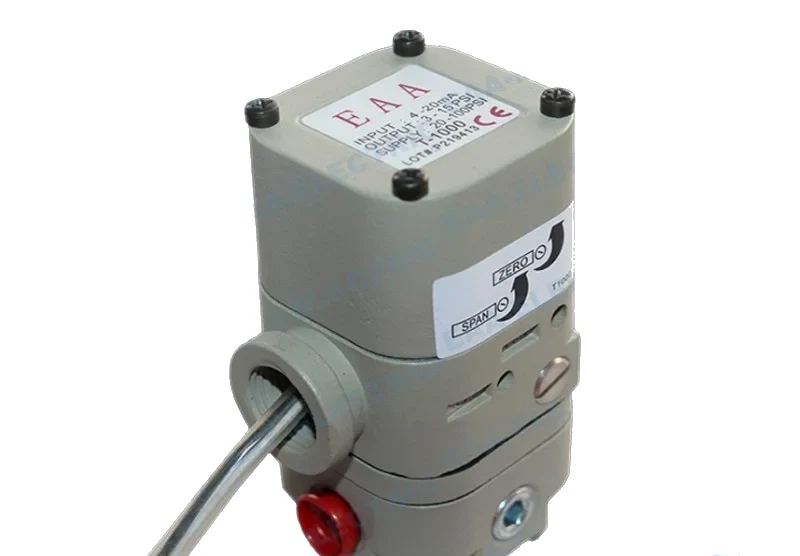
 Marsh Bellofram Type Transducer
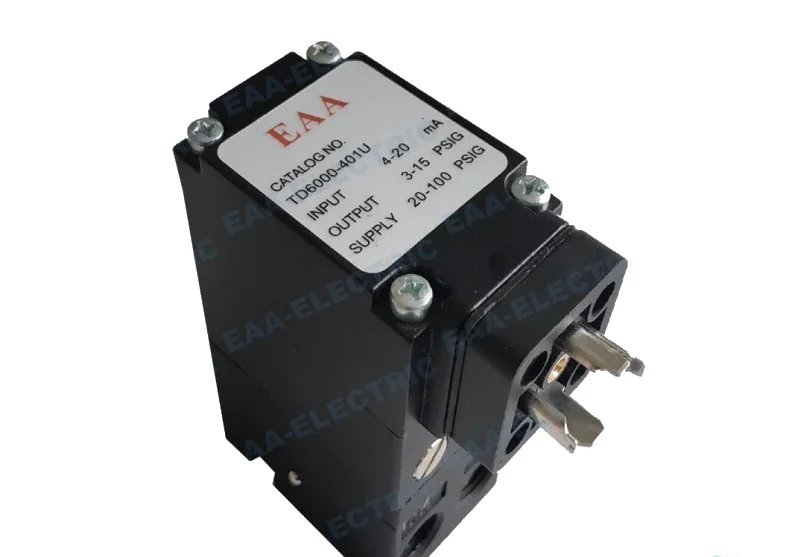 Fairchild Type Transducer
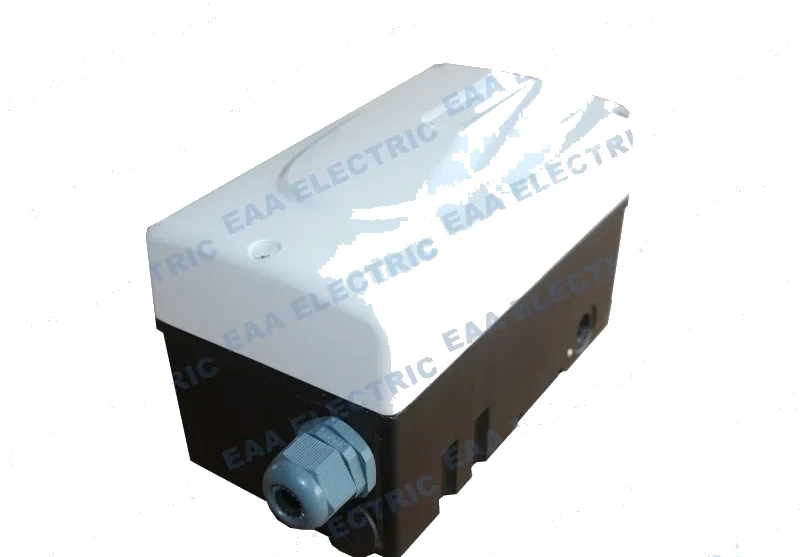 Flowserve Type Transducer
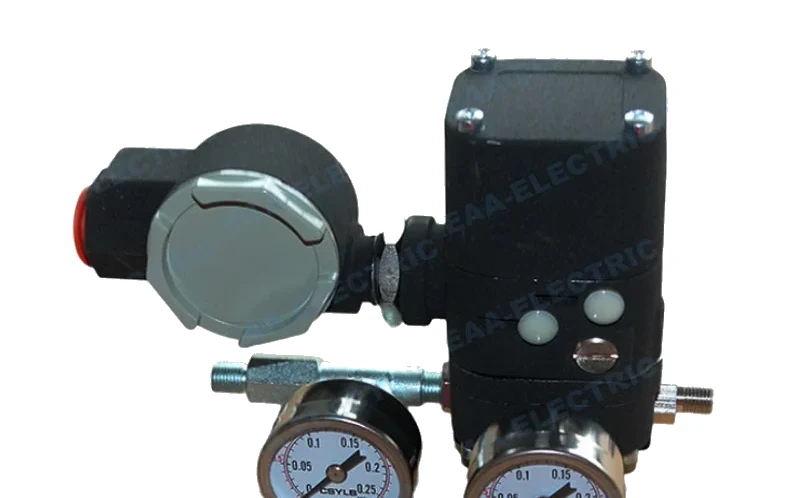 EPC Type Transducer
500X Electro Pneumatic Converter
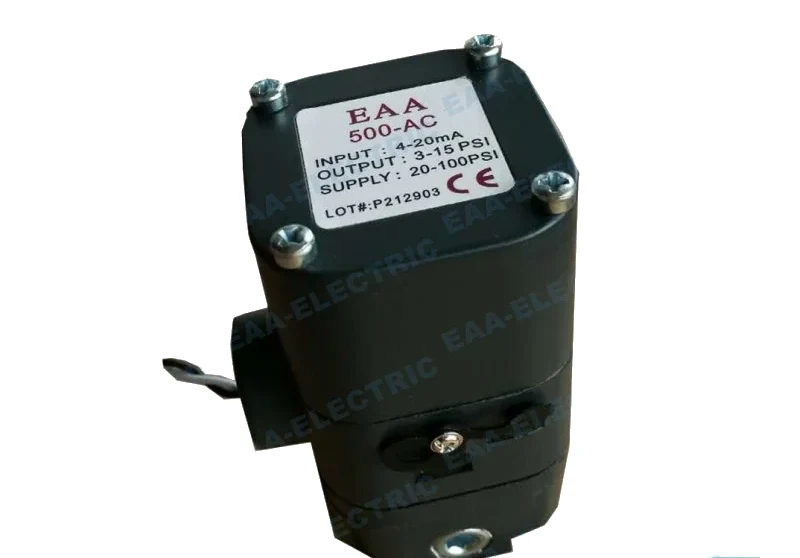
The 500X converter is the voltage-input member of the EAA-500 family. It sits between a control room that speaks in volts and a control valve that only understands air, and turns the one into the other at a fixed proportion. Eight E/P part numbers are catalogued, from 3-15 psi at 615 ohms to 3-120 psi at 805 ohms.
What This Model Is
A pneumatic control valve acts on a pneumatic signal and never touches the electrical signal used in industrial control. The field therefore needs a conversion instrument that takes the electrical signal from the control room and turns it into the gas signal the valve can recognise. That instrument is mounted on the control valve itself: it receives the electrical signal, converts it to a standard pneumatic signal, and delivers that signal into the valve as the pneumatic energy the valve operates on. The 500X converter does that job from a voltage input.
How It Works
Conversion is electromagnetic. The voltage signal is turned into a physical displacement of a mechanical part, which is the baffle in the nozzle and baffle mechanism. One side of the baffle disc carries a thin metal coil structure; current through that coil in the field of a permanent magnet moves the disc against the nozzle, the nozzle back pressure changes, and the pneumatic power amplifier turns that change into a usable output.
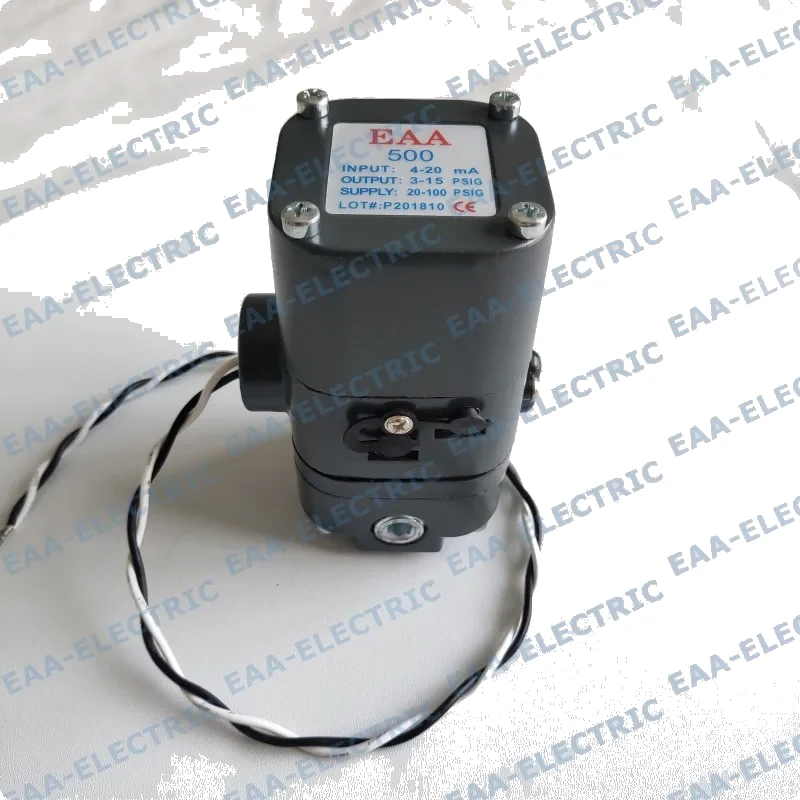
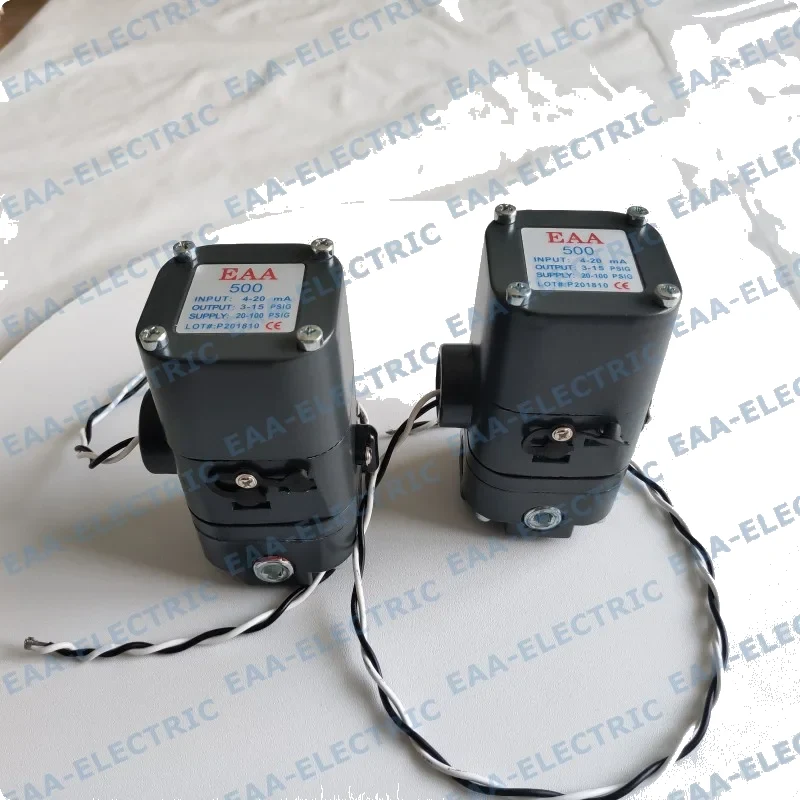
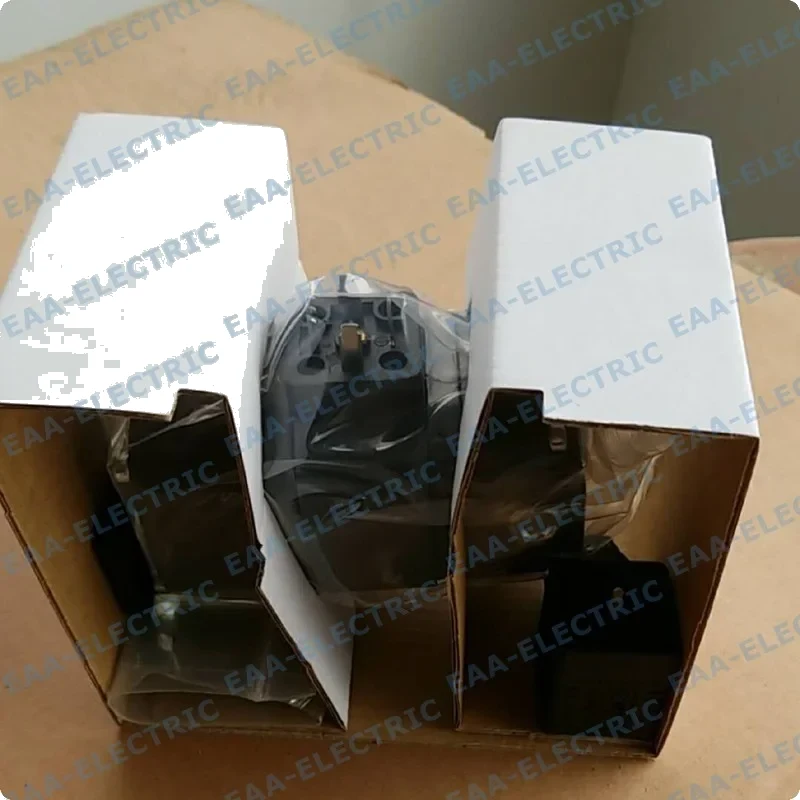
500X Electro Pneumatic Converter On Our Benches
Studio and workshop photographs of the units as built, not renderings.
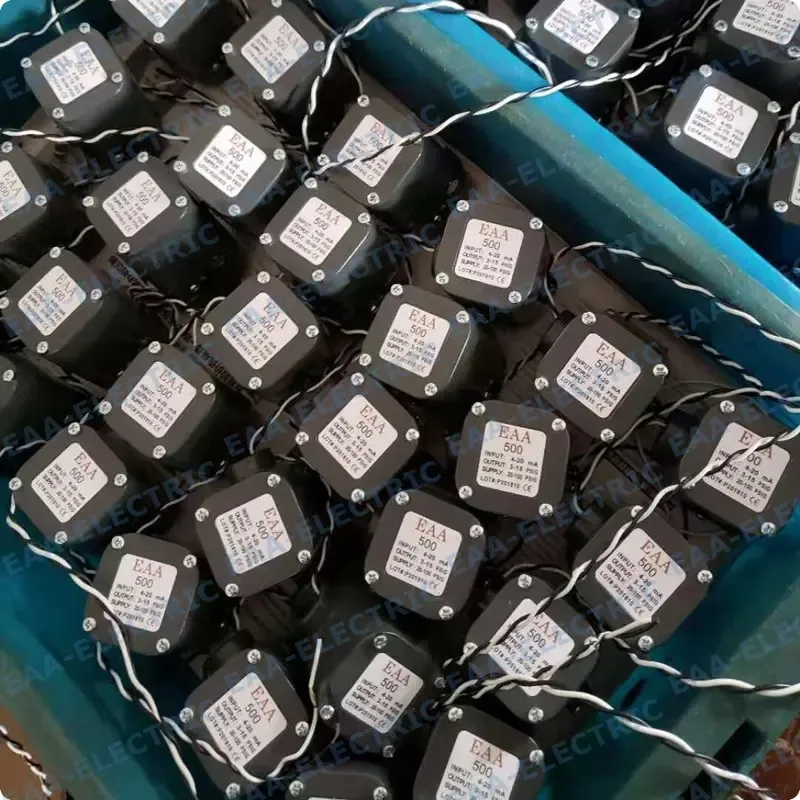
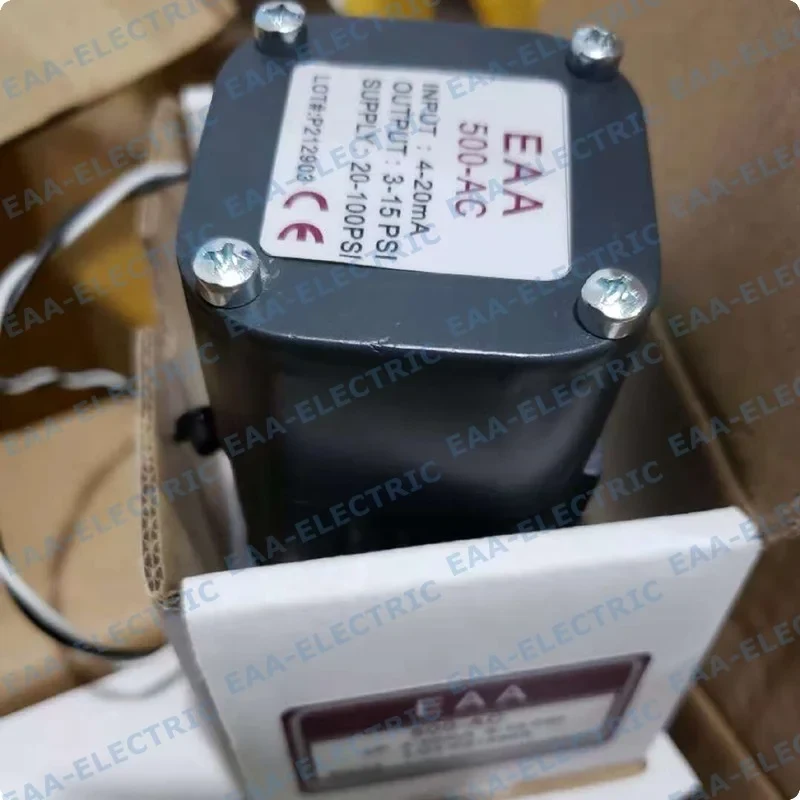
What You Get From This Model
Takes the voltage signal directly
0-5 VDC, 1-9 VDC and 0-10 VDC units are catalogued, so a voltage loop does not need a signal converter in front of the transducer.
Impedance is published
Each part number carries its coil impedance, from 500 ohms to 985 ohms, so loop loading can be checked on paper before the order goes out.
Same body as the current version
The converter and the transducer share the 500X body, ports and adjustment screws, so a site stocking both keeps one set of fittings and brackets.
Drives the actuator without a booster
The integral amplifier produces enough flow to move a control valve actuator on its own.
Where It Is Used
- DCS and PLC voltage outputs driving pneumatic control valves
- Retrofit of an electronic controller onto an older pneumatic plant
- Laboratory and pilot plant rigs running on 0-10 V signalling
- Pneumatic positioners fed from a voltage source
Who Orders It
- Plants that standardised on voltage rather than current signalling
- System integrators bridging an electronic controller to pneumatic final elements
- Maintenance teams replacing a failed E/P unit of the same pattern
- OEM skid builders specifying a voltage-input conversion stage
What This Model Fixes
The control room signal and the valve do not speak the same language
The converter is the translation stage, mounted at the valve so the electrical run ends where the pneumatic run begins.
A voltage loop has been forced through a current converter
Ordering the E/P part number removes the extra signal conditioner and the failure point that comes with it.
Loop loading is unknown
Published impedance per part number lets the loop be checked before commissioning instead of during it.
Features And Specifications
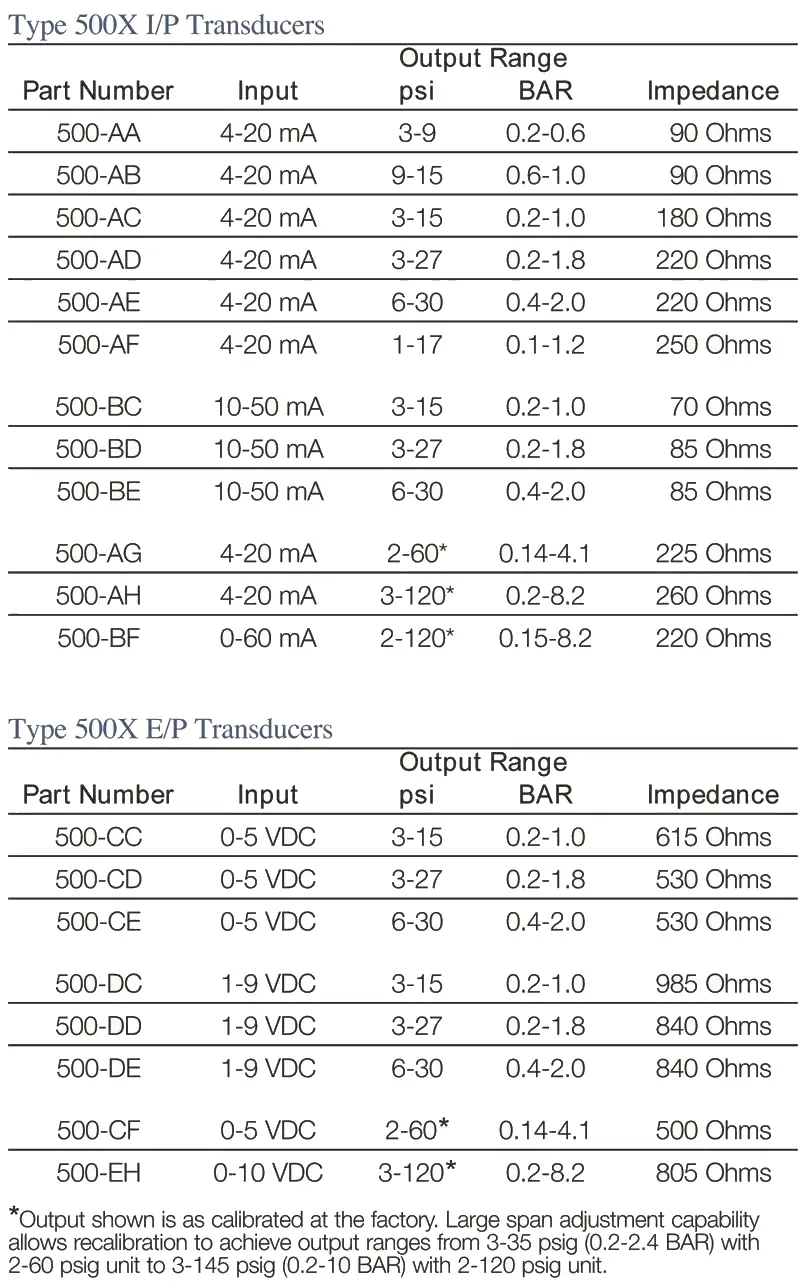
Every figure below is transcribed from the datasheet EAA publishes for this series. Anything not published is not listed.
- Voltage input, linearly proportional pneumatic output
- Eight catalogued E/P part numbers
- Published coil impedance for every range
- Nozzle and baffle section with pneumatic power amplification
- External zero and span screws on the front face
- 1/4 NPT and 1/2 NPT porting
| Part number | Input | Output psi | Output BAR | Impedance |
|---|---|---|---|---|
| 500-AA | 4-20 mA | 3-9 | 0.2-0.6 | 90 Ohms |
| 500-AB | 4-20 mA | 9-15 | 0.6-1.0 | 90 Ohms |
| 500-AC | 4-20 mA | 3-15 | 0.2-1.0 | 180 Ohms |
| 500-AD | 4-20 mA | 3-27 | 0.2-1.8 | 220 Ohms |
| 500-AE | 4-20 mA | 6-30 | 0.4-2.0 | 220 Ohms |
| 500-AF | 4-20 mA | 1-17 | 0.1-1.2 | 250 Ohms |
| 500-BC | 10-50 mA | 3-15 | 0.2-1.0 | 70 Ohms |
| 500-BD | 10-50 mA | 3-27 | 0.2-1.8 | 85 Ohms |
| 500-BE | 10-50 mA | 6-30 | 0.4-2.0 | 85 Ohms |
| 500-AG | 4-20 mA | 2-60* | 0.14-4.1 | 225 Ohms |
| 500-AH | 4-20 mA | 3-120* | 0.2-8.2 | 260 Ohms |
| 500-BF | 0-60 mA | 2-120* | 0.15-8.2 | 220 Ohms |
| Part number | Input | Output psi | Output BAR | Impedance |
|---|---|---|---|---|
| 500-CC | 0-5 VDC | 3-15 | 0.2-1.0 | 615 Ohms |
| 500-CD | 0-5 VDC | 3-27 | 0.2-1.8 | 530 Ohms |
| 500-CE | 0-5 VDC | 6-30 | 0.4-2.0 | 530 Ohms |
| 500-DC | 1-9 VDC | 3-15 | 0.2-1.0 | 985 Ohms |
| 500-DD | 1-9 VDC | 3-27 | 0.2-1.8 | 840 Ohms |
| 500-DE | 1-9 VDC | 6-30 | 0.4-2.0 | 840 Ohms |
| 500-CF | 0-5 VDC | 2-60* | 0.14-4.1 | 500 Ohms |
| 500-EH | 0-10 VDC | 3-120* | 0.2-8.2 | 805 Ohms |
* Output shown is as calibrated at the factory. The large span adjustment range allows recalibration to 3-35 psig (0.2-2.4 BAR) on the 2-60 psig unit and to 3-145 psig (0.2-10 BAR) on the 2-120 psig unit.
Selecting Installing And Calibrating
- Confirm the source can drive the coilCheck the controller output against the impedance printed on the part number, between 500 and 985 ohms depending on range.
- Mount at the valveThe converter belongs on the field valve, so the electrical cable run ends there and the air run is short.
- Pretreat the airA filter and pressure reducing device at the inlet keeps the instrument air constant and free of impurities.
- Calibrate against the valveJoint calibration with the connected valve is the normal practice and takes less work than calibrating the instrument in isolation.
How It Compares With The Alternatives
The converter differs from the transducer only in the input stage: volts instead of milliamps. Everything downstream, the nozzle and baffle, the amplifier, the ports and the adjustment screws, is the same. Against a valve positioner it is still an open-loop device, so it produces a signal pressure rather than forcing a stem position.
| Model | Distinguishing specification | Best suited to |
|---|---|---|
| 500X Electro Pneumatic Converter | 0-5 V, 1-9 V and 0-10 V input | Voltage signalling |
| 500X Electro Pneumatic Transducer | 4-20 mA, 10-50 mA and 0-60 mA input | Current signalling |
| EPC1000 Electro Pneumatic Transducer | Current input, direct acting, coded ordering | High-power output into large-bore valves |
Related cases
Related articles
Industry applications
Other Models Worth Comparing
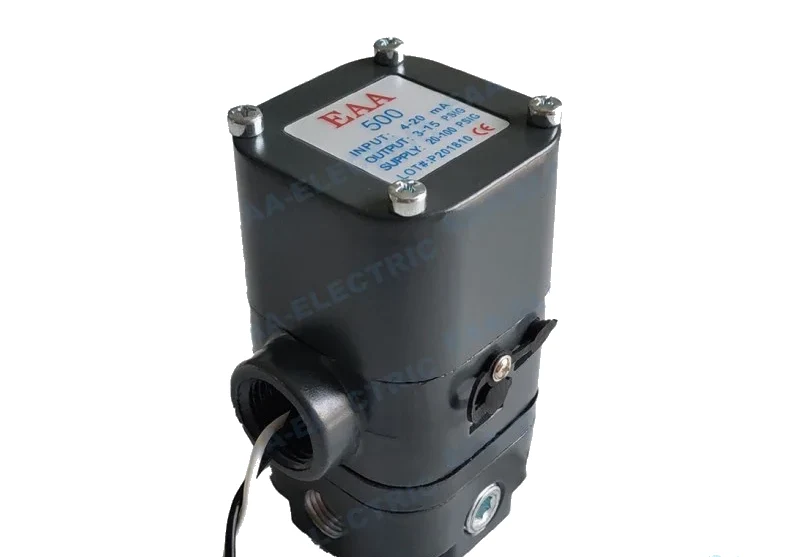 Controlair Type Transducer
500X Electro Pneumatic Transducer
Controlair pattern I/P transducer, 4-20 mA in, 3-15 to 3-120 psi out
View specifications →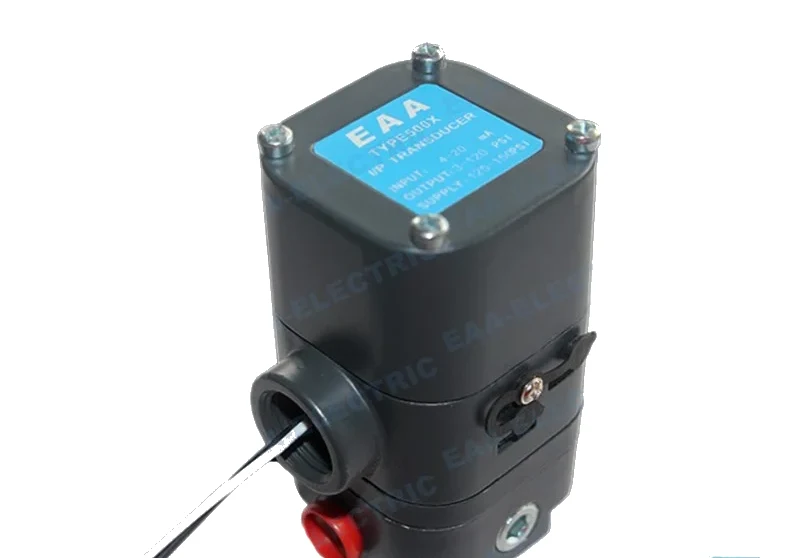 Controlair Type Transducer
500AC Electro Pneumatic Transducer
500-AC configuration, 4-20 mA in, 3-15 psi out, 180 ohms
View specifications →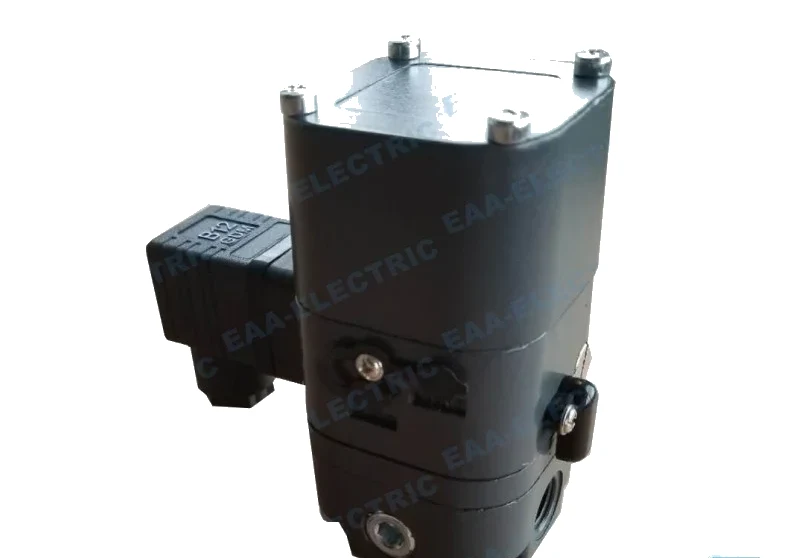 Controlair Type Transducer
500ACD Electro Pneumatic Transducer
500-AC range with a plug-in electrical termination
View specifications →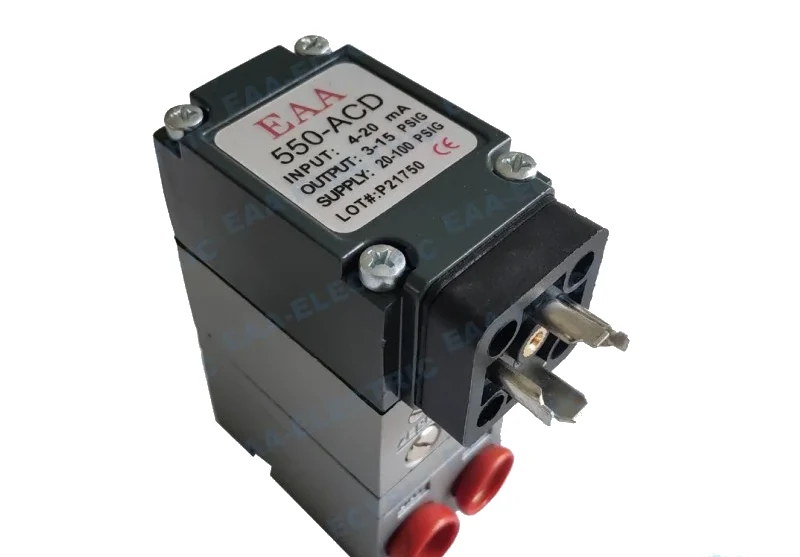 Controlair Type Transducer
550X Electro Pneumatic Transducer
Miniature EAA-550 series electronic pressure regulator, coded ordering
View specifications →Questions About The 500X Electro Pneumatic Converter
Which voltage inputs are available
0-5 VDC, 1-9 VDC and 0-10 VDC. The 0-5 V units run from 500-CC to 500-CF, the 1-9 V units from 500-DC to 500-DE, and the 0-10 V unit is the 500-EH.
What is the difference between the converter and the transducer
Only the input. The converter accepts a voltage signal, the transducer accepts a current signal. The pneumatic section is identical.
How much load does it put on the controller
Between 500 and 985 ohms depending on the part number. The figure is printed against each range in the selection table.
Can it feed a pneumatic positioner
Yes. Converting the control room signal and letting a pneumatic positioner do the stem work is a normal arrangement.
Is the output direct or reverse acting
The catalogued output ranges are direct acting. State the requirement at order stage so the correct unit is built.
Request A Price For The 500X
Tell us the input signal, the output range and the electrical termination, and the quotation comes back against the published part number.