
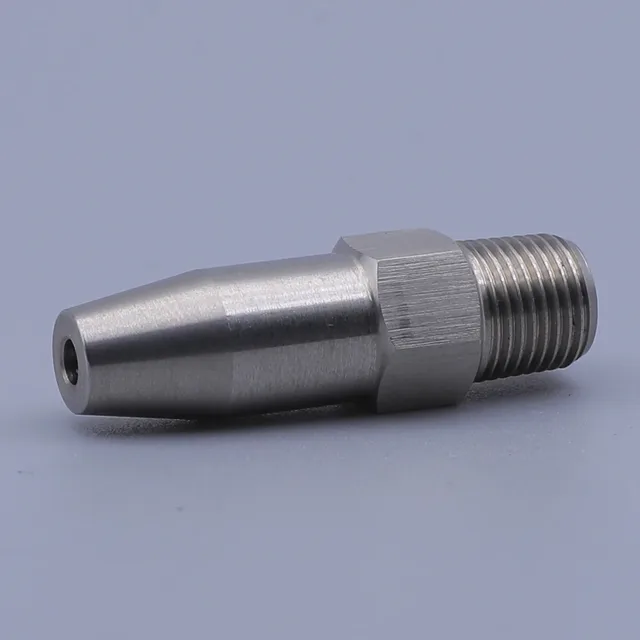
Spray Nozzles for Pulp and Paper Mills
In paper making, consistent water distribution across the web is critical. When shower bars, trim jets, or disc filter washers fail to deliver a stable, uniform spray, the result is web breaks, uneven drying, or blocked filters. A nozzle that clogs, drifts in pattern, or loses pressure stability under continuous wet op
Pain Points
What Goes Wrong in This Plant
- Shower nozzles plugging on recirculated white water that carries fibre and fillers
- Disc filter sectors blinding when the wash header no longer covers the full face
- Needle jet showers losing their jet pattern due to wear or blockage
- Nozzle changes requiring machine stoppage because the head cannot be cleaned or replaced in place
What Buyers Need
What a Replacement Has to Deliver
- Spray patterns that remain stable and consistent across the machine width
- Orifices and internal structures that resist plugging in dirty or recirculated water
- Nozzles that can be cleaned or replaced without dismantling the entire shower bar
- Adjustable flow rate to match varying process demands without changing the nozzle
- A supplier who can reproduce obsolete or discontinued nozzle designs from a sample or drawing
Recommended Products
Nozzles Used in Pulp and Paper Mills
Ceramic Trim Cutting Spray Nozzle
View specification
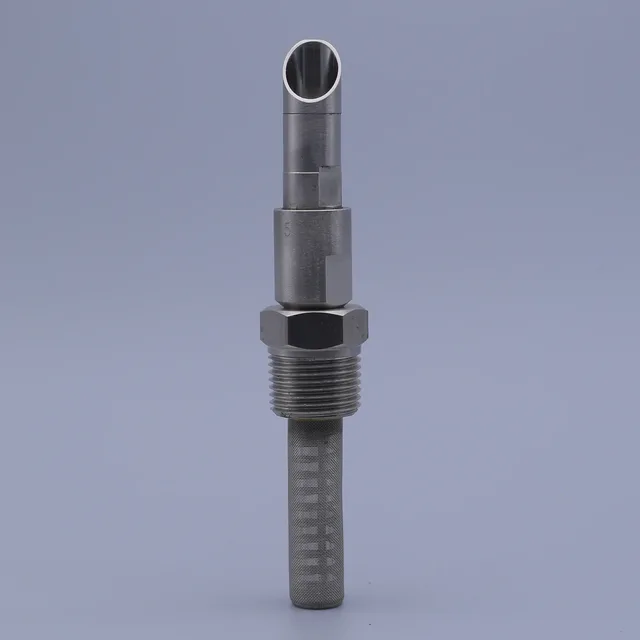
Double Trim Cutting Nozzle
View specification
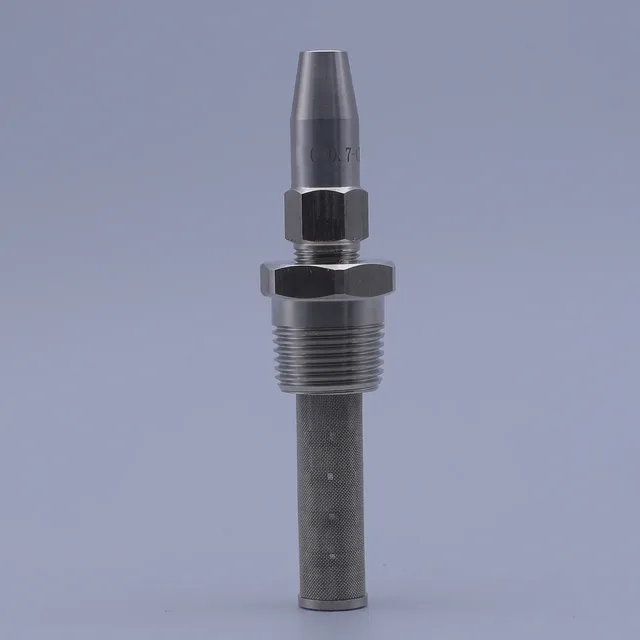
Single Orifice Ruby Trim Cutter Nozzle
View specification
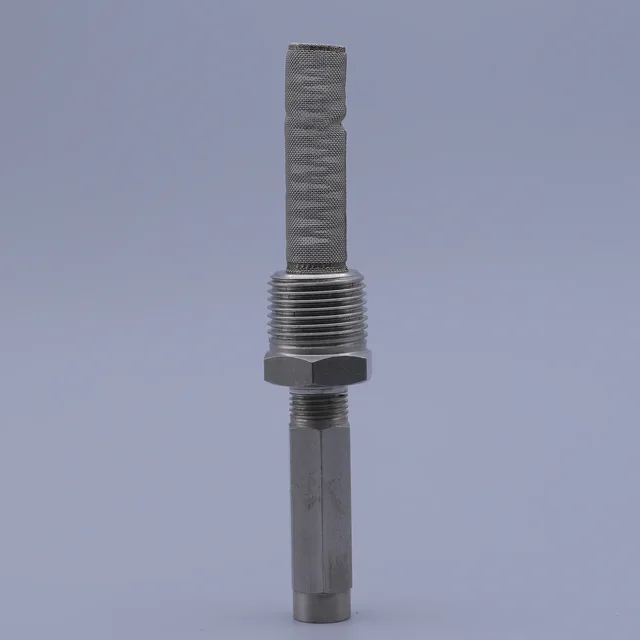
Paper Making Trim Cutting Nozzle
View specification
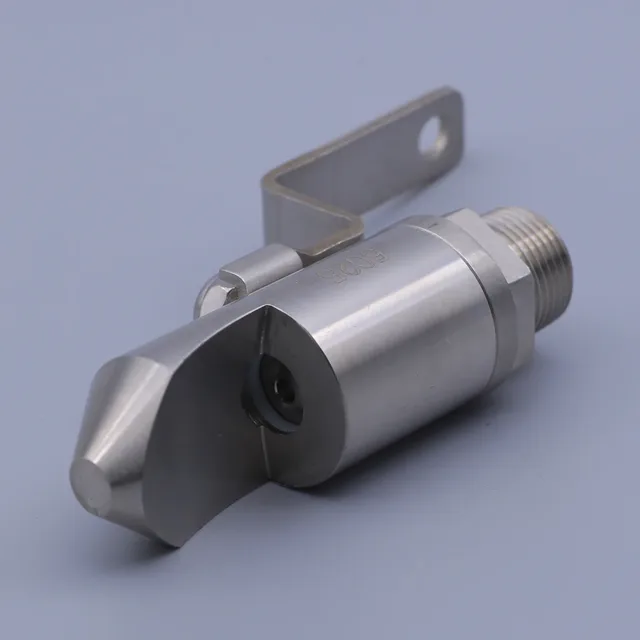
Disc Filter Washing Nozzle
View specification
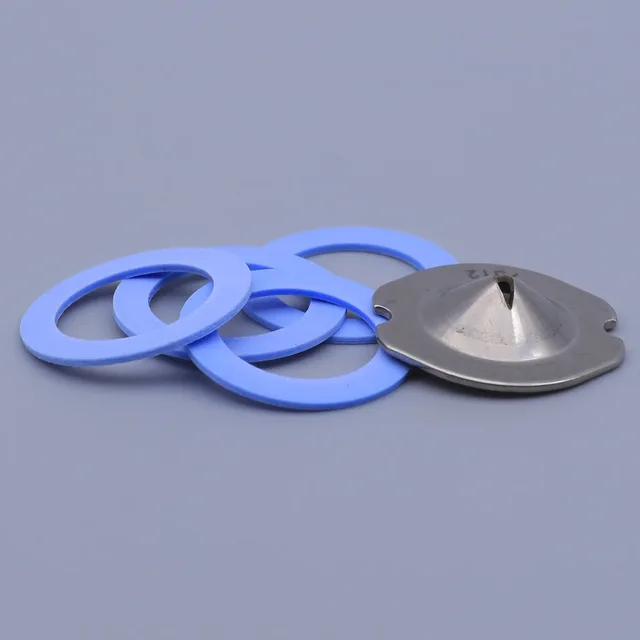
Disc Shower Spray Nozzle
View specification
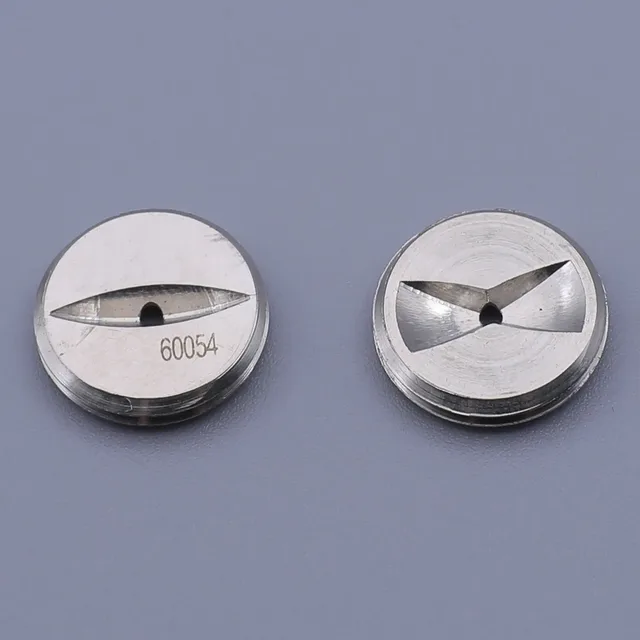
Disc Shower Nozzle
View specification
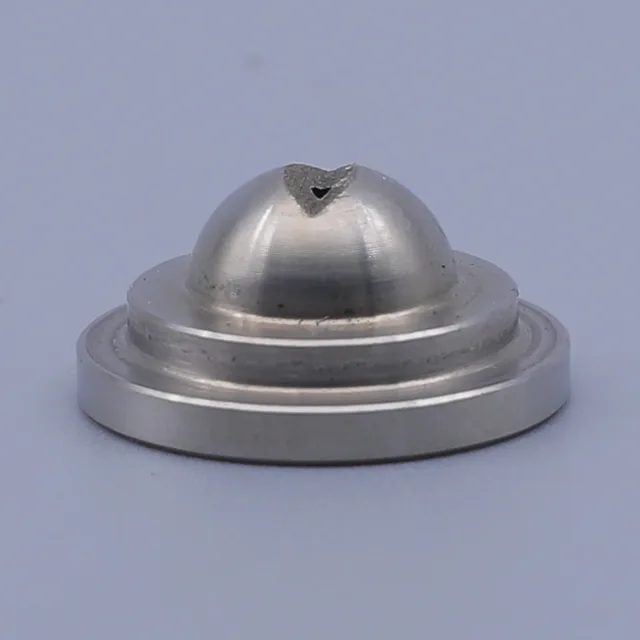
Fan Shower Nozzle
View specification
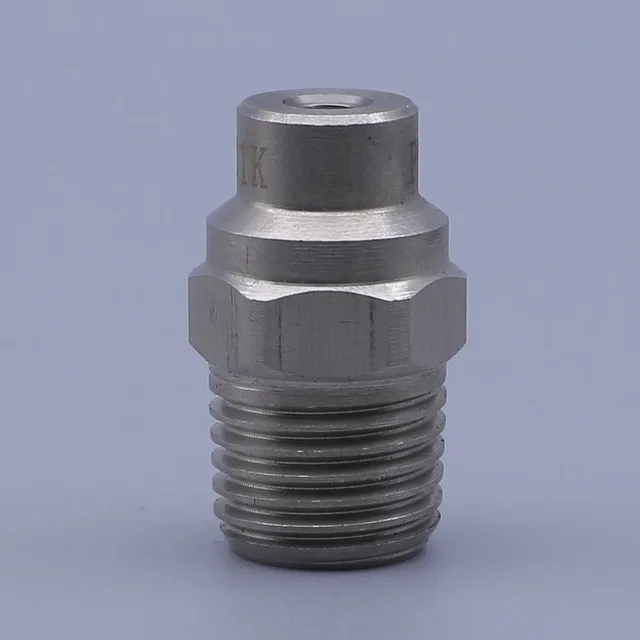
Needle Spray Nozzle
View specification
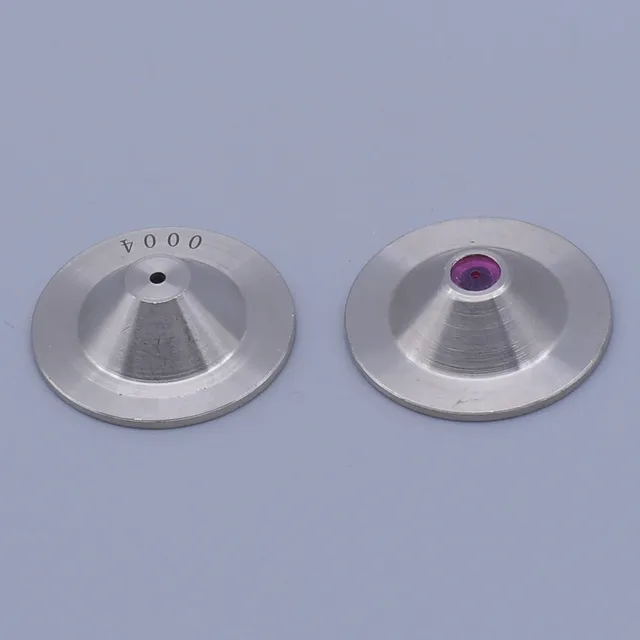
NeedleJet Shower Nozzle 1
View specification
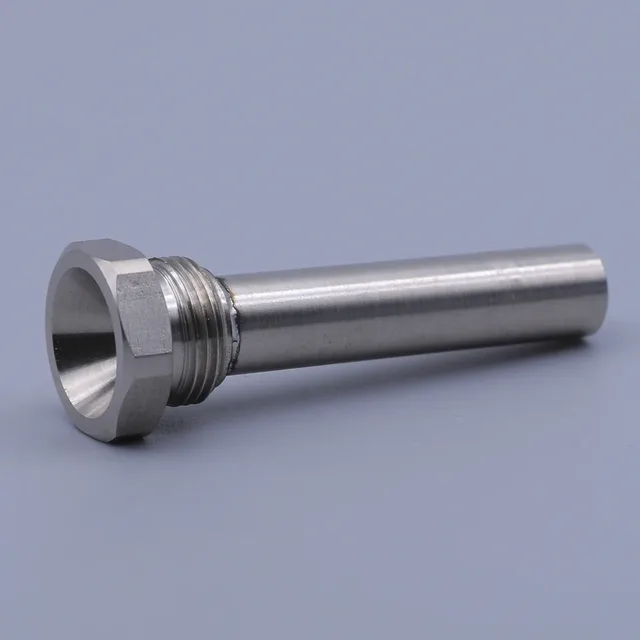
NeedleJet Spray Nozzle
View specification
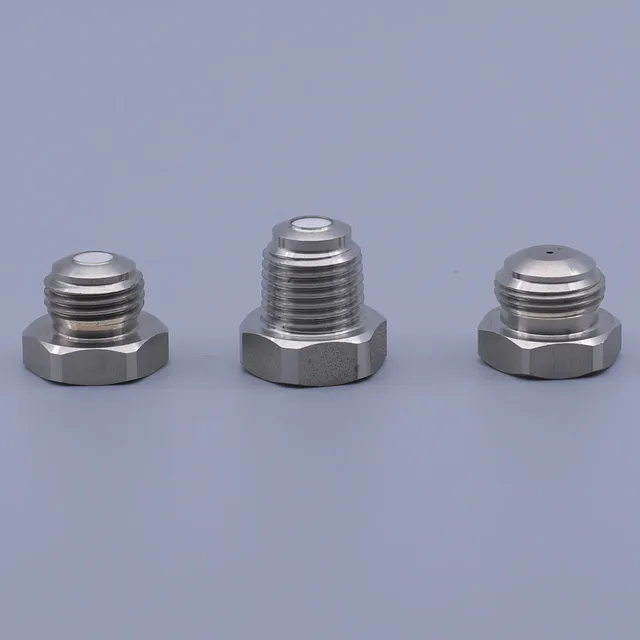
Paper Making Solid Stream Nozzle
View specification
Typical Scenarios
Where the Nozzles Sit in the Process
- High pressure needle showers keeping forming fabrics and press felts open
- Trim squirts cutting the sheet edge at the wet end and before the reel
- Disc filter washing headers keeping the sectors clean in the stock preparation loop
- Fan and disc showers lubricating and rinsing fabrics across the machine width
- Self cleaning heads on white water lines where solids would block a fixed orifice
How We Work Through It
From Enquiry to a Proven Position
- Confirm the position: shower, trim, washing, or lubrication, and the water quality feeding it
- Match the spray pattern and orifice to the existing bar spacing and standoff
- Match the thread and body length so the new head drops into the current bar
- Send trial samples for one position before the whole bar is changed
- Supply the balance of the bar once the trial position has run through a production cycle
Delivery Capability
What We Can Commit To
- Standard and non standard nozzles made to drawing or to a sample
- Samples ready within 10 days
- Small volume orders accepted so a single position can be trialled
- Bodies in brass, 303 stainless steel, 304 stainless steel or 316 stainless steel
- Every product tested before packing, with a 3 month quality guarantee
Ways to Order
Routes That Suit This Industry
Header Replacement and Retrofit
Put new heads into an existing spray bar without re-drilling it or stopping the line for longer than a planned outage.
How it works
Custom and OEM Nozzle Manufacturing
Standard and non standard nozzles made to your drawing or to a sample, including OEM marking and small volume batches.
How it works
Related Guides
Reading Before You Specify
Questions Buyers Ask
Pulp and Paper Mills Questions
Can you copy a paper making shower nozzle we can no longer buy?
Yes. Send photos of the head, the thread, the bar spacing and the duty. Standard and non standard nozzles are made to drawing or to a sample, and a sample can be ready within 10 days.
What stops a trim cutting jet from drifting or fraying the sheet edge?
A stable internal structure and consistent orifice sizing prevent pattern drift. The air atomizing design allows for fine droplet control and pattern stability under varying flow rates. Confirm the thread size and spray pattern with us before ordering.
Which body material do paper mills usually take?
Stainless steel is the normal choice on a paper machine because the environment is wet and warm. 316 stainless steel is used where the white water is aggressive. Brass is still used on low duty lubrication positions.
Can we trial one position before changing the whole bar?
Yes. Small volume orders are accepted, and trial samples can be sent free of charge, so a single position can be run through a production cycle before the rest of the bar is ordered.
How do we order the right size without a drawing?
Send a photo of the old head next to a rule, the thread type, and the line pressure. That is usually enough to identify the pattern and orifice and to quote a direct replacement.
Send Us the Position You Need to Fix in Your Pulp and Paper Mill
A photograph of the old head, the thread standard and the line pressure are usually enough to quote a direct replacement.