
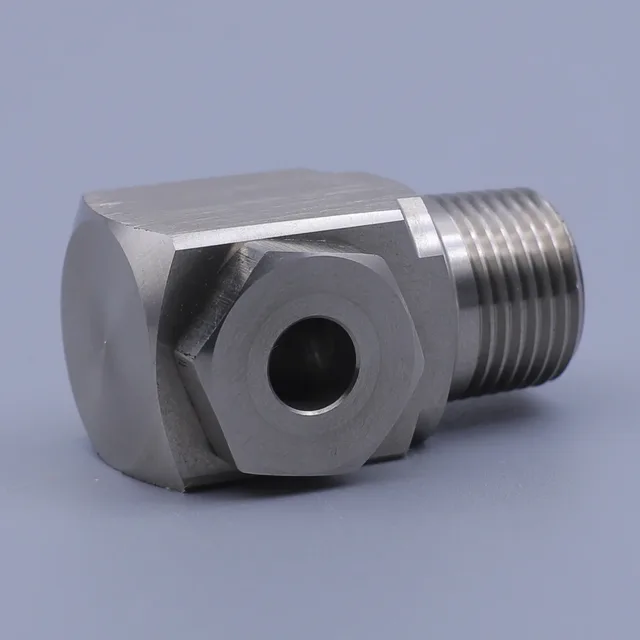
Spray Nozzles for Gas Scrubbing and Cooling
In gas scrubbing and cooling systems, the spray nozzle must maintain consistent droplet distribution across a wide flow range while resisting clogging from fly ash, slurry, or recirculated water. The wrong nozzle can also cause uneven spray patterns that leave zones of uncleaned gas or insufficient cooling.
Pain Points
What Goes Wrong in This Plant
- Nozzle clogging from fly ash or solids in recirculated scrubbing water
- Uneven spray pattern causing dead zones in gas contact and reduced scrubbing efficiency
- Frequent maintenance stops due to internal vane blockage in standard full cone nozzles
- Inability to handle slurries or high-solids liquids in chemical scrubbing or metal treating applications
What Buyers Need
What a Replacement Has to Deliver
- Nozzles with large, unobstructed flow passages to resist clogging on dirty or slurry-laden liquids
- Spray patterns that cover a wide area uniformly, especially in large diameter ducts or towers
- Materials that resist corrosion from aggressive gases, chemicals, or brine in scrubbing systems
- Nozzles that can be installed or replaced in existing pipe without major modification
- A supplier who can provide trial samples for critical positions before full system change
Recommended Products
Nozzles Used in Gas Scrubbing and Cooling
Tangential Hollow Cone Nozzle
View specification
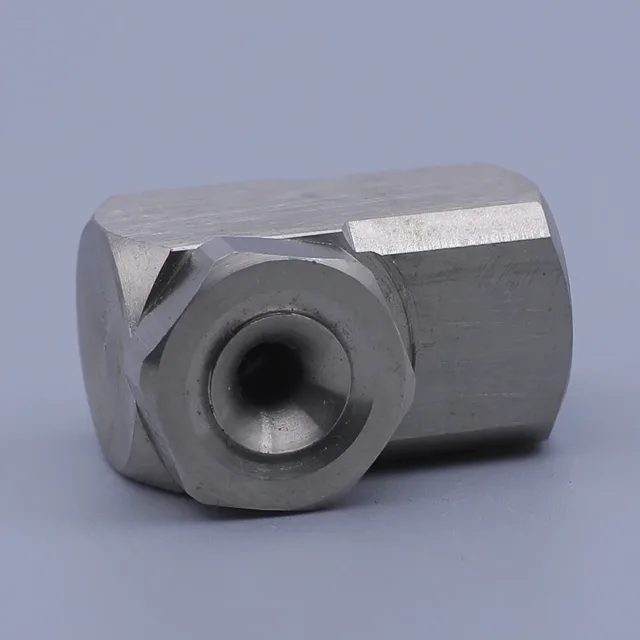
Hollow Cone Nozzle
View specification
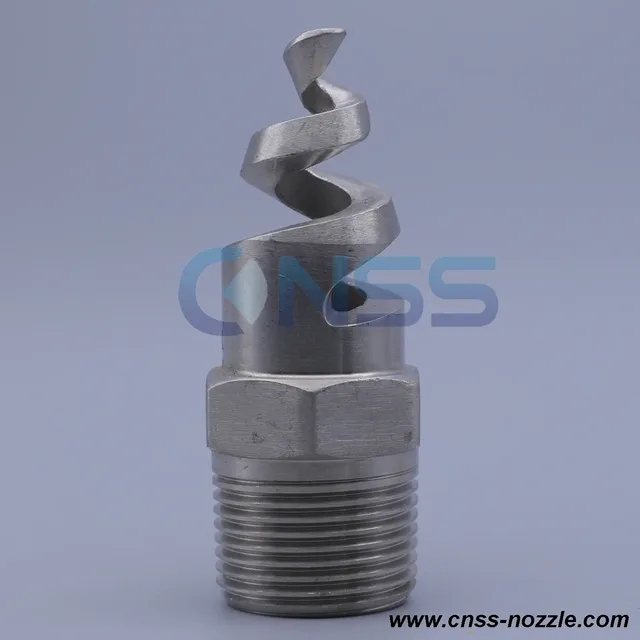
Spiral Nozzle
View specification
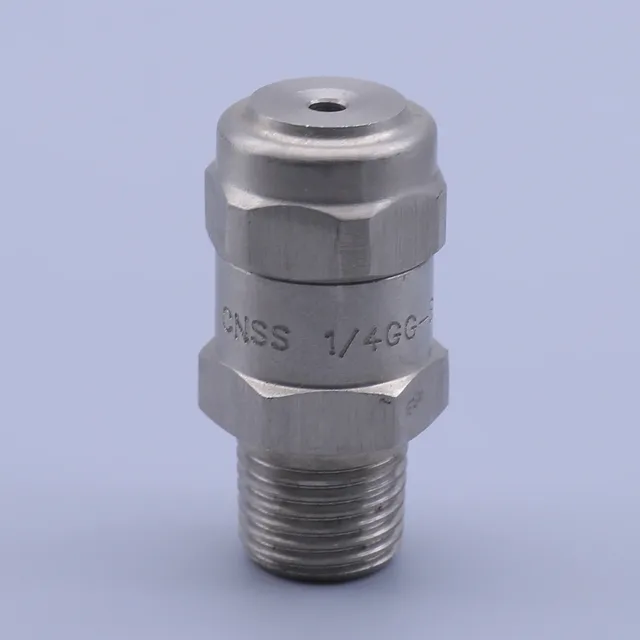
Full Cone Spray Nozzle
View specification
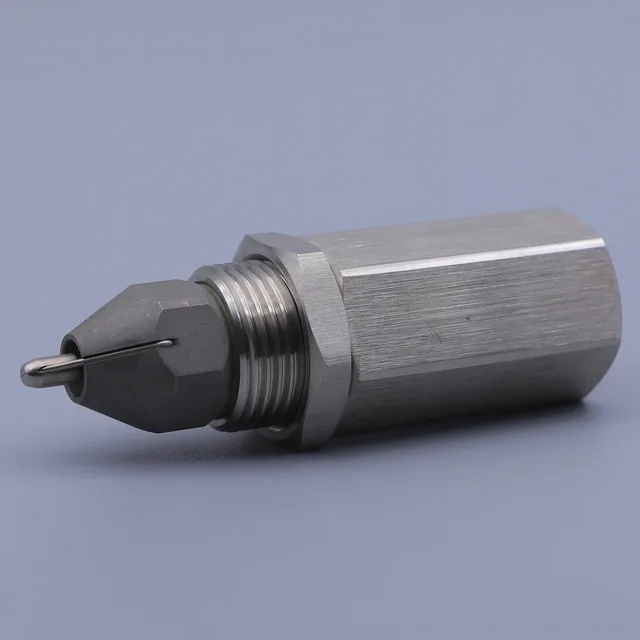
Air Atomized Nozzle
View specification
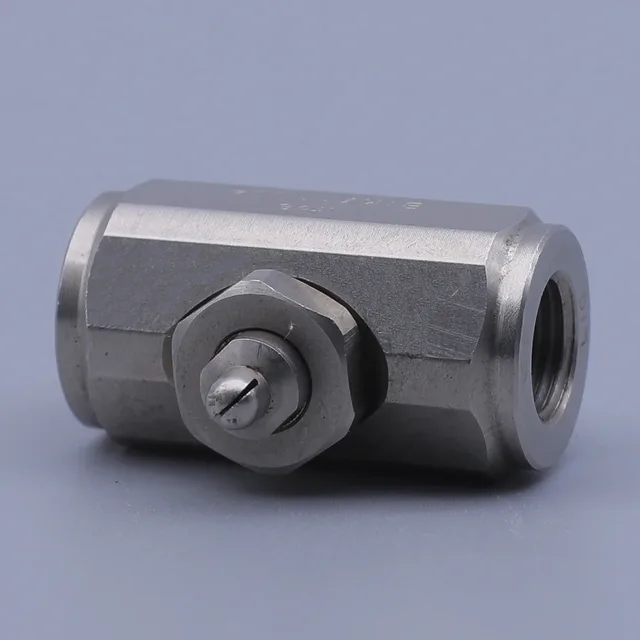
Air Atomizing Nozzle Spray Nozzle
View specification
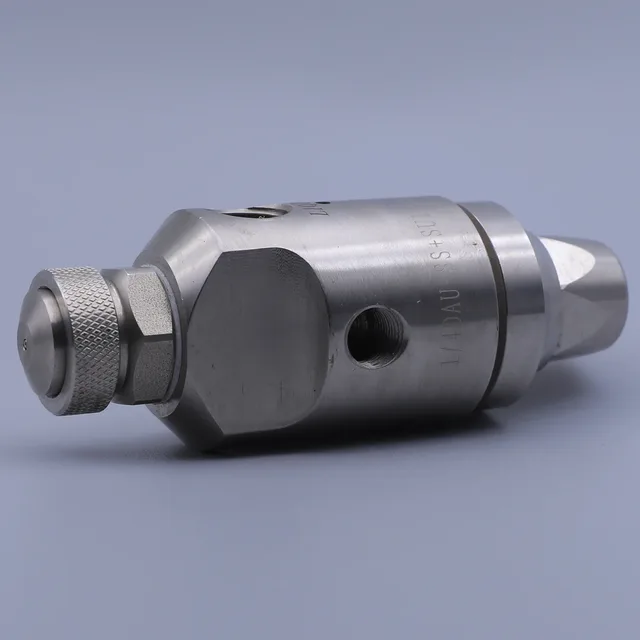
Air Atomizing Nozzle Made in China
View specification
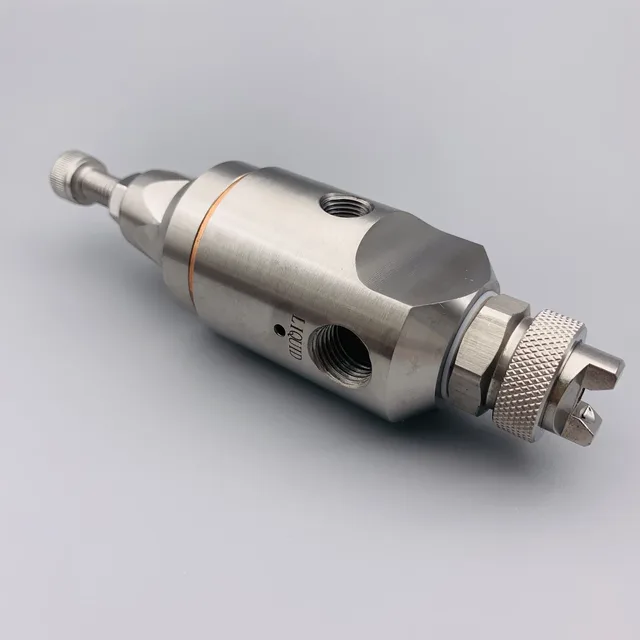
Air Atomizing Nozzle Flat Spray
View specification
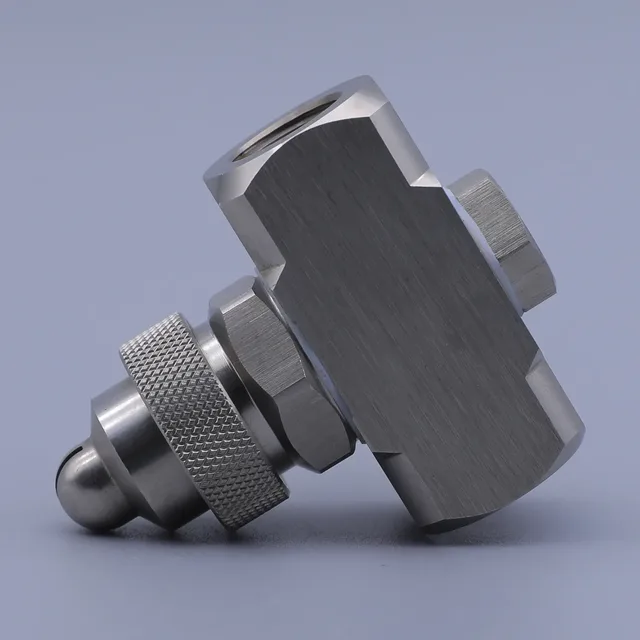
Air Atomizing Nozzle
View specification
Typical Scenarios
Where the Nozzles Sit in the Process
- Hollow cone nozzles used in gas scrubbers to remove fly ash and particulates from combustion exhaust
- Spiral full cone nozzles in cooling towers and spray ponds where recirculated water carries solids
- Air atomizing nozzles in aerating systems for gas conditioning and temperature control
- Full cone nozzles in chemical scrubbing units handling slurries or high-solids waste streams
- Spiral hollow cone nozzles in roof cooling or dust suppression systems where clog resistance is critical
How We Work Through It
From Enquiry to a Proven Position
- Confirm the application: gas scrubbing, cooling, aerating, or dust suppression, and the liquid type (clean, recirculated, or slurry)
- Select the spray pattern: hollow cone for ring impact, full cone for solid coverage, spiral for maximum solids handling
- Match the spray angle (60° to 170°) and flow rate range (5.5 to 4140 L/min at under 3 bar) to the system's pressure and coverage needs
- Choose body material based on liquid chemistry: brass, 303SS, 316SS, PVC, PP, PVDF, or PTFE
- Send trial samples for one position to verify performance before full system installation
Delivery Capability
What We Can Commit To
- Standard and non-standard nozzles made to drawing or to a sample
- Samples ready within 10 days
- Small volume orders accepted for trial installations
- Body materials include brass, 303 stainless steel, 316 stainless steel, PVC, PP, PVDF, and PTFE where duty allows
- Every product tested before packing, with a 3 month quality guarantee
Ways to Order
Routes That Suit This Industry
Questions Buyers Ask
Gas Scrubbing and Cooling Questions
Can you replace a hollow cone nozzle that is no longer available?
Yes. Send photos of the old nozzle, including the thread, body length, and spray pattern. Standard and non-standard nozzles are made to drawing or to a sample, and a sample can be ready within 10 days.
What material should I use for a scrubber handling acidic gases?
316 stainless steel or PTFE is recommended for aggressive chemical environments. PVC, PP, or PVDF are suitable for less corrosive scrubbing liquids with high solids content.
How do I avoid clogging in a spiral full cone nozzle?
The spiral design provides an expedite flow channel with minimal internal restriction, allowing solids to pass without blocking. This makes it ideal for recirculated water or slurry applications where clog resistance is critical.
Can I trial one nozzle before changing the whole system?
Yes. Small volume orders are accepted, and trial samples can be sent free of charge, so you can test one position in your system before committing to a full replacement.
What is the flow rate range for the spiral full cone nozzle?
The spiral full cone nozzle operates at 5.5 to 4140 L/min under 3 bar pressure, making it suitable for high-volume scrubbing and cooling applications.
Send Us the Position You Need to Fix in Your Gas Scrubbing and Cooling
A photograph of the old head, the thread standard and the line pressure are usually enough to quote a direct replacement.