
troubleshooting guide
Why Spray Nozzles Clog and How to Stop It
Blockage in Recirculated Water Systems Starts with Solids
When water is reused in washing, scrubbing or cooling lines, fibres, scale, fines and corrosion products accumulate. The problem is worst in long-term idle systems like fire suppression, where a blocked nozzle fails when needed most.
Spiral Design Maximises Free Passage for Solids
Spiral full cone nozzles place the vane externally, eliminating internal obstructions. This design increases the maximum free passage, allowing larger particles to pass without blockage. It is ideal for recirculated wash water, chemical slurries, and other dirty liquids where reliability under infrequent use is critical.
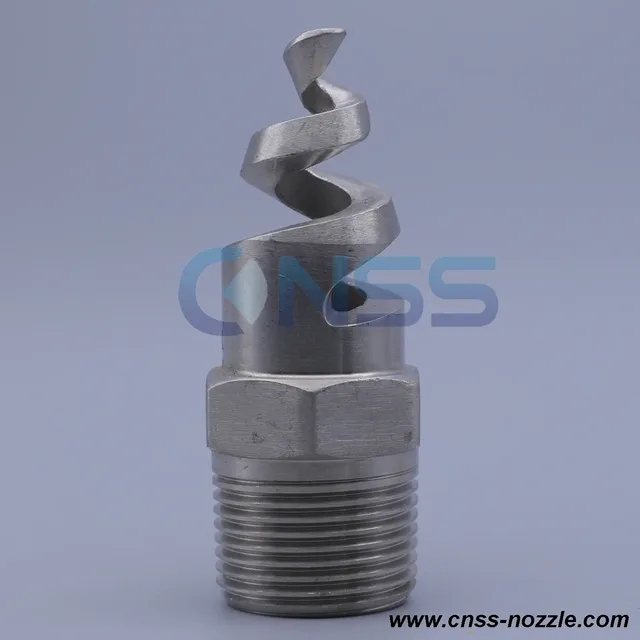
Metal spiral nozzle with threaded connection base
Self Cleaning and Filtered Variants Reduce Maintenance
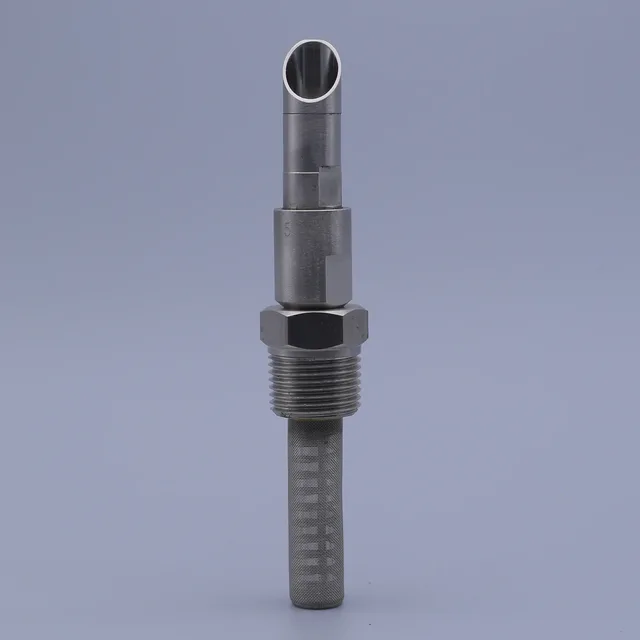
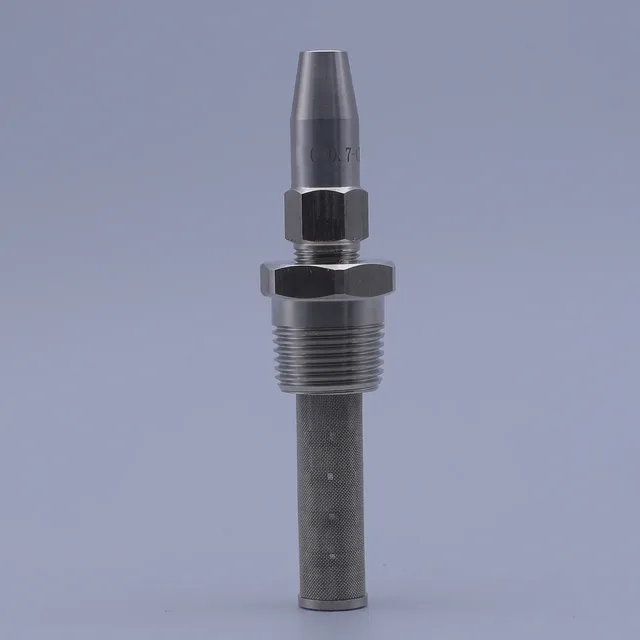
Self-cleaning heads and filtered nozzle variants are available to handle solids in the liquid. These features reduce the need for frequent cleaning and prevent orifice blockage. The filter can be cleaned or replaced on schedule, maintaining consistent performance over time.
Material Selection Must Match Liquid and Duty
The body and trim materials must resist the liquid’s chemical and thermal load. Brass is suitable for clean water. 316 stainless steel resists chlorides and scrubbing liquor. Teflon and PVC are used for acids and solvents. Select materials based on the liquid composition and operating temperature.
Check Thread and Pressure Before Installation
Ensure the thread size matches the existing header. Common sizes range from 1/4 inch to 2 inches, with NPT or BSPT male threads. The nozzle must operate under the actual line pressure. Flow rates vary with pressure, so confirm the required flow at the operating pressure before selecting.
Trial One Nozzle Before Full Replacement
Before replacing multiple nozzles, test one in the actual line. Run a full cycle and inspect the spray pattern and flow. Trial samples are available free of charge and can be ready within 10 days. This avoids costly mistakes on a full header.
Products in This Guide
Parts Referred To Above
Keep Reading
Ranges Industries and Other Guides
Questions Buyers Ask
Questions on This Topic
What causes spray nozzles to clog in recirculated water systems?
Clogging is caused by fibres, scale, fines, and corrosion products in the liquid. These solids accumulate in narrow passages or internal vanes, blocking flow and disrupting spray performance.
How does a spiral full cone nozzle prevent clogging?
The spiral full cone nozzle uses an external vane, which creates a larger free passage. This allows solids in the liquid to pass through without blocking the orifice, improving reliability in dirty water applications.
Can I use a filtered nozzle variant with my existing system?
Yes. Filtered nozzle variants are available and can be installed in standard pipe systems with NPT or BSPT male threads. The filter protects the orifice from solids and can be cleaned or replaced as needed.
What materials are available for the spiral full cone nozzle?
Common materials include brass, SS316, Teflon, and PVC. Select materials based on the liquid’s chemical properties and operating temperature. Other materials are available for special applications.
What is the flow range for the spiral full cone nozzle?
The flow rate under 3 bar pressure ranges from 5.5 to 4140 L/min. The exact flow depends on the nozzle size and operating pressure. Confirm the required flow at the actual system pressure.
How long does it take to receive a trial sample?
Trial samples can be ready within 10 days. Free samples are available for testing before full order commitment.
What is the spray angle range for the spiral full cone nozzle?
The spray angle ranges from 60° to 170°. This wide angle ensures full coverage over large or irregular surfaces, especially in gas cooling and washing applications.
Apply This to Your Own Line
Send the duty, the pressure and a photograph of the existing head. We will confirm the pattern, the size and the material.