
Spray Nozzles for Steel and Metal Treatment
In steel and metal treatment processes, consistent cooling, quenching, degreasing, and chemical washing require precise, durable spray patterns that maintain performance under high temperature, pressure, and exposure to aggressive fluids. When a nozzle fails, it leads to uneven cooling, incomplete cleaning, or process
Pain Points
What Goes Wrong in This Plant
- Cooling nozzles clogging on scale, oil residue, or chemical precipitates in recirculated fluids
- Quenching nozzles losing spray pattern or flow rate due to erosion or thermal stress
- Degreasing nozzles failing to reach tight spaces or complex geometries on parts
- Chemical processing nozzles corroding in brine or acidic environments
- Nozzle changes requiring machine stoppage because the head cannot be replaced in place
What Buyers Need
What a Replacement Has to Deliver
- Nozzles with stable spray patterns that resist clogging in dirty or recirculated fluids
- Materials that withstand high temperature, pressure, and chemical exposure without degradation
- Heads that can be replaced or cleaned without dismantling the entire spray bar
- Consistent orifice performance across multiple units to ensure even treatment across the workpiece
- A supplier who can match or replace obsolete nozzles based on physical samples or drawings
Recommended Products
Nozzles Used in Steel and Metal Treatment
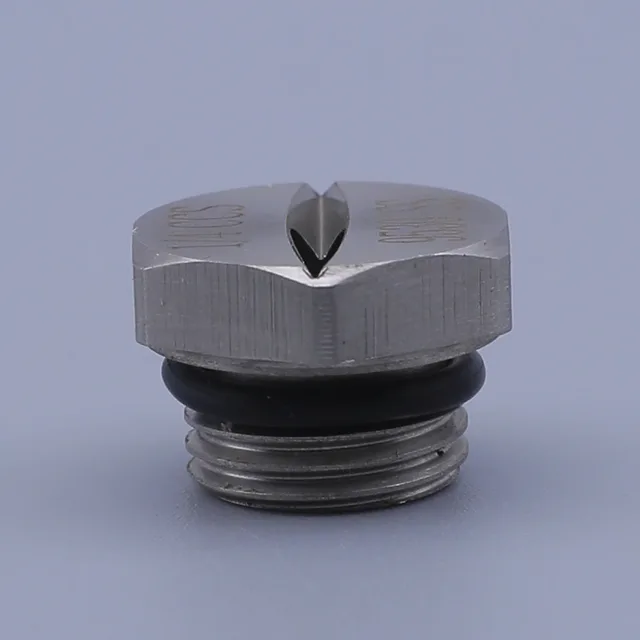
Flat Fan Spray Nozzle
View specification
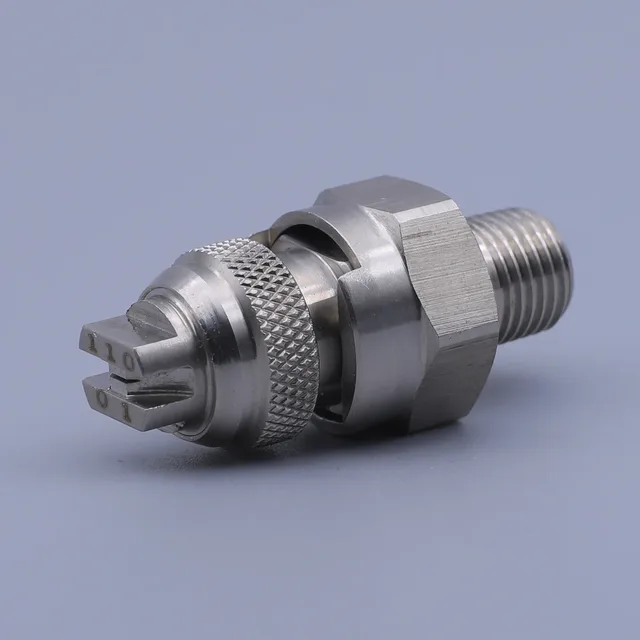
Flat Fan Nozzle CH-U and CH-VV Series
View specification
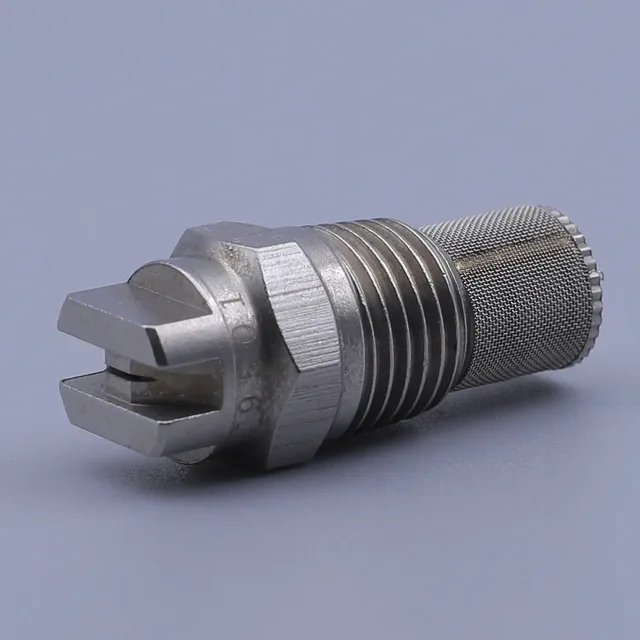
Flat Fan Nozzle with Inline Filter
View specification
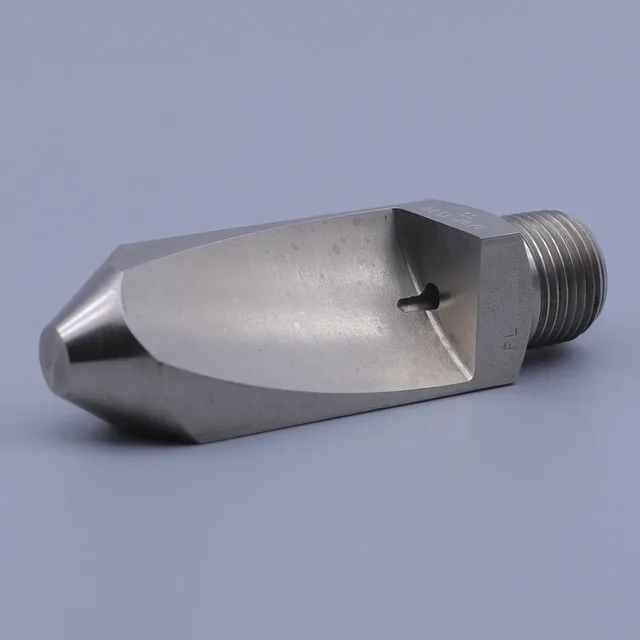
High Impact Flat Fan Nozzle
View specification
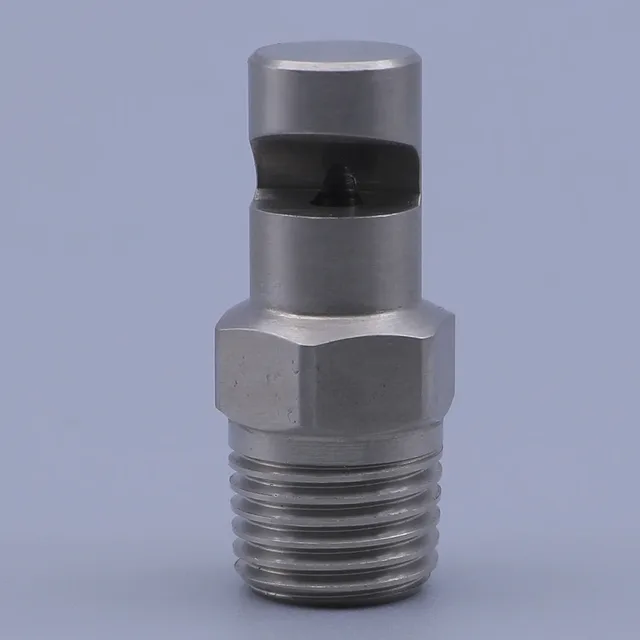
Deflected Floodjet Nozzle
View specification
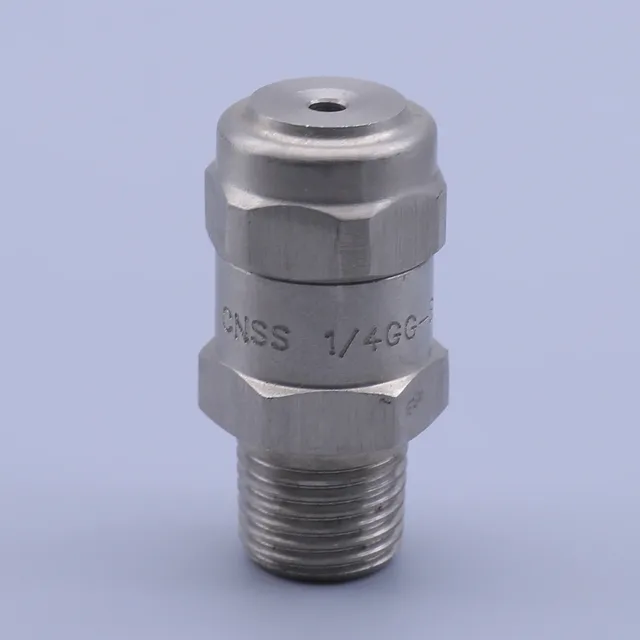
Full Cone Spray Nozzle
View specification
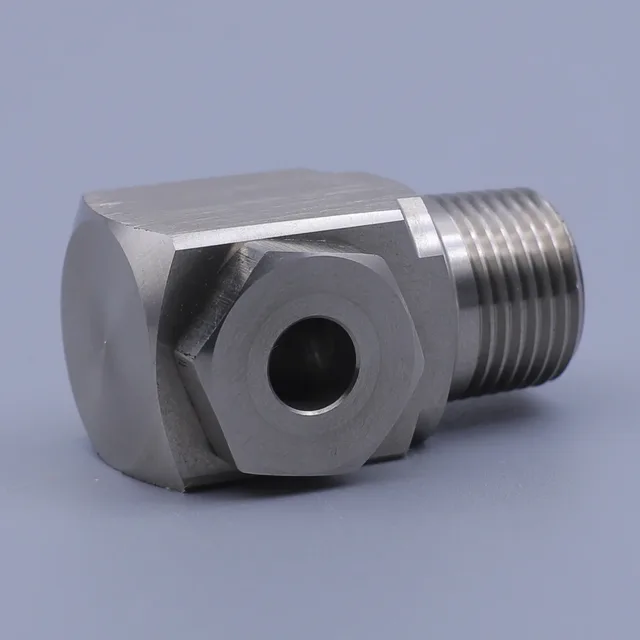
Tangential Hollow Cone Nozzle
View specification
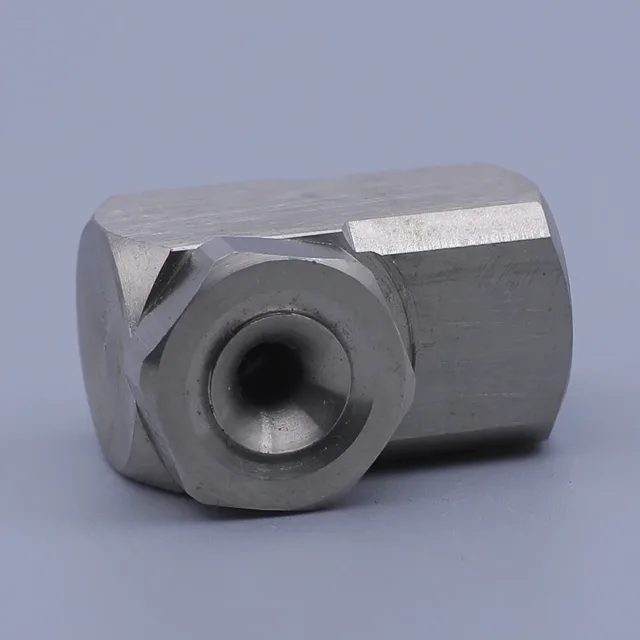
Hollow Cone Nozzle
View specification
Typical Scenarios
Where the Nozzles Sit in the Process
- Flat fan nozzles delivering uniform cooling across hot steel sheets during quenching
- High impact flat fan nozzles cleaning heavy scale from metal surfaces in parts washing
- Tangential hollow cone nozzles providing full coverage in chemical processing tanks
- Deflected floodjet nozzles reaching into recessed areas of complex metal parts
- Full cone nozzles ensuring even brine distribution in salt spray testing chambers
How We Work Through It
From Enquiry to a Proven Position
- Confirm the process: cooling, quenching, degreasing, brine spraying, or chemical washing
- Identify the fluid type, temperature, and pressure conditions at the point of application
- Match the thread size and body length to the existing mounting configuration
- Send a physical sample or detailed drawing for non-standard replacements
- Test a trial nozzle in the actual process before committing to a full order
Delivery Capability
What We Can Commit To
- Standard and non-standard nozzles made to drawing or to a sample
- Samples ready within 10 days
- Small volume orders accepted for trial or replacement of single positions
- Bodies available in 303 stainless steel, 316 stainless steel, brass, PP, PVC, PVDF, and PTFE where the duty allows
- Every product tested before packing, with a 3 month quality guarantee
Ways to Order
Routes That Suit This Industry
Nozzle Selection and Sizing
Turn a process description into a nozzle size, a pattern and a material, without needing a part number to start from.
How it works
Header Replacement and Retrofit
Put new heads into an existing spray bar without re-drilling it or stopping the line for longer than a planned outage.
How it works
Questions Buyers Ask
Steel and Metal Treatment Questions
Can you replace a flat fan nozzle we can no longer source?
Yes. Send a photo of the nozzle, the thread type, and the duty conditions. Standard and non-standard nozzles are made to drawing or to a sample, and a sample can be ready within 10 days.
What material should we use for quenching in high temperature steel treatment?
316 stainless steel is recommended for high temperature and high pressure quenching due to its resistance to thermal stress and oxidation. Brass is suitable for lower duty cooling positions.
Can we trial a single nozzle before replacing the whole spray bar?
Yes. Small volume orders are accepted, and trial samples can be sent free of charge, so a single nozzle can be tested in the actual process before full replacement.
How do we choose the right nozzle for degreasing complex metal parts?
The nozzle type depends on the geometry and access. High impact flat fan nozzles or deflected floodjet nozzles are used for deep recesses. Send a drawing or sample for matching.
What stops a nozzle from clogging in brine or chemical spray systems?
A larger free passage and proper filtration reduce clogging risk. The material must resist corrosion from the fluid. Tell us the fluid type and we will recommend the best combination.
Send Us the Position You Need to Fix in Your Steel and Metal Treatment
A photograph of the old head, the thread standard and the line pressure are usually enough to quote a direct replacement.