
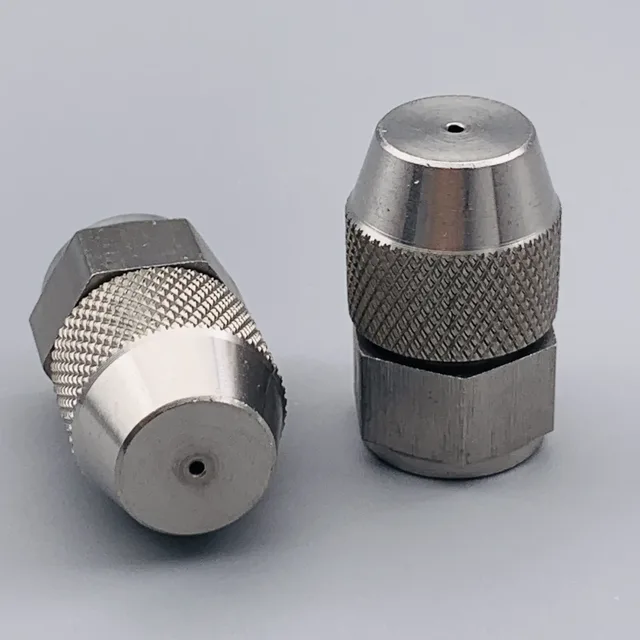
Spray Nozzles for Agriculture and Livestock Cooling
Livestock and agricultural environments rely on consistent misting to manage heat stress, maintain humidity, and reduce airborne dust. When misting nozzles fail, cooling efficiency drops, animal health declines, and crop freshness is compromised.
Pain Points
What Goes Wrong in This Plant
- Misting nozzles clogging from hard water or particulates in the supply line
- Uneven spray pattern causing dry spots in barns or greenhouses
- Nozzles leaking at the connection point, wasting water and reducing pressure
- Fittings loosening under vibration or thermal cycling in outdoor installations
What Buyers Need
What a Replacement Has to Deliver
- Nozzles that resist clogging in hard water or recirculated systems
- Consistent spray pattern across multiple nozzles in a line or array
- Secure fittings that hold under vibration and temperature changes
- Materials that resist corrosion in humid or chemical-treated environments
- Replacement parts that match the existing thread and body length without system redesign
Recommended Products
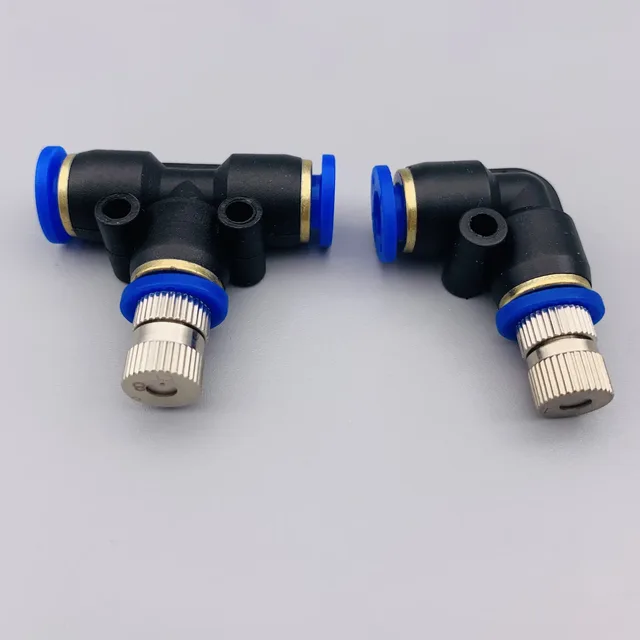
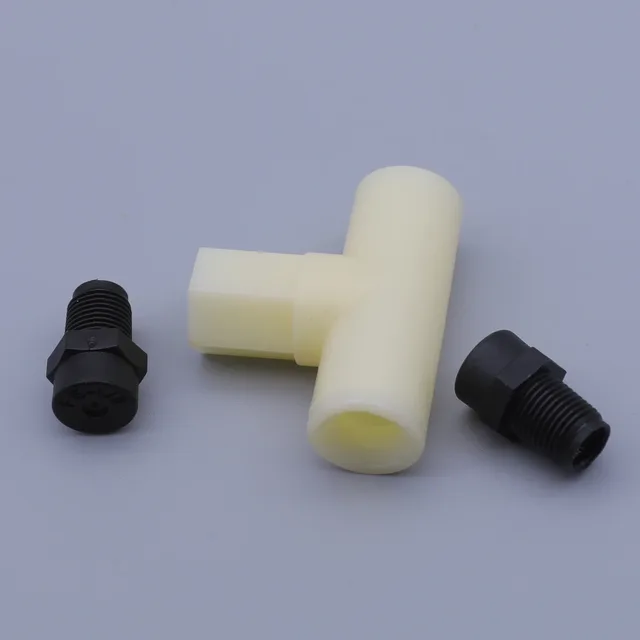
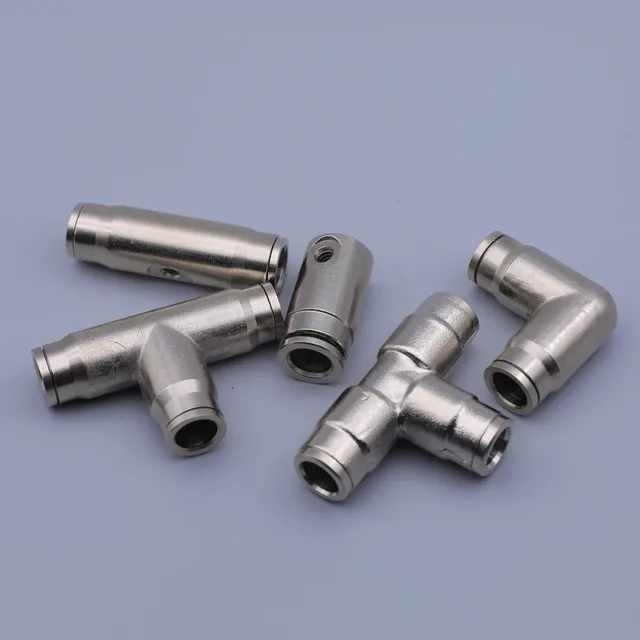
Nozzles Used in Agriculture and Livestock Cooling
Typical Scenarios
Where the Nozzles Sit in the Process
- Low pressure misting nozzles maintaining consistent humidity in poultry barns during summer heat
- PP misting nozzles used in vegetable storage rooms to retain freshness without corrosion
- Push lock fittings enabling quick replacement of nozzles in outdoor cooling systems
- Misting lines in livestock pens delivering fine droplets to reduce dust and cool animals
- Sterilization systems using fine mist to sanitize surfaces in greenhouses and processing areas
How We Work Through It
From Enquiry to a Proven Position
- Confirm the application: cooling, humidifying, dust suppression, or sterilization
- Verify the water quality and system pressure to select the right nozzle type
- Match the thread size and body length to the existing fitting and pipe system
- Send trial samples for one position before committing to a full system change
- Supply the full set once the trial performance is confirmed
Delivery Capability
What We Can Commit To
- Standard and non standard misting nozzles made to drawing or to a sample
- Samples ready within 10 days
- Small volume orders accepted for testing a single position
- Bodies in brass, 303 stainless steel, 304 stainless steel, or 316 stainless steel where the duty allows
- Every product tested before packing, with a 3 month quality guarantee
Ways to Order
Routes That Suit This Industry
Related Guides
Reading Before You Specify
Questions Buyers Ask
Agriculture and Livestock Cooling Questions
Can you replace a misting nozzle we can no longer buy?
Yes. Send photos of the nozzle, the thread type, the body length, and the system pressure. Standard and non standard nozzles are made to drawing or to a sample, and a sample can be ready within 10 days.
What prevents a low pressure misting nozzle from clogging?
Orifice design and water quality together. A larger free passage tolerates more particulates, and a self cleaning head maintains flow where a fixed orifice would blind. Tell us the water quality and we will suggest the best fit for the application.
Which body material is used for outdoor misting systems?
Stainless steel is used in high humidity or aggressive environments. 316 stainless steel is used where the water or air contains corrosive elements. PP is used in low pressure applications where chemical resistance is needed.
Can we trial one nozzle before replacing the whole system?
Yes. Small volume orders are accepted, and trial samples can be sent free of charge, so a single position can be run through a production cycle before the rest of the system is ordered.
How do we order the right size without a drawing?
Send a photo of the old nozzle next to a rule, the thread type, and the line pressure. That is usually enough to identify the pattern and orifice and to quote a direct replacement.
Send Us the Position You Need to Fix in Your Agriculture and Livestock Cooling
A photograph of the old head, the thread standard and the line pressure are usually enough to quote a direct replacement.