
Laboratory Equipment
Glass Reactor
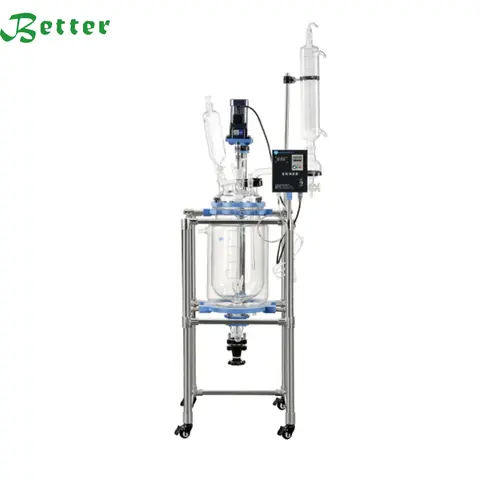
Double-layer jacketed glass reactors for stirred reaction, reflux and distillation from -60°C to 200°C.
A jacketed glass reactor is built from two layers of glass. The reaction material sits in the inner vessel where it is stirred, while refrigerating fluid, hot water or hot oil circulates through the jacket between the two layers to heat or cool the batch. Because the vessel is sealed, the stirred reaction can be run at constant temperature under ordinary or negative pressure, and reflux and distillation can be carried out in the same unit.
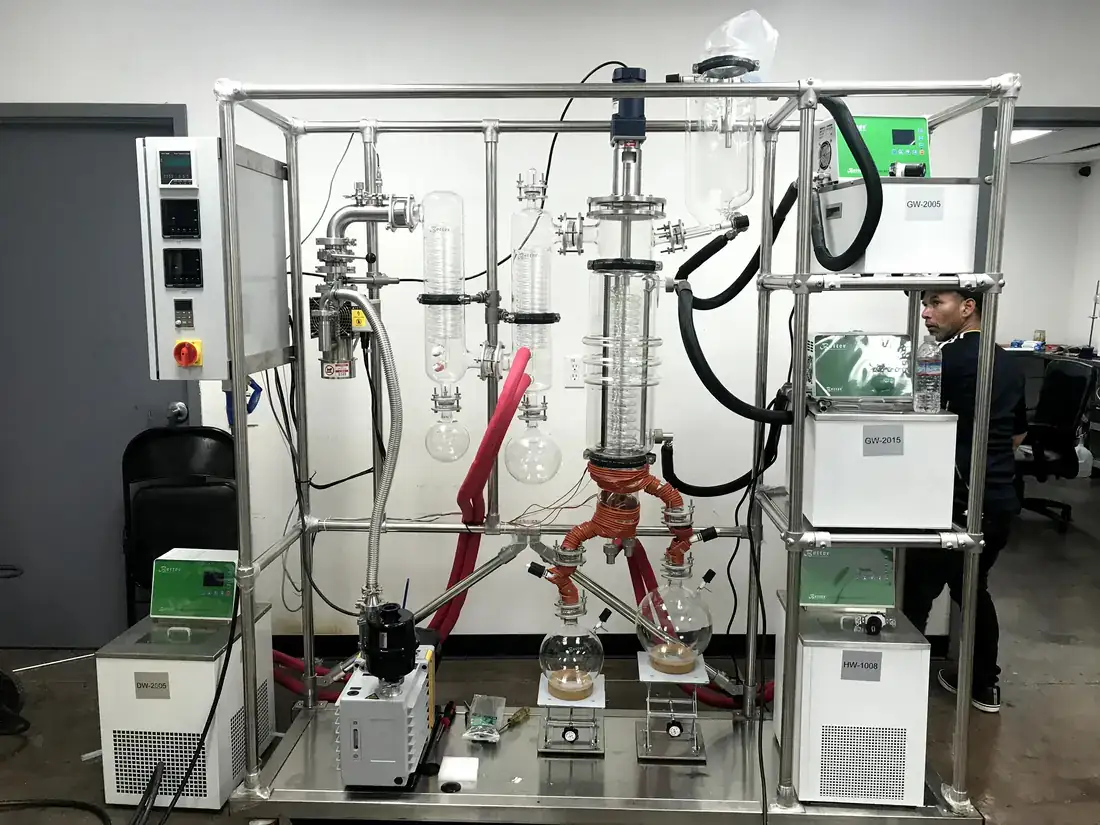
Who This Equipment Is For
- Laboratories running stirred reactions under controlled temperature
- Extraction R&D teams carrying out reflux and distillation trials
- Process development groups that need to observe the reaction
- Pilot production of small batches under vacuum
Problems It Solves
- Reactions that drift because the temperature is not controlled
- Separate vessels needed for reaction, reflux and distillation
- Glassware that cannot take the thermal shock of a wide temperature swing
- No way to run the batch under negative pressure
Key Benefits
-60°C to 200°C
One vessel covers cooling and heating with the appropriate circulating medium.
Sealed and stirred
Stirred reaction under constant temperature at ordinary or negative pressure.
Reflux and distillation
Back-flow and distillation can be run in the same reactor.
Borosilicate 3.3
GG-17 glass for chemical and thermal resistance.
Machines In This Category
Published specifications as built by the factory. Other sizes are quoted against your material.
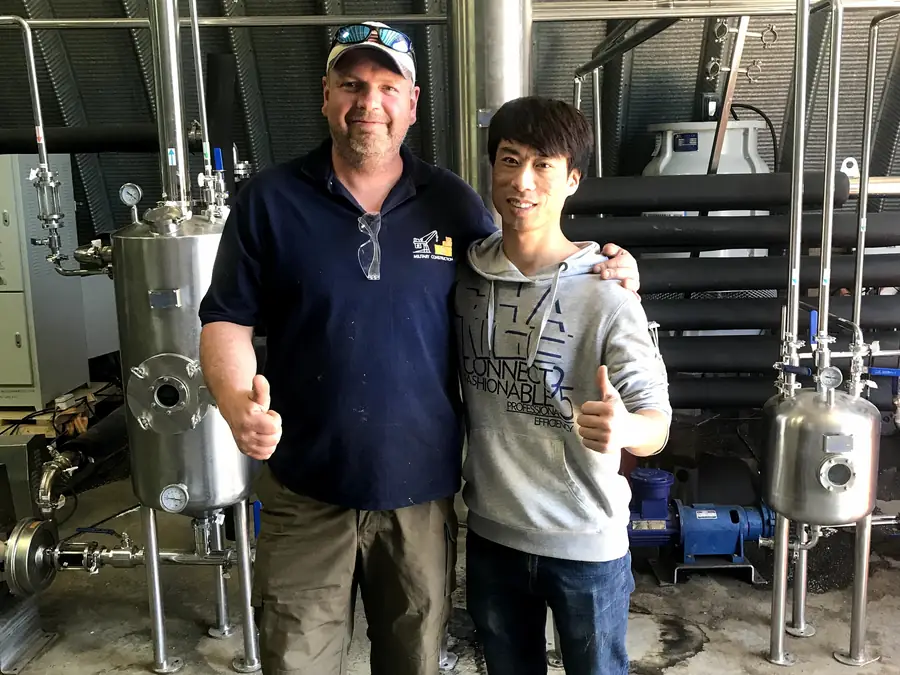
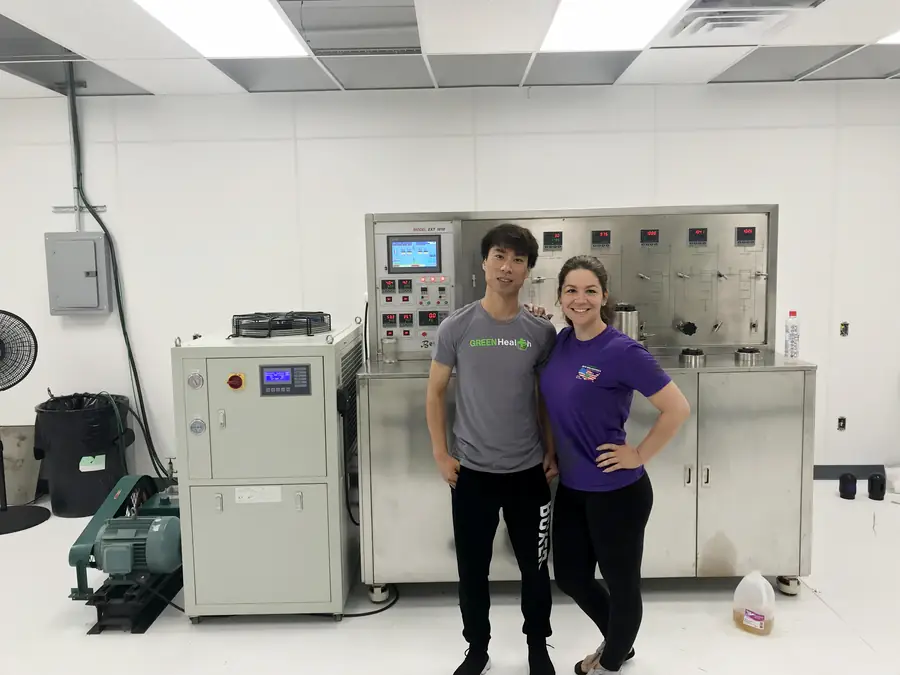
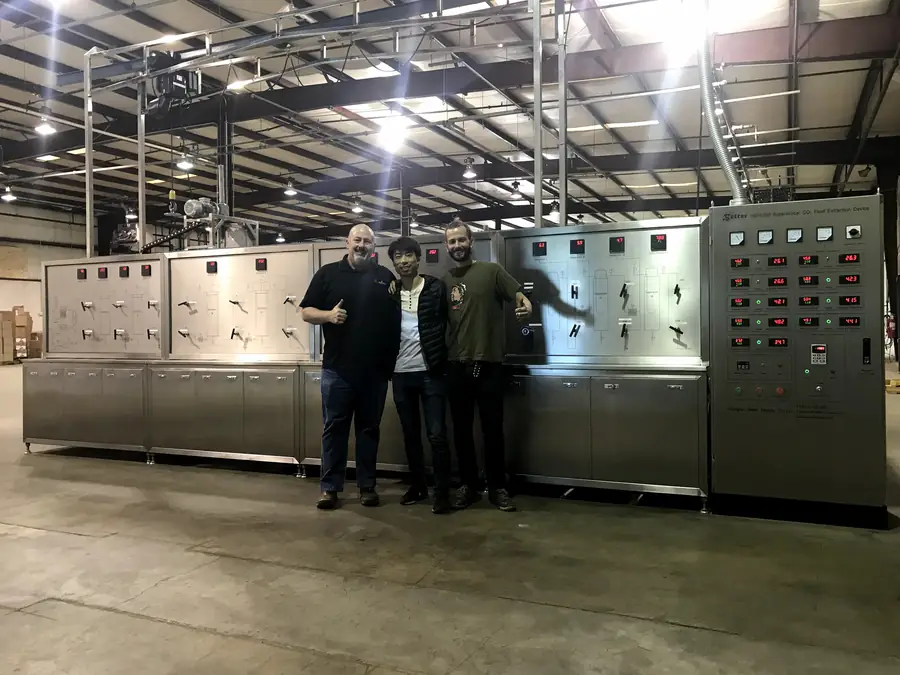
Installed On Customer Sites
Photographs taken during installation and commissioning.
Related Industry Applications
Related Solutions
Related Guides
FAQ
Questions About Glass Reactor
What temperature range does the jacketed glass reactor cover?
Can the reactor run under vacuum?
What glass is the vessel made from?
Next Step
Get A Specification For Glass Reactor
Two answers start it: your raw material, and the production capacity you need per batch.
Send two things and a real specification comes back: the raw material you will process, and the production capacity you need per batch.