
Knowledge Center
Extraction Process Guides And Buying Guides
Written for buyers who have to make a technical decision before they can write a purchase order: how each process works, what it produces, where it fits in the line and what changes the result.
 Process Guide
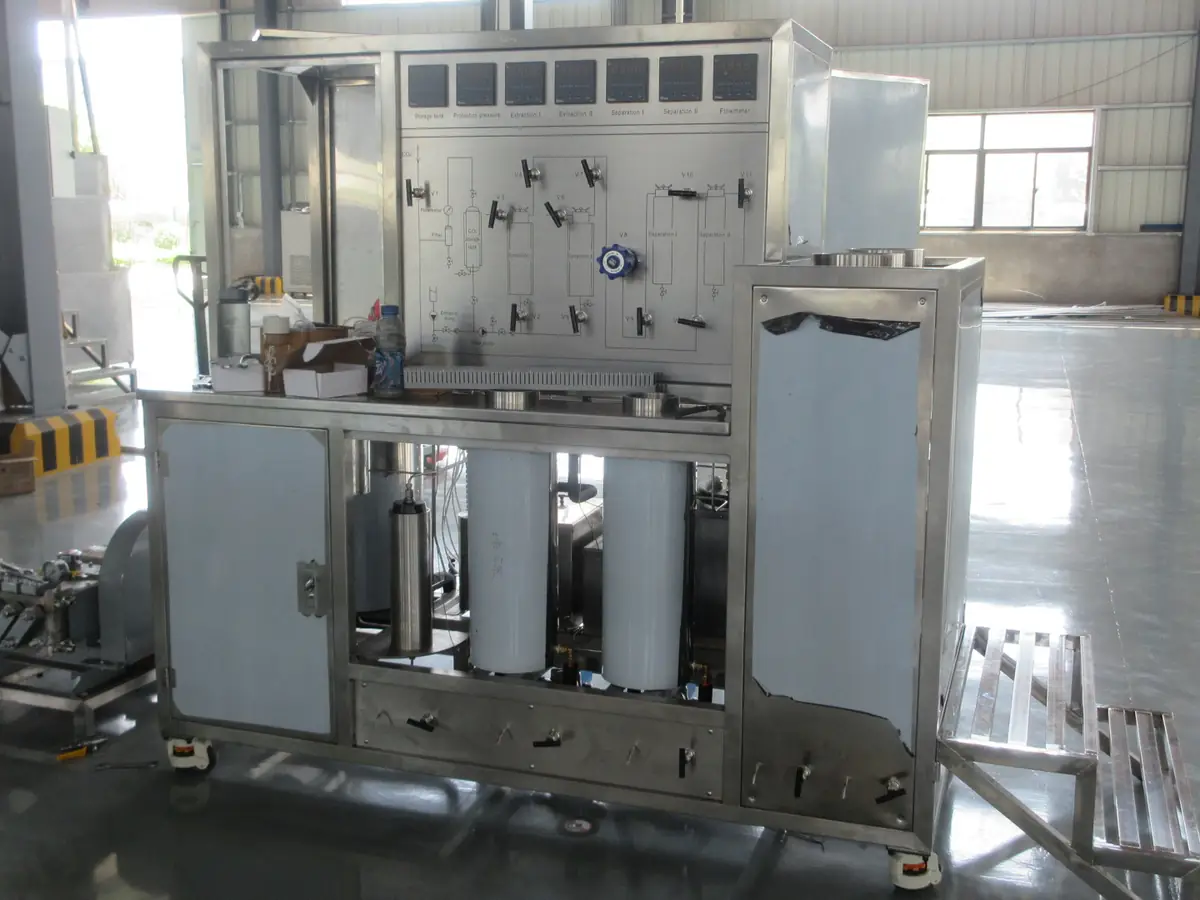
How Supercritical CO2 Extraction Works
What the supercritical state is, why CO2 is used as a solvent, and how a one-extractor two-separator system turns pressure into a clean botanical extract.
Read the guide →
Process Guide
How Supercritical CO2 Extraction Works
What the supercritical state is, why CO2 is used as a solvent, and how a one-extractor two-separator system turns pressure into a clean botanical extract.
Read the guide →
 Process Guide
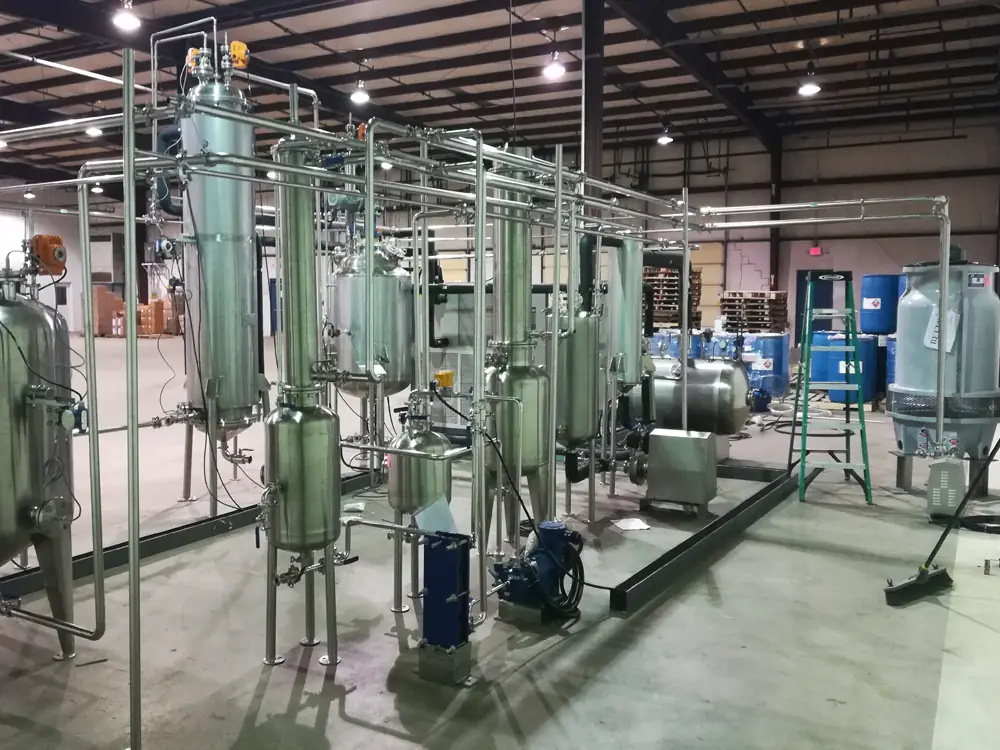
Winterization Explained: Why Crude Extract Has to Be Dewaxed
What winterization removes, why cold ethanol drops wax out of solution, and how a whole winterization system is built around chilling, holding, filtering and solvent recovery.
Read the guide →
Process Guide
Winterization Explained: Why Crude Extract Has to Be Dewaxed
What winterization removes, why cold ethanol drops wax out of solution, and how a whole winterization system is built around chilling, holding, filtering and solvent recovery.
Read the guide →
 Process Guide
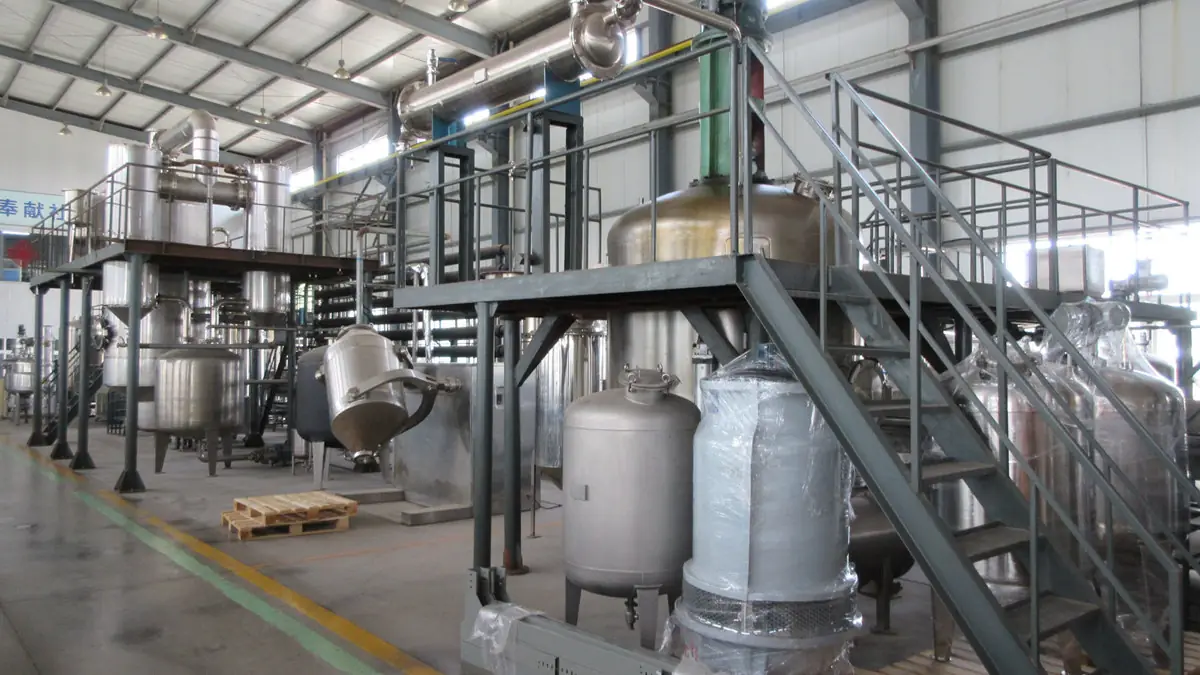
Cold Ethanol Extraction at -75°C
Why chilling ethanol to -75°C before it touches the biomass produces a cleaner crude, and what that means for the refining steps downstream.
Read the guide →
Process Guide
Cold Ethanol Extraction at -75°C
Why chilling ethanol to -75°C before it touches the biomass produces a cleaner crude, and what that means for the refining steps downstream.
Read the guide →
 Process Guide
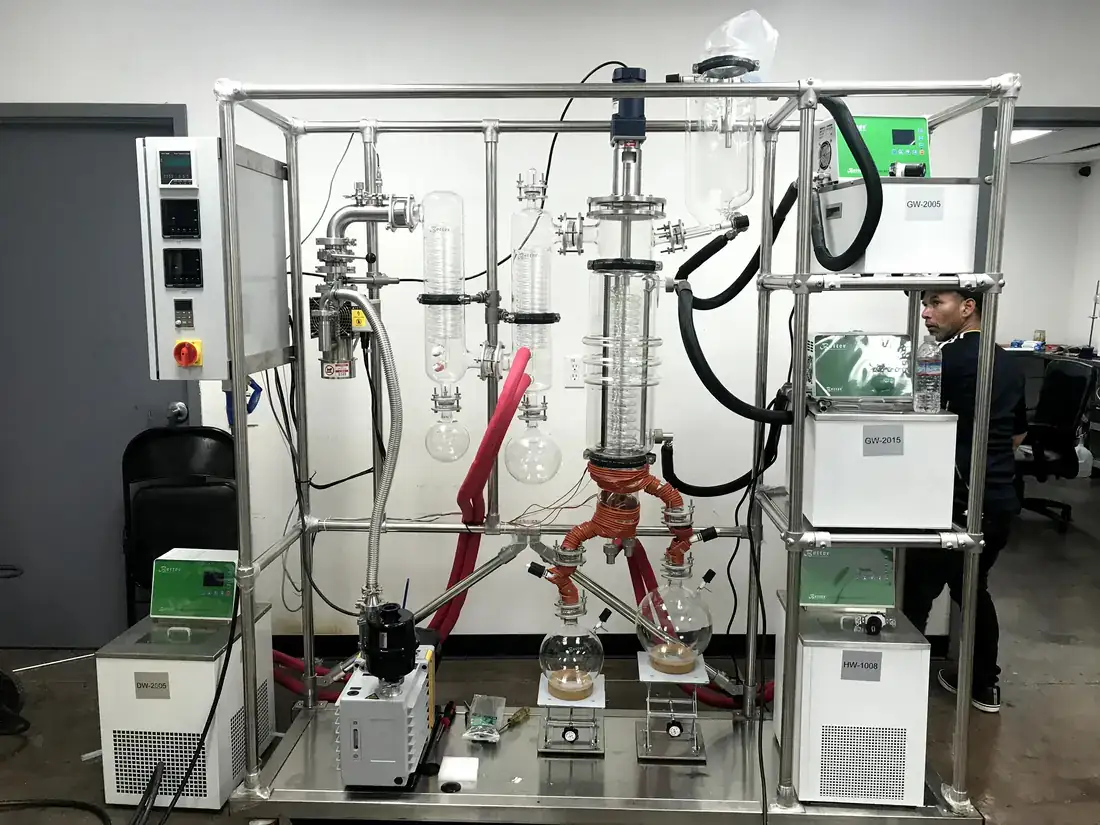
Short Path Distillation: What the Short Path Actually Buys You
How deep vacuum and a few centimetres between evaporator and condenser allow heat-sensitive, high boiling compounds to be distilled without breaking down.
Read the guide →
Process Guide
Short Path Distillation: What the Short Path Actually Buys You
How deep vacuum and a few centimetres between evaporator and condenser allow heat-sensitive, high boiling compounds to be distilled without breaking down.
Read the guide →
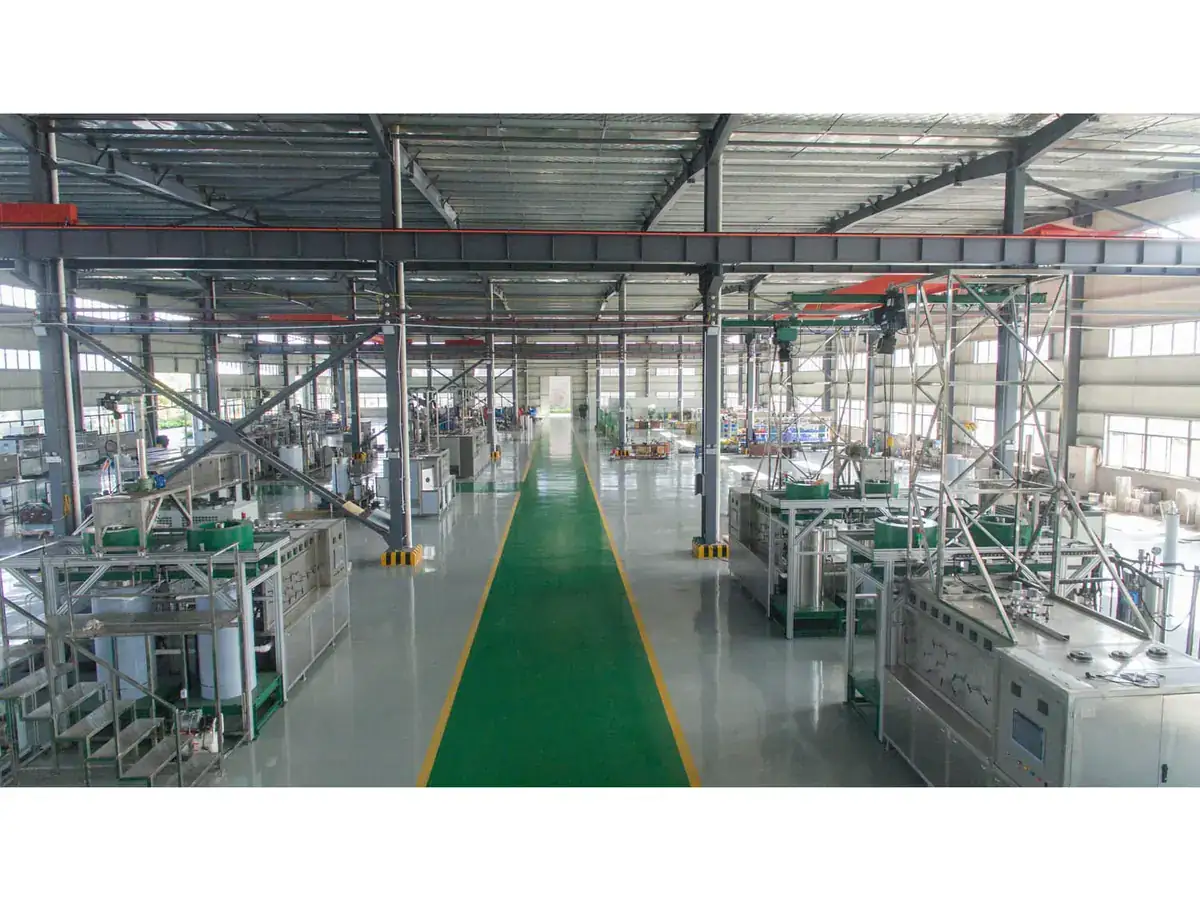 Process Guide
Steam Distillation for Essential Oil Production
How a steam distillation plant turns flowers, leaves, wood and spice into essential oil and hydrosol, and what heating area and condensing area mean when you compare two machines.
Read the guide →
Comparison
CO2 or Ethanol: Choosing an Extraction Route
A side by side comparison of supercritical CO2 and cold ethanol extraction on solvent residue, throughput, refining load, safety and capital cost.
Read the guide →
Process Guide
Steam Distillation for Essential Oil Production
How a steam distillation plant turns flowers, leaves, wood and spice into essential oil and hydrosol, and what heating area and condensing area mean when you compare two machines.
Read the guide →
Comparison
CO2 or Ethanol: Choosing an Extraction Route
A side by side comparison of supercritical CO2 and cold ethanol extraction on solvent residue, throughput, refining load, safety and capital cost.
Read the guide →
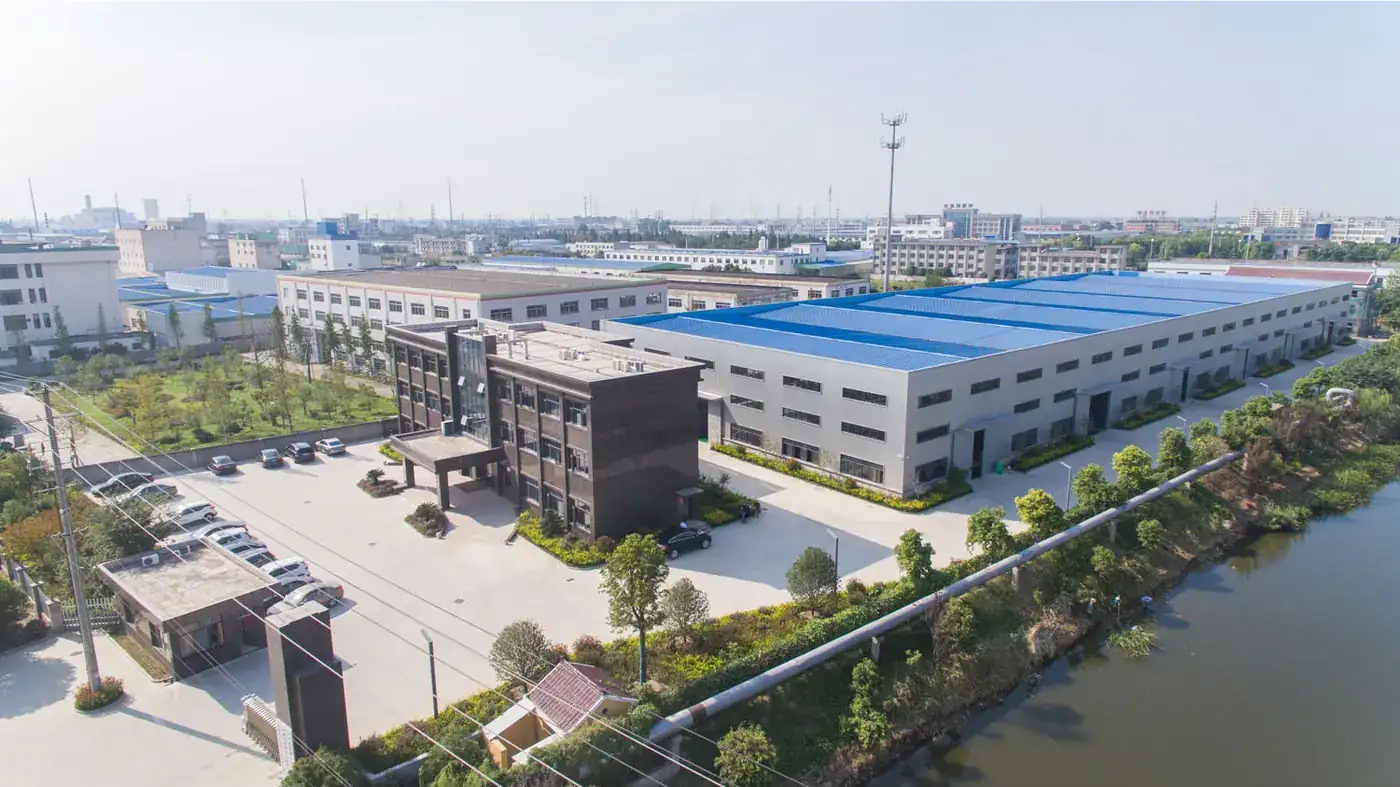 Buying Guide
How to Choose the Right Extractor Size
Turning a target output into a kettle volume: batch size, cycle time, yield and the two pieces of information needed to get a real quotation.
Read the guide →
Buying Guide
How to Choose the Right Extractor Size
Turning a target output into a kettle volume: batch size, cycle time, yield and the two pieces of information needed to get a real quotation.
Read the guide →Next Step
Still Deciding Between Two Routes
Describe your material and your target output and we will tell you which process suits it, and whether a trial should come first.
Send two things and a real specification comes back: the raw material you will process, and the production capacity you need per batch.