
Clinical and Research Laboratories
Laboratory work is repetitive and long. The instrument has to be comfortable for a whole shift, and the image has to be repeatable enough to record.
What Slows This Work Down
- Long sessions at a poorly adjusted head cause neck and eye fatigue
- Photographs of a specimen do not match what the eyepiece shows
- Fluorescence and phase work need illumination the standard lab body does not have
- Inverted work on culture vessels needs a different geometry entirely
What The Bench Actually Needs
- Laboratory bodies with proper interpupillary and diopter adjustment
- Camera and adapter combinations matched to the eyepiece field of view
- Upright and inverted fluorescence options where the assay needs them
- Cold light sources that do not warm the sample
Categories That Serve This Work
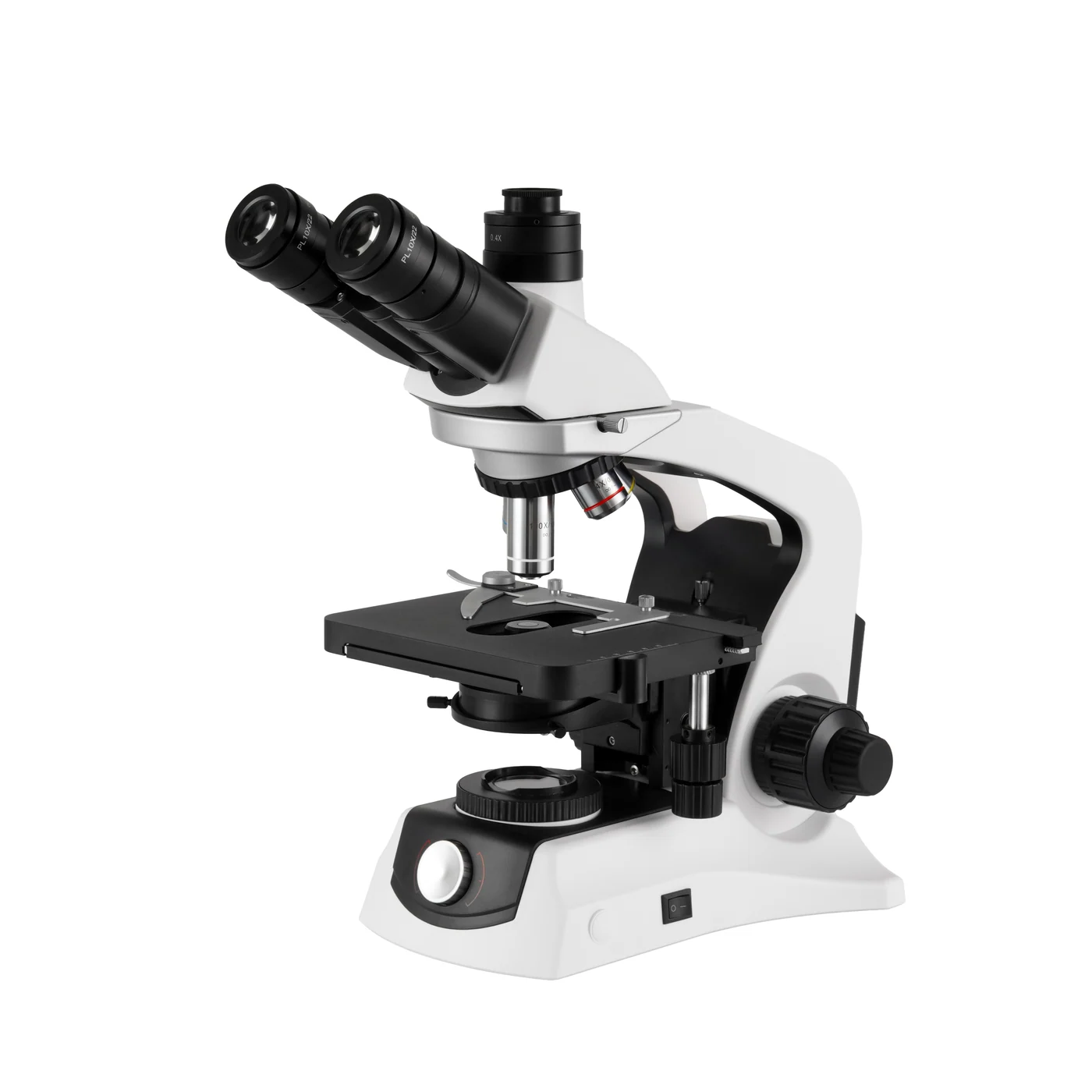
24 productsLaboratory Biological Microscope
Laboratory biological microscopes designed for routine inspection and teaching tasks in life science and educational settings. Available in monocular, binocular and trinocular configurations with adjustable interpupillary distance and 30° inclined viewing heads.
4 productsXUB Series
Laboratory biological microscopes designed for hospital research and teaching applications, with monocular, binocular and trinocular observation heads, adjustable interpupillary distance and 30° inclined, 360° rotatable Seidentopf tubes.
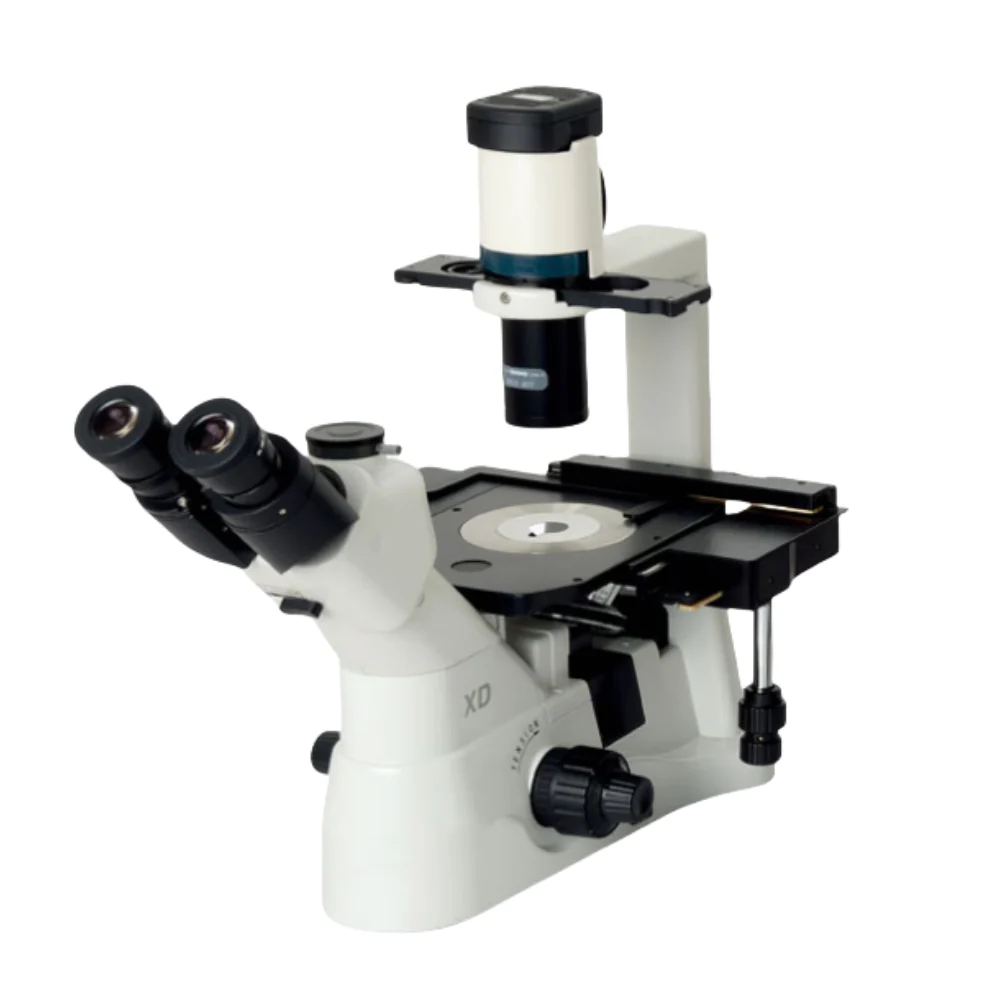 7 products
Inverted Biological Microscope
Inverted biological microscopes designed for observing live cells, tissue cultures, and transparent specimens on culture dishes or slides without requiring a cover slip. These instruments feature infinity-corrected optics, long working distance objectives, and trinocular viewing heads for documentation.
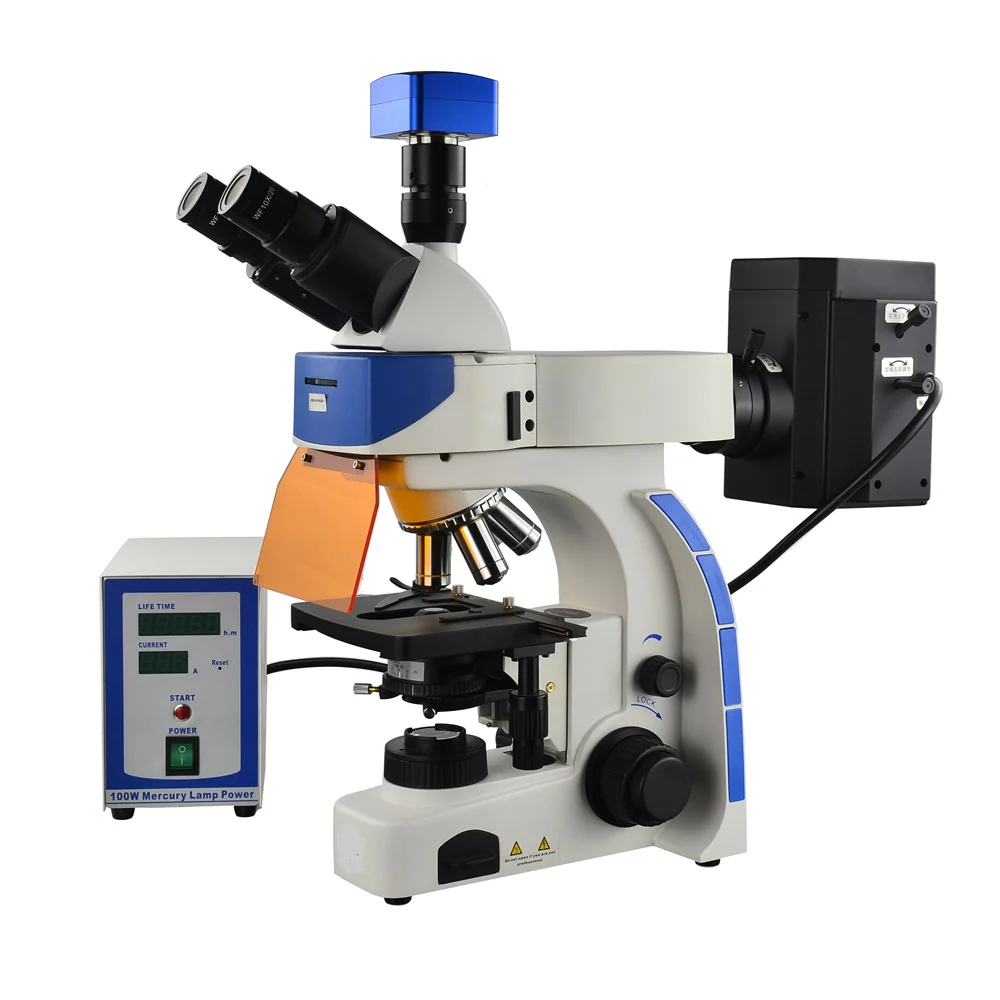 1 products
Upright Fluorescence Microscope
Upright fluorescence microscope designed for biological and material sample inspection using fluorescent excitation and emission filters. Built for research, teaching and quality control in labs requiring high-contrast imaging of stained or naturally fluorescent specimens.
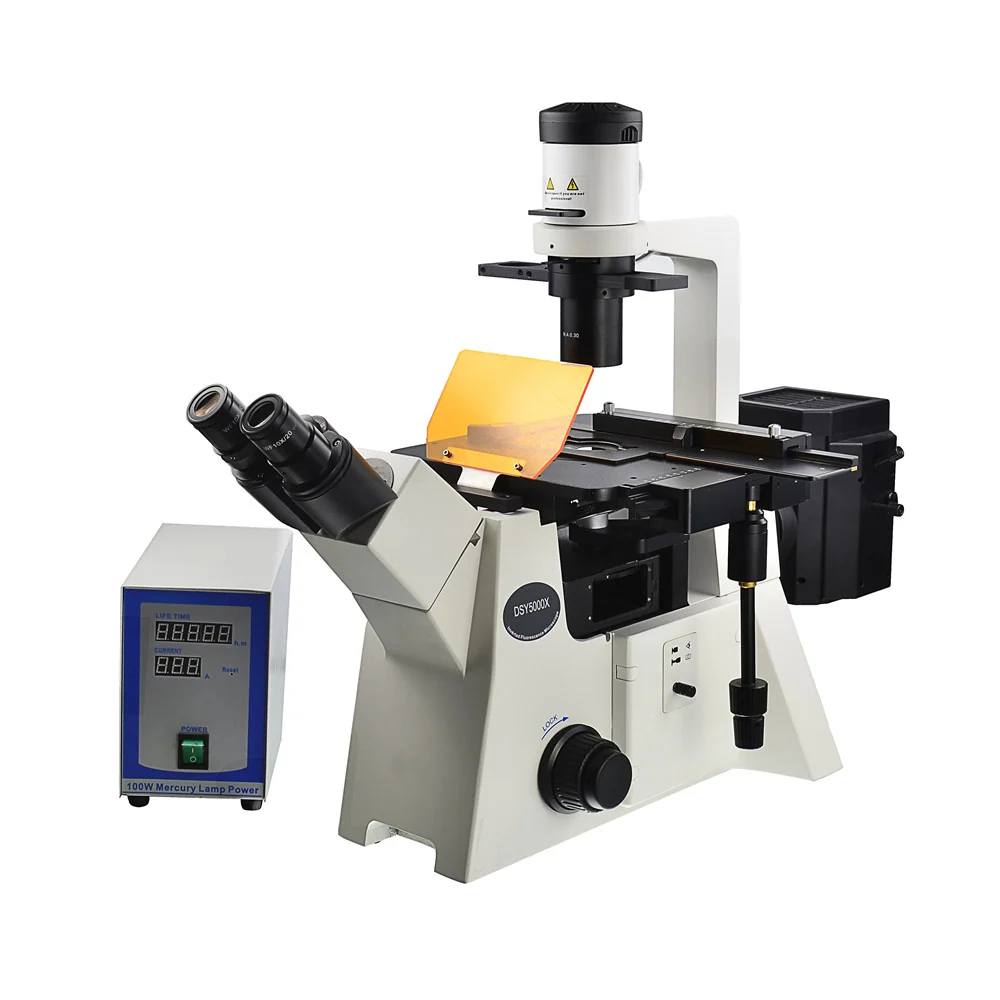 2 products
Inverted Fluorescence Microscope
Inverted fluorescence microscopes designed for observing live cells, tissue cultures and fluorescently labelled samples on culture dishes or slides mounted on a stage below the objective lens.
 8 products
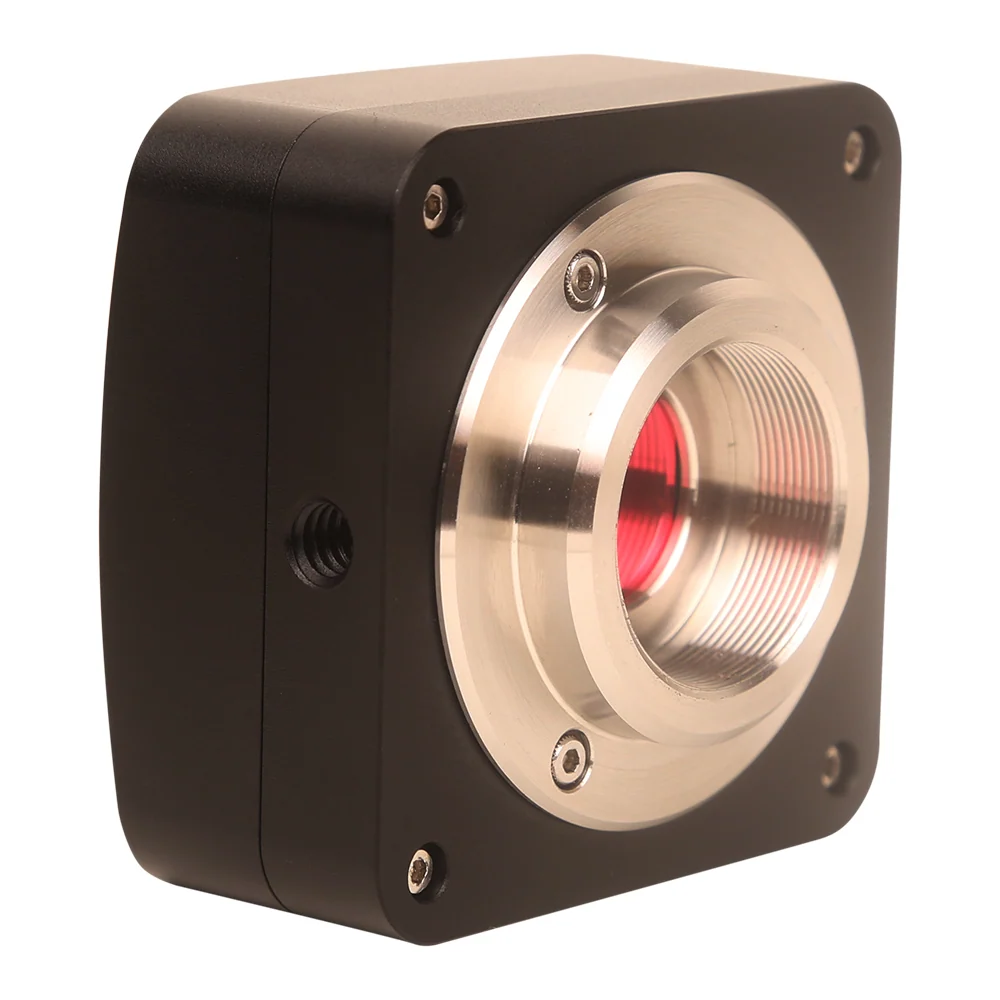
USB3.0 CMOS Microscope Camera
USB3.0 CMOS microscope cameras with Sony or OnSemi sensors, designed for digital imaging in biological, stereo and inspection microscopes using C-mount, M42 or F-mount interfaces.
Items Often Specified For This Application
XUB400 Laboratory Biological Microscope for Hosptial Research
View Details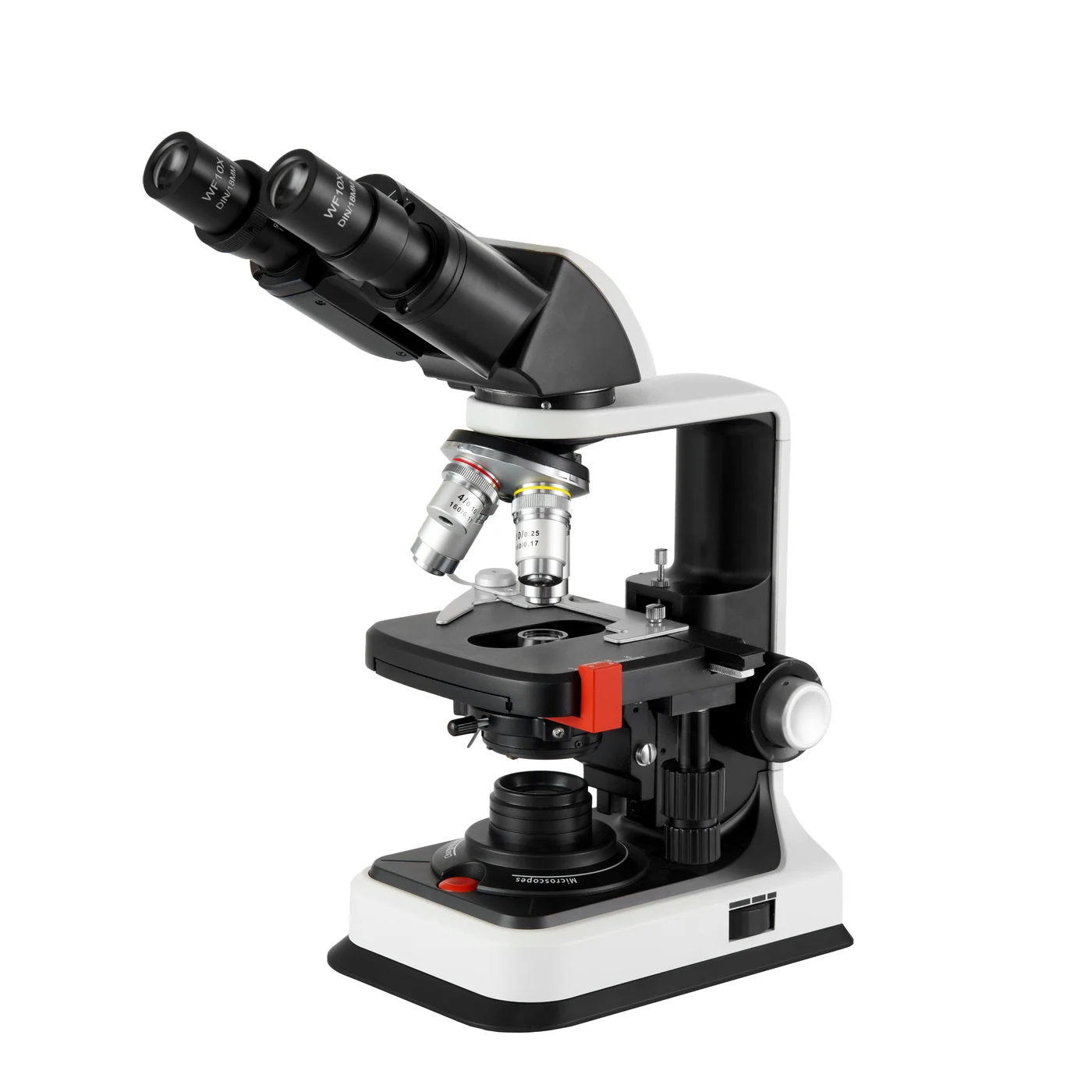
XUB300 Laboratory Biological Microscope for Hosptial Research
View DetailsXD Series Inverted Biological Microscope for Research and Clinical
View DetailsXUF100 Upright Research Fluorescence Microscope
View DetailsXIF200 Inverted Research Fluorescence Microscope
View DetailsC3CMOS USB2.0 SONY C-mount Biological Microscope Camera
View Details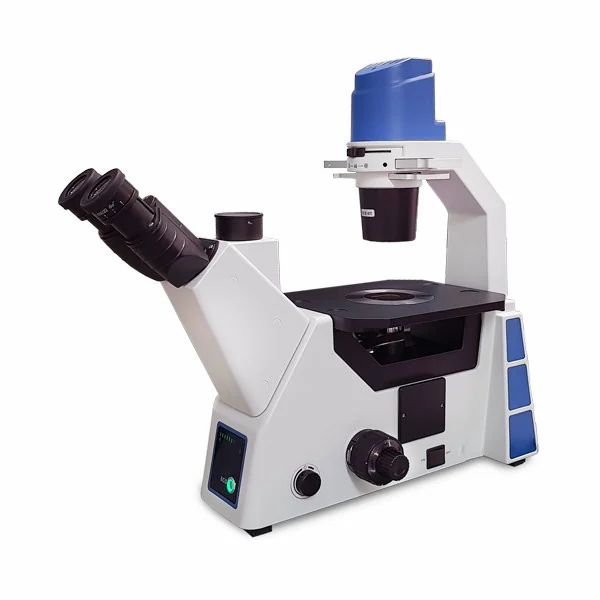
ICX41 Industrial Biological Microscope for Industrial Inspection
View Details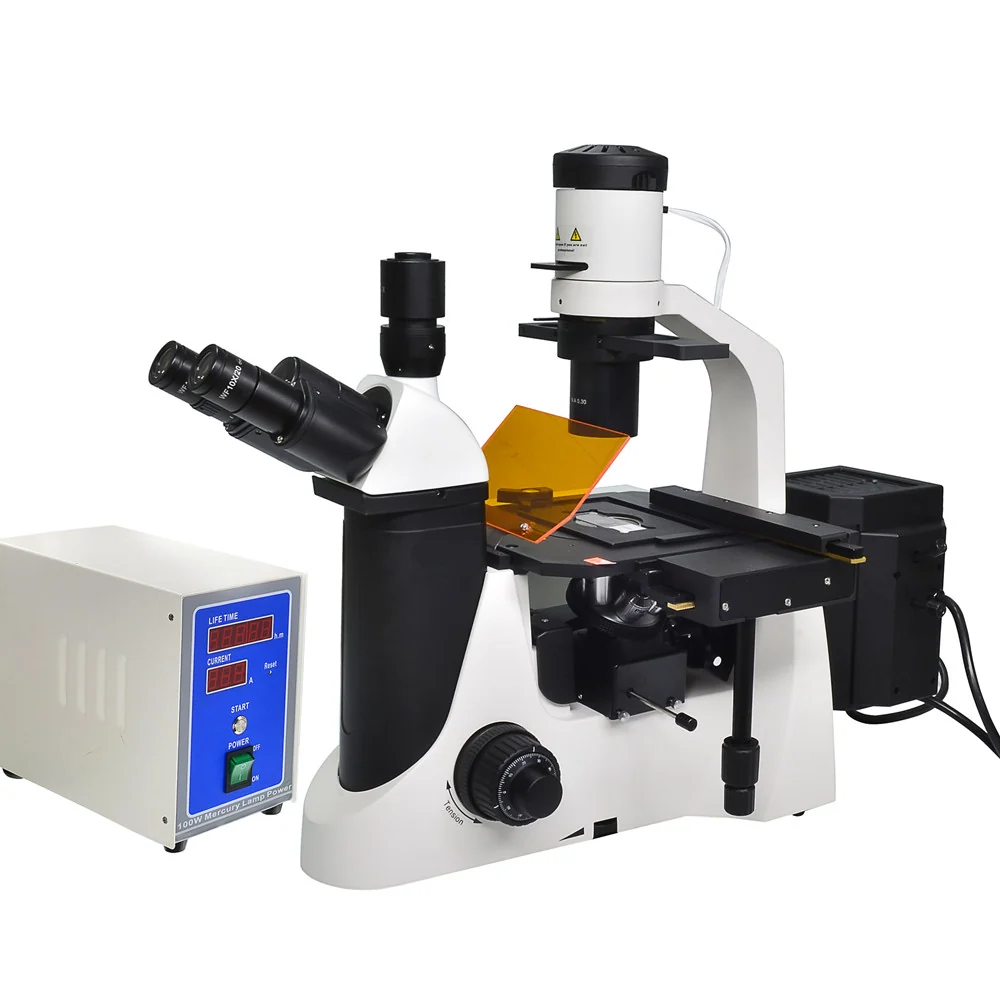
XIF100 Inverted Research Fluorescence Microscope
View DetailsFrom Requirement To Configuration
Match the body to the vessel
Slides and smears go on an upright body; culture flasks and dishes need an inverted one.
Specify the illumination
Brightfield, phase or fluorescence, decided by the assay rather than by the instrument on the shelf.
Match the camera to the port
Sensor size and adapter magnification chosen together so the recorded field matches the visual field.
Plan consumable optics
Objectives, filters and eyepieces stocked as spares so an instrument is not out of service waiting for one part.
Guides For This Application
Frequently Asked Questions
Why does my camera image show less than the eyepiece?
Because the sensor is smaller than the eyepiece field. A reducing C-mount adapter, typically 0.5X or 0.35X, brings the recorded field closer to the visual one. Tell us your camera sensor size and we will name the adapter.
When do I need an inverted microscope?
When the sample sits in a flask, dish or well plate and cannot be turned over. The objective looks up at the sample from below.
Do you supply fluorescence microscopes?
Yes, in upright and inverted configurations. Tell us the excitation and emission wavelengths your assay uses so the filter set can be confirmed.
Specify A Bench For Clinical and Research Laboratories
Tell us the task, the clearance you need and whether images are recorded. We will propose the instrument, the optics and the light together.