
Biological Microscope
Biological microscopes with infinity-corrected optical systems for clear, flat-field imaging of thin, transparent specimens such as tissue sections, blood smears and microorganisms.
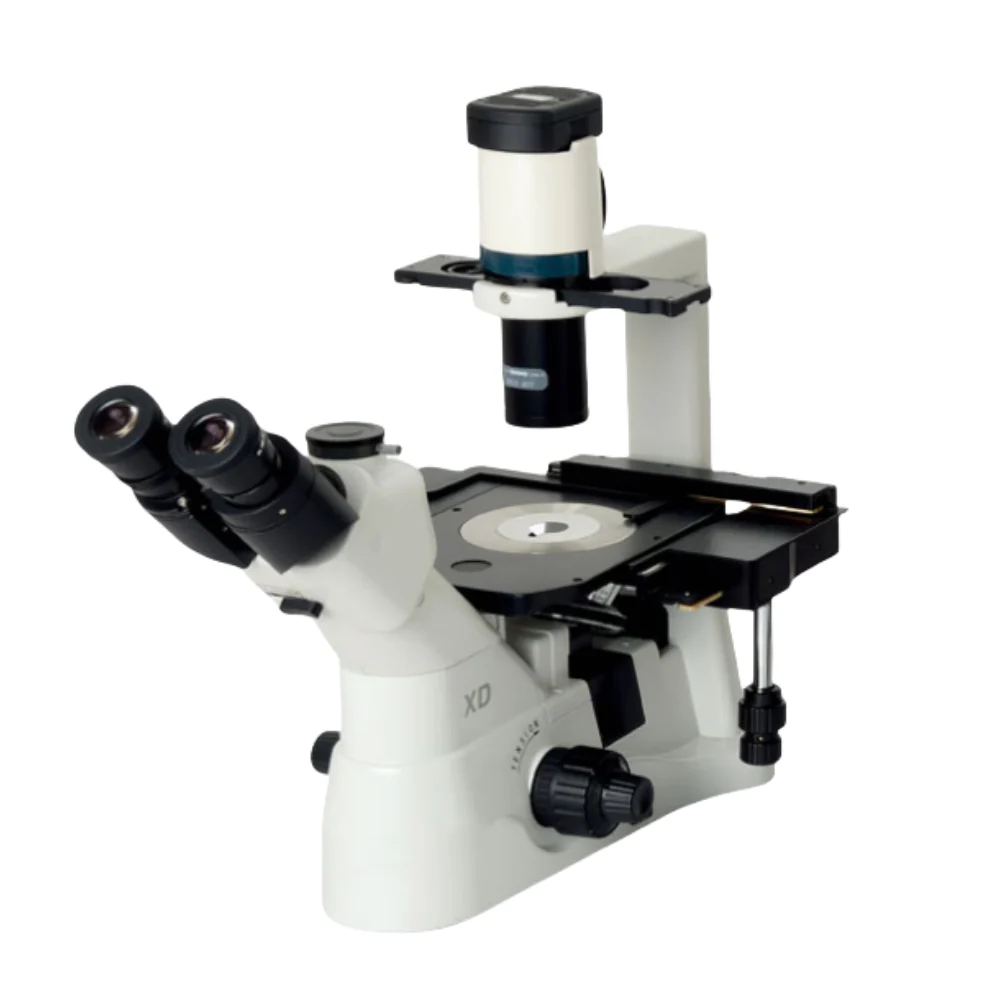
The Biological Microscope range covers 50 catalogue items, grouped into Student Biological Microscope, Inverted Biological Microscope, Laboratory Biological Microscope. Models in this range include XD Series Inverted Biological Microscope for Research and Clinical; ICX41 Industrial Biological Microscope for Industrial Inspection; XIB300 Inverted Lab Biological Microscope with LED Illumination; XIB500 Inverted Lab Biological Microscope for Clinical Diagnostics. Every item is listed with the specification published for it, so a model can be compared on working distance, magnification, interface and fitment rather than on a description.
Choose the Biological Microscope Family
 19 products
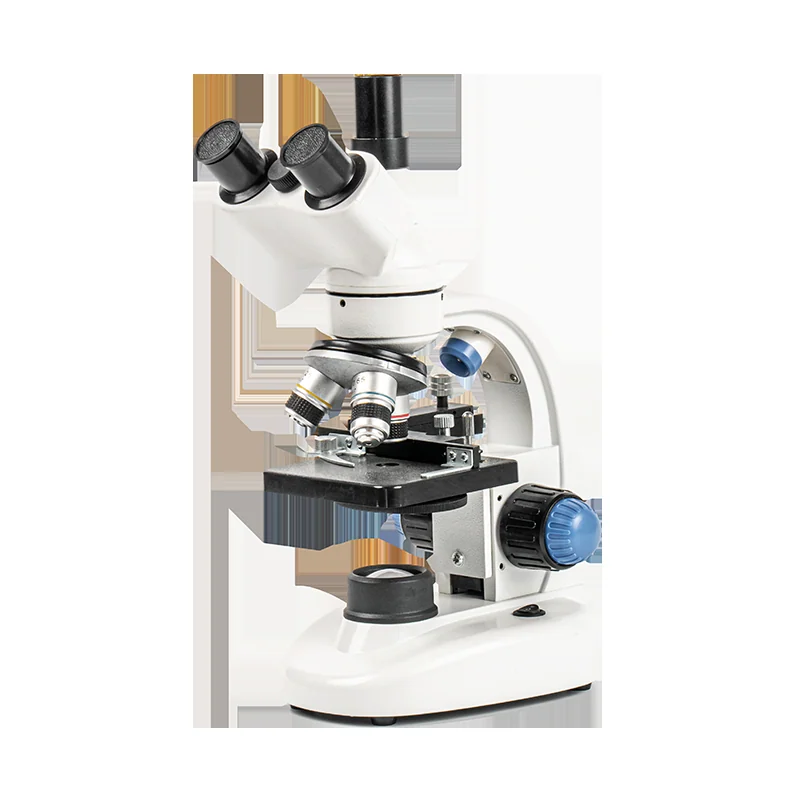
Student Biological Microscope
Student biological microscopes designed for classroom teaching, science education and hobbyist use. Compact units with LED illumination and magnification up to 640X for observing cells, tissues and small specimens.
7 productsInverted Biological Microscope
Inverted biological microscopes designed for observing live cells, tissue cultures, and transparent specimens on culture dishes or slides without requiring a cover slip. These instruments feature infinity-corrected optics, long working distance objectives, and trinocular viewing heads for documentation.
 24 products
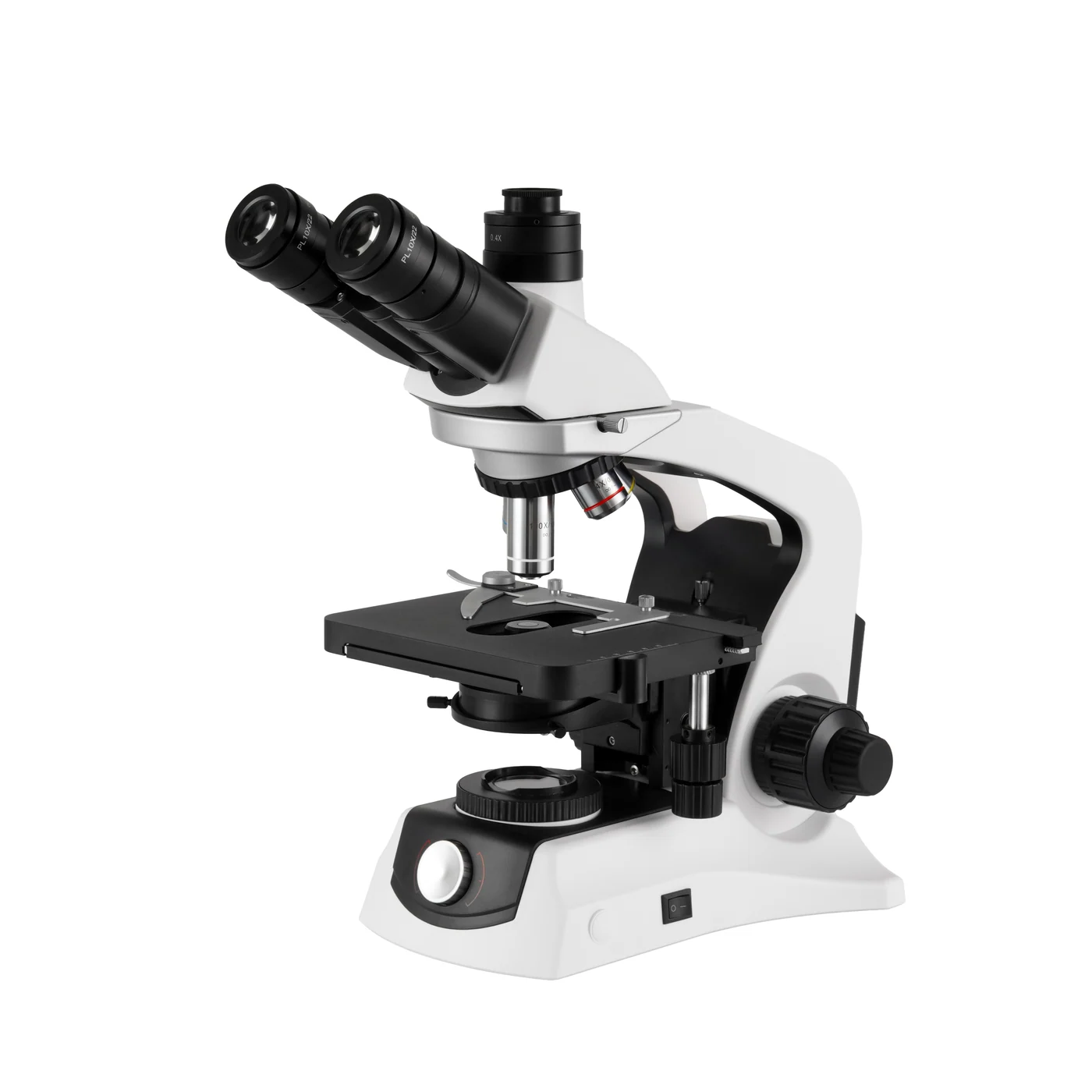
Laboratory Biological Microscope
Laboratory biological microscopes designed for routine inspection and teaching tasks in life science and educational settings. Available in monocular, binocular and trinocular configurations with adjustable interpupillary distance and 30° inclined viewing heads.
What Goes Wrong Without the Right Biological Microscope
- Curved or distorted images from finite optical systems make accurate measurement and documentation difficult
- Limited working distance with standard objectives prevents inspection of thick or mounted samples
- Fixed eyepiece diopter settings require frequent adjustment when shared between users
- Lack of trinocular port limits the ability to capture or record images without removing the observer
- Inadequate illumination control leads to glare or underexposure in high-contrast specimens
Who Buys From This Category
- Clinical and veterinary laboratories performing blood cell counts and tissue analysis
- Teaching and research labs in biology and life sciences
- University biology departments conducting student microscopy sessions
- Pharmaceutical and biotech labs inspecting cell cultures and microbial samples
- Environmental testing labs analyzing water and soil microorganisms
Why These Items
- Infinity-corrected optical system delivers flat, high-contrast images across the entire field of view
- 45° inclined trinocular head with 360° rotation allows ergonomic viewing and camera attachment
- Adjustable inter-pupillary distance (50-75mm) and diopter compensation suit multiple users
- Long working distance objectives (up to 12.1mm) allow inspection of thick or mounted samples
- Plan achromatic objectives provide sharp focus across the full field without edge distortion
Where These Are Used
- Examining a stained blood smear where edge clarity is critical for identifying cell morphology
- Capturing a time-lapse image of live cell division through a trinocular port and digital camera
- Inspecting a tissue section mounted on a slide with a 4X objective to locate regions of interest
- Adjusting the viewing angle for a student to see a specimen without leaning over the instrument
- Using a phase contrast objective to visualize unstained bacteria in a culture medium
Before You Order
- Compare the Biological Microscope models on the figure that decides the job, not on the headline magnification
- Confirm the interface dimension against equipment you already own before ordering
- Send the task as well as the model number so the configuration can be checked
- Ask for written confirmation of any figure a tender or audit depends on
Frequently Asked Questions
What is the working distance for the 40X objective?
The LPL 40X/0.60 objective has a working distance of 3.4 mm.
Can I use a digital camera with this microscope?
Yes. The trinocular head allows attachment of a microscope camera via the 23mm or 30mm camera port.
Is the eyepiece diopter adjustable?
Yes. The high eye-point wide field eyepiece includes an adjustable diopter for individual user correction.
What is the field number of the eyepiece?
The eyepiece has a field number of Φ22mm.
Does the microscope support phase contrast imaging?
Yes. Phase contrast objectives are available in the LPL Ph P series with matching condenser and annular diaphragm.
Get A Price On Biological Microscope
Send the model numbers you are considering, or describe the task and let us shortlist them for you.