
Polarizing Microscope
Microscopes designed for observing materials that show birefringence, stress patterns, crystal structures and anisotropic features under polarized light. Used in quality control, material analysis and scientific study of transparent and opaque specimens.
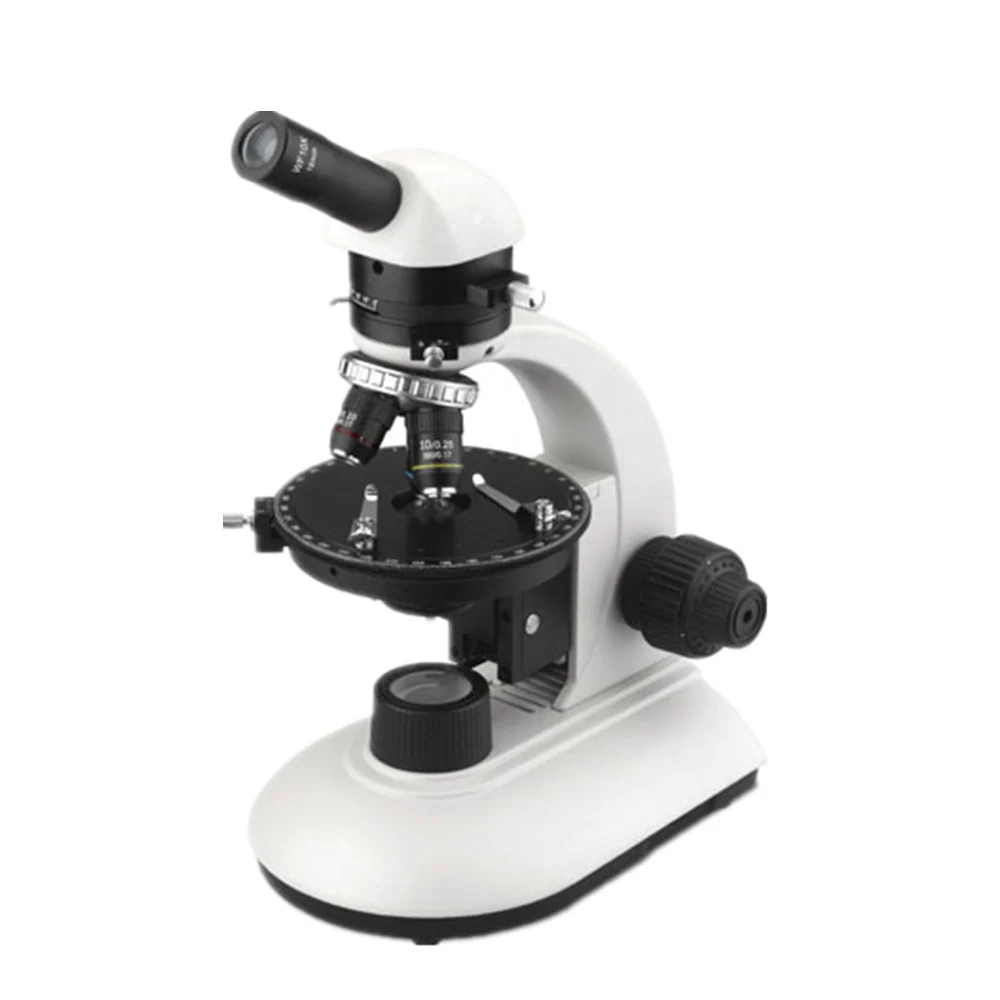
A polarizing microscope uses crossed polarizers and a rotating analyzer to reveal internal stress, crystal orientation and structural details in materials that are invisible under normal illumination. This range includes models with inclined binocular or trinocular heads, rotatable 360° stages, and objectives optimized for non-stress and infinity optical systems. The setup allows for both transmitted and reflected light observation, with options for reticule-equipped eyepieces and interchangeable objectives from 4x to 60x.
Every Polarizing Microscope In Stock
All 4 items in this category, listed in full.
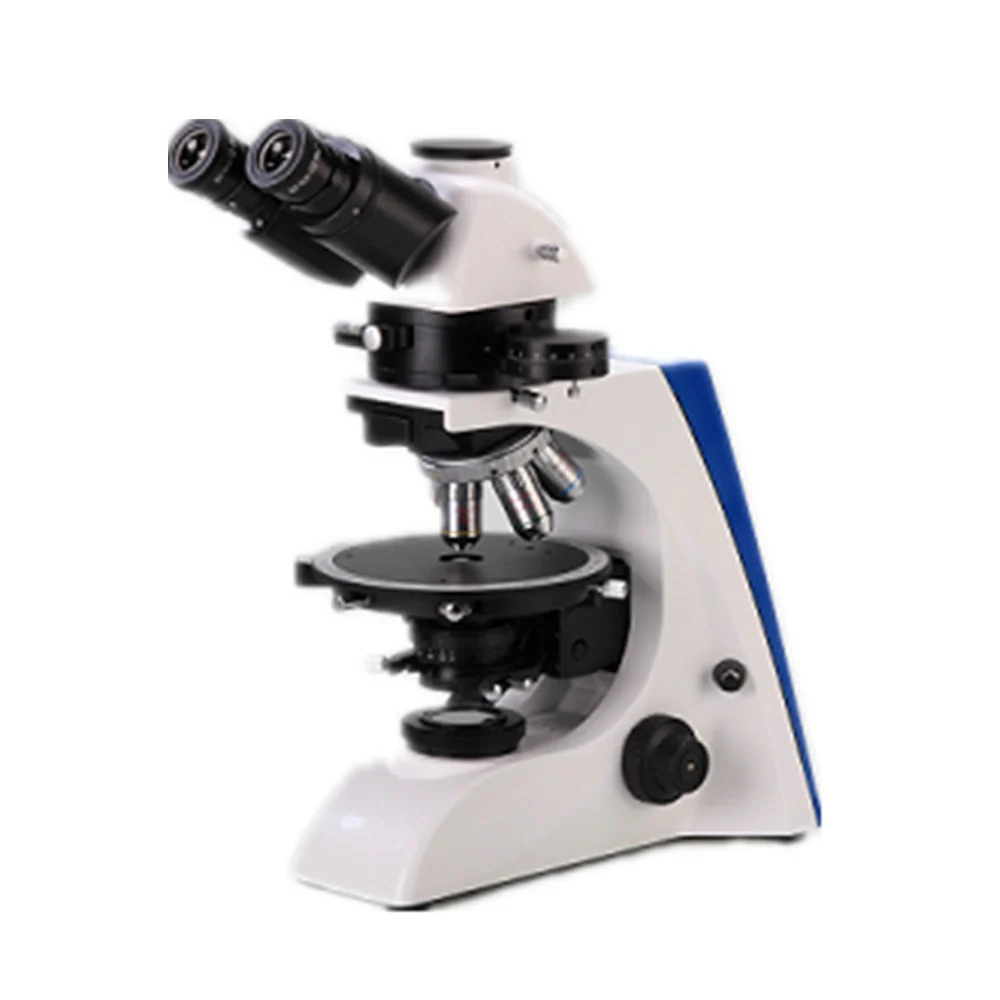
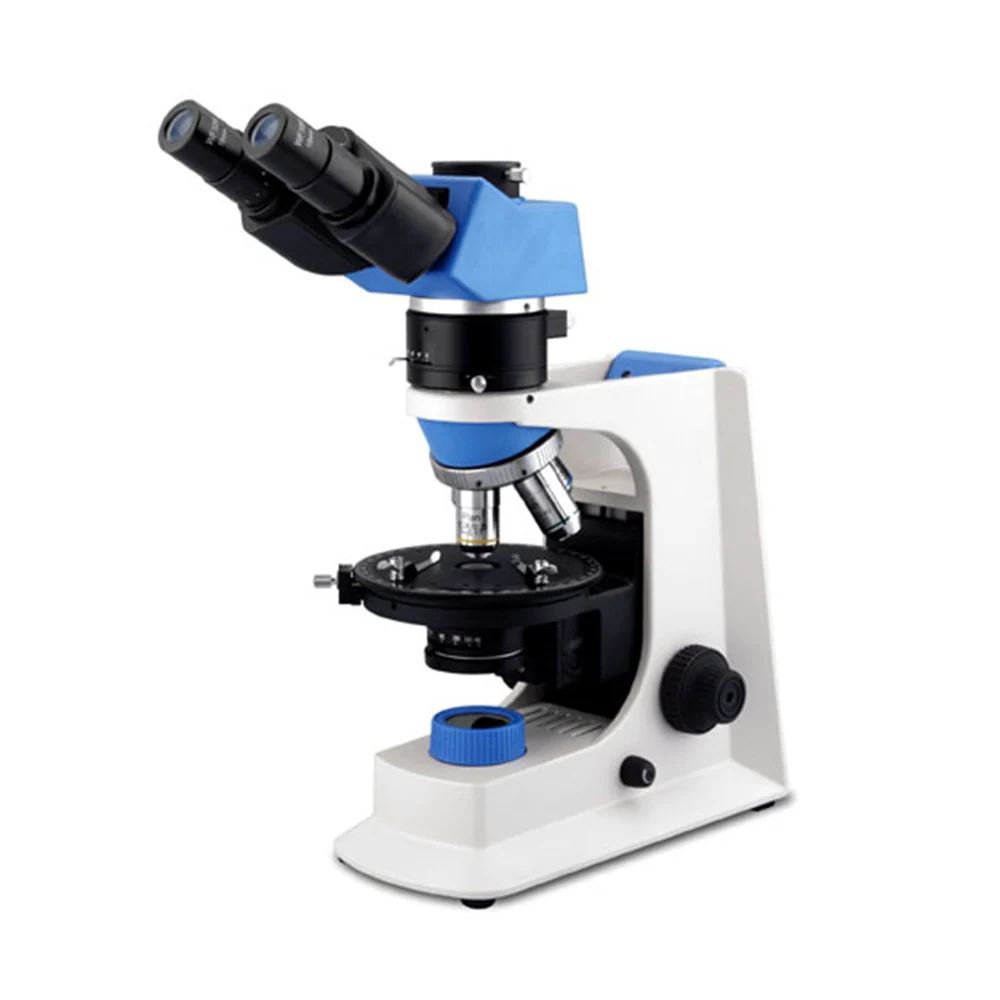
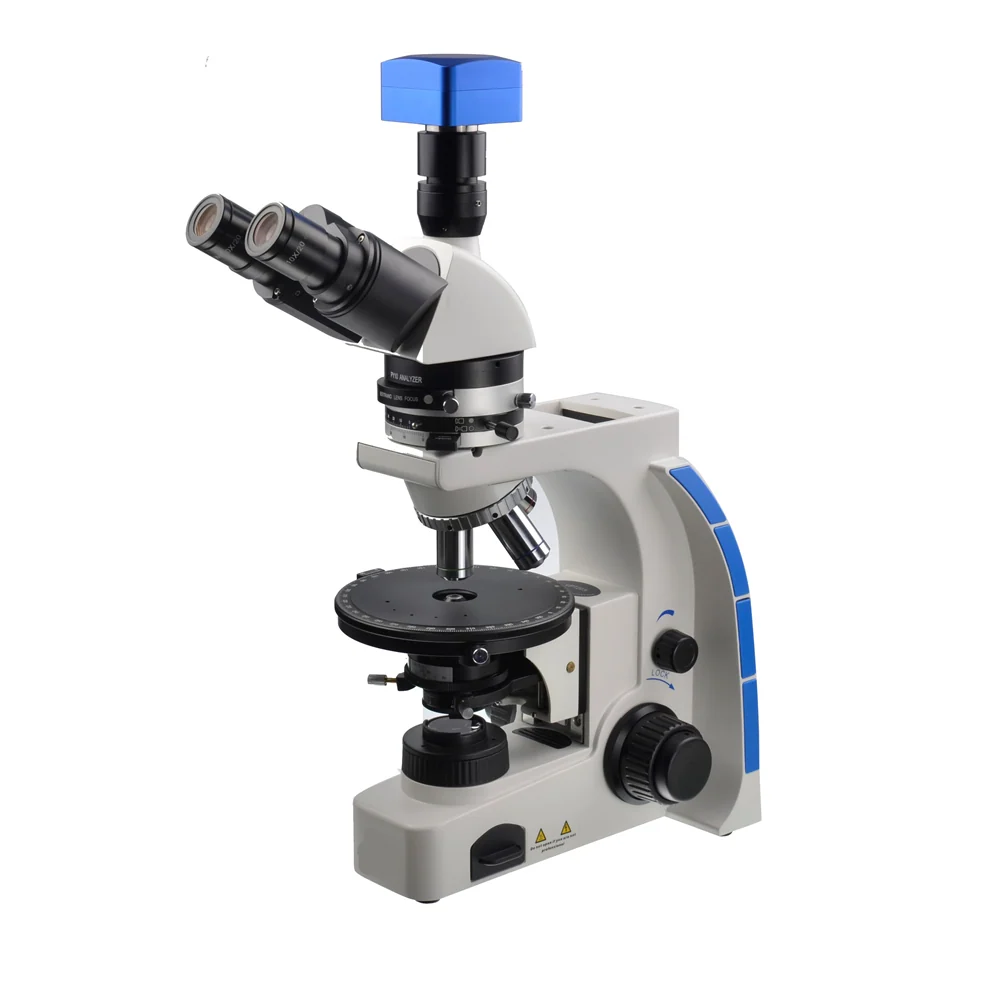
What Goes Wrong Without the Right Polarizing Microscope
- Normal transmitted light reveals no internal stress or crystal alignment in materials like glass, plastics or metals
- Surface features on polished metal or ceramic samples appear flat and lack depth under standard illumination
- Birefringent structures in minerals, fibers or polymers are invisible without polarized light
- Manual rotation of the analyzer is difficult without a calibrated 0-90° scale and locking mechanism
- Lack of a trinocular port prevents digital documentation of polarized images
Who Buys From This Category
- Metallurgy labs inspecting heat-treated steel and stress patterns in castings
- Foundry quality control checking for internal strain in metal components
- Geology and mineralogy labs identifying crystal structures and mineral composition
- Semiconductor and optical component inspection for birefringence in wafers or lenses
- Jewellery labs analyzing gemstone inclusions and synthetic vs natural origin
- Research labs studying polymer orientation, fiber alignment and thin-film stress
Why These Items
- Crossed polarizers reveal birefringence and internal stress in transparent and opaque materials
- Rotatable 360° analyzer allows precise measurement of optical axis orientation
- Infinity Plan objectives reduce chromatic aberration and improve image clarity at high magnification
- Trinocular heads support digital imaging with camera attachment for documentation
- Adjustable interpupillary distance and diopter compensation improve user comfort during long sessions
- Non-stress objectives minimize optical distortion in sensitive samples
Where These Are Used
- Inspecting a polished steel surface for residual stress after heat treatment
- Identifying crystal structure in a mineral sample using crossed polarizers
- Checking for birefringence in a polymer film used in display manufacturing
- Documenting stress patterns in a glass component under polarized light
- Analyzing fiber alignment in a composite material under transmitted polarized illumination
- Measuring the orientation of crystal axes in a synthetic gemstone
Before You Order
- Confirm the nosepiece type and objective thread size to ensure compatibility with your existing objectives
- Choose a trinocular model if you need to capture images with a digital camera
- Verify the interpupillary distance range matches your eye spacing for comfortable viewing
- Select a model with a reticule if you need to measure features in microns under polarized light
- Ensure the stage rotation range and analyzer scale are sufficient for your measurement needs
Frequently Asked Questions
Can I use a polarizing microscope with my existing objectives?
Yes, if the objectives have a standard 25mm thread and are compatible with the nosepiece. The XUP series supports non-stress Achromatic and Infinity Plan objectives with 4x to 60x magnification.
What is the difference between a binocular and trinocular polarizing microscope?
A binocular model has two eyepieces for direct viewing. A trinocular model adds a third port for attaching a camera or digital imaging system, enabling photo and video capture.
Do I need a separate polarizer and analyzer?
No. The analyzer unit is built into the microscope and can be rotated from 0° to 90°. It can also be moved out of the optical path for single polarizing use.
Can I measure the angle of birefringence with this microscope?
Yes. The 360° rotatable stage and calibrated analyzer allow precise measurement of optical axis orientation and birefringence angles.
Are the eyepieces interchangeable between models?
Yes. The eyepieces are standard 25mm diameter and can be swapped between models as long as the tube diameter and eye relief are compatible.
Get A Price On Polarizing Microscope
Send the model numbers you are considering, or describe the task and let us shortlist them for you.