
Microscope Camera
Digital imaging sensors that attach to microscope heads or trinocular ports to capture still and video images of microscopic samples for inspection, documentation and analysis.
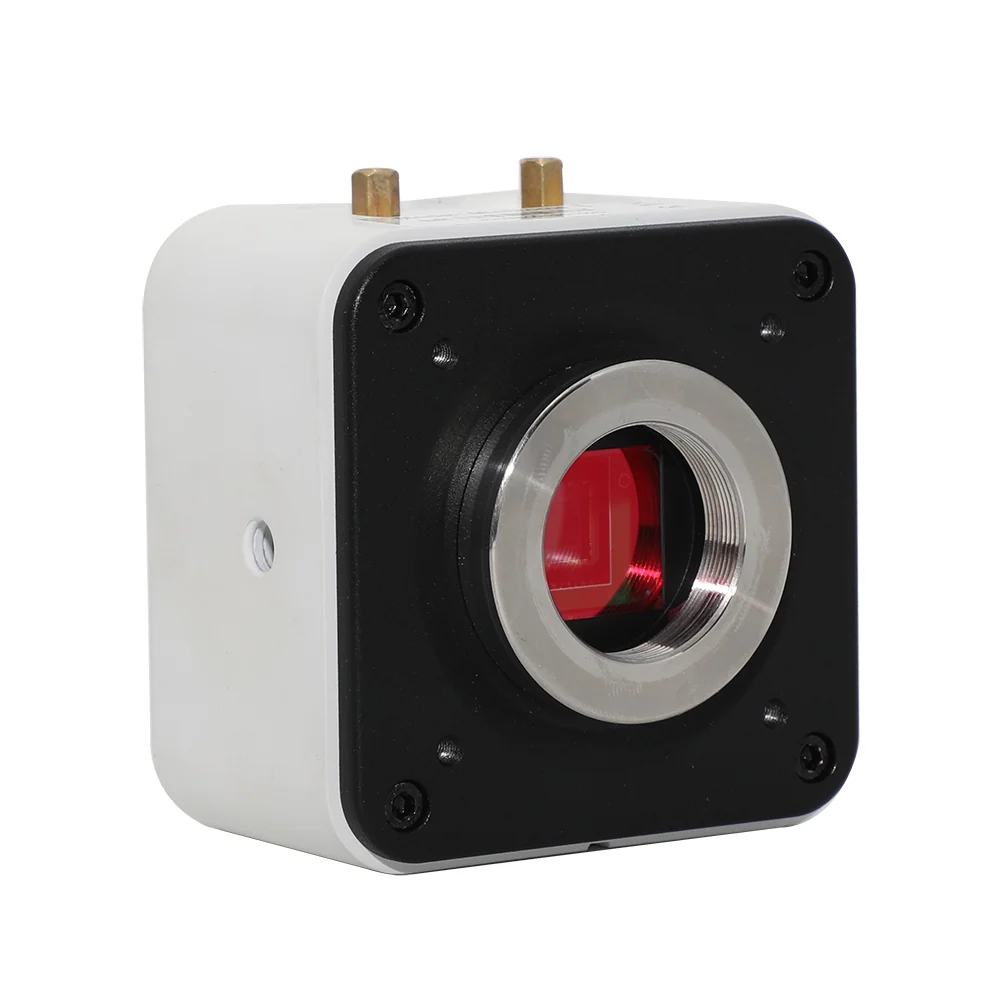
A microscope camera connects to a microscope via a trinocular port or dedicated adapter and captures digital images or video from the optical path. These cameras support USB2.0, USB3.0, HDMI and WiFi interfaces, with sensor sizes from 1/2.5" to 1/2.3", pixel sizes from 1.34μm to 2.8μm, and resolutions from 2MP to 14MP. They are used in inspection, teaching, research and quality control to record and share microscopic details.
Choose the Microscope Camera Family
8 productsUSB2.0 CMOS Microscope Camera
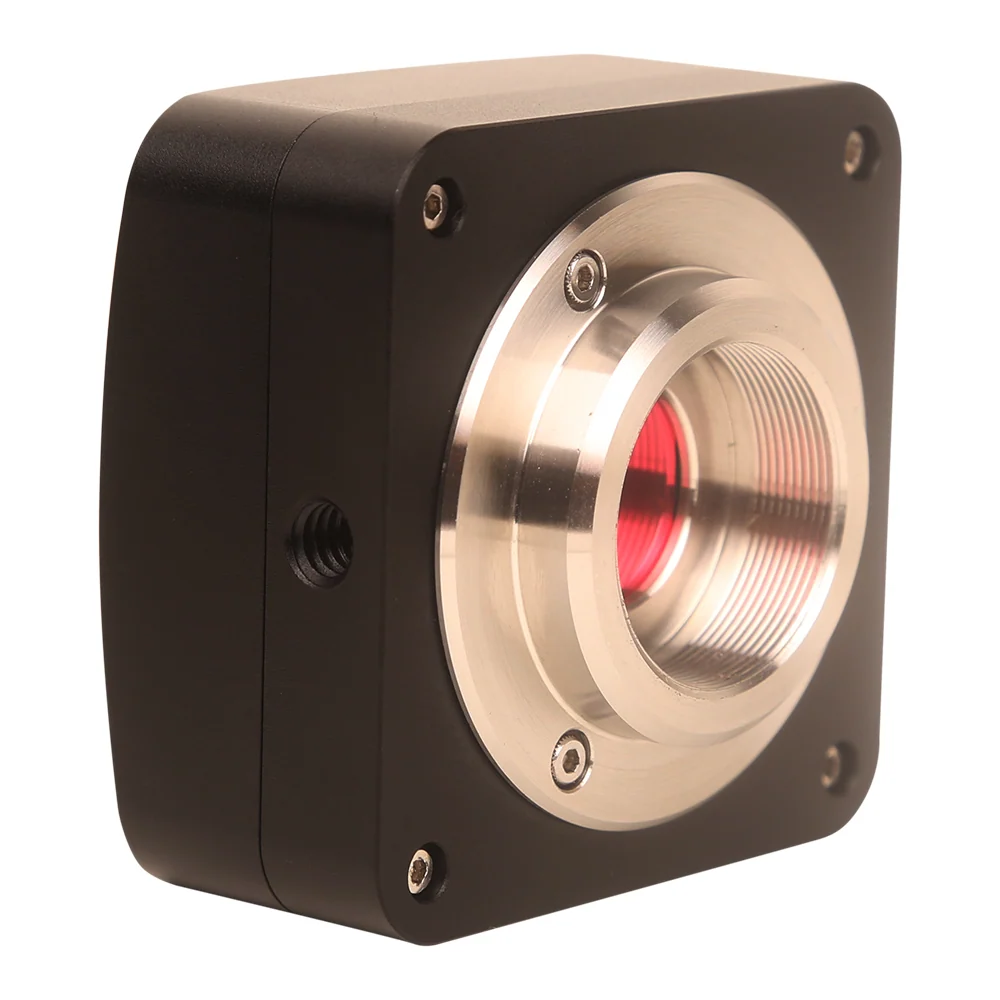
Digital microscope cameras with USB2.0 interface and CMOS sensors for capturing and transmitting live images from stereo and biological microscopes to a computer or display.
 8 products
USB3.0 CMOS Microscope Camera
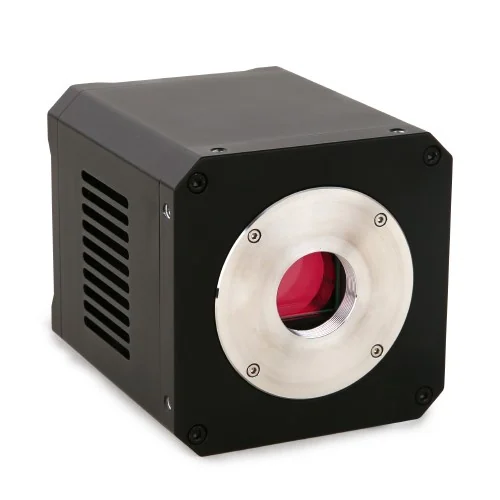
USB3.0 CMOS microscope cameras with Sony or OnSemi sensors, designed for digital imaging in biological, stereo and inspection microscopes using C-mount, M42 or F-mount interfaces.
 6 products
USB3.0 CCD Microscope Camera
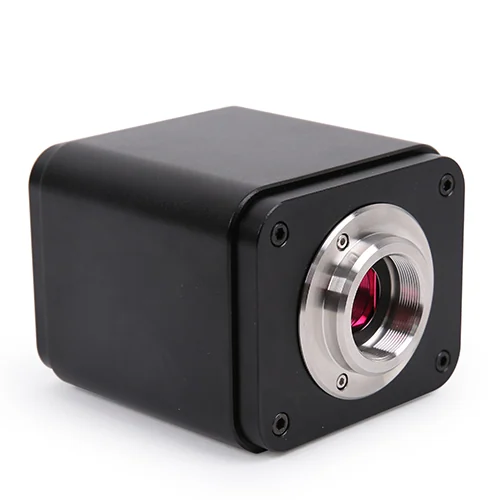
Digital imaging sensors that connect via USB3.0 to capture high-resolution still and video images from microscopes, with cooling options for low-noise fluorescence and long-exposure work.
 11 products
WiFi Microscope Camera
WiFi microscope cameras that connect to microscopes via USB, HDMI or wireless networks for real-time image capture and remote inspection without cables.
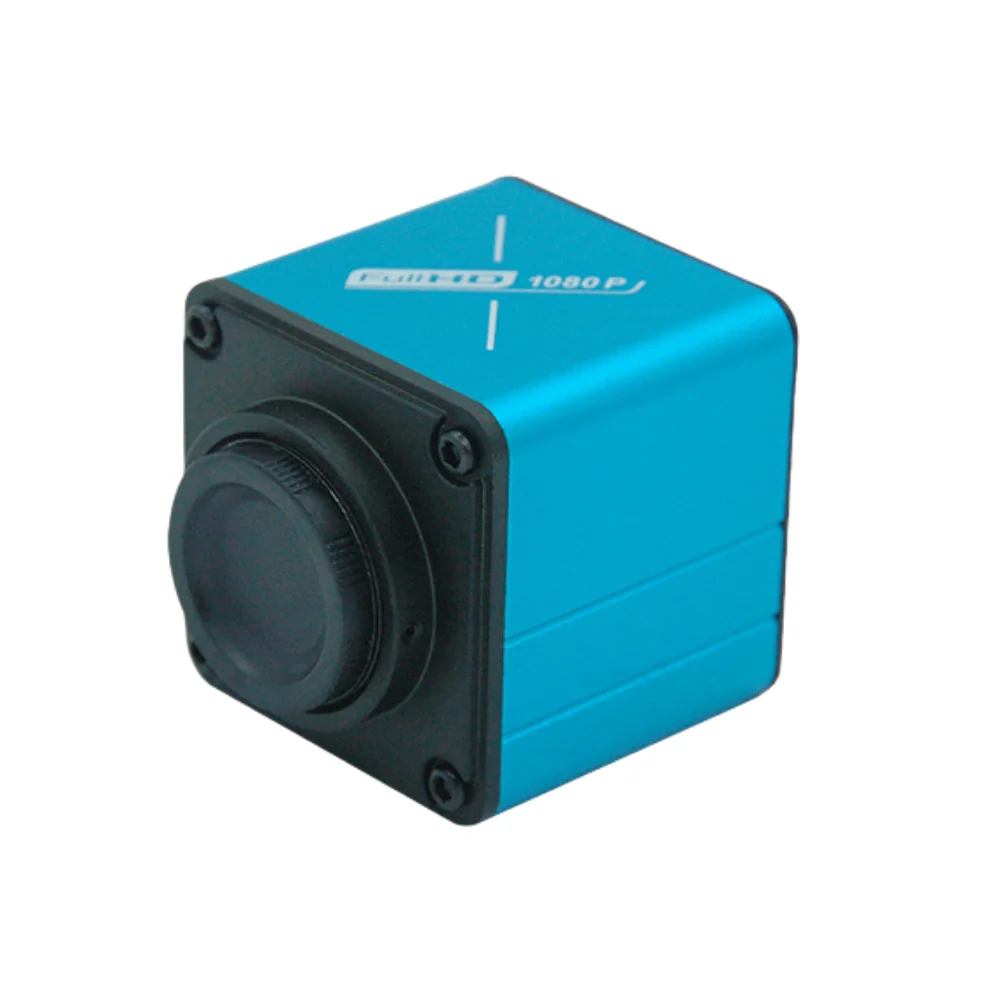
17 productsHDMI Microscope Camera
HDMI microscope cameras that connect to video microscopes, stereo microscopes or biological microscopes for real-time image capture, measurement and live teaching. These cameras deliver 4K or 1080P output via HDMI, USB3.0, WiFi or dual outputs, with support for autofocus, low-delay 60fps streaming and mobile app integration.
 3 products
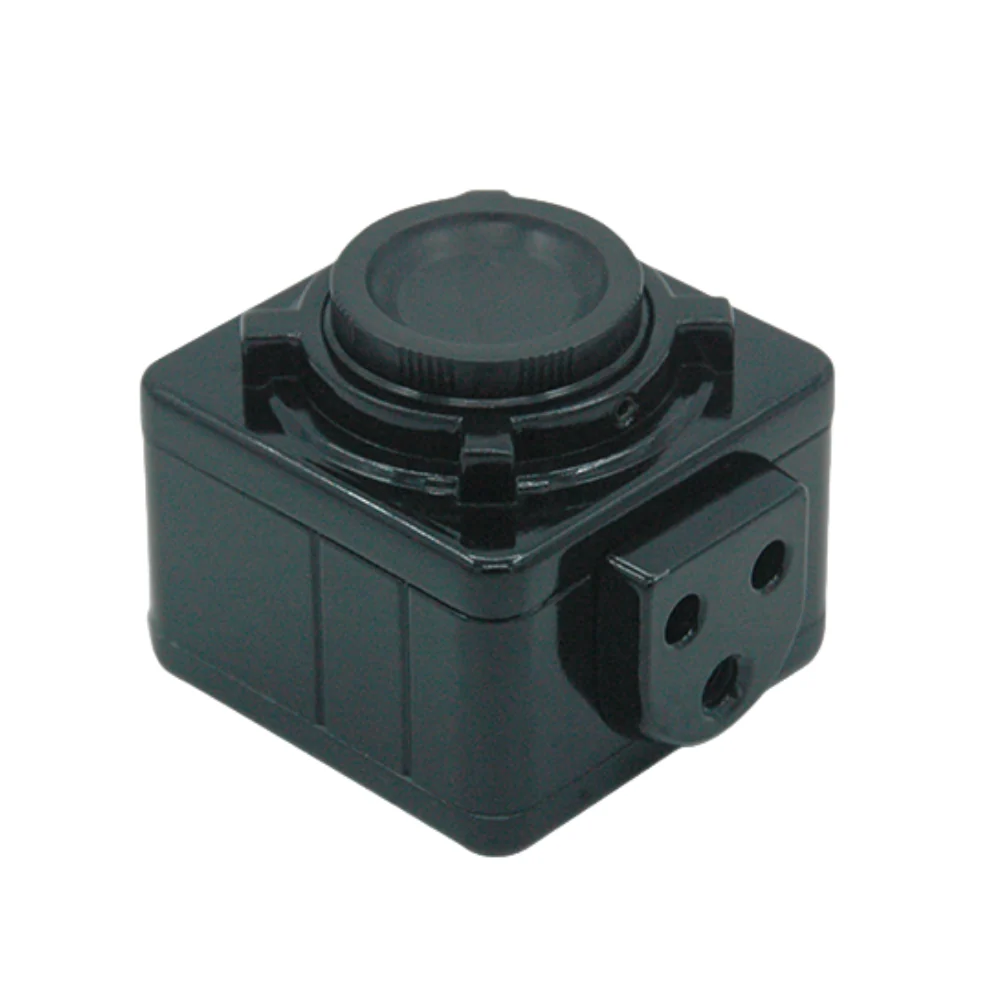
VAG Microscope Camera
Digital microscope cameras that connect via USB2.0 to capture and display live images from stereo, biological and industrial microscopes for inspection, documentation and quality control.
 11 products
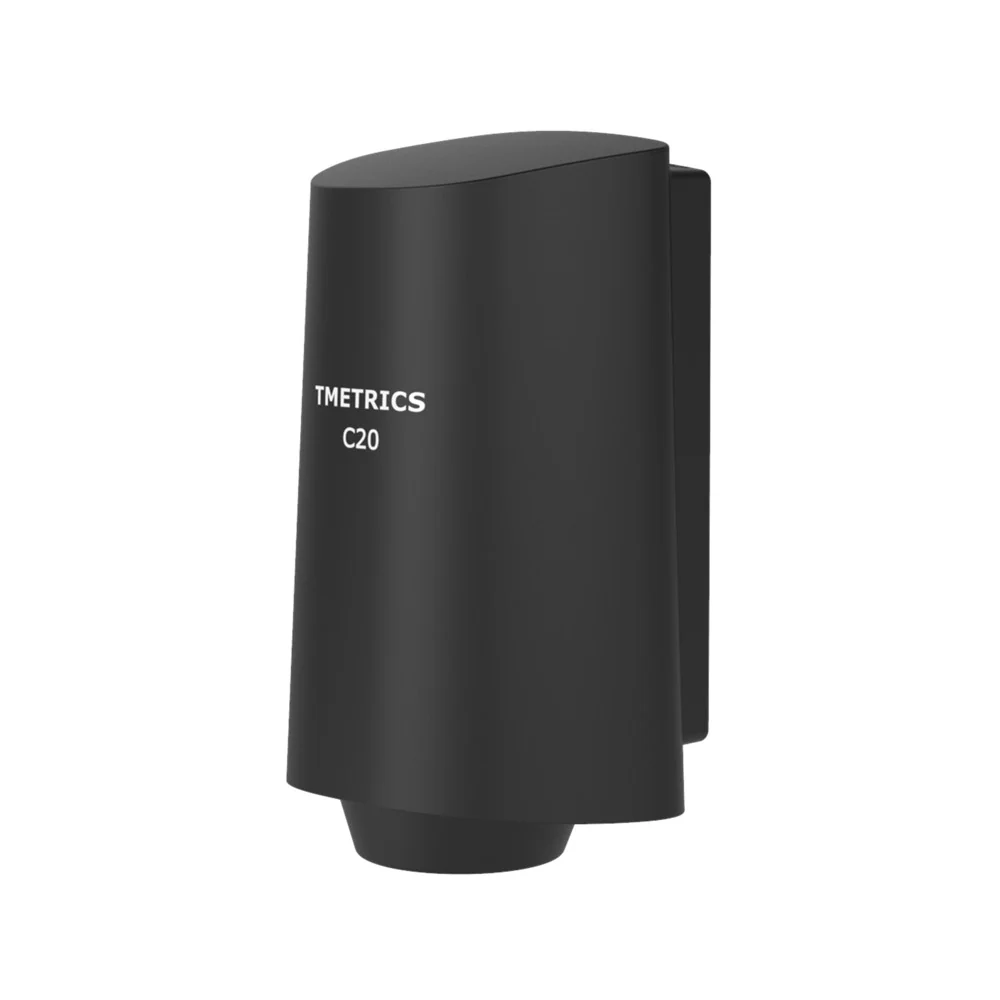
Industrial Microscope Camera
Industrial microscope cameras that connect to stereo, digital and video microscopes for real-time imaging, inspection documentation and automated quality control in manufacturing and lab environments.
 1 products
3D Microscope Camera
A 3D microscope camera that attaches to metallographic, stereo or other reflective microscopes and enables direct 3D observation and measurement without a computer.
What Goes Wrong Without the Right Microscope Camera
- Manual sketching or photography with a phone camera fails to capture fine detail or consistent focus
- Low-resolution cameras blur solder joints, grain boundaries or surface textures in metallurgical samples
- Fixed frame rates prevent capturing fast-moving processes like fluid flow or particle motion
- No digital output makes it impossible to share images across teams or archive results
- Incompatible interfaces prevent connection to modern computers or video systems
Who Buys From This Category
- Electronics manufacturers inspecting PCBs, SMDs and BGA joints
- Laboratories documenting biological, metallurgical or mineral samples
- Teaching labs recording student observations for review
- Quality control teams capturing evidence of defects or process variations
- Research labs requiring high dynamic range or long exposure imaging
Why These Items
- USB3.0 and HDMI outputs support high frame rates and full HD or 4K video capture
- Pixel sizes from 1.34μm to 2.8μm allow fine detail capture in high-magnification applications
- Sensor sizes from 1/2.5" to 1/2.3" provide larger light-gathering area for low-light imaging
- Binning options (1x1, 2x2, 4x4) improve frame rate or signal-to-noise ratio in low-light conditions
- Exposure times from 0.1ms to 2000ms support both fast motion and long-exposure imaging
- Color and monochrome models available for applications requiring spectral sensitivity
- Support for rolling shutter and adjustable exposure enables use in variable lighting
- WiFi and USB interfaces allow connection to laptops, tablets and digital displays without cables
Where These Are Used
- Capturing a 4K video of a solder reflow process to review joint formation
- Documenting a crystal structure under polarized light with a 14MP monochrome sensor
- Recording a live cell division under a biological microscope for teaching
- Using a 12MP camera with 2x2 binning to increase frame rate during micro-assembly
- Connecting a camera via HDMI to a large display for team review of a metallurgical cross-section
Before You Order
- Confirm the trinocular port size and thread type on your microscope before selecting a camera adapter
- Choose a monochrome sensor if you need maximum sensitivity for low-light or fluorescence imaging
- Select a camera with long exposure capability if you are imaging faint samples or under low illumination
- Check the frame rate at your required resolution to ensure it matches your inspection speed
- Ensure your computer has a USB3.0 port or HDMI input to support the camera's full performance
Frequently Asked Questions
What interfaces do these microscope cameras support?
Cameras support USB2.0, USB3.0, HDMI and WiFi connections. Check the specific model's datasheet for interface details.
Can I use a microscope camera with a digital microscope?
Yes. Cameras connect to digital microscopes via trinocular ports or dedicated adapters, provided the interface matches.
What is the difference between color and monochrome sensors?
Color sensors capture RGB data but have lower sensitivity. Monochrome sensors are more sensitive and better for low-light or high-contrast imaging.
How do I choose the right resolution and pixel size?
Higher resolution (e.g. 12MP, 14MP) captures more detail. Smaller pixels (e.g. 1.34μm) increase resolution but reduce light sensitivity. Match the sensor to your magnification and lighting.
Can I use binning to improve frame rate?
Yes. Binning combines adjacent pixels (e.g. 2x2) to increase signal and frame rate, useful for live imaging or fast processes.
Get A Price On Microscope Camera
Send the model numbers you are considering, or describe the task and let us shortlist them for you.