
Setting Up an Engine Rebuilding Workshop - Equipment Checklist
An engine rebuilding workshop needs equipment for four separate jobs: cleaning, cylinder block work, cylinder head work and testing. This checklist is for workshop owners and importers planning a new rebuild shop or deciding which subcontracted operations to bring in house first.
Plan the Shop Around the Work Flow
An engine rebuild is a sequence, and the equipment list follows that sequence rather than a catalogue. A core comes in dirty, gets stripped and cleaned, is inspected and measured, has its block and head machined, has its rotating parts reconditioned, and is then tested and assembled. Every one of those stages either happens in your building or is bought from someone else, and the purpose of a checklist is to decide consciously which is which.
Before choosing machines, fix two numbers in your own planning: the engine sizes you will accept, and how many units a month you expect. A shop that takes passenger car and light commercial engines needs different capacities from one that takes truck, bus, agricultural and marine engines, and the difference shows up first in table size and machine stroke, not in the machine name. Volume decides whether an operation justifies its own machine or should stay subcontracted for now.
- Decide the engine size range you will accept
- Estimate monthly unit volume for the first two years
- Mark each process stage as in house or subcontracted
- Buy in the order that removes the most subcontracting cost
Cleaning and Preparation
Nothing downstream works properly on a dirty core. Carbon, varnish, scale and old gasket material hide cracks, ruin measurement and wreck machining surfaces. Cleaning is therefore the first capital item, not an afterthought, and it needs its own space away from the machining bench so that abrasive residue does not migrate onto machine ways.
Ultrasonic cleaning suits parts where solvent has to reach passages that a brush cannot: injectors, small castings, carburettor bodies, valve train components and oil galleries. A larger ultrasonic cleaning machine takes complete cylinder heads and small blocks. Whatever method you choose, plan for waste fluid handling and for a drying area so parts do not flash rust between cleaning and machining.
- Ultrasonic cleaning for passages and small components
- A separate dirty area so abrasive debris stays away from machines
- Waste oil extraction and fluid disposal arrangements
- Drying and short-term corrosion protection for cleaned parts
Cylinder Block Machining
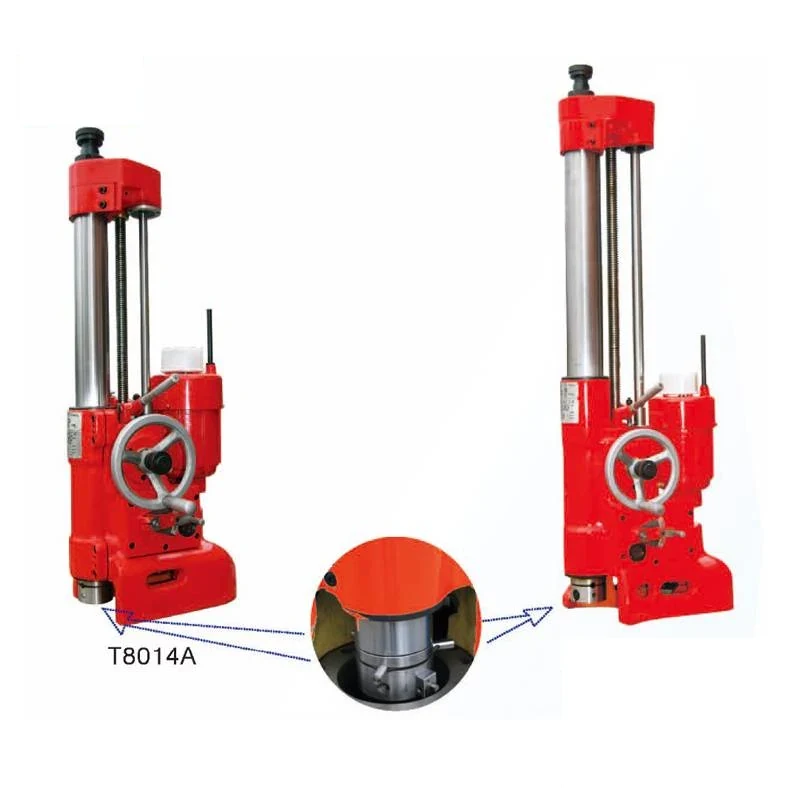
The block side of the shop carries the heaviest machines and usually the largest share of the budget. Cylinder boring re-establishes round, straight bores square to the crank axis and opens them to an oversize. Cylinder honing then brings the bore to the finished diameter and cuts the crosshatch the rings need. These are two operations and they need two machines, or a combined machine where cylinder sizes are small.
Deck resurfacing is the next item. A block deck that is not flat will not hold a head gasket, and a surfacing and milling machine that handles both block decks and head faces is one of the highest utilisation machines in a rebuild shop. Where blocks have been run hot or have had bearing failures, main bore alignment has to be checked and corrected, which is what line boring and line honing machines do.
Sequence matters when buying. A shop that brings in boring but subcontracts honing has not actually taken control of the cylinder, because the finished diameter and the surface finish are set by the hone.
- Cylinder boring machine sized to your largest bore and block
- Cylinder honing machine, air-floating where blocks are hard to dial in
- Block and head surfacing or grinding and milling machine
- Line boring and line honing for main bore correction
Cylinder Head Work
Head work is where a rebuild shop wins or loses its reputation, because compression loss and oil consumption are felt immediately by the customer. The core machine is a valve seat and guide machine that cuts the seat angles in reference to the valve guide bore. Alongside it sits a valve grinder for refacing valve faces and stem ends, and a means of pressing guides in and out.
Head surfacing belongs here too, and in many shops the same grinding and milling machine covers block decks and head faces. If you take aluminium heads, check that the machine and tooling are suited to both cast iron and aluminium, because cutter geometry and speeds differ.
A head bench also needs its own small equipment: a valve spring compressor, a spring tester, a straight edge for checking head flatness, and somewhere clean to lay out valves in order. The work is precise and it goes wrong when parts get mixed.
- Valve seat and guide cutting machine matched to your head sizes
- Valve grinder for face and stem end refacing
- Guide press or hydraulic valve guide press
- Head surfacing capability, cast iron and aluminium as required
Crankshaft Connecting Rod and Brake Work
Crankshaft grinding is a significant investment and a significant capability. A crankshaft grinding machine regrinds journals to undersize so that undersize bearing shells can be fitted, and it is the operation most commonly subcontracted by smaller shops because of its cost and the skill it requires. If your volume supports it, bringing it in house removes a major bottleneck, since crank work is often what holds up an otherwise finished engine.
Connecting rods need their own attention. A cap and rod grinding machine faces the cap and rod parting faces so the big end can be resized, and a con-rod bushing boring machine finishes the small end bush. Rods that are not resized correctly give bearing clearances that no amount of careful assembly will rescue.
Many engine shops also serve the same customers with brake work, and a brake drum and disc lathe uses the same bench discipline and the same customer base. It is a common way to fill capacity in the early months while the engine side builds up.
Testing and Inspection
Testing is what separates a rebuild from an assembly. A cylinder head pressure tester finds cracks and porosity before the head is assembled and fitted, which is far cheaper than finding them after the engine is back in the vehicle. A vacuum tester gives a fast per-port check that the valves are actually sealing on the seats you just cut.
Measuring equipment is used continuously rather than occasionally, and buying cheap here undermines every machine in the building. The minimum set is an outside micrometer range covering your journals and pistons, a dial bore gauge for cylinders and main bores, dial indicators with magnetic bases for runout and setup, and vernier calipers for general work. Keep them calibrated and keep them off the machining bench where they get knocked.
- Cylinder head pressure tester for cracks and porosity
- Vacuum tester for per-port valve sealing checks
- Outside micrometers, dial bore gauge, dial indicators and magnetic bases
- Vernier or digital calipers for general dimensional work
Services Space and Handling
Machines need supplies before they need floor space. Confirm the voltage, phase and frequency for every machine at the order stage so everything arrives wired for your supply. Check total connected load against your incoming supply before the machines land, because a shop that has to upgrade its electrical service mid-installation loses weeks.
Compressed air is needed for air-floating machines, cleaning and hand tools, and it must be filtered and dried. Engine blocks and heads are heavy, so plan lifting: an overhead beam, a jib crane or an engine crane, and trolleys to move cores between stations. Also plan drainage and waste oil collection, because every core that comes in brings fluid with it.
Leave working space around each machine for loading a block, not just for the machine footprint. Ask XAIMC for the installation drawings and crated dimensions when you request quotations so the layout can be drawn before the containers arrive.
A Staged Buying Order
Few shops buy everything at once, and there is a sensible order. Start with cleaning, measuring equipment and the operation that currently costs you the most in subcontracting and lost time. For most shops that is the cylinder line and head seat work, because those two determine whether the finished engine seals.
Add surfacing next, since it serves both blocks and heads and has high utilisation. Bring in rod and crank work when volume justifies it. Testing equipment should not wait for a later phase: it is inexpensive relative to the machines and it is what stops faulty work leaving the building.
Send XAIMC your engine range, monthly volume and the list of operations you intend to keep in house, and a machine package can be proposed against that plan rather than against a generic shop layout.
- Phase 1 - cleaning, measuring tools, testing equipment
- Phase 2 - cylinder boring and honing, valve seat and guide machine
- Phase 3 - block and head surfacing, valve grinding
- Phase 4 - crankshaft grinding, rod and bushing machines, line boring
Related Machines From XAIMC
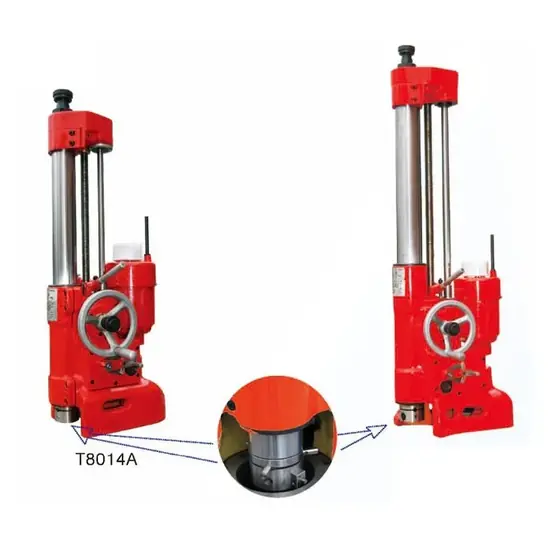
Cylinder Boring Machine T8014A/T8016A
View Machine →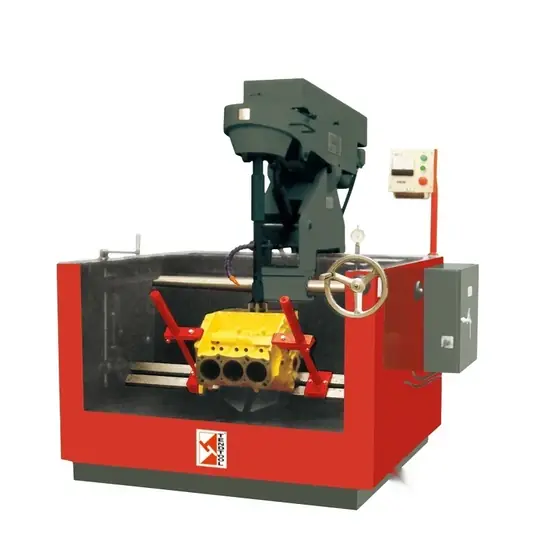
Vertical Cylinder Honing Machine 3M9817
View Machine →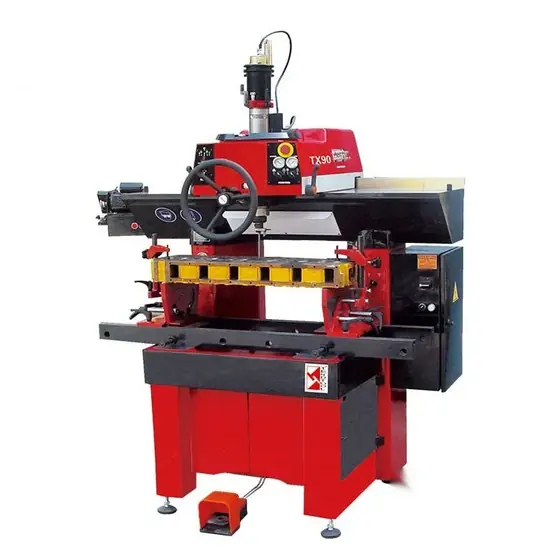
Valve Seat Boring Machine TX90/TL120/TL120XL
View Machine →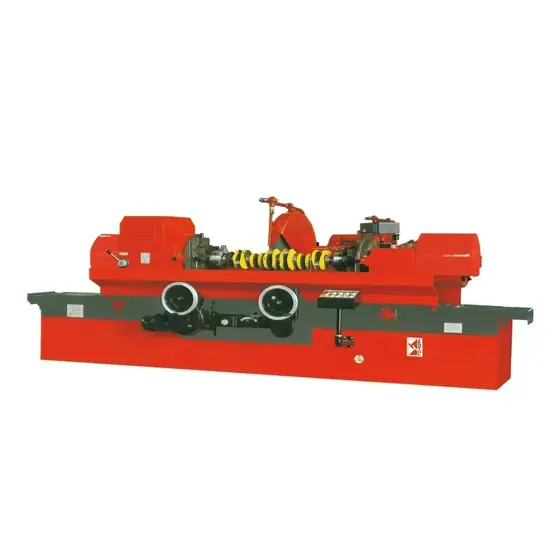
Crankshaft Grinding Machine MQ8260A/C
View Machine →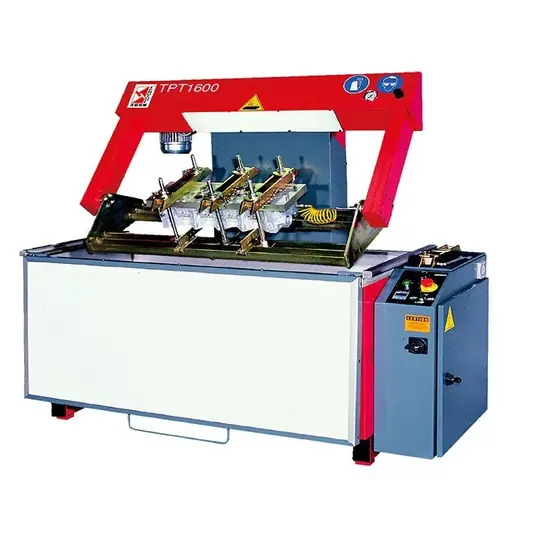
Cylinder Head Pressure Tester TPT1600/TPT1600L/TPT1700
View Machine →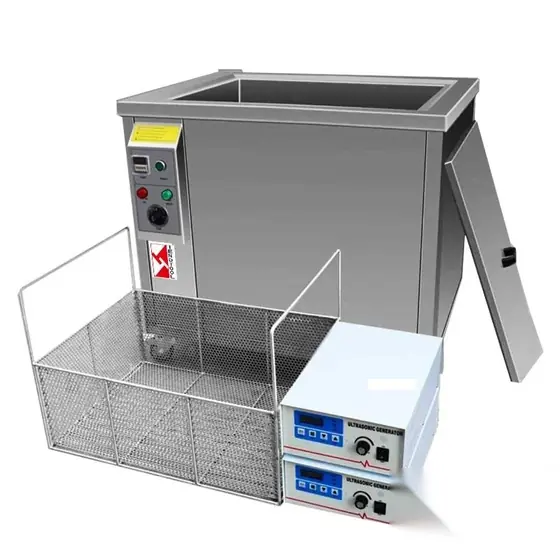
Auto Spare Parts Ultrasonic Cleaner Machine UCM1500
View Machine →Related Categories
Questions on This Topic
Which machine should a new rebuild shop buy first
Usually the operation that costs you most in subcontracting and delay, which for most shops is the cylinder line or the valve seat and guide machine. Cleaning and measuring equipment should be in place before either, because neither machine can be used properly on dirty, unmeasured parts.
Can one machine cover both block decks and cylinder head faces
Grinding and milling machines are built for surfacing both, provided the table and capacity suit your largest block and head. Tell XAIMC the maximum block length and head length you intend to handle so the machine is sized against real work rather than an average.
Do I need crankshaft grinding in house
Not at the start. It is a large investment and the most commonly subcontracted operation. Bring it in house once crankshaft turnaround is regularly holding up finished engines, since at that point the machine is buying back schedule as well as machining cost.
What power supply should I specify for imported machines
State your voltage, phase and frequency, for example 380V three phase 50Hz or 440V three phase 60Hz, on the enquiry so each machine is built and wired for your supply. Also check the total connected load of the planned machines against your incoming service before installation.
How much space should I allow per machine
Allow the machine footprint plus room to load and unload a block or head and to stand at the controls without leaning over the work. Request the installation drawings and crated dimensions from XAIMC at quotation stage so the layout can be drawn before delivery.
Is brake work worth adding to an engine shop
Many shops add brake drum and disc lathes because they serve the same customers and use the same bench discipline. It is a practical way to use capacity while the engine rebuilding side of the business builds volume.
Apply This to Your Own Workshop
Send us your parts, your volumes and your site conditions and we will answer for your case rather than the general one.