
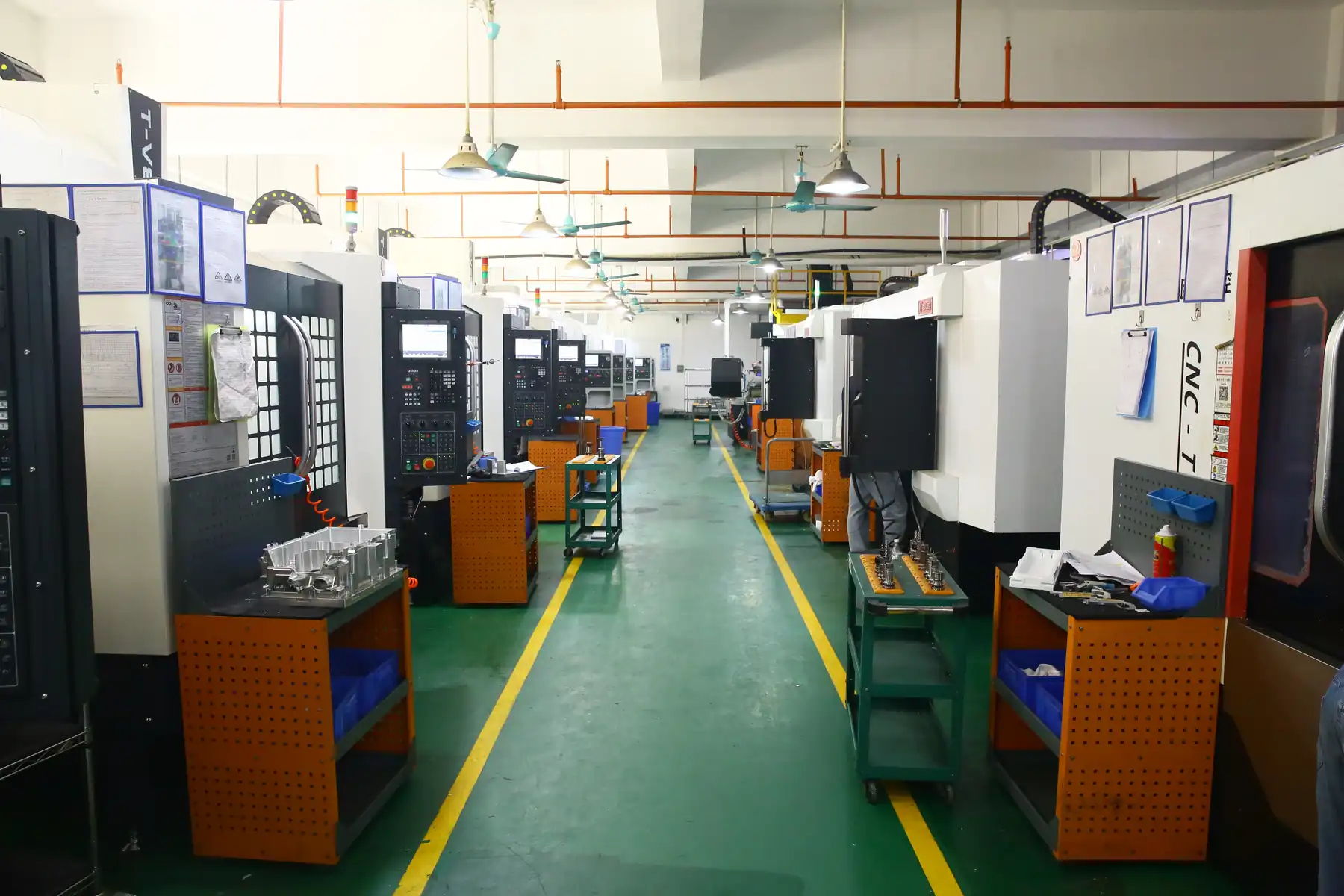
Precision Turned Parts Machined On Japanese Swiss-Type Lathes
Shafts, housings, fittings and screws turned complete in one clamping, for equipment builders who buy by drawing.
Every Turned Part In This Line
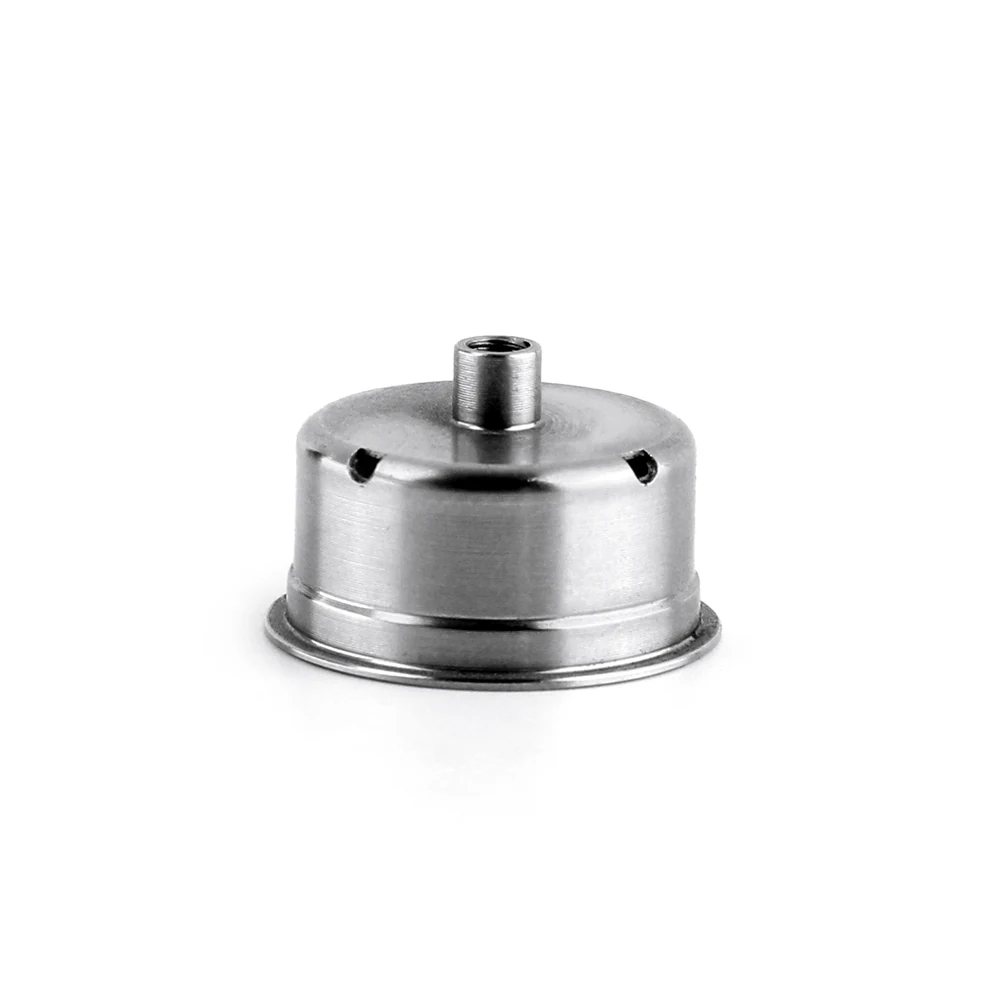
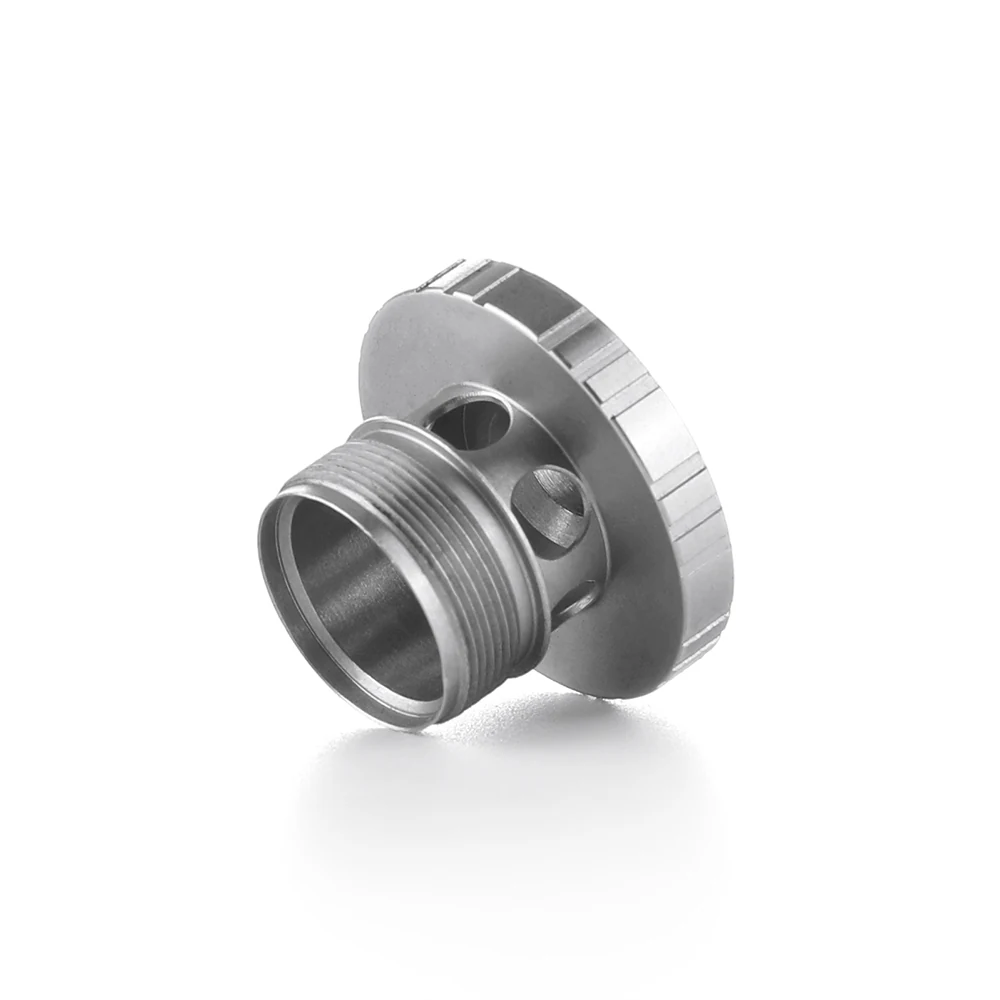
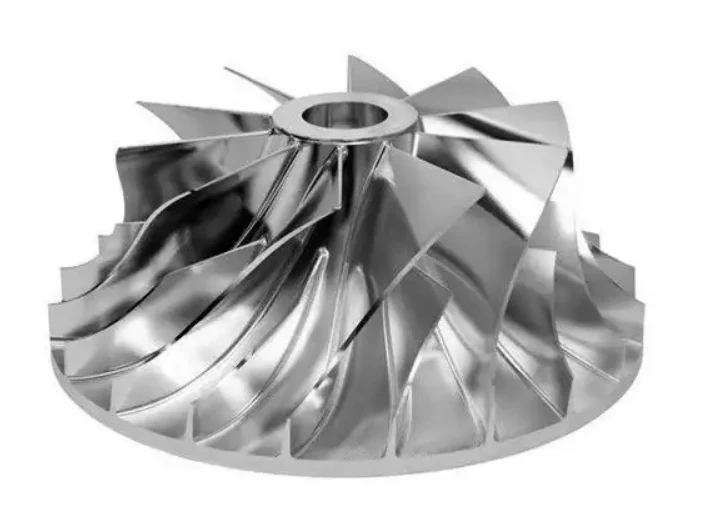
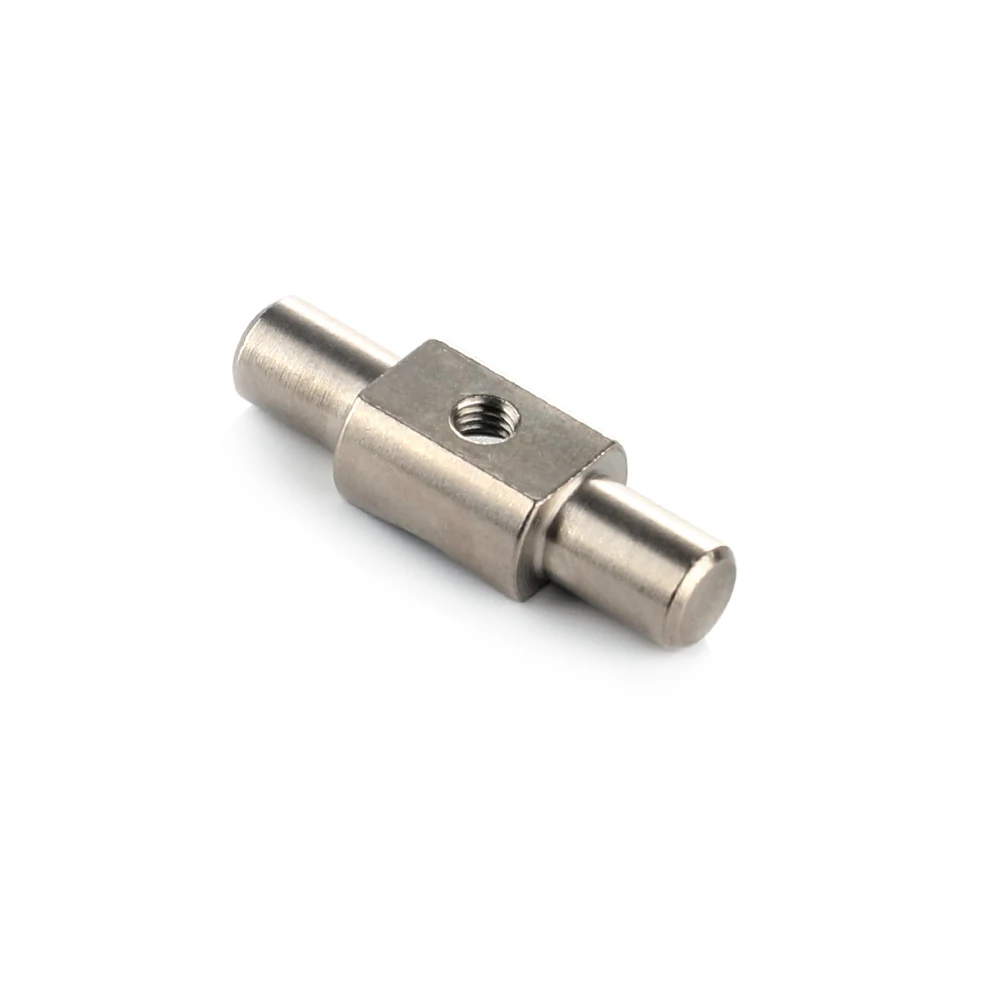
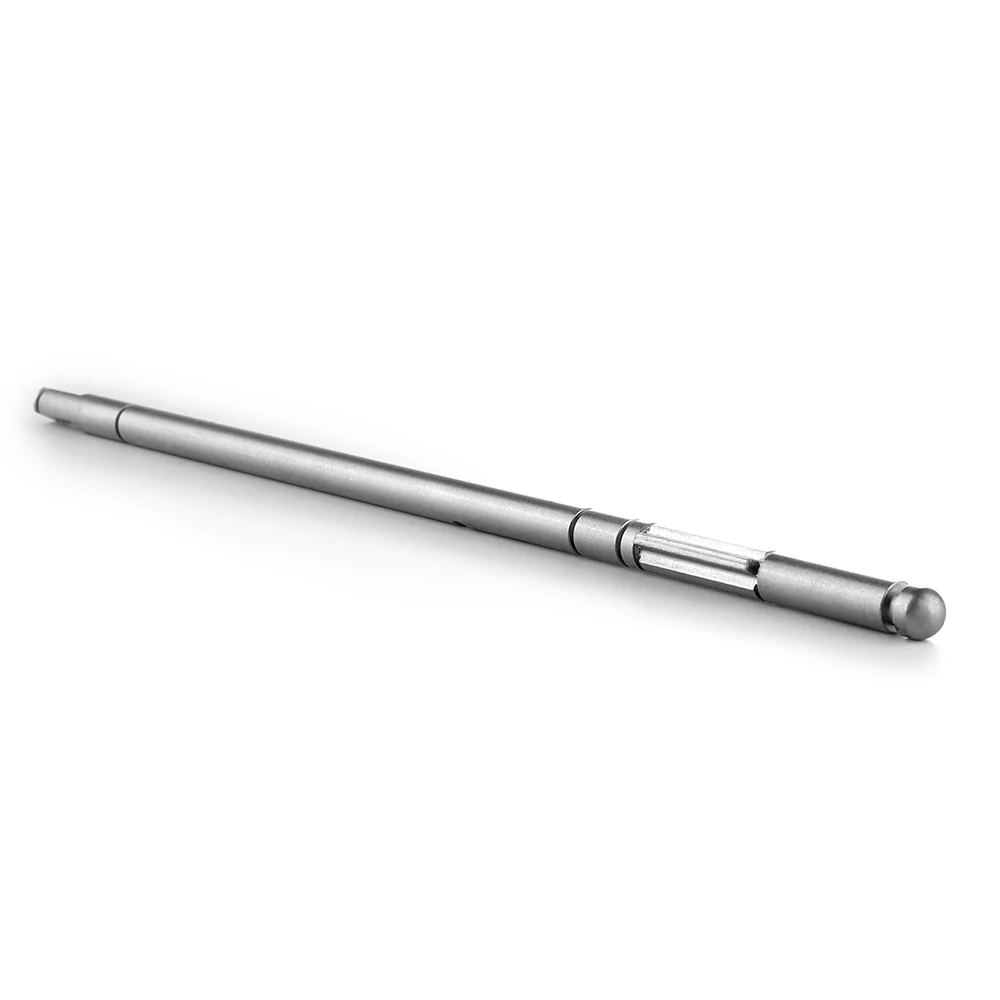
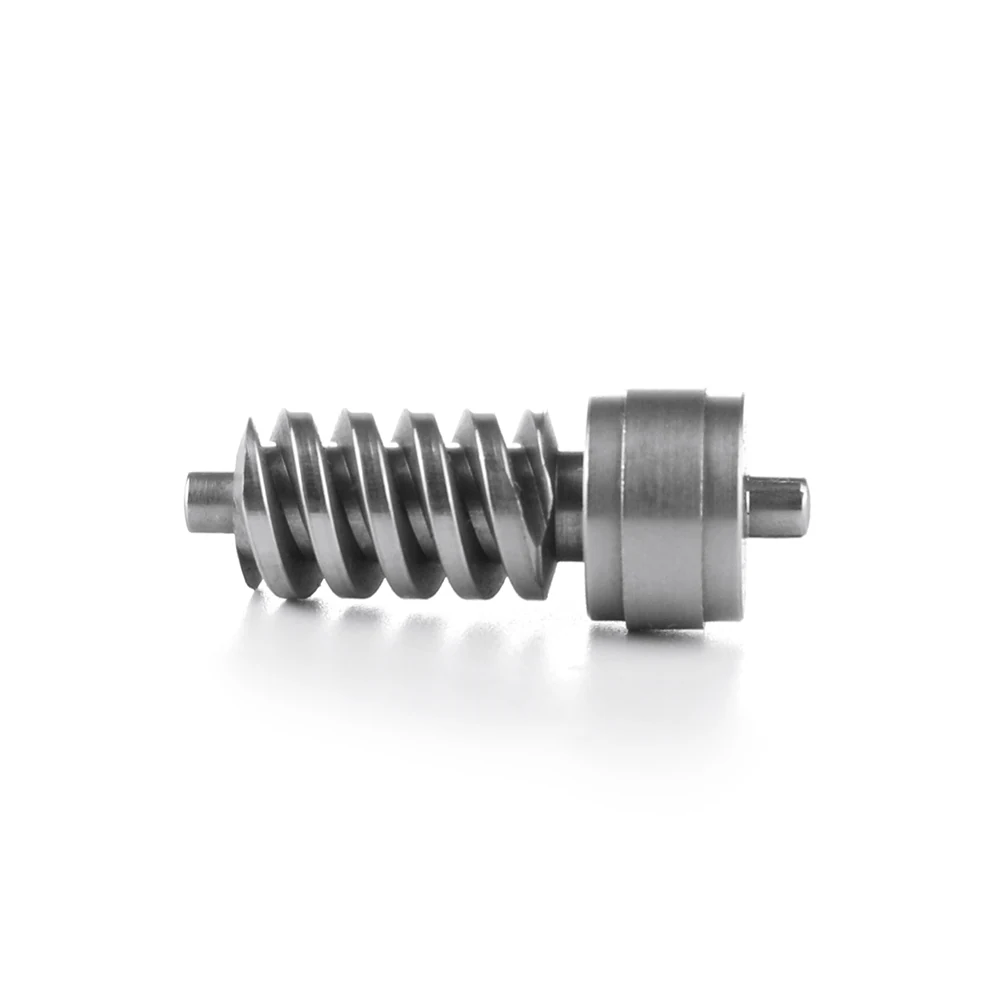
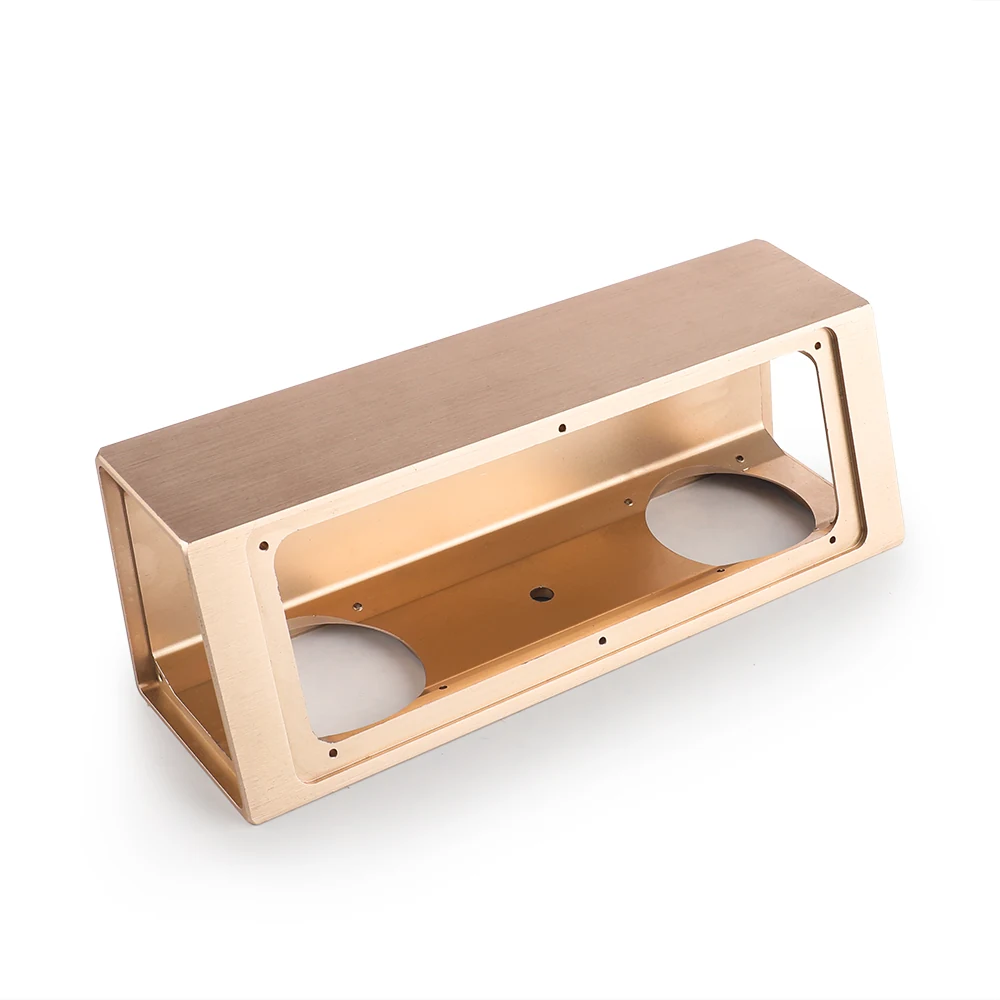
The core of the workshop: turned components where the features that matter are cut before the part ever leaves the collet.
Who This Line Is For
- Office automation and financial equipment manufacturers
- Medical and communication device builders buying machined hardware
- Automotive tier suppliers with small precision components
- Buyers moving a Japanese-sourced turned part into China
Problems It Removes
- Slender work that tapers when it is machined without bar support
- Second-operation features that lose the turned datum
- Threads and seats damaged by handling between operations
- Suppliers who cannot repeat the first article two years later
What This Line Is Built To Do
Bar Support At The Cut
The guide bushing holds material next to the tool, which is what makes long slender parts possible at all.
Driven Tooling
Milling, drilling and tapping happen on the lathe, so secondary features stay true to the turning.
Proven On Repeat Work
This line runs scheduled repeat orders, not only one-off batches, so the process is stable.
Where These Parts End Up
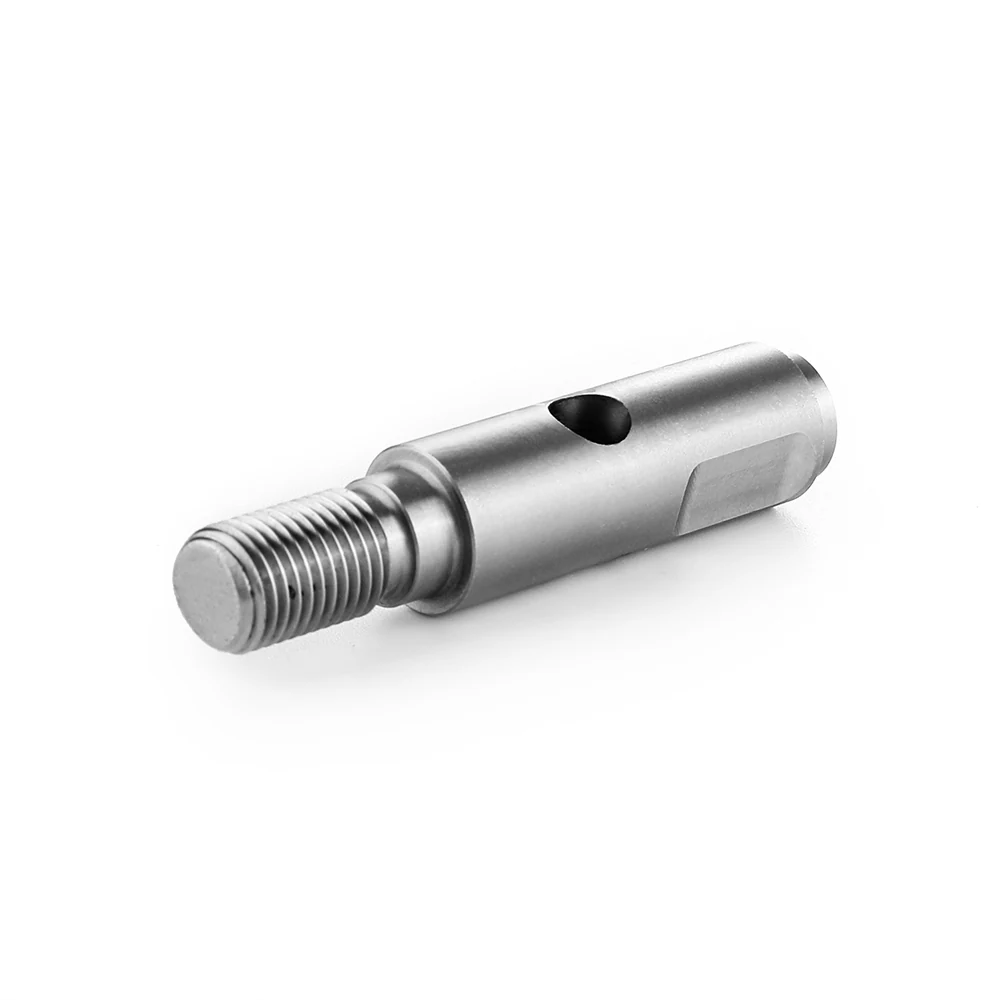
- Feed and drive shafts inside paper and media transports
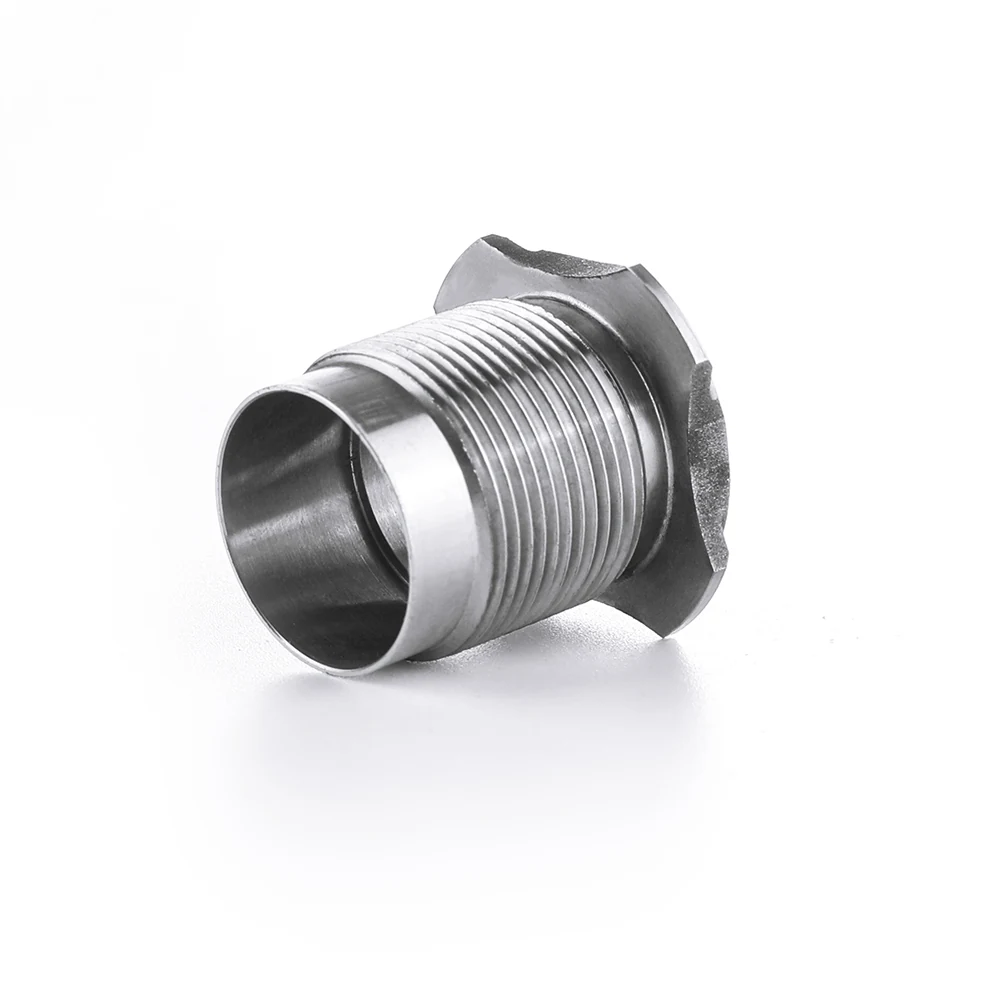
- Threaded fittings passing through equipment panels
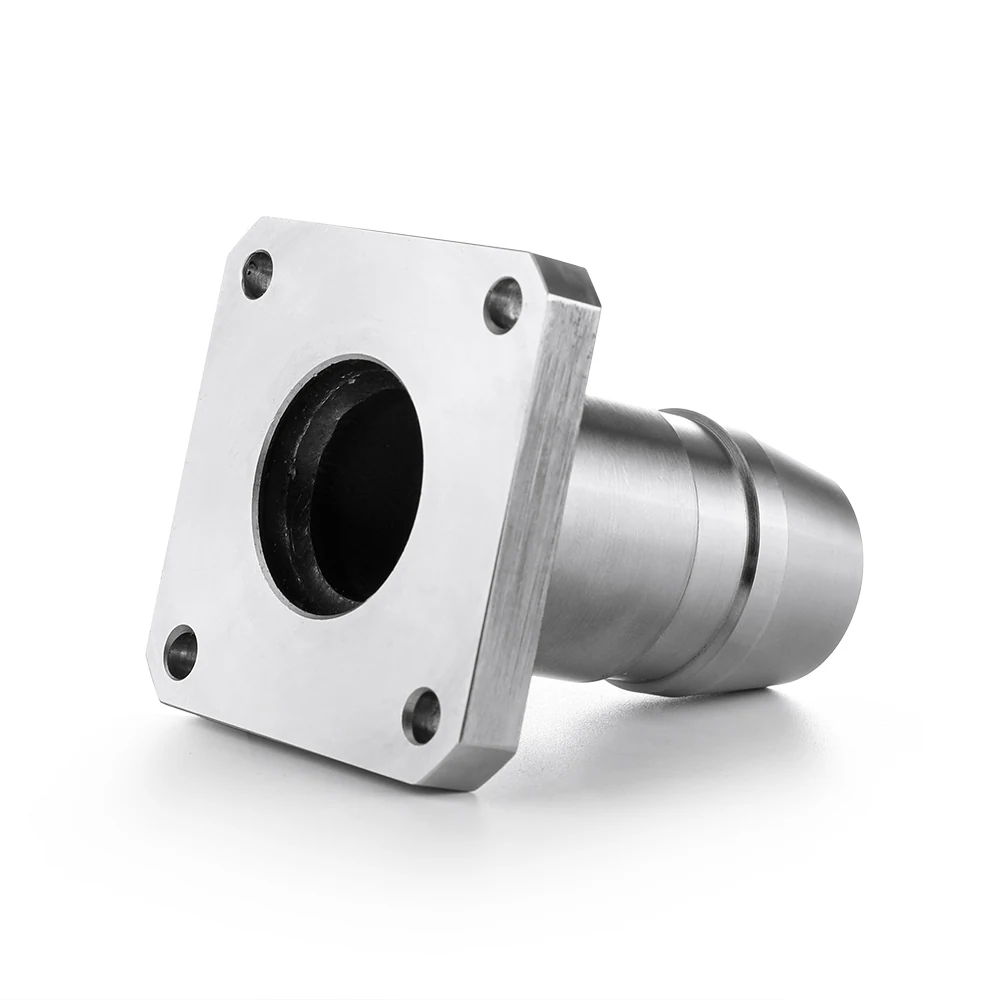
- Bearing housings bolted to sheet-metal chassis
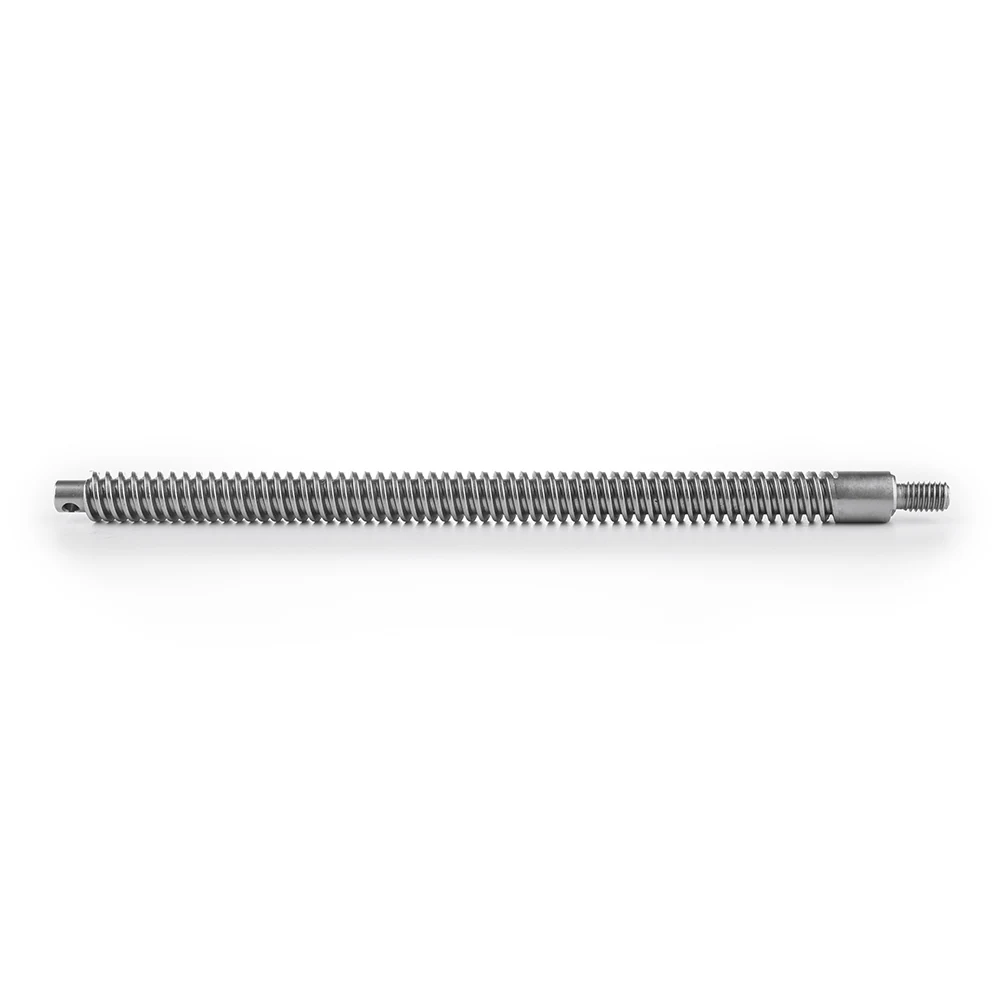
- Worm drives and lead screws in small positioning axes
Industries We Supply With This Line
Office Automation Equipment
Feed shafts, rollers and drive hardware for printing, scanning and document-handling machines.
Financial Machines
Shafts and mechanism hardware for cash handling and banking equipment built to a documented control plan.
Medical Equipment
Stainless machined hardware for medical devices, where material traceability matters as much as the dimension.
Communication Equipment
Bulkhead fittings, sleeves and machined hardware for communication cabinets and outdoor enclosures.
Automotive Components
Small turned and milled components for automotive assemblies, produced to drawing with lot traceability.
Related Case Studies
Years Of Continuous OA Shaft Supply To A Japanese Customer
The lathe department has produced OA shafts for a Japanese financial-equipment manufacturer over many years of continuous supply.
One Supplier For A Mixed Family Of Machined Hardware
A family of turned and milled parts in mixed materials, produced and fit-checked together instead of being split across several suppliers.
Precision Turned Parts — Buyer Questions
What is the longest part you can turn?
Length is limited by the machine and by how slender the part is, rather than by a fixed number. Send the drawing and we confirm before quoting; slenderness matters more than length alone.
Do you machine stainless as well as free-cutting steel?
Yes. SUS304 and SUS316L are both grades we run regularly, alongside free-cutting steel, brass and aluminium.
Can secondary features be cut on the lathe?
Flats, slots, cross holes and tapped holes are cut with driven tooling while the part is still located, which is why they stay square to the turned features.
Do you provide a dimensional report?
First articles always come with one, measured on profile projectors and 2D height gauges. Production sampling follows the control plan agreed for the part.
How do you price small quantities?
Setup is amortised over the batch, so small orders cost more per piece. The program is archived, so repeat orders drop in price without re-engineering.
Send A Turned Part Drawing
Attach the print and the annual quantity. You get a price, a sample date and an engineering note on anything worth changing before we cut metal.