
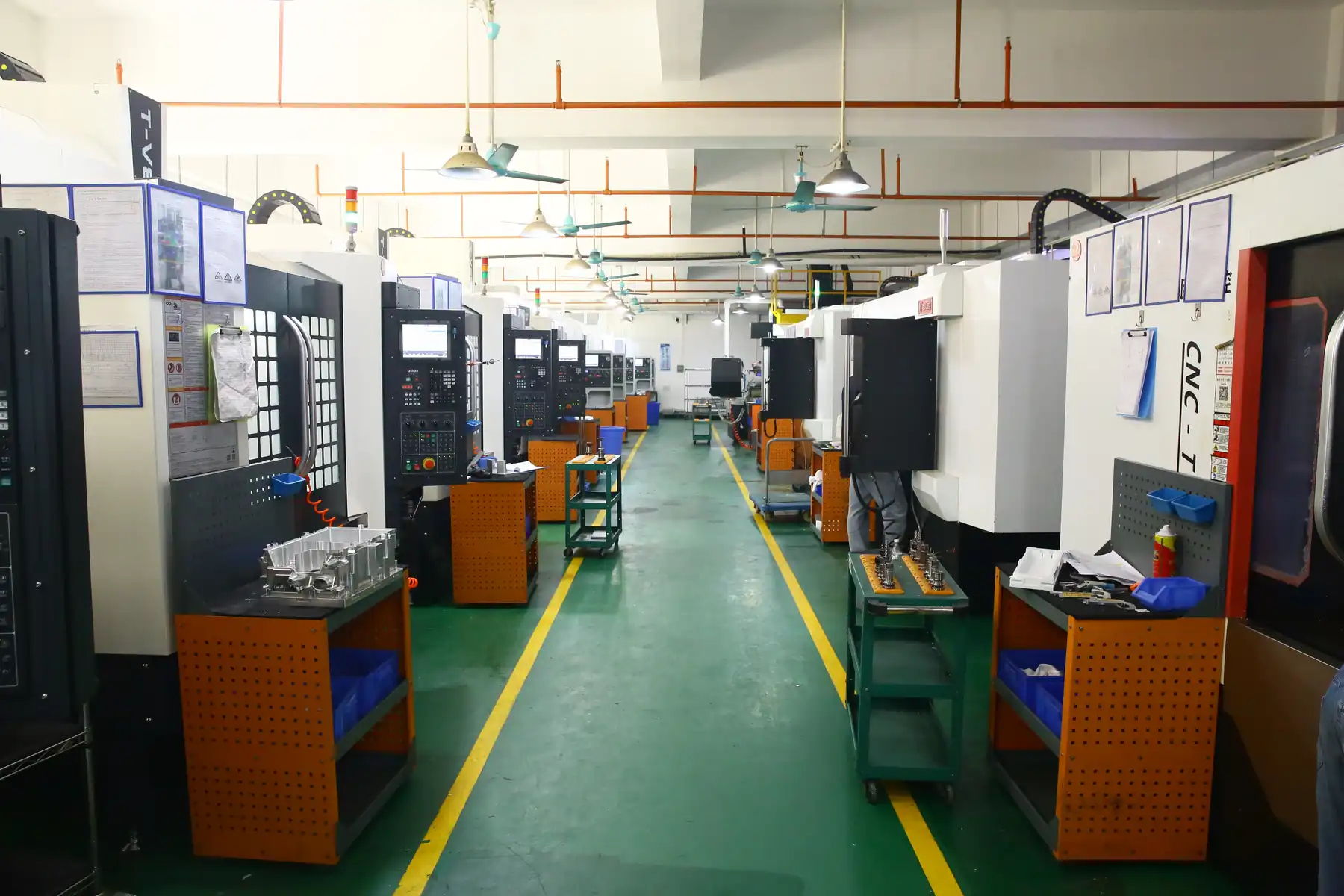
Why Slender Parts Are Machined On Swiss-Type Lathes
What a guide bushing actually does, and why a long thin shaft behaves differently on a sliding-head lathe.
The Problem With Long Thin Parts
A bar held in a chuck is a cantilever. The further the tool works from the chuck, the more the bar bends away from it, and the part comes out thicker where it should be thinnest. Steadies help but they mark the surface and have to be moved. This is why a shop that turns short parts well can still fail on a long one.
What A Guide Bushing Changes
On a sliding-head lathe the bar passes through a guide bushing and the tool cuts immediately in front of it. The unsupported length is a few millimetres regardless of how long the part is, because the bar slides forward through the bushing as machining proceeds. Deflection stops being a function of part length.
- Support is next to the cut, not at the far end
- Unsupported length stays constant as the part grows
- Fine diameters become practical rather than heroic
Driven Tooling And Why Sequence Matters
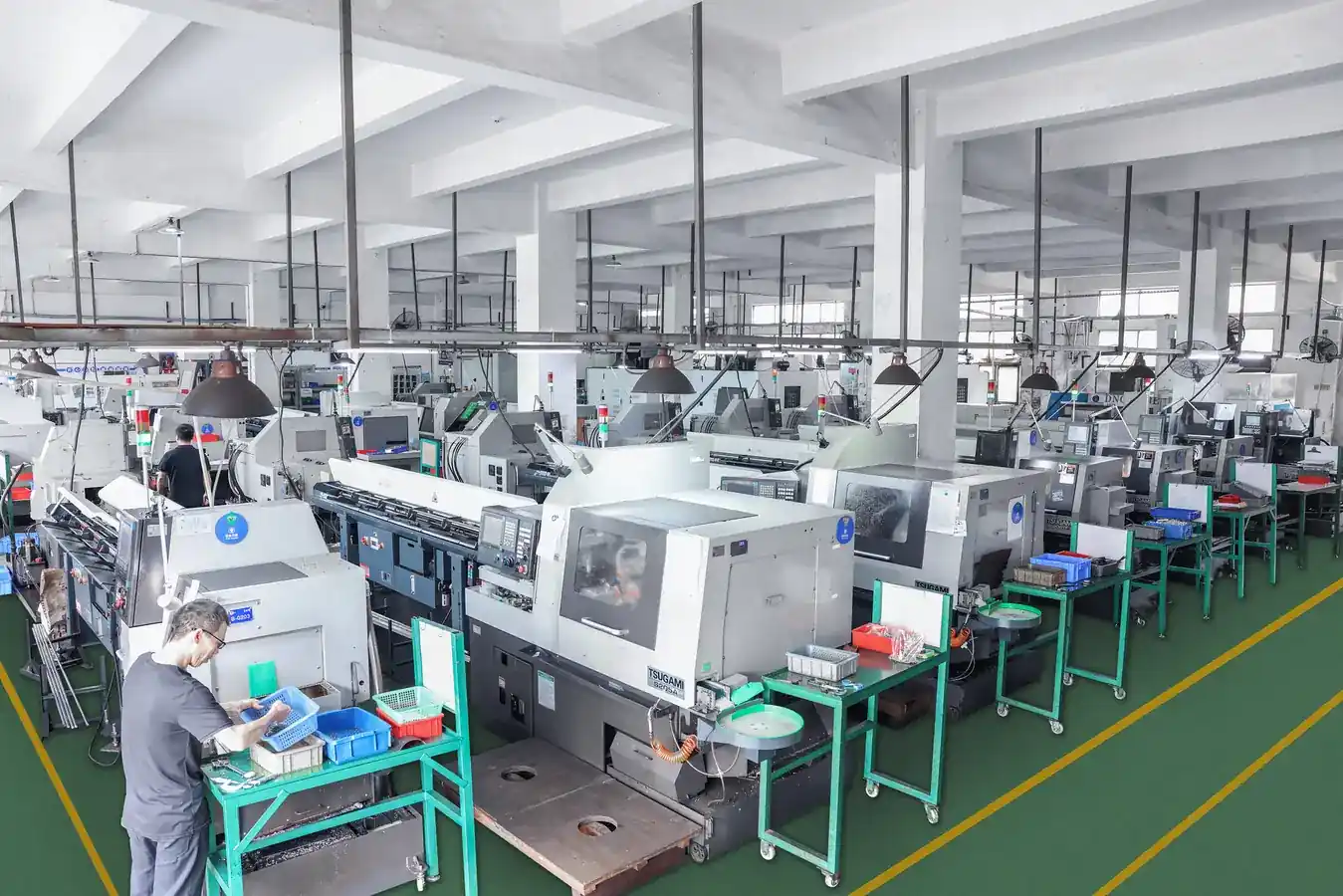
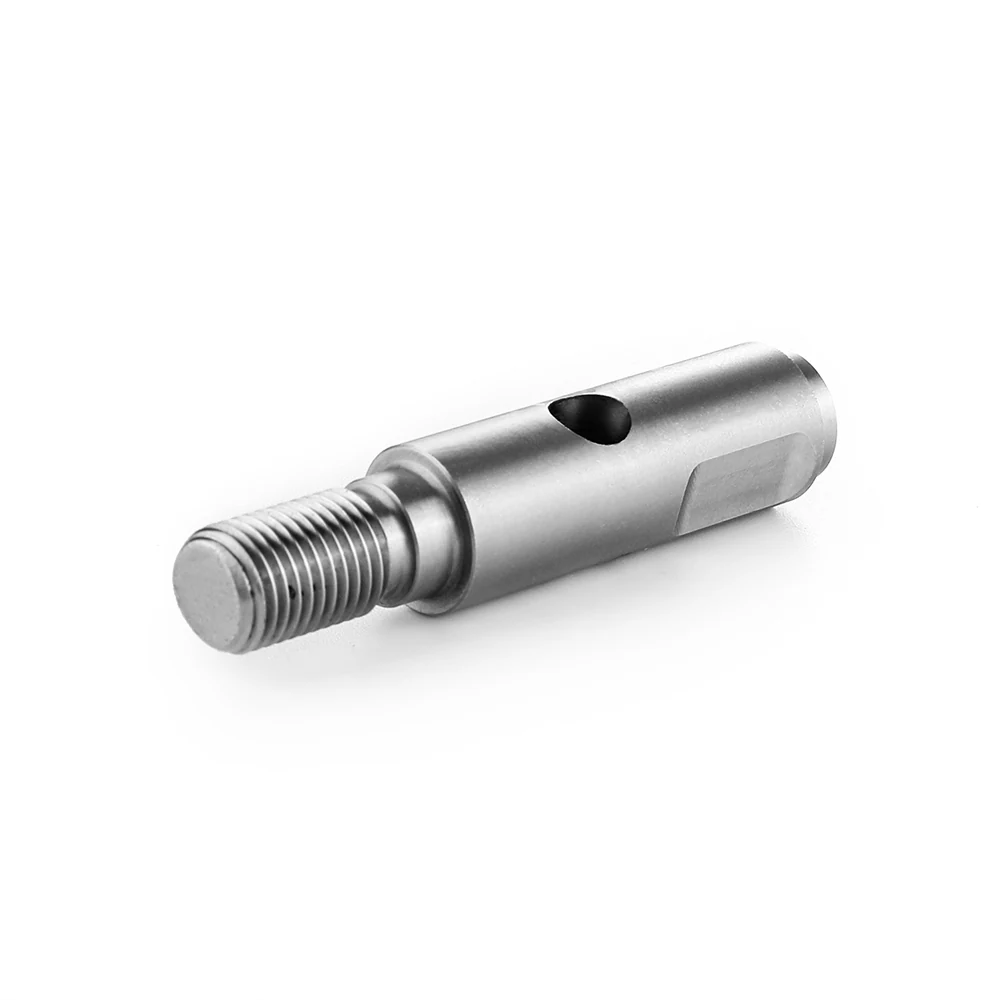
Modern sliding-head machines carry live tools, so flats, cross holes and tapped holes can be cut while the part is still located. Every feature machined in that setup is referenced to the turned datum. Move the part to a drilling machine and you inherit whatever the fixture gives you.

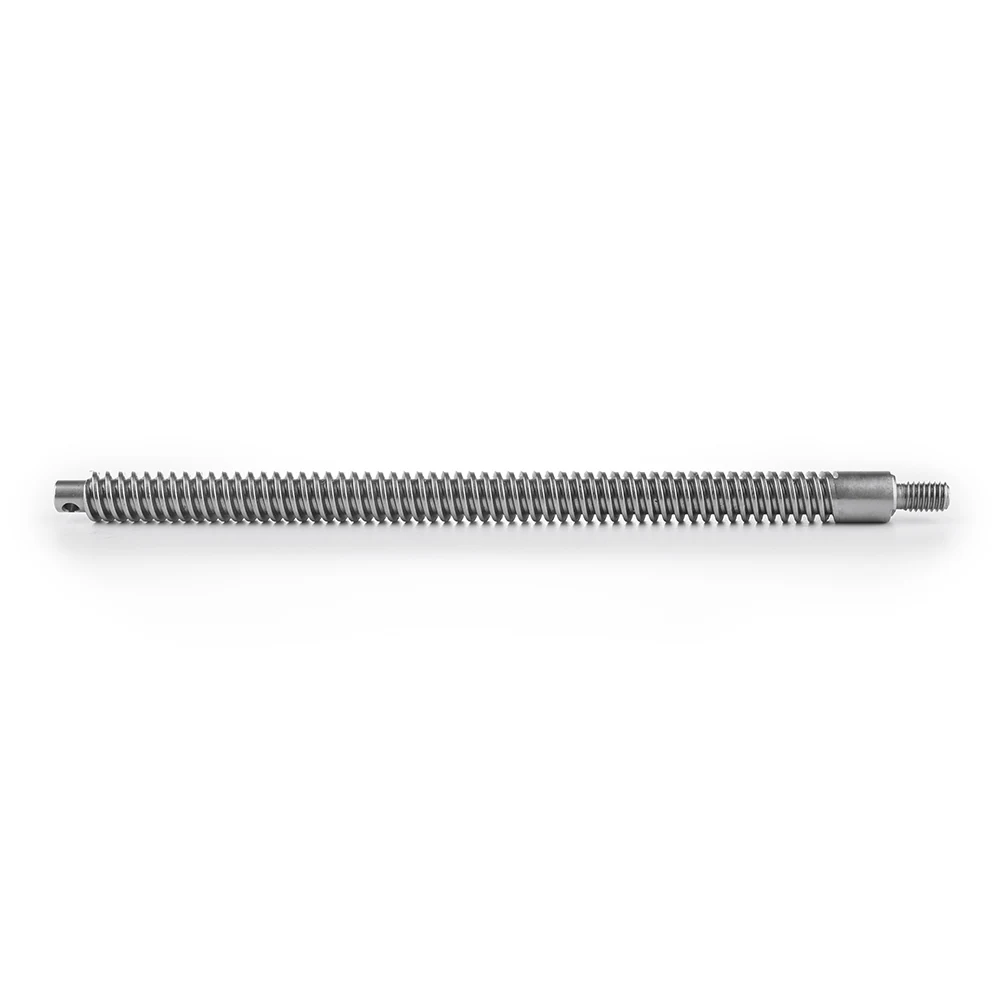
Threaded Drive Shaft With Cross Hole
Where Swiss-Type Is Not The Answer
Large diameters, short stubby parts and heavy interrupted cuts all belong on other machines. A sliding-head lathe is a specialist for small slender work, and a supplier who claims it suits everything has not run one.
What To Send When You Have A Slender Part
The drawing, the material and an honest note about which dimensions matter most. Slenderness ratio, not length alone, decides whether a part is straightforward, and that is something we can tell you within a day of seeing the print.
Related Products
Reader Questions
Is Swiss-type turning more expensive?
Per hour it can be. Per part it is usually cheaper on small slender work, because features are cut in one cycle instead of across three operations with handling between them.
What is a typical slenderness limit?
There is no single number; it depends on material, diameter and the tolerances involved. Send the drawing and we will tell you whether it is routine or demanding.
Do all your lathes have driven tooling?
The plant runs three, five and six axis sliding-head machines from Citizen, Tsugami and Nomura. Which one your part goes on depends on the features the drawing carries.
Have A Slender Part You Are Unsure About
Send the drawing. We will tell you whether it is straightforward on our machines, and what we would change to make it cheaper.