
Parts That Need More Than One Process
The original company description names cold heading, turning, stamping, milling, grinding and wire cutting. This is how those processes get combined on a single component.
One Part Number Instead Of A Process Chain You Manage
When a component needs turning and then grinding, or stamping and then milling, most buyers end up coordinating two or three suppliers and owning the risk in between. We take the whole route, including the processes we subcontract, and hand back one finished part.
- Buyers currently coordinating several process suppliers
- Engineers whose parts need a hardened and ground feature
- Companies with hardware that starts as a cold-headed blank
- Teams tired of arguing about who caused a dimensional problem
Processes Named Honestly
We tell you which operations run in our plant and which are subcontracted and managed by us.
One Quality Record
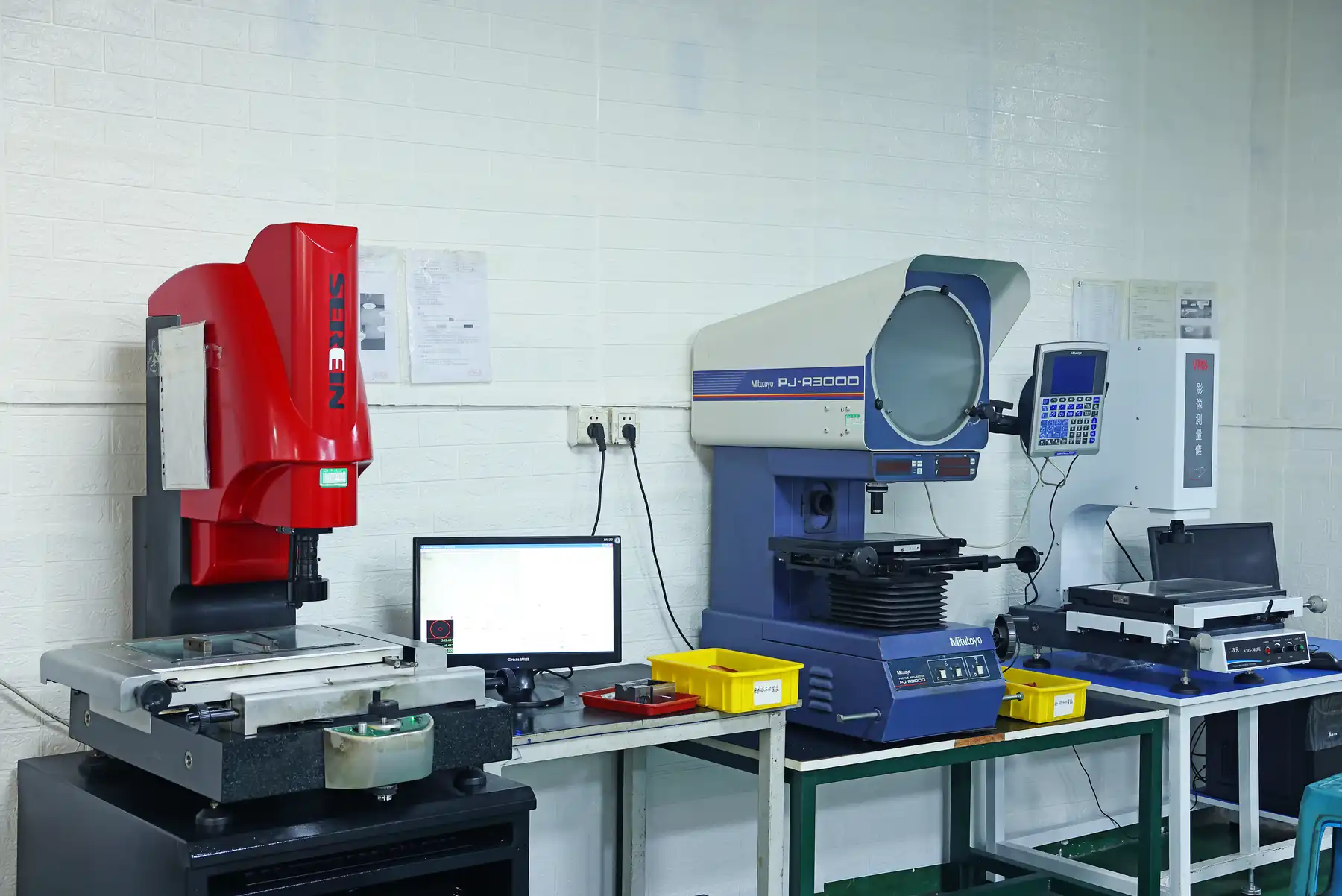
Inspection covers the finished part, not each process in isolation.
Hardware Trade Included
The company has always undertaken the hardware parts trade customers need alongside its own machining.
How A Multi Process Part Moves
Route Planning
The cheapest sequence is not always the obvious one.
We plan the route before quoting and tell you which operations drive the cost.
Blank Production
Cold-headed or stamped blanks vary between suppliers.
Blanks are inspected on arrival before any machining time is spent on them.
Machining
Datum loss between operations ruins otherwise good parts.
Datums are established once and carried through the whole route.
Heat Treatment
Hardening moves parts, sometimes a lot.
Sequence is planned so critical features are finished after treatment where needed.
Grinding And Wire Cutting
Some features cannot be turned or milled to the required finish.
Grinding and wire cutting are applied only where the drawing genuinely requires them.
Final Inspection
Process-by-process inspection misses cumulative error.
The finished part is measured as a whole against the drawing.
What Changes For You
- One purchase order, one delivery and one inspection record
- No gap between suppliers where responsibility disappears
- Sequence decisions made by people who have run the part before
- Subcontracted steps visible in the quotation rather than hidden
Products Covered By This Solution
Multi Process Metal Parts — FAQ
Which processes are done in your own plant?
Turning and milling are ours, on the lathes and machining equipment in Shajing. Heat treatment, plating and anodising are subcontracted to local processors and managed by us, and we say which is which on the quotation.
Do you handle cold heading?
Cold heading is named in the company's own description of its process combinations. Where a part is best started as a headed blank we arrange it and inspect the blanks before machining.
Can you buy in the hardware we need alongside machined parts?
Yes. The company has always undertaken the hardware parts trade its customers need, so standard fasteners and similar items can be included and are quoted as separate lines.
Who is responsible if a subcontracted step goes wrong?
We are. You have one supplier, one purchase order and one party to talk to, which is the entire point of routing the part this way.
Does a multi process part take much longer?
It takes longer than a single-operation part, and the quotation says how long. What it avoids is the waiting time that appears when you move the part between suppliers yourself.
Send A Part That Needs Several Processes
Describe the route as you see it today. We will tell you what we would change, what we run in-house and what we would subcontract.