

Precision Components For Financial Machines
Cash handling mechanisms fail expensively and in public, which is why this sector buys machined parts against a control plan rather than a price.
Why This Sector Is Unforgiving
- A jam in the field costs far more than the part that caused it
- Mechanisms run continuously, so wear appears quickly
- Field service visits are expensive and highly visible
- Part changes require re-qualification of the whole mechanism
What Financial Equipment Buyers Require
- Stable geometry across long production runs
- Documented inspection against agreed characteristics
- Suppliers who do not change process without telling you
- Traceability from finished part back to material lot
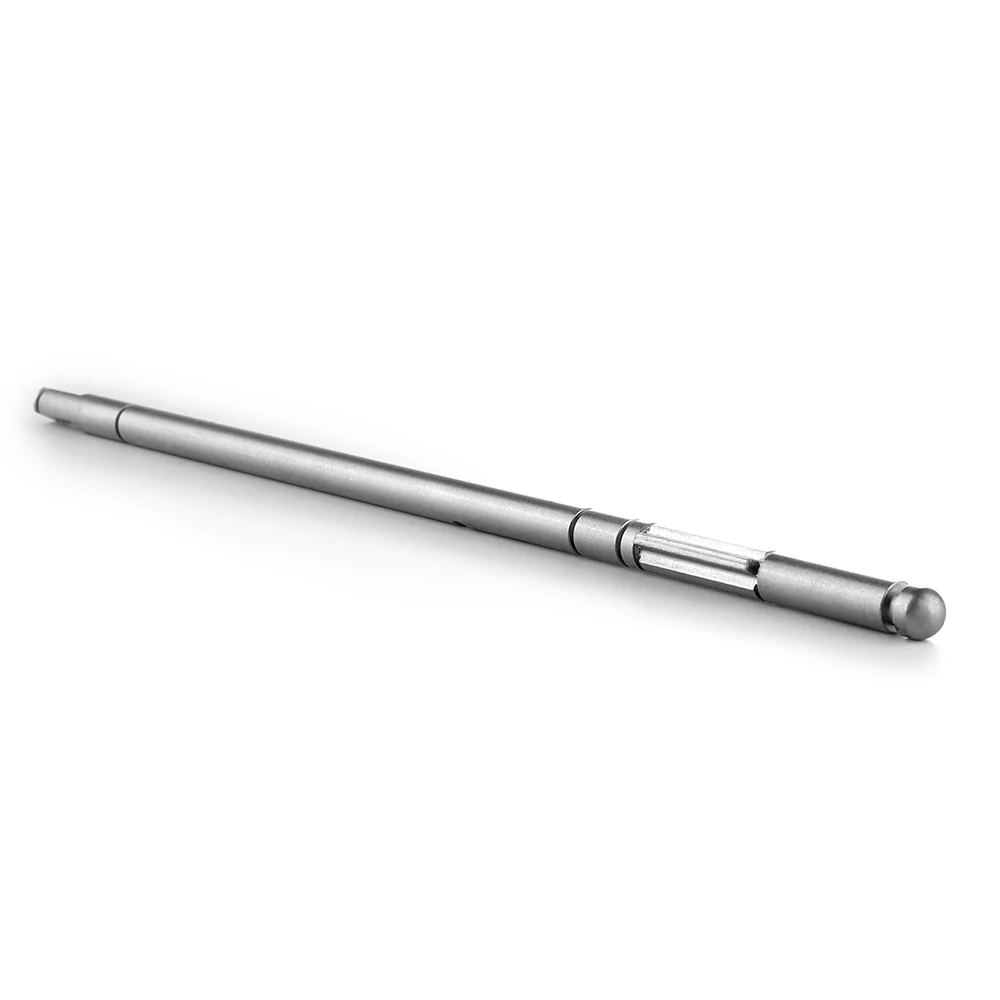
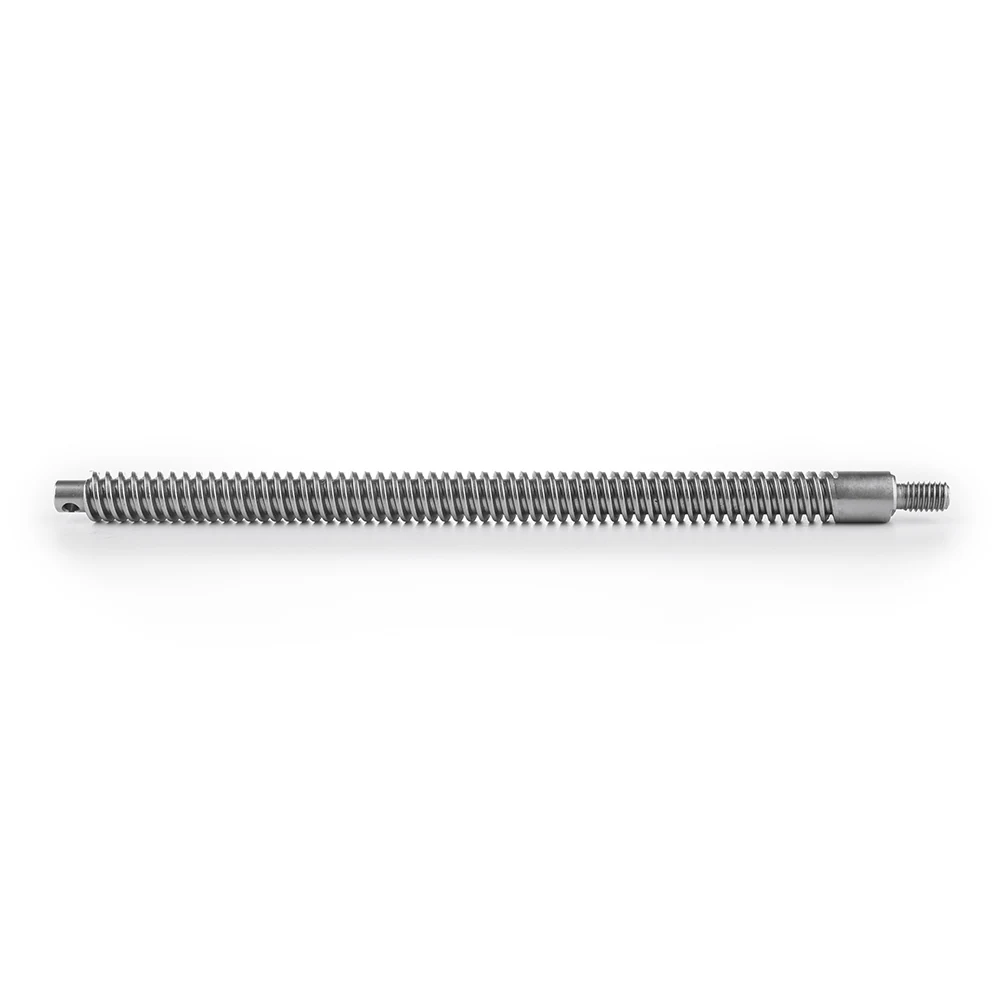
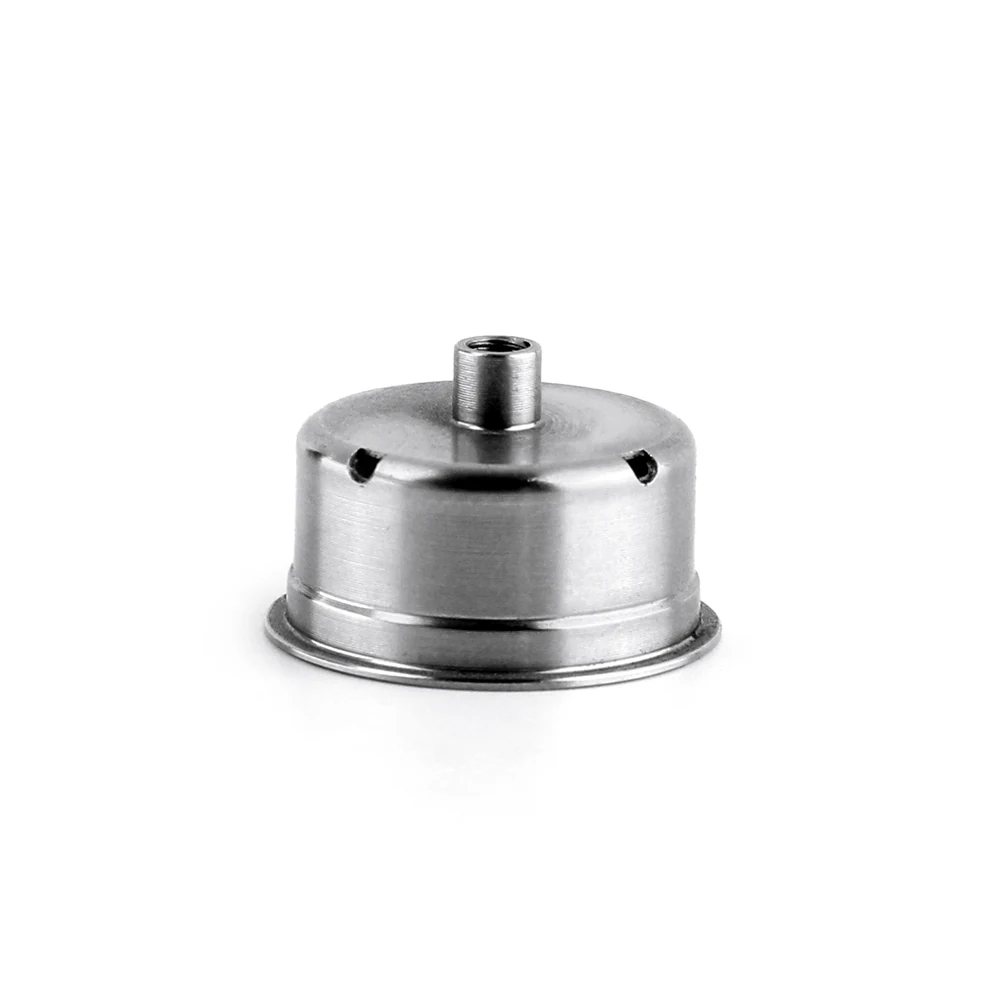
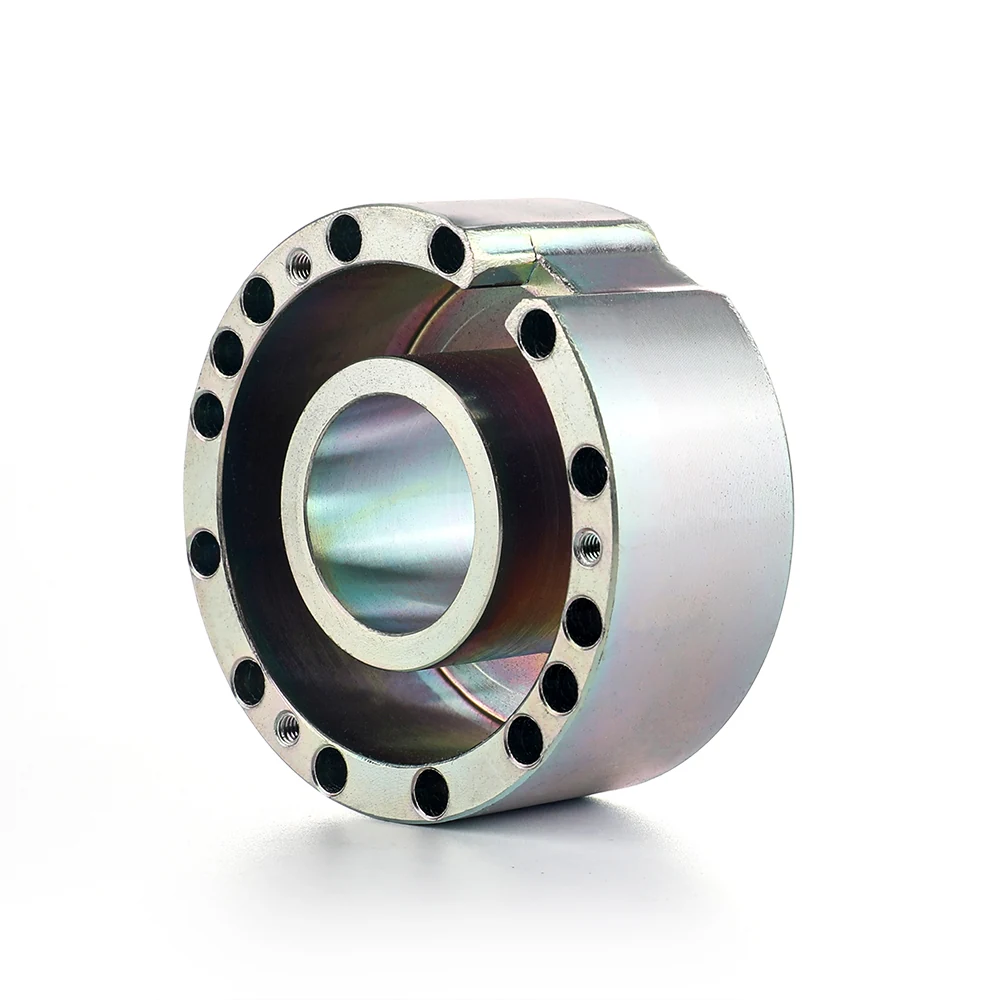
Parts We Already Machine For This Sector
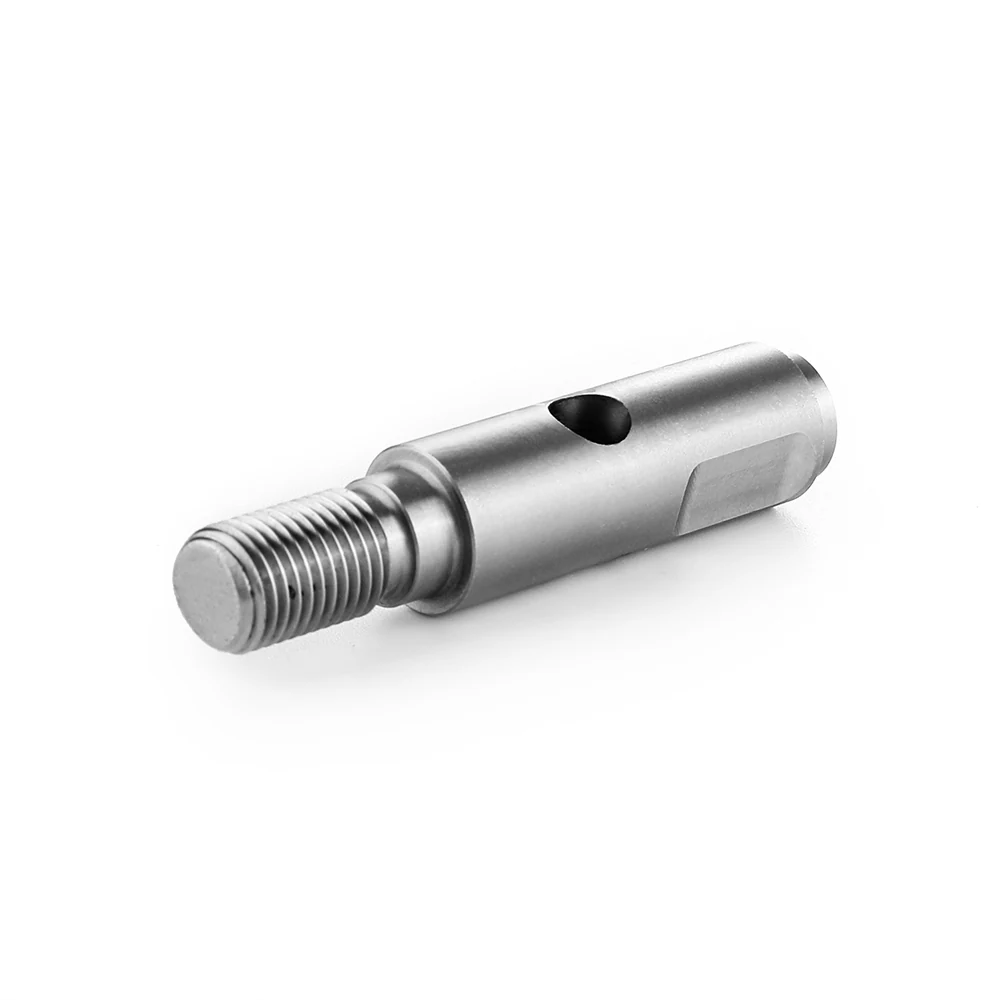
Where Our Parts Sit In These Machines
Note Transport
Feed shafts and rollers moving media at speed, where run-out becomes a jam.
Mechanism Frames
Bearing housings and rings holding shafts on the design centreline.
Adjusters And Stops
Screws and pins that set positions during service and must not drift.
From Print To Serial Delivery
Qualification Batch
A first batch is produced and measured before series release.
Characteristic Agreement
We agree which dimensions are monitored and how often.
Locked Process
Programs, tooling and material are fixed once the part is approved.
Change Control
Nothing in the process changes without telling you first.
Delivery Capability
- Long-term repeat schedules rather than one-off buys
- Lot traceability retained for every shipment
- Consistent packing so goods-in checks stay simple
- Direct contact with the plant, not through a trading company
Quality Evidence We Provide
- Years of continuous supply on a Japanese financial-equipment shaft programme
- ISO 9001 system in place since 2009
- First article and in-process records held per part number
- Customer audits accommodated at the Shenzhen plant
Related Guides
What To Check Before Importing Machined Parts From China
How to separate a machine shop from a trading company, and how to structure a first order so it proves something.
Why Slender Parts Are Machined On Swiss-Type Lathes
What a guide bushing actually does, and why a long thin shaft behaves differently on a sliding-head lathe.
Financial Machines — Sourcing FAQ
Do you have experience in financial equipment?
The lathe department has produced OA shafts for a Japanese financial-equipment manufacturer over many years, with stable quality and on-time delivery. That programme is the reference this sector usually asks about.
Will you notify us before changing anything in the process?
Yes. Once a part is approved, program, tooling and material are locked and any change is raised with you first. That is the expectation this sector works to and we keep it.
Can we audit the factory?
Yes. The plant in Bao'an District, Shenzhen accepts customer audits, and Japanese customers have audited it over the years.
What traceability do you keep?
Material lot, production lot and inspection records are retained against the part number, so a shipment can be traced back if a problem appears in the field.
How do you handle engineering changes?
A revised drawing is treated as a new qualification: first article, dimensional report and your approval before the series restarts.
Discuss A Financial Equipment Programme
Send the drawing package and the control plan you work to. We will tell you what we can commit to before you invest time in qualification.