
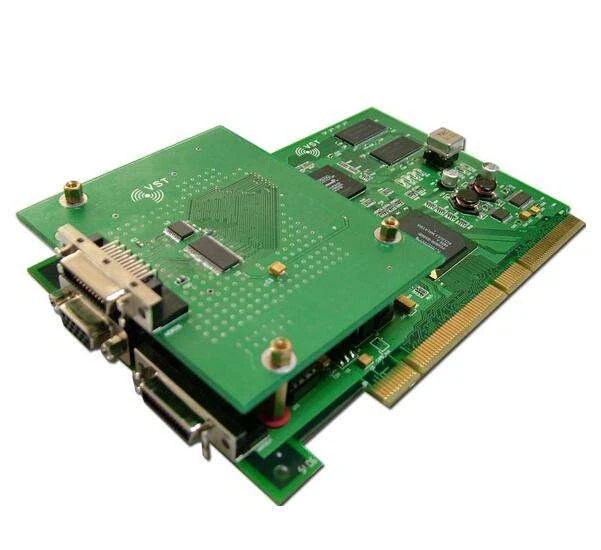
Turnkey Or Consigned Which Assembly Model Suits You
Who buys the components changes the price, the lead time and where the risk sits. Neither model is better in general. This sets out what each one actually costs you and when a mixed arrangement is the right answer.
On This Page
Turnkey
We buy the components, fabricate the board and assemble it. You get one price, one lead time and one party responsible for the finished unit. If a part is wrong, it is our problem to solve rather than a discussion about whose fault it was.
- One purchase order, one invoice, one responsible supplier
- No component buying or kitting work on your side
- Shortages and substitutions handled here
- Component cost is inside our price rather than visible in yours
Consigned
You buy and ship the components, we fabricate and assemble. You keep visibility of component cost and control of which sources are used, which matters when you have negotiated pricing or when a device is on allocation and you already hold stock.
- You keep your negotiated component pricing
- You control approved sources exactly
- You carry the kitting work and the shortage risk
- Missing or short-shipped lines stop the build
The Mixed Arrangement Most Buyers Actually Want
In practice the common answer is neither model in its pure form. Long lead and allocated devices are consigned because you already hold them or have an allocation. Everything else is bought here because the buying work is not worth your time. Mark the consigned lines on the bill of materials and the split is straightforward.
What To Decide Before You Ask For A Price
| Question | Why it changes the quote |
|---|---|
| Who buys the components | Sets whether component cost is in our price |
| Which lines are consigned | Determines what we quote and what you ship |
| Are alternates acceptable | Decides what happens when a line goes short |
| Who owns excess and attrition | Assembly consumes more than the build quantity |
| Is functional test required | Test is quoted separately against your specification |
| What packing is required | Packing to your goods-in specification is a real cost line |
Attrition Is The Detail People Forget
Assembly consumes more components than the build quantity. Parts are lost in feeders, at setup and in rework. On a consigned build you need to ship enough to cover that, and it is worth agreeing the attrition allowance in writing before the kit is packed rather than discovering it halfway through a run.
Boards This Guide Applies To
Catalogue items where the decisions in this guide have already been made one way or another.
Assembled Interface Board With Serial Ethernet And Edge Connector
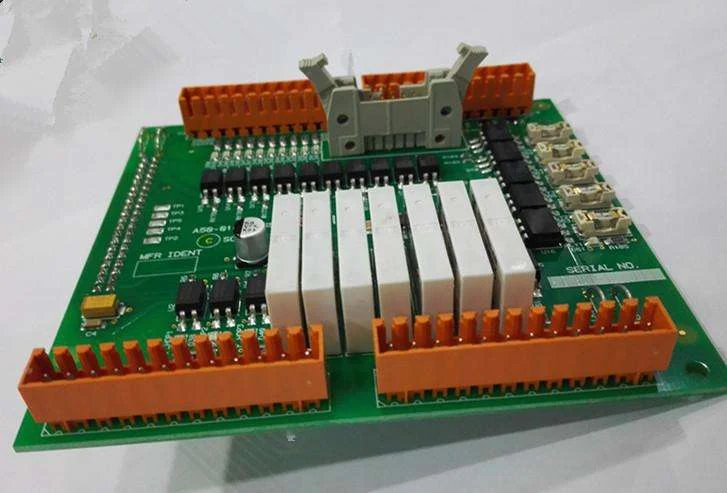
Assembled Industrial IO Board With Relay Bank And Pluggable Terminals

Assembled Flexible Circuit With Wound Antenna Coil
Other Guides In The Knowledge Center
Eight guides in total, covering layer count, finishes, thermal management, flex design, tolerances and buying.
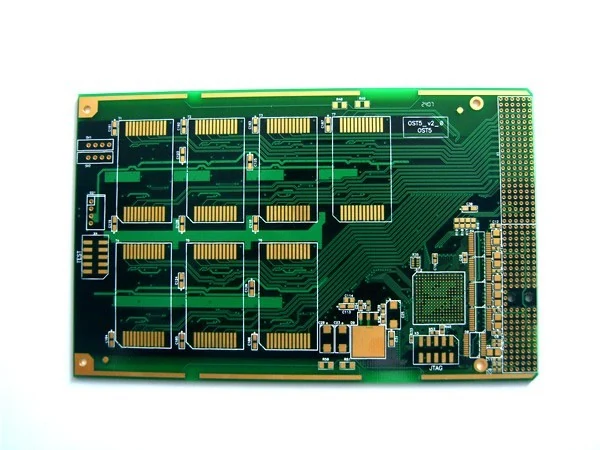
Layer count is the single decision that most affects the price and the electrical behaviour of a board. This guide sets ...
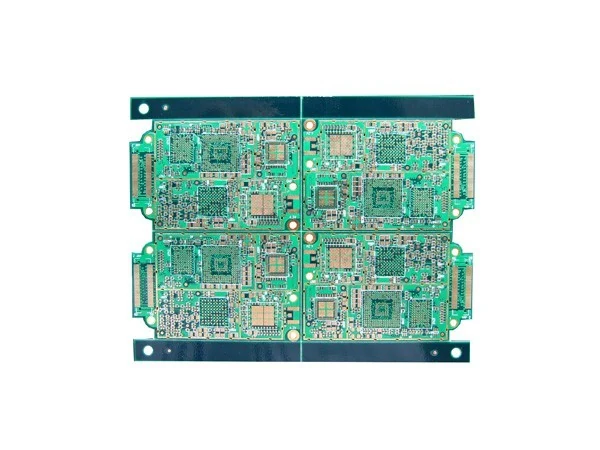
Three surface finishes cover almost every board we build. Choosing between them is not a quality decision, it is a fitne...
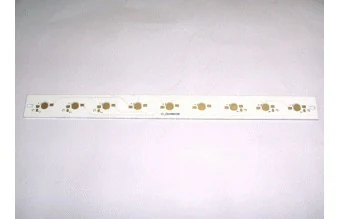
When a board runs hot the usual fixes are a bigger heatsink or a bigger enclosure. A metal core board attacks the proble...
Questions About This Topic
Can I consign only the expensive parts?
Yes. Mark the consigned lines on the bill of materials and we quote the rest.
Who owns leftover components on a turnkey build?
Agree this at order stage. It is a straightforward point but it causes arguments when it is left open.
Do you fabricate the bare board on a consigned build too?
Normally yes. Boards fabricated and assembled in the same plant remove a handover and a shipping leg.
Have A Board That This Guide Does Not Answer
Send the files and the question. We will tell you what the published capability allows and where your design sits against it.