
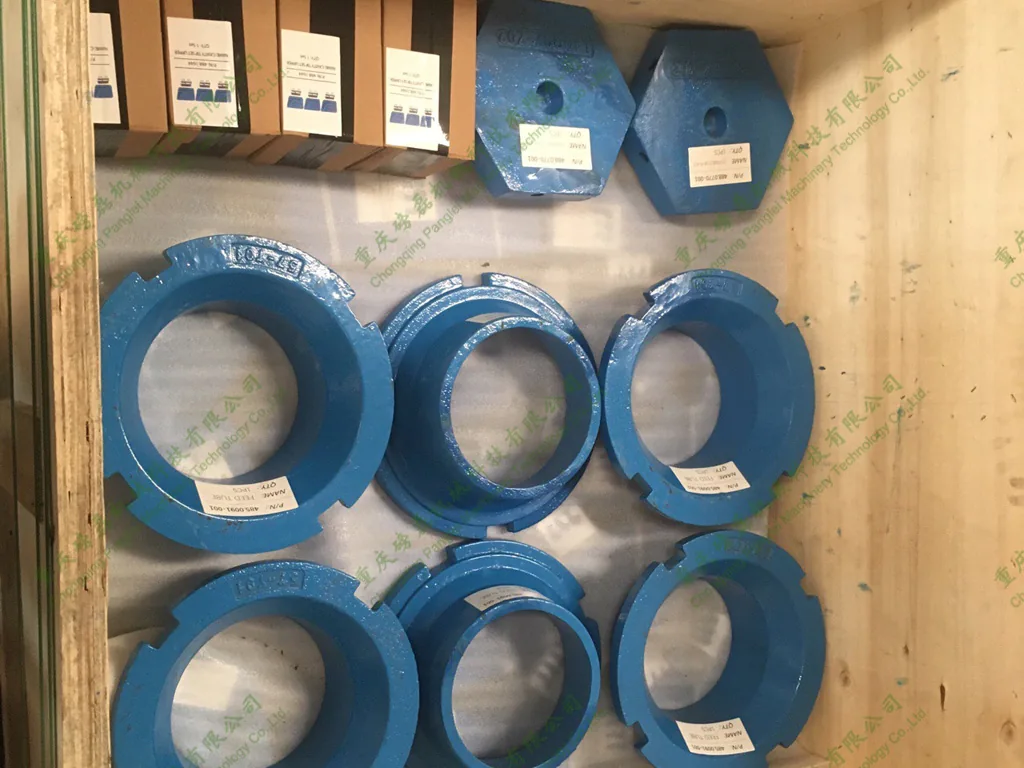
VSI Cavity Wear Plate
Lines the crushing cavity where material leaving the rotor lands
What This Casting Does And Why It Matters
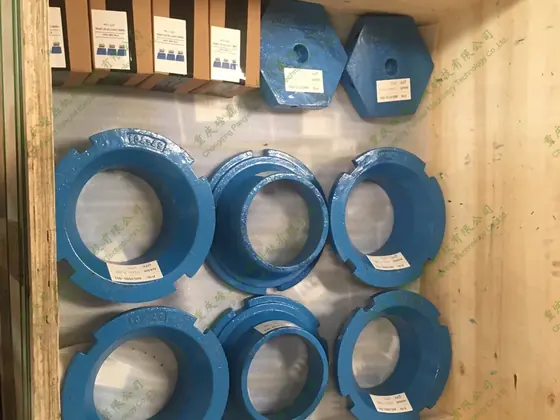
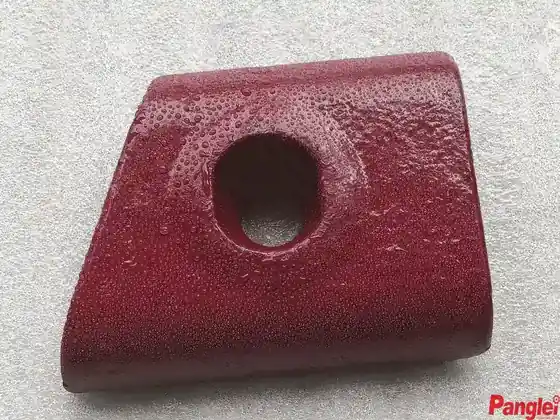
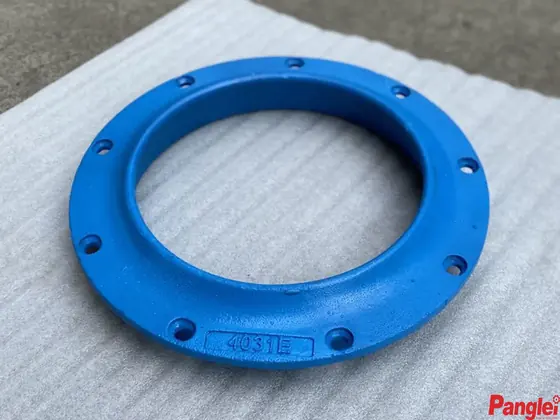
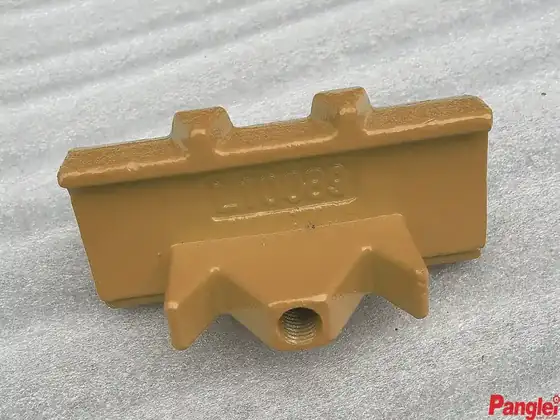
Cavity wear plates line the chamber that material is thrown into after it leaves the rotor. In a rock-on-rock VSI they hold the rock bed that does the crushing; in a rock-on-anvil arrangement they take the impact directly. Either way, once they are through the chamber wall behind them starts to wear. PangLei casts cavity wear plates in high chromium and manganese for Barmac type and CV series machines.
Technical Features
- High chromium white iron or austenitic manganese steel
- Cavity geometry reproduced from the original plate
- Heat treated to the grade cycle
- Dimensional inspection report issued
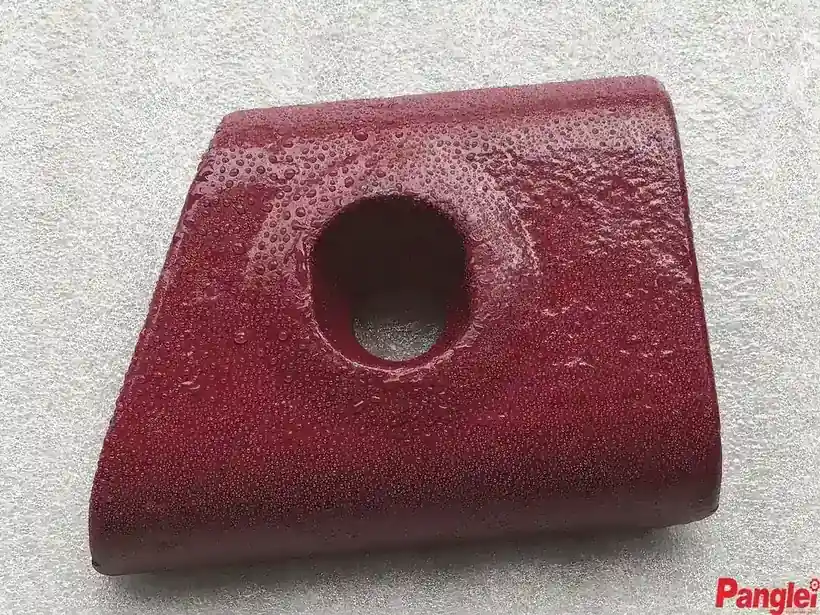
What You Get That You Would Not Get Elsewhere
Protects the crushing chamber wall behind the wear surface
Maintains the cavity geometry that sets the product shape
Cast in high chromium or manganese depending on the duty
Supplied with the complete rotor and cavity package
The Failures This Part Is Cast To Prevent
- Chamber walls worn behind failed cavity plates
- Cavity geometry lost, changing product shape
- Plates replaced only when they are already through
- Mixed suppliers wearing at different rates around one cavity
Who It Is For
- VSI operators
- Manufactured sand producers
- Aggregate plants controlling particle shape
- Dealers supplying VSI packages
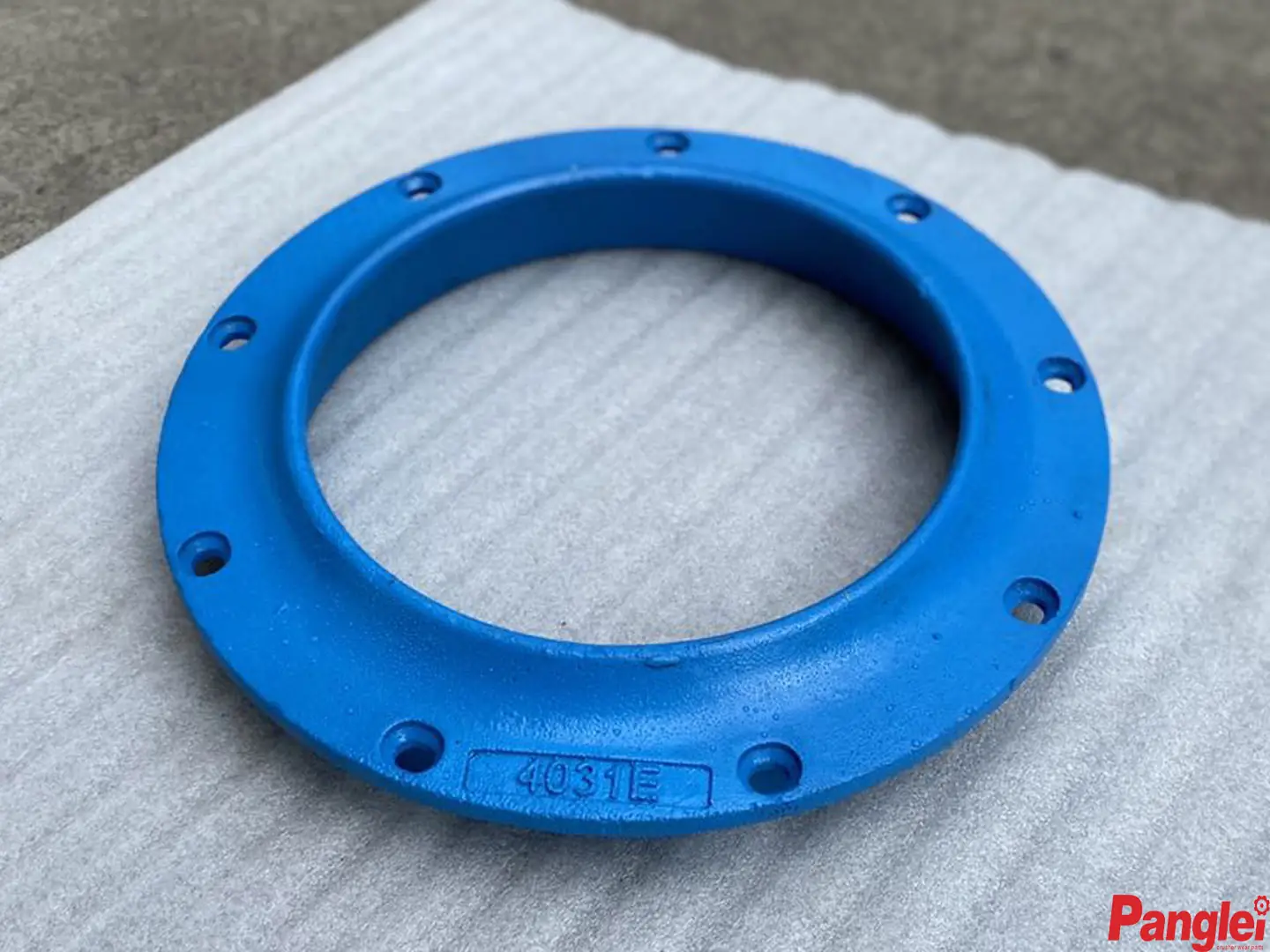
Application Scenarios
- Rock-on-rock manufactured sand production
- Rock-on-anvil shaping
- Closed circuit tertiary crushing
- Chamber rebuilds
Technical Data For VSI Cavity Wear Plate
Every figure here comes from our published foundry capability. Where a value depends on your machine it is confirmed at quotation rather than guessed.
| Specification | Detail |
|---|---|
| Part type | Cavity wear plate, chamber liner |
| Material options | High chromium white cast iron Cr15, Cr25, Cr30, austenitic manganese steel |
| Barmac type models | B6150SE, B7150SE, B9100SE |
| CV series models | CV117, CV129, CV215, CV216, CV217, CV218, CV228, CV229 |
| Stock | Finished VSI parts held in stock |
| Supplied with | Rotor wear packages |
| Inspection | Chemical analysis and dimensional report |
| Packing | Steel pallet |
How This Casting Is Made
Pattern Making
Once drawings are confirmed, pattern making starts immediately in our own pattern shop. Thousands of finished patterns are already on the shelf, so repeat parts skip this step entirely.
Sandbox Making
Casting Process Simulation System (CPSS) is run before the moulds are made. The cavity is kept as solid and as clean as possible so that inclusions have nowhere to start.
Melting And Pouring
Charge materials are bought to a high standard and temperature is controlled through the whole pour to achieve a fine grain structure. Samples are taken to verify the analysis and adjusted if needed, then kept for at least three years for traceability.
Sandbox Opening
Also called casting cleaning. After initial cooling the box is opened, risers and runners are removed and the casting is cleaned. Cooling time is set by casting size, not by the clock.
Heat Treatment
Heating temperature is strictly controlled and castings are spaced in the furnace so they heat uniformly and meet the water fully. Quenching begins within 30 seconds of withdrawal from the oven.
Machining
After rectifying and polishing, castings are machined strictly to drawing for correct fitment. QC then carries out dimensional inspection and issues the dimensional inspection report.
Inspection
Our own physical and chemical laboratory covers spectrometry, hardness, microstructure, dye penetrant and dimensional inspection on site rather than at a third party.
Packing And Delivery
Finished parts are packed on steel pallets for forklift handling, to international standards for road, rail, sea and air transport.
Inspection Supplied With This Part
Chemical analysis and a dimensional inspection report are standard on every order. The remaining procedures are carried out in our own physical and chemical laboratory when specified at order stage.
| Procedure | When |
|---|---|
| Chemical Analysis | standard on every heat |
| Dimensional Inspection Report | standard on every order |
| Hardness Testing | if specified |
| Tensile Testing | if specified |
| Microstructure Analysis | if specified |
| Magnetic Particle Testing | if specified |
| Dye Penetrant Testing | if specified |
| Ultrasonic Testing | if specified |
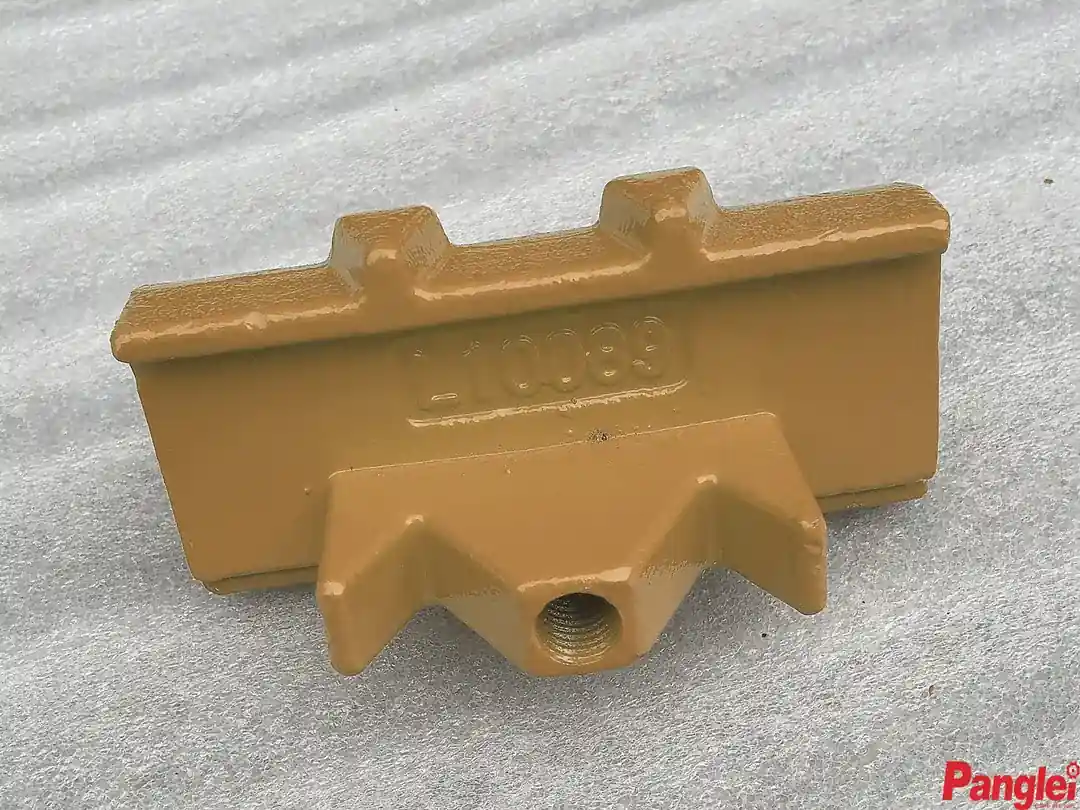
Laboratory Equipment
- German-made OBLF direct-reading spectrometer
- Hardness testing equipment
- Metallurgical microscope
- Dye penetrant inspection equipment
- Dimensional inspection equipment
How This Part Compares With The Alternatives
| Compared With | What Changes |
|---|---|
| Replacing the rotor package only | The cavity is half the crushing action. Renewing the rotor and leaving a worn cavity gives back only part of the performance. |
| High chromium versus manganese plates | High chromium for clean abrasive fines, manganese where feed carries tramp material. |
| Weld repair of the chamber wall | A replaceable cast plate is designed to be consumed; repairing the wall itself is a workshop job. |
If Your Part Is Not Standard
With our own pattern shop, a 3D scanner and Casting Process Simulation System, we work from your drawing, your worn sample, or a scan taken on your site. Material grade, profile and machining are all specified against your machine rather than against a catalogue.
- Reverse engineering from a worn part, with no drawing required
- On-site 3D scanning where the component cannot be removed
- Material grade selected against your feed rather than a default
- Pattern retained afterwards, so repeat orders skip pattern making
Fitting And Getting The Life Out Of It
- Inspect cavity plates at every rotor service
- Replace the full set around the cavity rather than individual plates
- Check the chamber wall condition while the plates are out
- Confirm cavity geometry against the original after fitting
VSI Cavity Wear Plate At The Foundry
Parts Usually Ordered Alongside This One
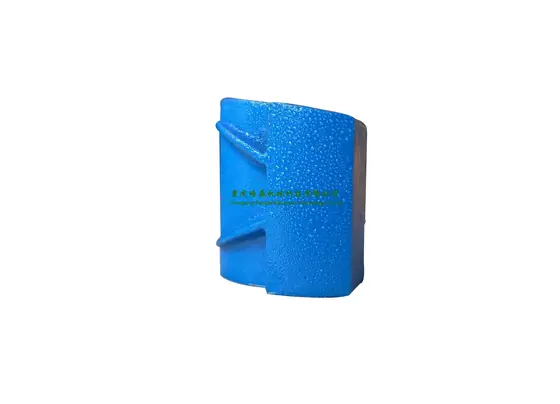
VSI Rotor Tip
High chromium tips held finished in stock so the rotor is never the reason you stop
View Part →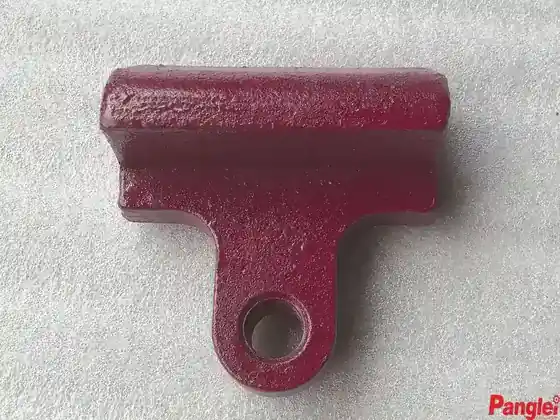
VSI Distributor Plate
Splits the feed evenly to the rotor ports so tips wear at the same rate
View Part →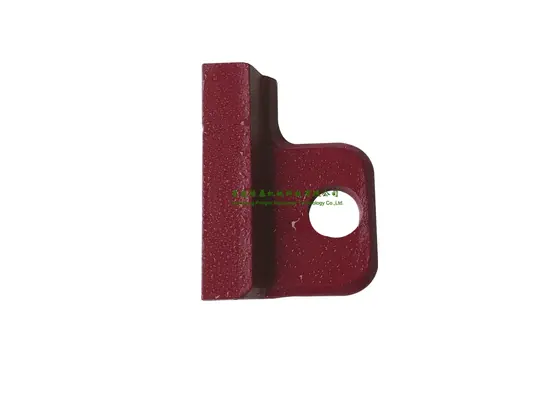
VSI Upper And Lower Wear Plates
Rotor top and bottom protection supplied as a matched set with the tips
View Part →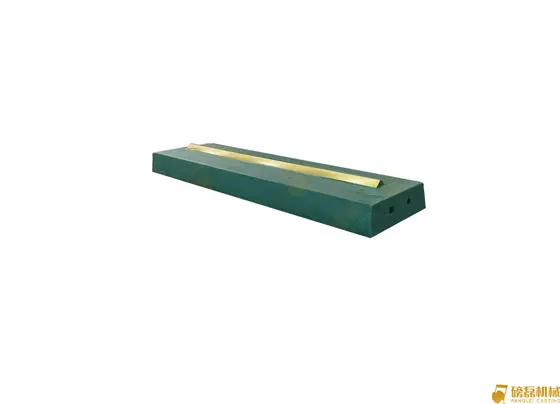
Impact Crusher Break Plate
The impact aprons that turn rotor energy into product size
View Part →VSI Cavity Wear Plate Questions
How do cavity plates affect product shape?
They hold the cavity geometry that the material is thrown into. As they wear, the shaping action changes and product shape drifts.
Should all the plates be changed together?
Yes. Mixed wear around one cavity gives uneven crushing action.
Do you hold these in stock?
Yes, as part of our finished VSI parts stock.
Which material do you recommend?
High chromium for clean abrasive feed, manganese where the feed is dirtier.
Get A Price For VSI Cavity Wear Plate
Send the machine model, the part number if you have one, and the quantity. If you have neither, a photograph with the main dimensions is enough to start.