
Sourcing Industrial Keyboards from China
Evaluating Manufacturing Capability
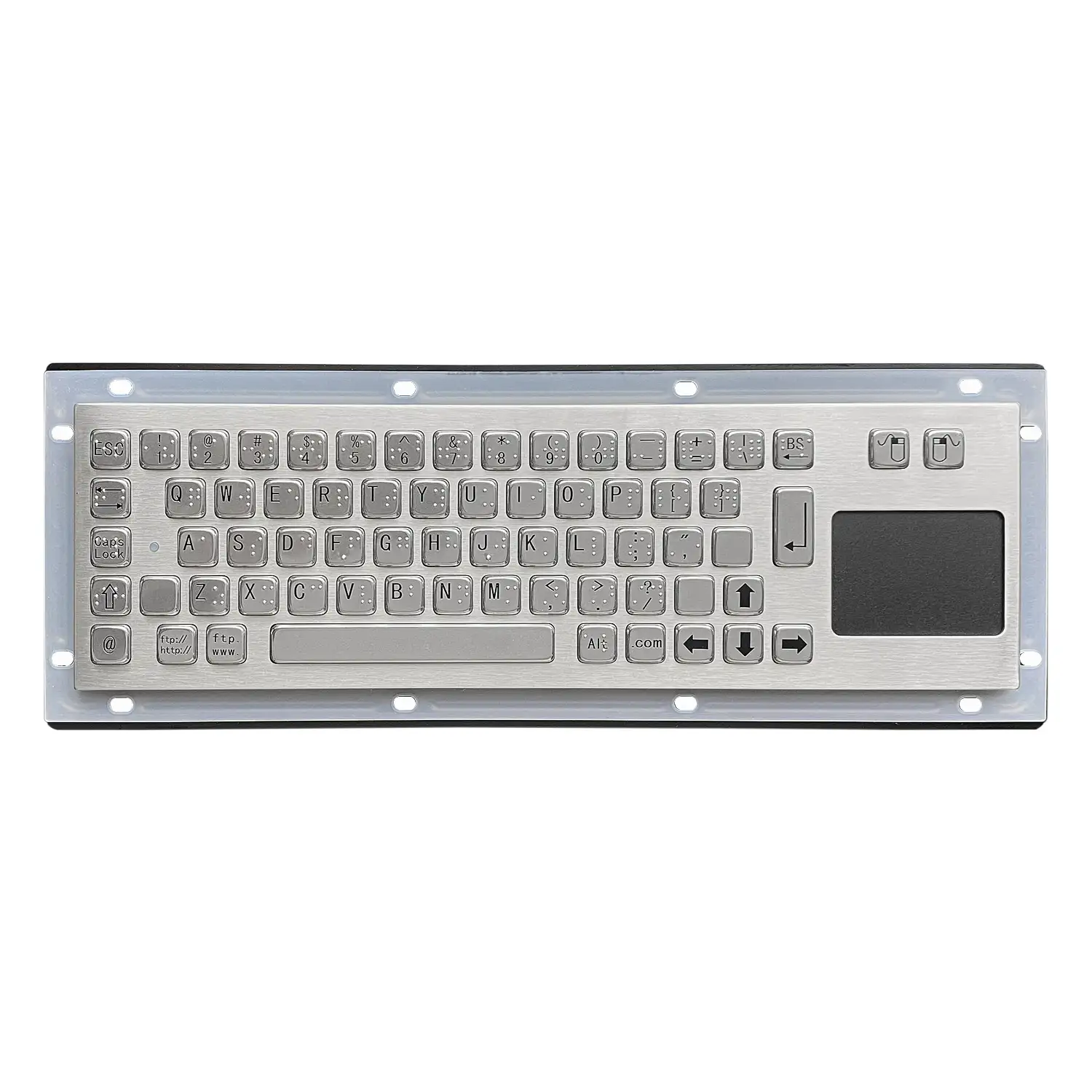
Start with what the factory can physically do, because that determines what it can promise. Shenzhen KEYU Co., Ltd was founded in 1995 and operates a wholly-owned factory of 4,500 square metres in Shenzhen with CNC and sheet metal equipment in house and over 1,000 sets of moulds for metal keyboards and metal keypads. The product range covers metal keyboards, metal trackballs, metal touchpads, metal keypads, metal pin pads and industrial keyboards. In-house metal processing matters to a buyer because it decides whether a panel change is a normal production step or a subcontracted job with its own schedule risk. Ask any supplier which operations happen under their own roof and which are bought in.
Asking for Quality Evidence Not Claims
Every supplier describes its quality control favourably, so the useful question is what documentation exists. Ask for the certificates that apply to the model you are quoting and check they are current. KEYU's product approvals include CE, RoHS, FCC, EMC, IP65, IP66, IP67, IK07 and BIS, with an ISO 9001:2015 quality management system used for sheet metal processing, and the published test report board includes ISO 9001, IP67, RoHS, CE, SGS and FCC. Certificates confirm the product family was tested; they do not confirm your batch was built correctly. Treat them as a threshold a supplier must clear, then handle batch quality separately through agreed inspection points.
Durability and What to Test For
Durability is the whole point of an industrial keyboard, so define it in terms of your own conditions rather than accepting a general statement. The relevant stresses are extreme temperature, dust, moisture and continuous heavy-duty use, and the rugged construction of metal keyboards, trackballs, touchpads, keypads and pin pads is designed around exactly those. Before ordering, write down the temperature range, the cleaning chemicals used, whether the unit is washed down, and the expected daily operating hours. Send that description with the enquiry. A supplier who responds by proposing a specific material grade and protection rating against your conditions is engaging with the application; one who replies only that the product is durable is not.
Warranty and After-Sales Terms
A warranty is a commercial document, and the value is in the detail rather than the headline. KEYU provides warranties on its industrial keyboards, and buyers should discuss the terms directly to establish the extent and the conditions of coverage. The points to pin down are what counts as a defect, what voids cover, who pays freight on a returned unit, whether the remedy is repair or replacement, and how long a replacement takes to arrive. Agree these before the first purchase order rather than during the first failure. Also confirm how spare parts are handled over the life of the installation, since a keyboard fitted into a machine may need to be matched years after the original order.
Components and Consistency Across Batches
Consistency between the sample and the production run is where sourcing most often goes wrong, and it is driven by component sourcing. KEYU sources components from established suppliers and works to internationally recognised manufacturing standards, which is what makes one batch resemble the next. As a buyer you can reinforce this by fixing the specification in writing at a component level where it matters, particularly the connector type, the switch or key element, and the stainless steel grade. Then reference that document on every repeat order. This is more effective than re-inspecting each shipment, because it gives both sides a single agreed definition of what the product is.
Lead Time and Procurement Planning
Delivery timing is a supplier evaluation criterion in its own right, not an afterthought. Discuss lead times directly with the manufacturer and build the answer into your procurement cycle, including the sample stage, the production window and shipping. A custom panel or a new layout adds time at the front of the process, so raise design questions early rather than after the purchase order. Where the keyboard is fitted into equipment you are also assembling, work backwards from your own build date and place the keyboard order against that rather than against the quoted lead time alone. Buffer for the first order and tighten the schedule once you have real data from a completed run.
Doing Your Own Due Diligence
A supplier's longevity is useful background but not a substitute for your own checks. A company that has traded since 1995 has demonstrated it can survive market cycles, which is relevant when you are committing to a multi-year supply relationship. Beyond that, research customer feedback in your own sector, ask about financial standing if the volumes are significant, and hold a detailed technical discussion before committing. Contact KEYU at [email protected] or WhatsApp +86 15999525857 with your application details rather than a general enquiry, since a specific brief produces a specific answer and lets you compare suppliers on the same terms.
Products Mentioned
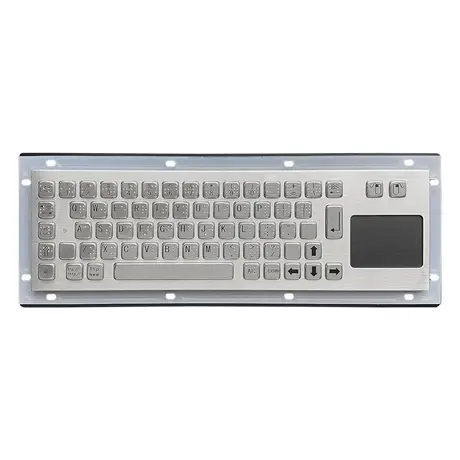
67 Key Metallic Keyboard With Braille KY-PC-NT3 BR
View Specification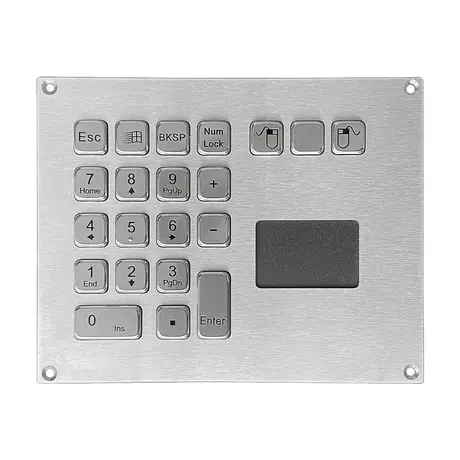
IP65 Mini Keyboard With Trackpad KY-PC-VG160T
View Specification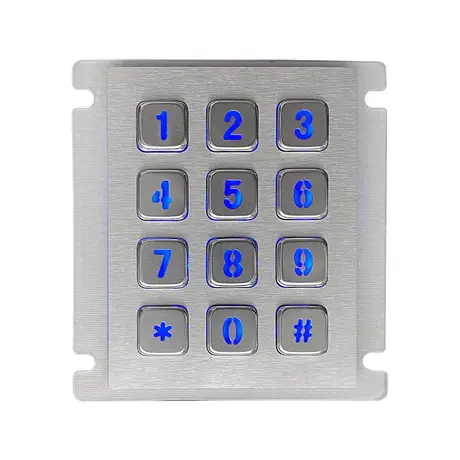
12 Key Industrial Backlight USB Keypad KY2068A-LED
View Specification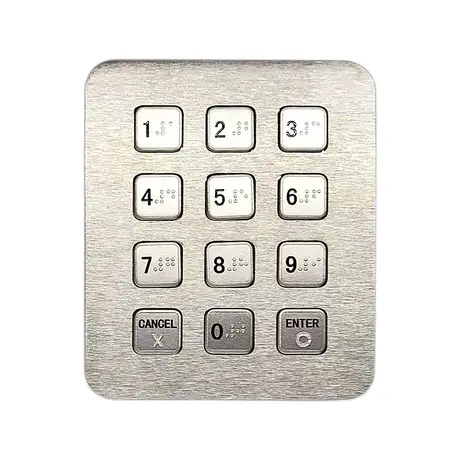
12 Key Industrial Numeric USB Keypad KY2073C-USB
View Specification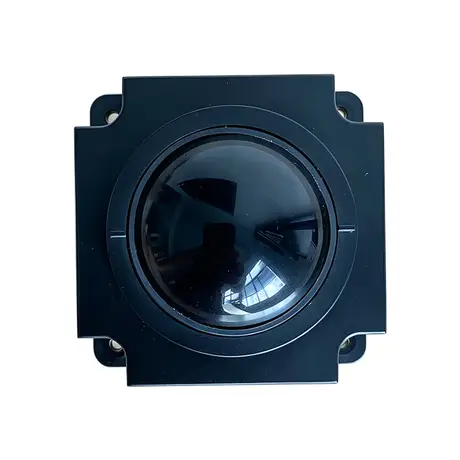
Industrial 50mm Trackball Module KY-MS-MH50-BRS-A
View Specification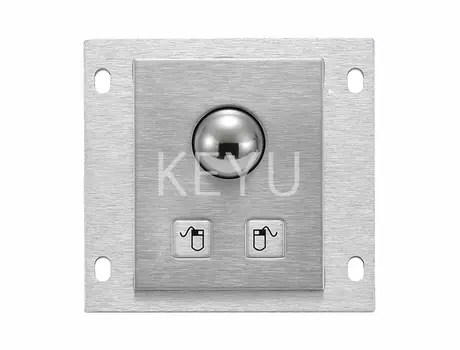
KY-PC-25G 25mm Metal Trackball Module With Two Keys
View SpecificationQuestions On This Topic
How large is the KEYU factory?
What certification evidence can I request?
Is there a warranty on industrial keyboards?
What products does KEYU make besides keyboards?
Put This Into A Specification
Send us the application and we will tell you which of these choices actually matter for your terminal.