
Industry Application
Castings for Power Plants
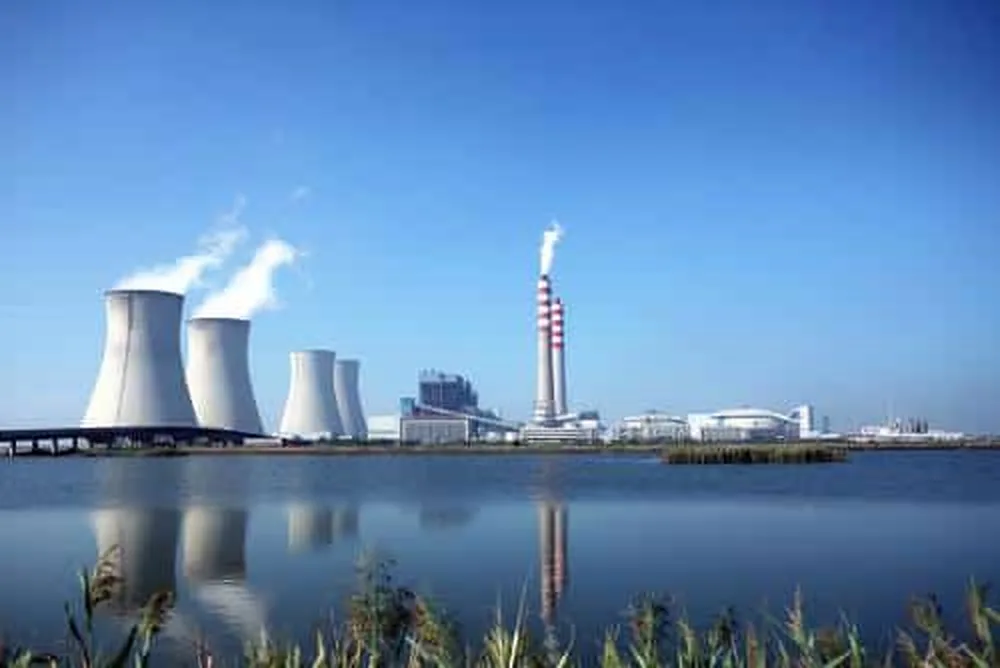
We supply spare parts for furnace burning environments, with longer service life and less frequent changing.
Industry Pain Points
Where It Hurts
These are the failures behind most enquiries we receive from this sector.
- Furnace side castings scaling and thinning until the section fails
- Coal handling wear plates and hammers changed too often
- Grate elements distorting under thermal cycling
- Outage windows overrunning because parts do not fit
- Spares held in stock in the wrong grade for the position they serve
Customer Requirements
What Buyers Actually Need
- Longer service life so changes fall inside planned outages
- Heat resistant grades that survive the real furnace atmosphere, not just the temperature
- Wear parts with predictable, reported hardness
- Parts that match the existing fixings and frames
- Delivery timed to the outage schedule
Recommended Products
Parts We Supply Into This Sector
Product
Heat Resistant Castings
See specification →
Product
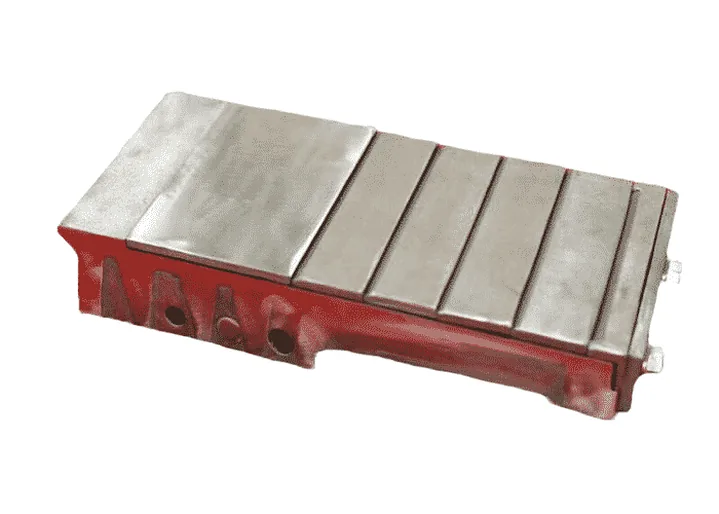
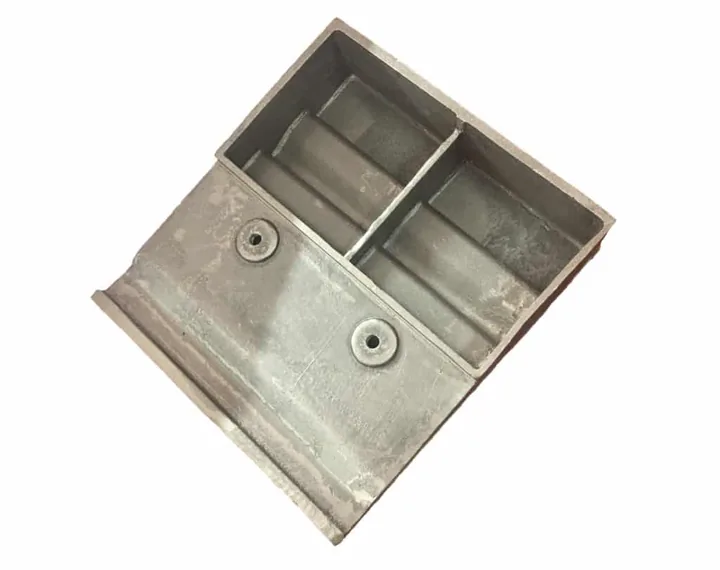
Grate Bars
See specification →
Product
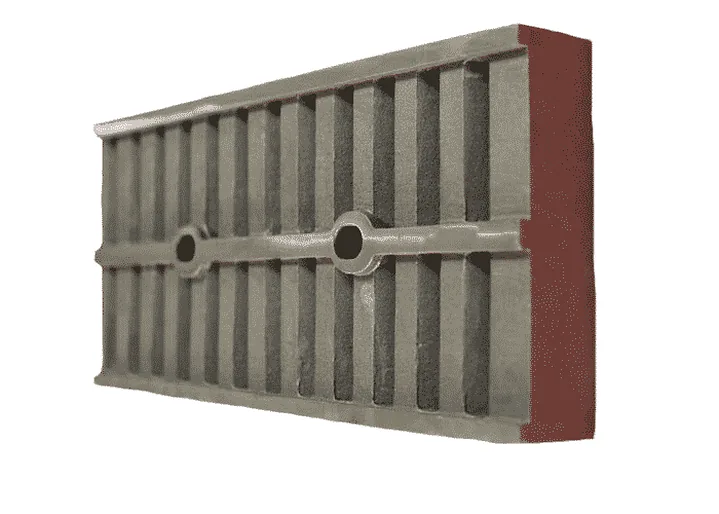
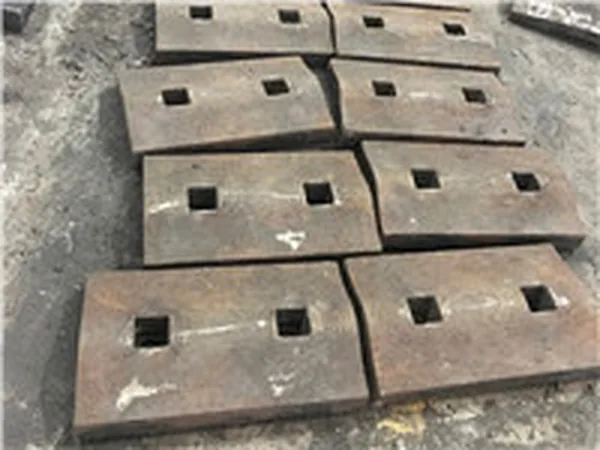
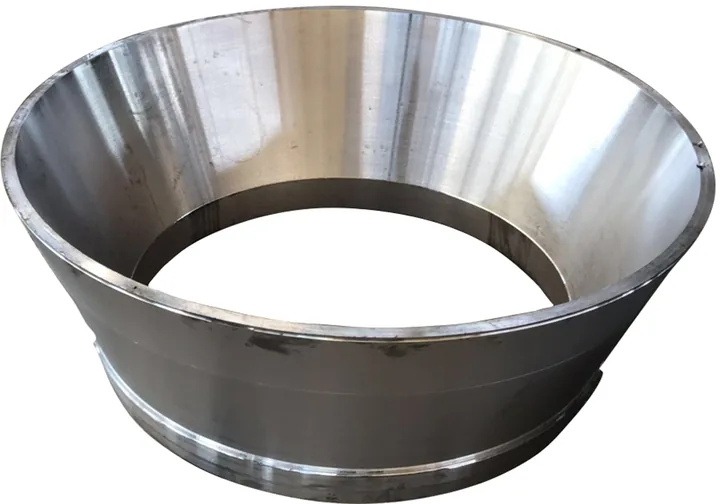
Crusher and Mill Liner Plates
See specification →
Product
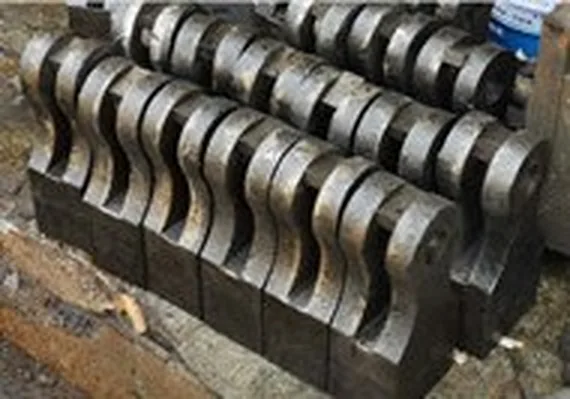
Crusher Hammers and Blow Bars
See specification →
Product
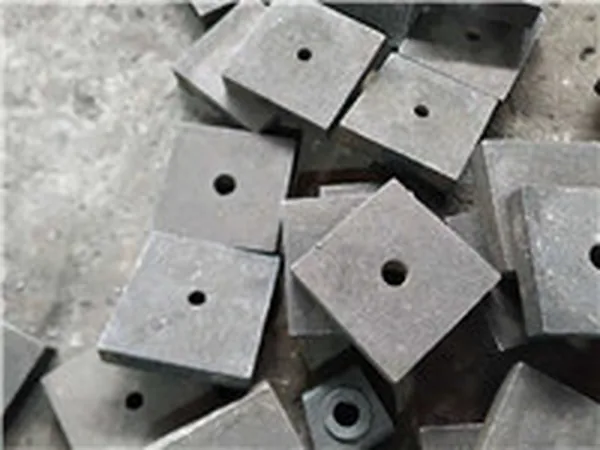
High Chrome Wear Plates and Blocks
See specification →
Product
Carbon and Alloy Steel Castings
See specification →
Application Scenarios
Typical Application Scenarios
Furnace and boiler side
Heat resistant castings running in burning environments, specified for the atmosphere as well as the temperature.
Grate and hearth elements
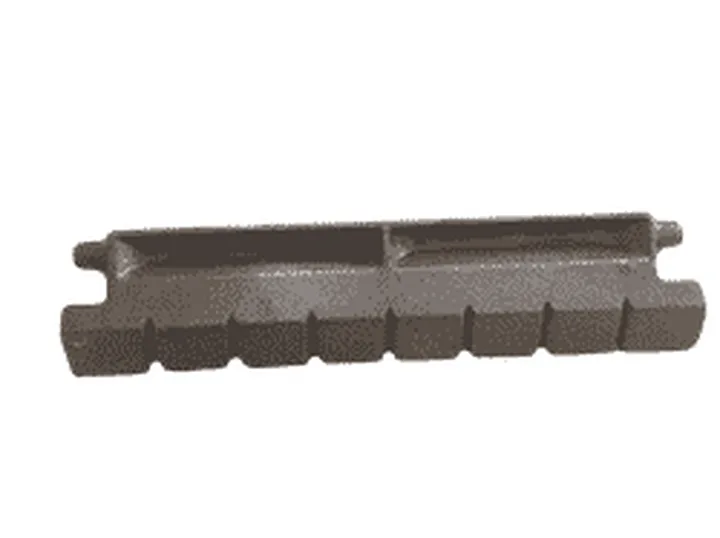
Grate bars and support castings that cycle thermally every shift.
Coal handling and milling
Hammers, liner plates and chute protection in abrasive coal service.
General plant components
Carbon and alloy steel structural and machined parts.
Solution Workflow
How a Project Runs
STEP 01
Failure review
We look at the failed part, the machine and the duty before quoting. Often the fix is geometry or seating, not a more expensive alloy.
STEP 02
Material and process proposal
Grade, moulding route, tolerance class and machining allowance, confirmed in writing.
STEP 03
Tooling and first article
Tooling made and the first article measured and tested before the batch runs.
STEP 04
Batch production
Stage inspection during production rather than only at the end.
STEP 05
Documented delivery
Test reports, marking and export packing prepared for your port.
Delivery Capability
Delivery Capability
Size and weight
Castings from a few grams to tens of tonnes. Machined parts from 10 mm to 5000 mm and 1 kg to 5000 kg.
Supply base
More than thirty partner factories covering most casting, forging, machining and surface treatment processes.
Export experience
Supplied to the United Kingdom, Spain, Italy, Poland, South Korea, the United States, South Africa, India, Algeria, France and Japan.
FAQ
Questions From This Sector
Which heat resistant grade suits a furnace side casting?
Can you supply wear parts for coal handling?
Do you supply mechanical and chemical test reports?
Can delivery be timed to our outage?
Can you review the spares we currently hold?
Tell Us How the Current Part Fails
Send photographs of the failed part, the machine details and the current service life. We will tell you whether the answer is a different alloy, a different construction or a change in geometry.