
Casting Material
Apron Feeder Pans
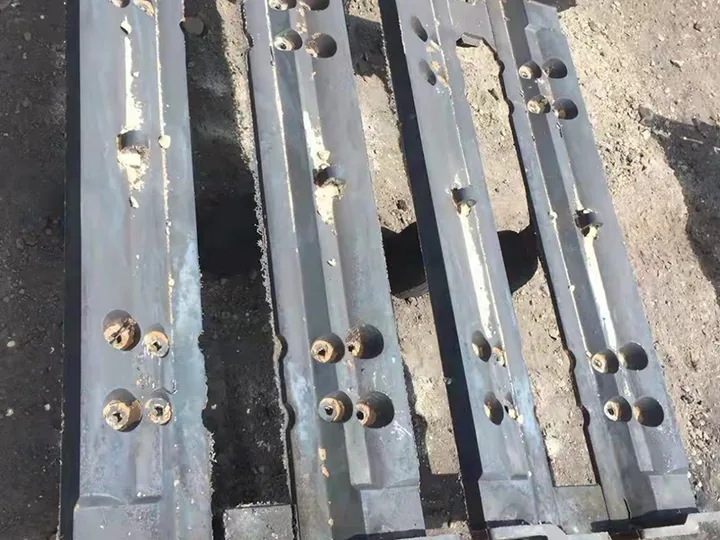
The pan is the main wear part on an apron feeder. We cast them in manganese steel and alloy steel from 20 kg to 2500 kg per piece, with tight enough dimensions that pieces stay interchangeable.
- 20 kg to 2500 kg per piece
- Accurate dimensions to CT10
- Highly interchangeable between pieces
- Special casting process developed for feeder pans
Product Overview
What Apron Feeder Pans Are Good For
The apron feeder pan is the main wear part on an apron feeder machine, and apron feeders are used to move material in many industries. We manufacture all kinds of feeder pans in manganese steel and alloy steel, with a production capacity from 20 kg per piece to 2500 kg per piece.
Pans are a demanding casting because they are large, flat and thin walled relative to their footprint, and because dozens of them have to bolt into the same chain and line up. A pan that is 5 mm out of flat will not sit down on the chain, so the moulding route and the pouring discipline matter more than the alloy on this part.
Who It Is For
Who Buys These Castings
The same material serves very different buyers. These are the four groups that make up most of our enquiries for this range.
Mining and quarry operators
Feeders under primary crushers and stockpile draw points.
Cement plants
Limestone and clinker feeders running continuously.
Port and bulk handling terminals
Feeders under hoppers where availability decides throughput.
Feeder OEMs
Repeat batch production to drawing, with tooling held for follow up orders.
Problems It Solves
Problems These Castings Solve
Buyers come to us when one of these is happening. If you recognise your situation here, send the drawing and the current part life.
- Pans that will not interchange, so every replacement needs shimming
- Poor surface finish that traps material and adds load
- Cracking at the bolt bosses after a few months of service
- Dimensional drift across a batch of thirty or more pans
- High maintenance cost and short pan life driving the cost per tonne up
Manufacturing Process
Manufacturing Process and Piece Weight
We choose the route from the part, not from what one factory happens to own. The route is confirmed in writing with the quotation.
| Process | Best Suited For | Tolerance | Piece Weight |
|---|---|---|---|
| Green sand process | Small and medium parts with low dimensional requirement | CT11–CT14 | 0.2–200 kg |
| Resin sand process | Medium and large parts with high dimensional requirement | CT10–CT11 | 100–3000 kg |
| Shell molding process | Small and medium parts with strict dimensional requirement | CT7–CT9 | ≤50 kg |
| Lost foam process | Small and medium parts with complex structure | CT7–CT9 | ≤100 kg |
| Vacuum process | Medium and large parts needing good surface roughness | CT7–CT9 | ≤10000 kg |
Application Scenarios
Typical Products and Applications
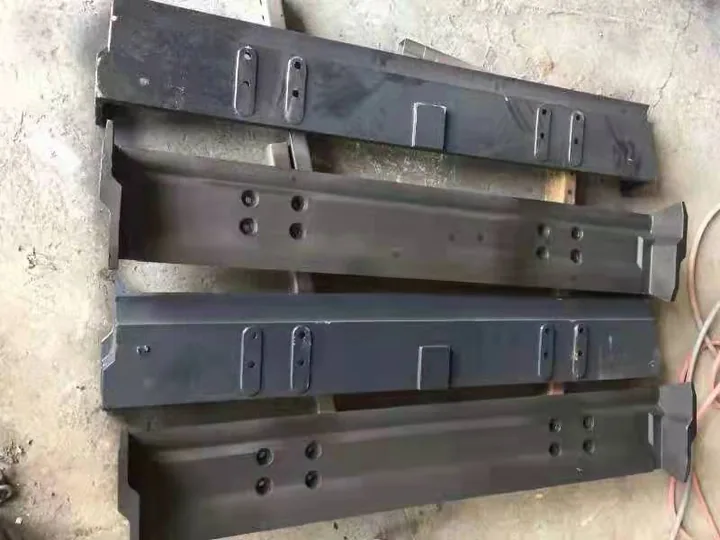
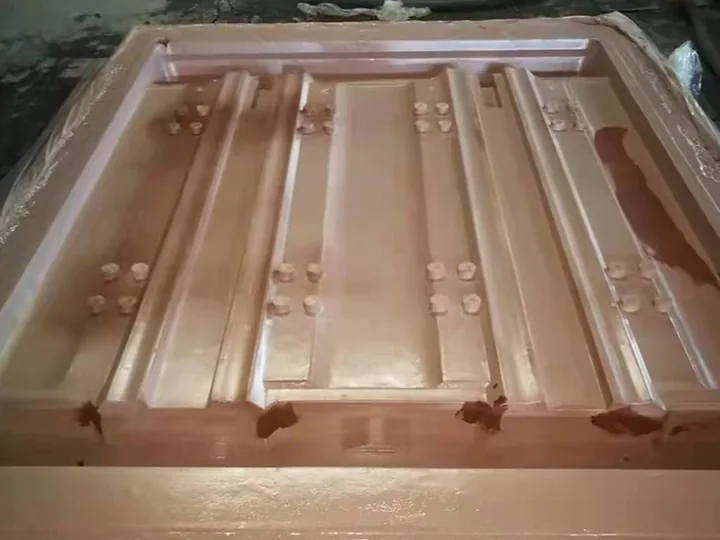
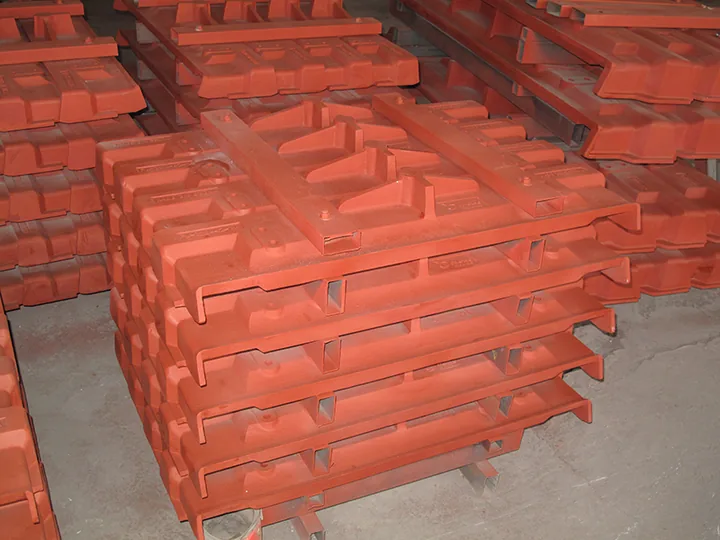
Every image below is a part actually produced through our supply chain.
- Special casting process developed for feeder pan castings
- Excellent surface finish
- Accurate dimensions to CT10
- Highly interchangeable between each piece
- Convenient maintenance, low cost, long life
Quality Control
Quality Control and Certification
Inspection is planned at the stages where a problem is still cheap to fix, not only at final inspection.
- Chemical composition by optical emission spectrometer, handheld spectrometer and carbon sulphur analyser
- Dimensions by manual gauging, gantry and mid size CMM and 3D scanning
- Mechanical properties by tensile, impact and hardness testing
- Non destructive testing by magnetic particle, penetrant, ultrasonic and X-ray methods
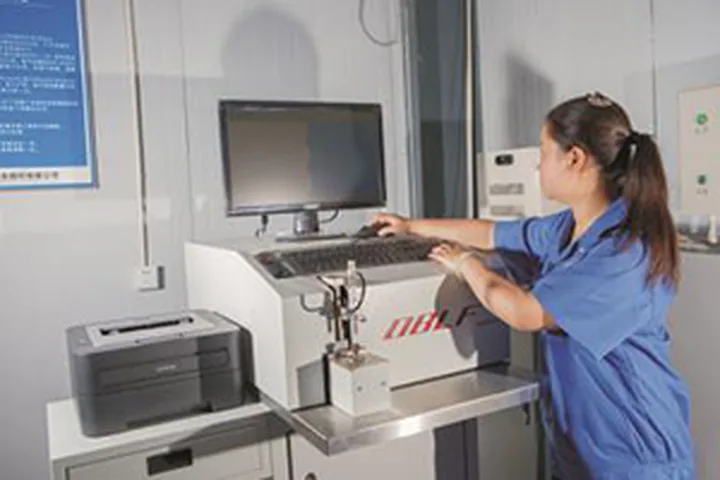
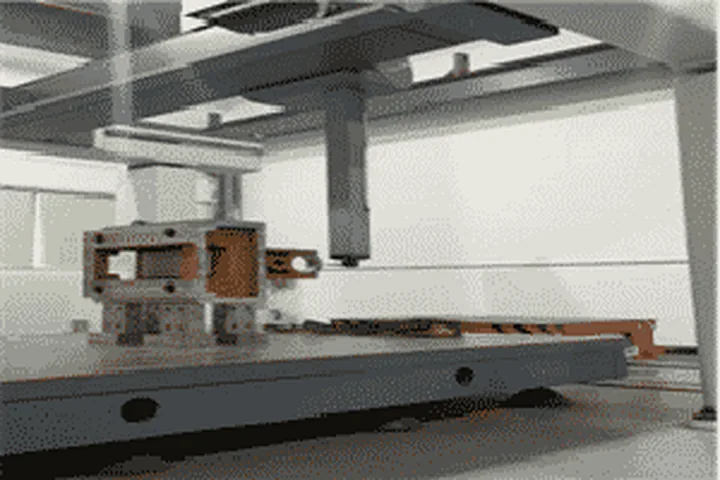
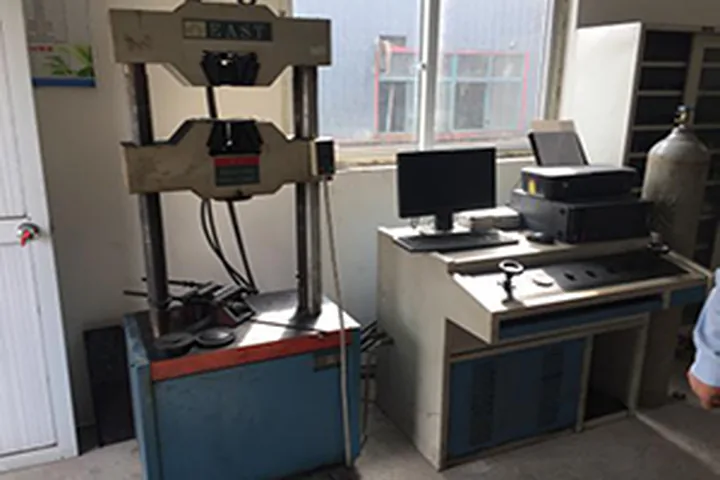
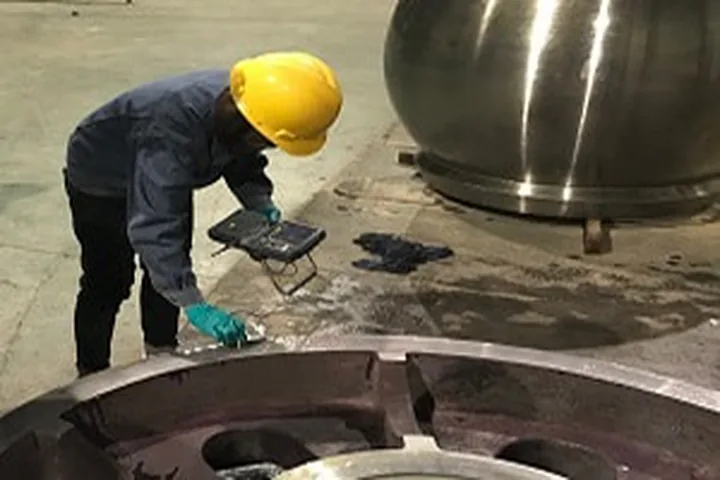
Third party certification documents are issued by the producing factory for the specific order. Ask for the certificate package that applies to your part before you place the order.
Customization
Customization Options
Almost everything on this page can be adapted to your drawing.
Material and grade
Any of the grades listed above, or a grade you nominate. Where a local equivalent is required we confirm the cross reference before production.
Machining and tolerance
As cast, semi machined or finish machined. Mark the critical dimensions on the drawing and we confirm which faces are machined.
Surface and marking
Painting, powder coating, plating, galvanizing and part number marking, agreed at enquiry stage and priced into the piece price.
Comparison
Comparison With Other Options
A short answer to the question buyers ask most often before they place an order.
| Option | What You Gain and Give Up | Typical Use |
|---|---|---|
| Manganese steel pans | Work hardens under coarse impact feed | Primary crusher feeders |
| Alloy steel pans | More stable dimensionally, weldable | Lower impact duty |
| Fabricated pans | Lower tooling cost, weaker at bosses | Very low volume |
Use Guide
How to Order and Use This Range
STEP 01
Send the drawing or the sample
A 2D drawing, a 3D file or clear photographs of the worn part with overall dimensions. Add the annual quantity and the target delivery date.
STEP 02
Agree material and process
We propose the grade and the moulding route, confirm tolerance class and machining allowance, and flag anything in the geometry that will add cost.
STEP 03
Tooling and first article
Pattern or die tooling is quoted separately. The first article is measured and tested before batch release.
STEP 04
Batch production and inspection
Stage inspections during production, then final inspection to the agreed standard with the test reports you require.
STEP 05
Packing and shipment
Export packing on fumigated pallets or in steel frames, marked with your part numbers, with the shipping documents you need.
FAQ
Questions About Apron Feeder Pans
The answers buyers ask for before they place a first order.
What size pans can you produce?
How accurate are the pans?
Manganese steel or alloy steel for pans?
Can you match the pans already on our feeder?
Do you supply the bolts and fixings as well?
Send Your Drawing and Get a Quote
Send a 2D drawing, a 3D file or photographs of the worn part with the annual quantity. Our engineers reply with the process route, the material grade and a price.