
Casting Material
Ductile Iron Castings
Ductile iron gives you the castability of iron with strength and elongation close to cast steel. It is our first recommendation for parts that carry load, impact or fatigue.
- QT400-18 through QT700-2 and equivalents
- Tensile, impact and hardness reports per heat
- Magnetic particle, penetrant and ultrasonic testing
- 0.2 kg to 10 000 kg per piece
Product Overview
What Ductile Iron Castings Are Good For
Ductile iron is a high strength cast iron with excellent overall performance. It is used for parts with complex loading and high requirements for strength, toughness and wear resistance, which makes it one of the most widely used cast iron materials in industry. Its mechanical properties, in particular high plasticity and toughness, suit crankshafts, camshafts, valve bodies and similar parts.
Because the graphite is nodular rather than flake, cracks do not propagate along graphite flakes. That is why a QT450-10 part can be dropped, bolted under preload and cycled where a gray iron part of the same geometry would fail.
Who It Is For
Who Buys These Castings
The same material serves very different buyers. These are the four groups that make up most of our enquiries for this range.
Valve and pump manufacturers
Bodies, bonnets and impeller housings that must hold pressure and pass hydro test.
Municipal water and drainage
Manhole covers, frames, gate valve bodies and hydrant parts in repeat volumes.
Vehicle and trailer component makers
Hubs, brackets, arms and housings that carry fatigue loads.
Lifting and material handling
Rope drums, sheaves, hubs and gearbox parts.
Problems It Solves
Problems These Castings Solve
Buyers come to us when one of these is happening. If you recognise your situation here, send the drawing and the current part life.
- Cast steel parts that are heavier and more expensive than the duty requires
- Nodularity that drifts between heats so elongation fails the certificate
- Suppliers who cannot supply a per heat mechanical test report
- Pressure parts that leak on hydro test after machining
- Weldments replaced by a single casting to cut assembly labour
Manufacturing Process
Manufacturing Process and Piece Weight
We choose the route from the part, not from what one factory happens to own. The route is confirmed in writing with the quotation.
| Process | Best Suited For | Tolerance | Piece Weight |
|---|---|---|---|
| Green sand process | Small and medium parts with low dimensional requirement | CT11–CT14 | 0.2–200 kg |
| Resin sand process | Medium and large parts with high dimensional requirement | CT10–CT11 | 100–3000 kg |
| Shell molding process | Small and medium parts with strict dimensional requirement | CT7–CT9 | ≤50 kg |
| Lost foam process | Small and medium parts with complex structure | CT7–CT9 | ≤100 kg |
| Vacuum process | Medium and large parts needing good surface roughness | CT7–CT9 | ≤10000 kg |
Specifications
Material Standards and Grades
We apply the industry specifications of the country you sell into, so that the metal parts we supply meet your local standard.
| Standard | Grades We Supply |
|---|---|
| ISO 1083 | JS/400-18, JS/400-15, JS/450-10, JS/500-7, JS/550-5, JS/600-3, JS/700-2 |
| GB/T 1348 | QT400-18, QT400-15, QT450-10, QT500-7, QT550-5, QT600-3, QT700-2 |
| DIN EN 1563 | GGG-40, GGG-50, GGG-60, GGG-70 |
| BS 2789 | 400/18, 420/12, 450/10, 500/7, 600/3, 700/2 |
| JIS G5502 | FCD 400-18, FCD 400-15, FCD 450-10, FCD 500-7, FCD 550-5, FCD 600-3, FCD 700-2 |
| ASTM A536 | 60-40-18, 65-45-12, 80-55-06, 100-70-03, 120-90-02 |
Application Scenarios
Typical Products and Applications
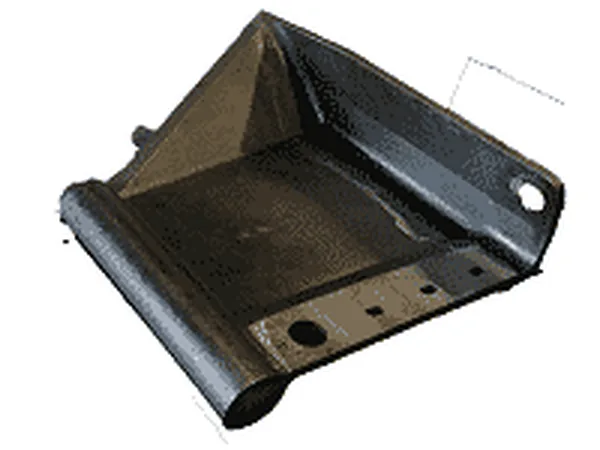
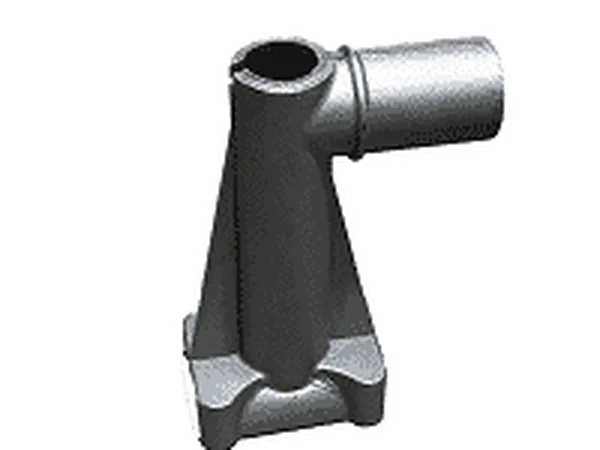
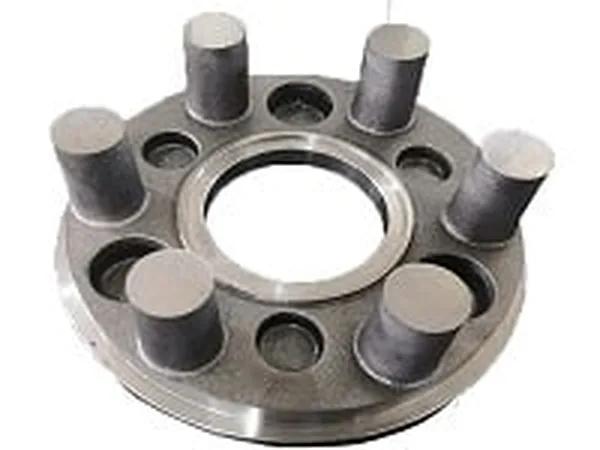
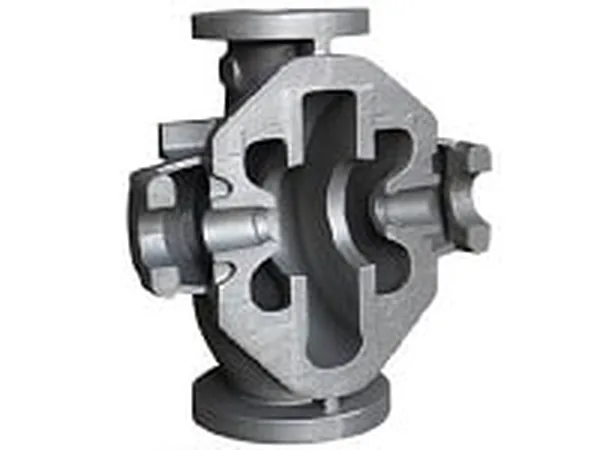
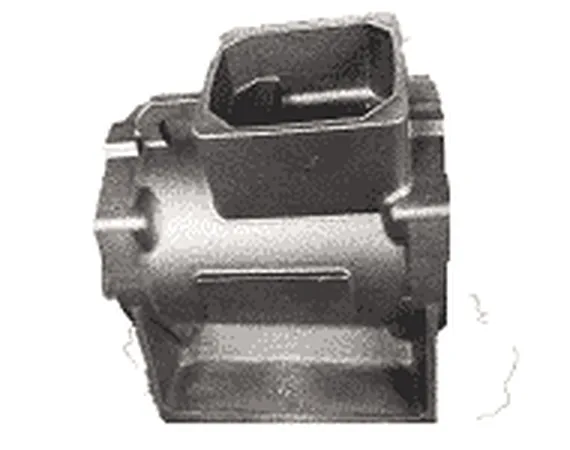
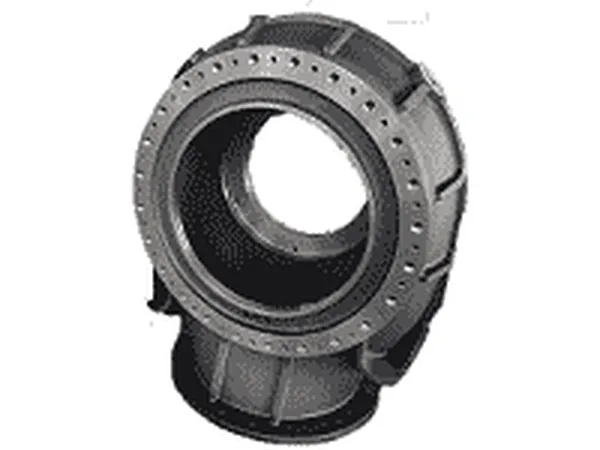
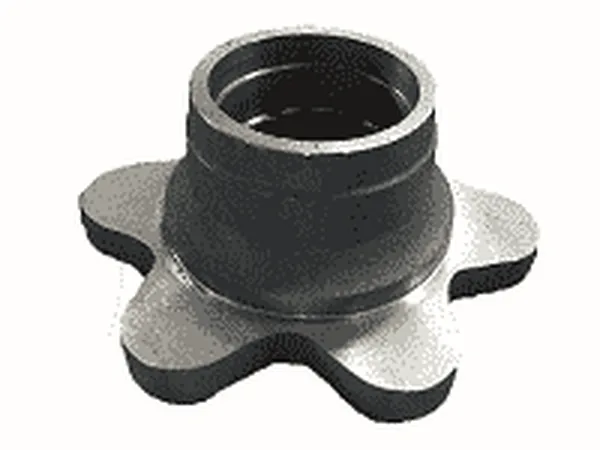
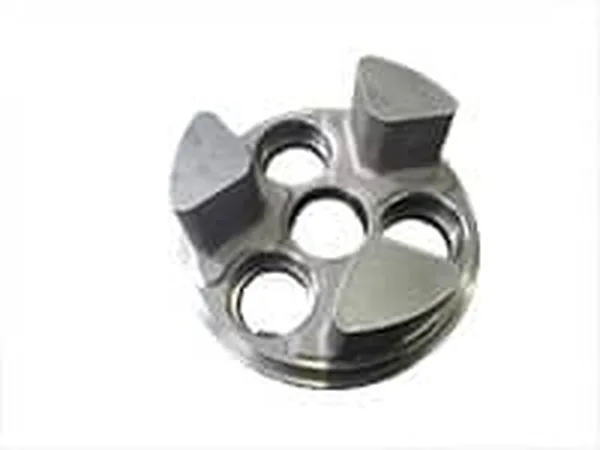
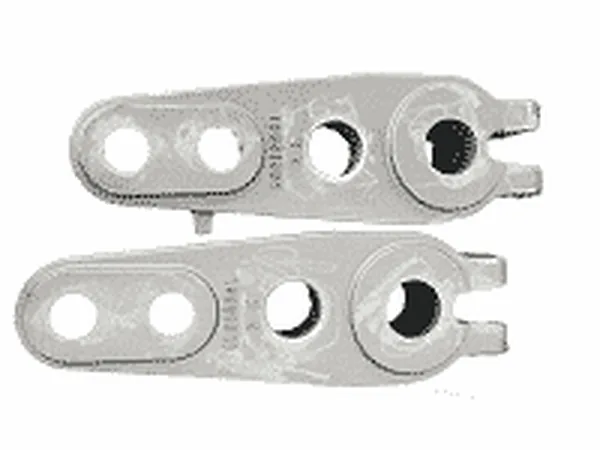
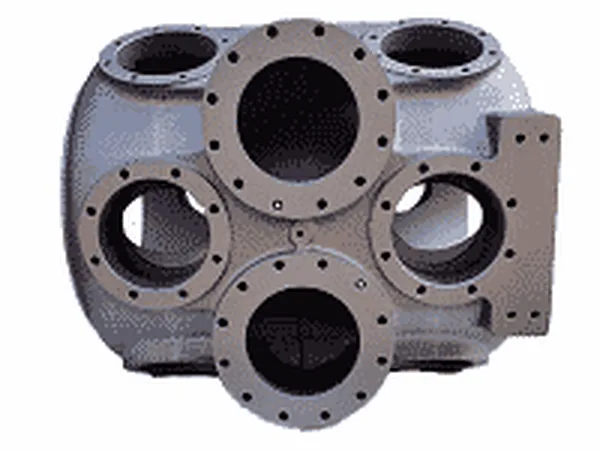
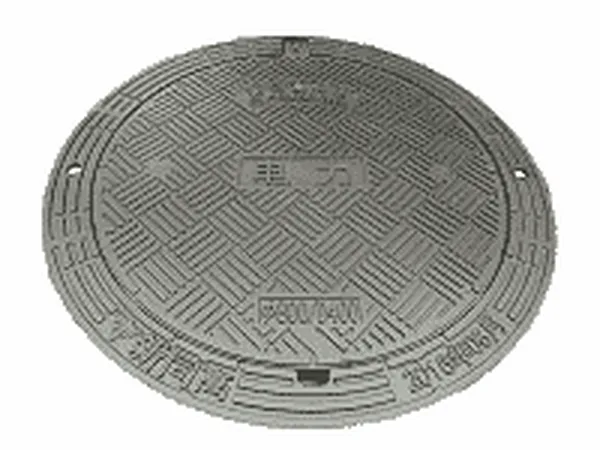
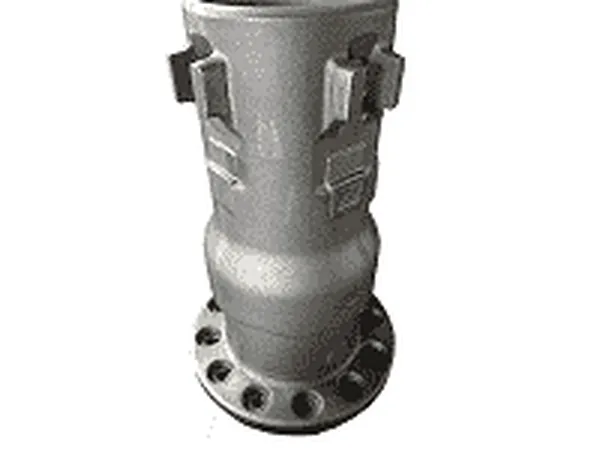
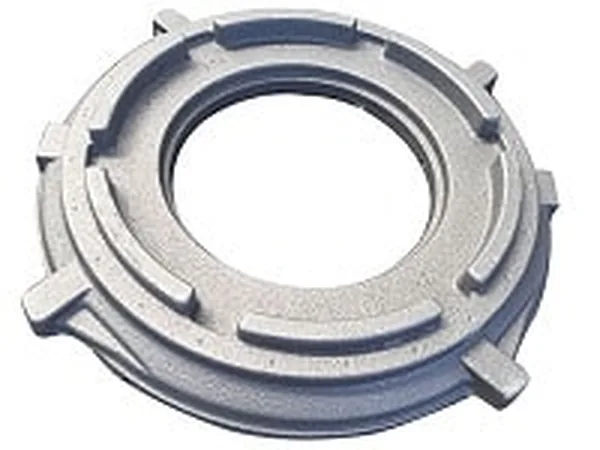
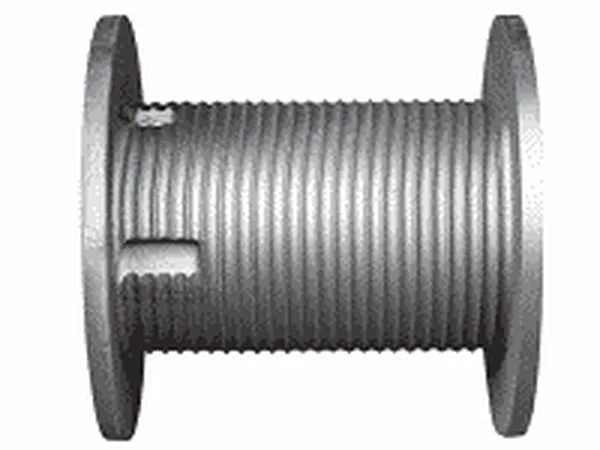
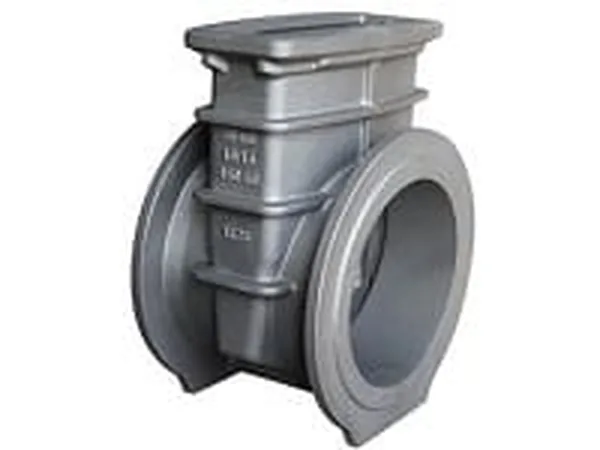
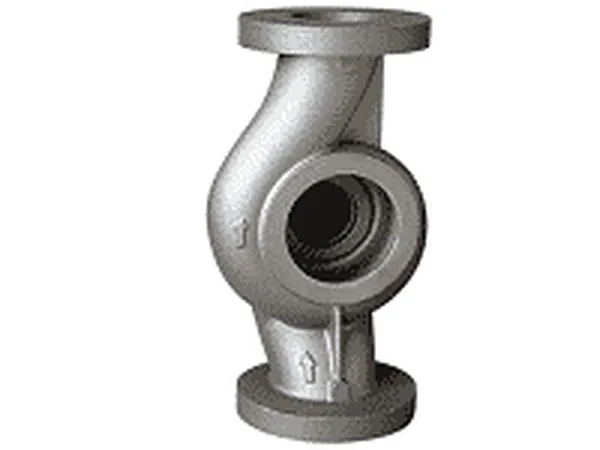
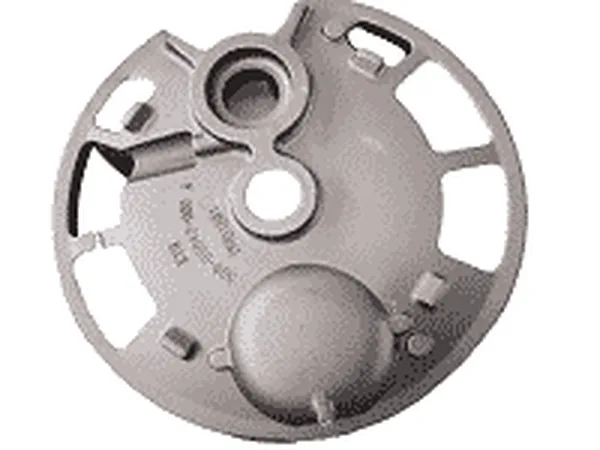
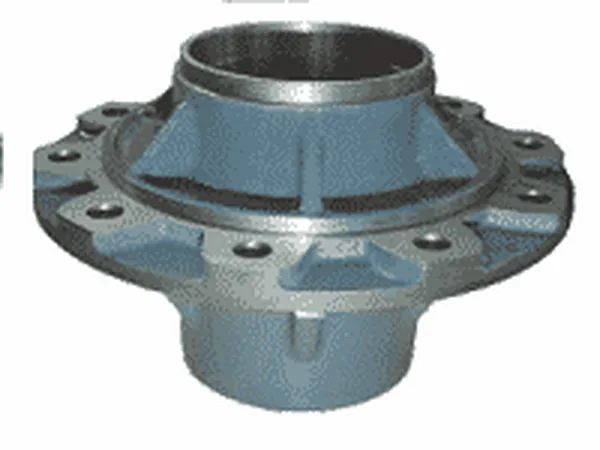
Every image below is a part actually produced through our supply chain.
- Valve and pump bodies
- Manhole covers and frames
- Wheel hubs and flanges
- Rope drums and sheaves
- Gearbox and machine housings
- Link arms and brackets
Quality Control
Quality Control and Certification
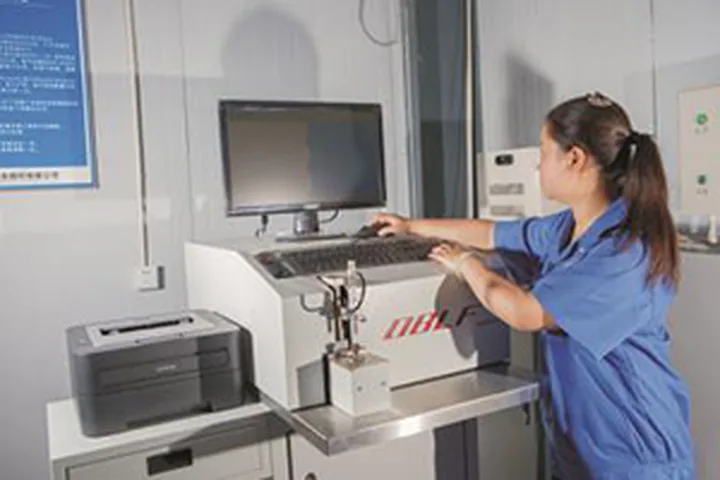
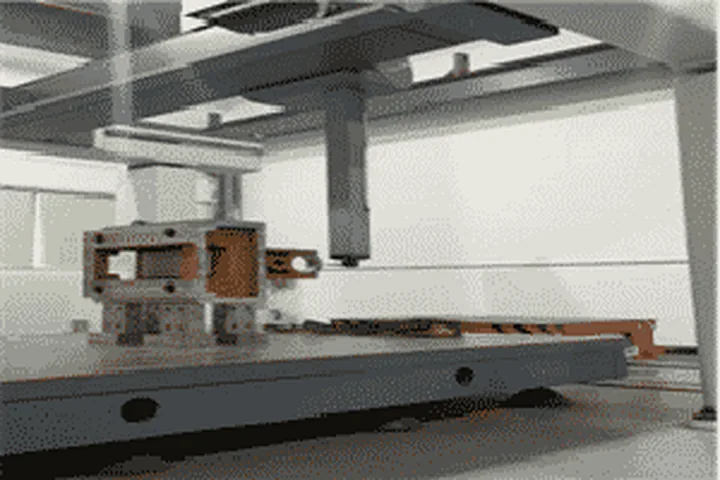
Inspection is planned at the stages where a problem is still cheap to fix, not only at final inspection.
- Chemical composition by optical emission spectrometer, handheld spectrometer and carbon sulphur analyser
- Dimensions by manual gauging, gantry and mid size CMM and 3D scanning
- Mechanical properties by tensile, impact and hardness testing
- Non destructive testing by magnetic particle, penetrant, ultrasonic and X-ray methods
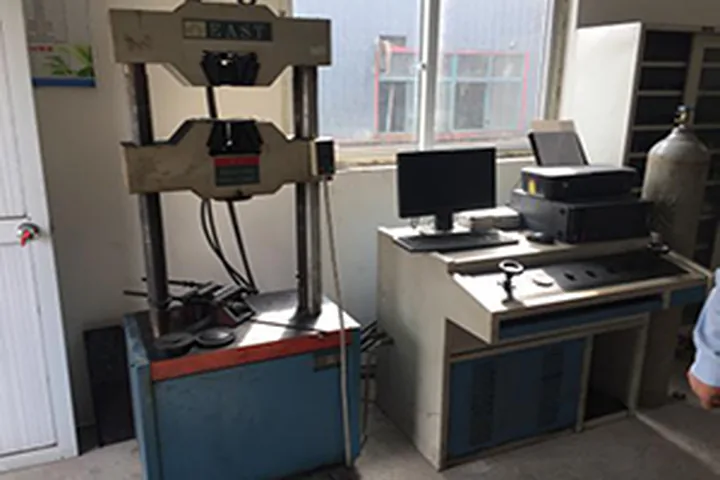
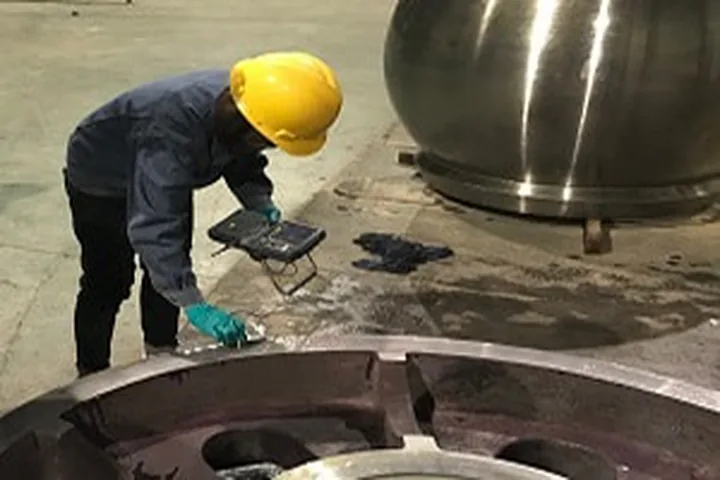
Third party certification documents are issued by the producing factory for the specific order. Ask for the certificate package that applies to your part before you place the order.
Customization
Customization Options
Almost everything on this page can be adapted to your drawing.
Material and grade
Any of the grades listed above, or a grade you nominate. Where a local equivalent is required we confirm the cross reference before production.
Machining and tolerance
As cast, semi machined or finish machined. Mark the critical dimensions on the drawing and we confirm which faces are machined.
Surface and marking
Painting, powder coating, plating, galvanizing and part number marking, agreed at enquiry stage and priced into the piece price.
Comparison
Comparison With Other Options
A short answer to the question buyers ask most often before they place an order.
| Option | What You Gain and Give Up | Typical Use |
|---|---|---|
| Ductile iron | Strength with elongation, good castability | Valves, hubs, drums |
| Gray iron | Cheaper and better damping, brittle | Static housings |
| Cast steel | Weldable, higher cost and shrinkage | Welded assemblies |
Use Guide
How to Order and Use This Range
STEP 01
Send the drawing or the sample
A 2D drawing, a 3D file or clear photographs of the worn part with overall dimensions. Add the annual quantity and the target delivery date.
STEP 02
Agree material and process
We propose the grade and the moulding route, confirm tolerance class and machining allowance, and flag anything in the geometry that will add cost.
STEP 03
Tooling and first article
Pattern or die tooling is quoted separately. The first article is measured and tested before batch release.
STEP 04
Batch production and inspection
Stage inspections during production, then final inspection to the agreed standard with the test reports you require.
STEP 05
Packing and shipment
Export packing on fumigated pallets or in steel frames, marked with your part numbers, with the shipping documents you need.
FAQ
Questions About Ductile Iron Castings
The answers buyers ask for before they place a first order.
What is the difference between QT450-10 and QT600-3?
Do you supply a mechanical test report per heat?
Can you pressure test valve and pump bodies?
Which moulding process will you use for my part?
Do you make the pattern and tooling?
Send Your Drawing and Get a Quote
Send a 2D drawing, a 3D file or photographs of the worn part with the annual quantity. Our engineers reply with the process route, the material grade and a price.