
Casting Material
Manganese Steel Castings
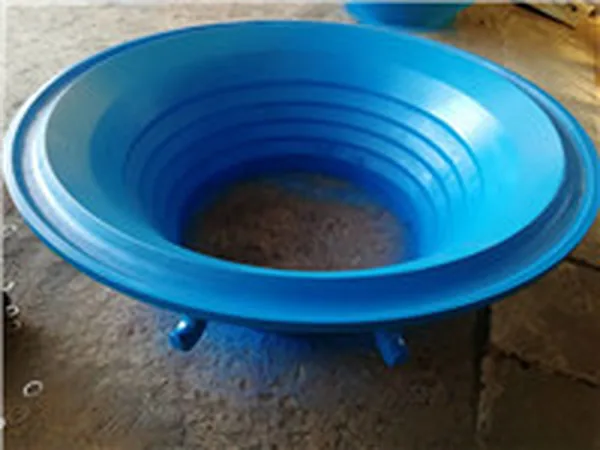
Manganese steel is the standard for parts that take heavy impact and heavy wear at the same time. It work hardens in service, so the surface gets harder the longer the crusher runs.
- Cone, jaw, hammer and impact crusher wear parts
- Hammers from 1 kg to 500 kg per piece
- Bimetal and TiC insert hammers available
- Controlled melting, moulding, pouring and heat treatment
Product Overview
What Manganese Steel Castings Are Good For
Manganese steel products are widely used for parts working under high wear and high impact, and for customers in quarrying, mining, coal, steel and other industries. We have supplied manganese steel castings for many years and pay close attention to product quality. From smelting, moulding and pouring through to heat treatment we work to a complete technical specification, so that batch quality stays stable.
The reason manganese steel dominates crusher wear parts is its work hardening behaviour. As delivered it is soft and tough. Under repeated impact the working surface hardens sharply while the core stays tough, which is exactly the combination a jaw plate or a mantle needs. That is also why it must be worked in service. In a low impact duty it never hardens, and a high chrome iron part will outlast it.
Who It Is For
Who Buys These Castings
The same material serves very different buyers. These are the four groups that make up most of our enquiries for this range.
Quarry and aggregate producers
Jaw plates, mantles, bowl liners and hammers changed on a fixed maintenance interval.
Mining contractors
Impact and cone crusher wear parts in hard rock service.
Coal and steel plants
Hammers, liners and wear plates for sizing and crushing lines.
Crusher OEMs and dealers
Repeat batch production against drawings, with tooling held for future orders.
Problems It Solves
Problems These Castings Solve
Buyers come to us when one of these is happening. If you recognise your situation here, send the drawing and the current part life.
- Wear parts that crack instead of wearing evenly, usually a heat treatment problem
- Poor fit between the liner and the crusher seat, causing backing failure
- Hardness and toughness that vary between batches
- Hammer life too short in high silica feed
- Stock outs on fast moving liners that stop the crushing line
Manufacturing Process
Manufacturing Process and Piece Weight
We choose the route from the part, not from what one factory happens to own. The route is confirmed in writing with the quotation.
| Process | Best Suited For | Tolerance | Piece Weight |
|---|---|---|---|
| Green sand process | Small and medium parts with low dimensional requirement | CT11–CT14 | 0.2–200 kg |
| Resin sand process | Medium and large parts with high dimensional requirement | CT10–CT11 | 100–3000 kg |
| Shell molding process | Small and medium parts with strict dimensional requirement | CT7–CT9 | ≤50 kg |
| Lost foam process | Small and medium parts with complex structure | CT7–CT9 | ≤100 kg |
| Vacuum process | Medium and large parts needing good surface roughness | CT7–CT9 | ≤10000 kg |
Application Scenarios
Typical Products and Applications
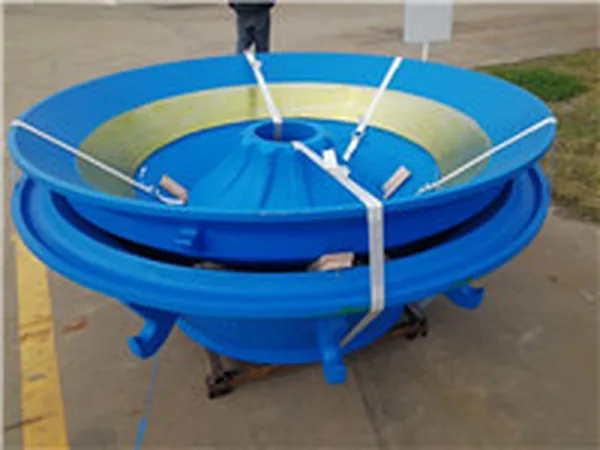
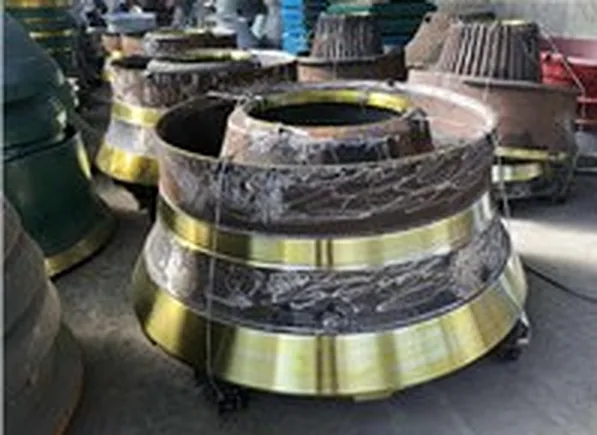
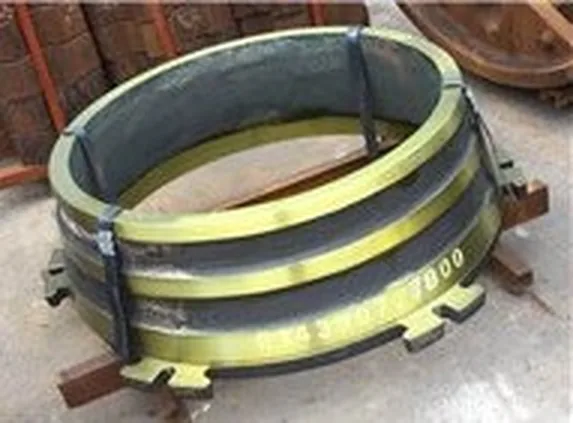
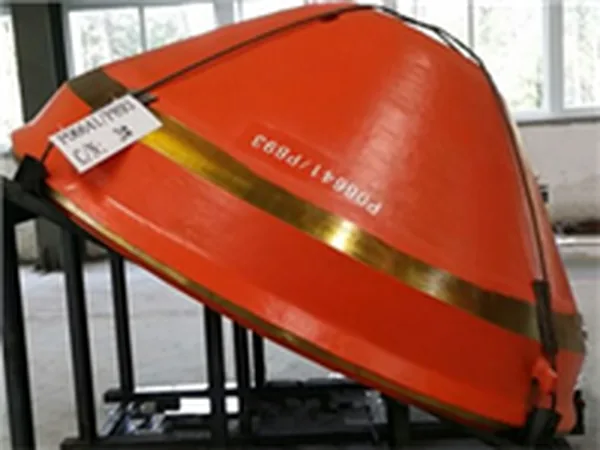
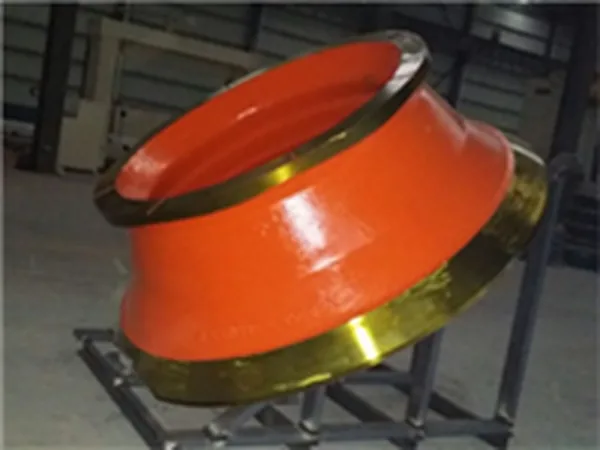
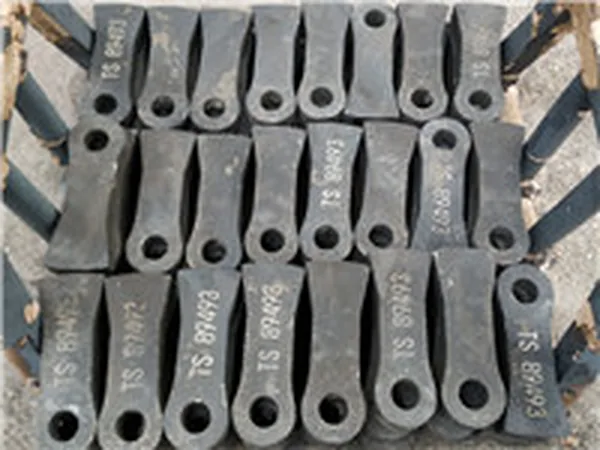
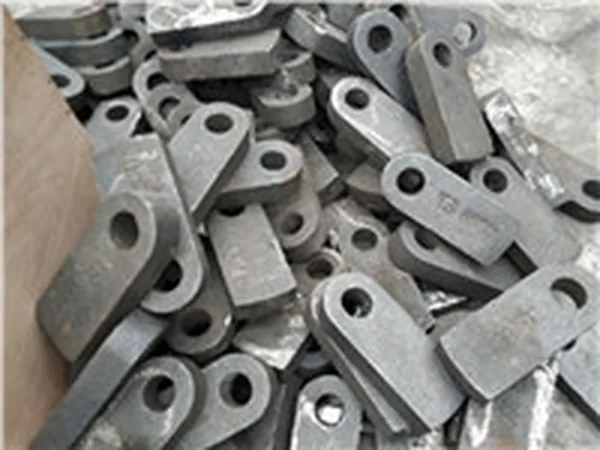
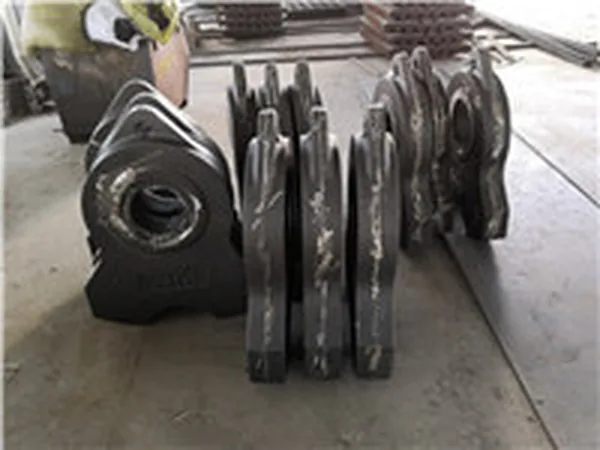
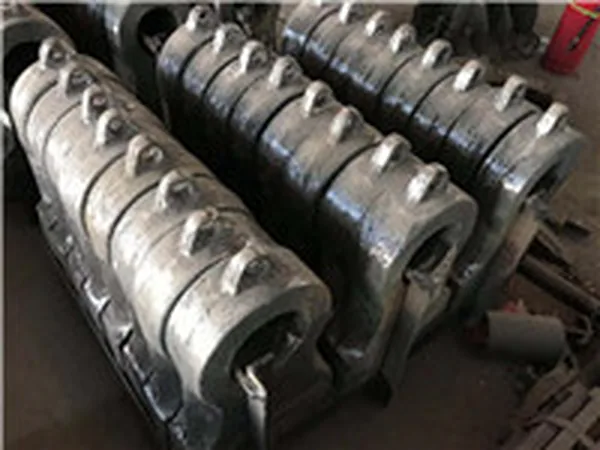
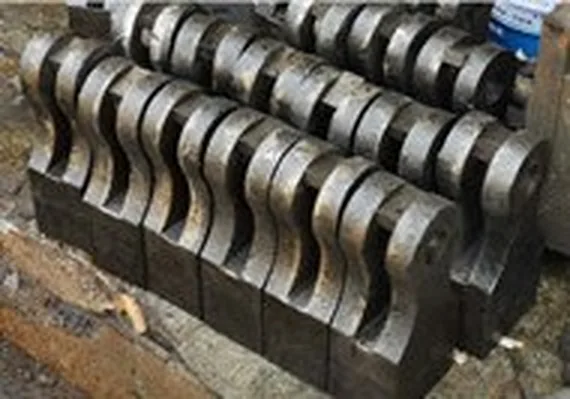
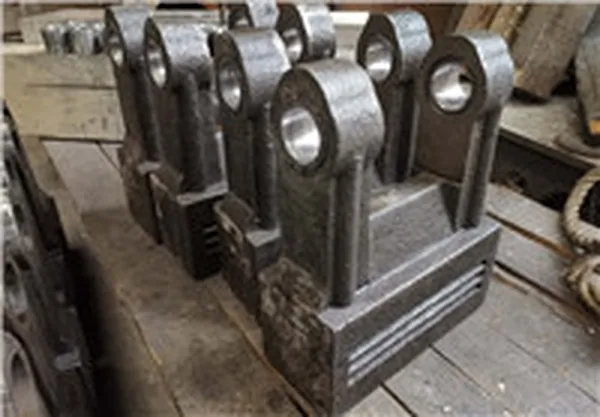
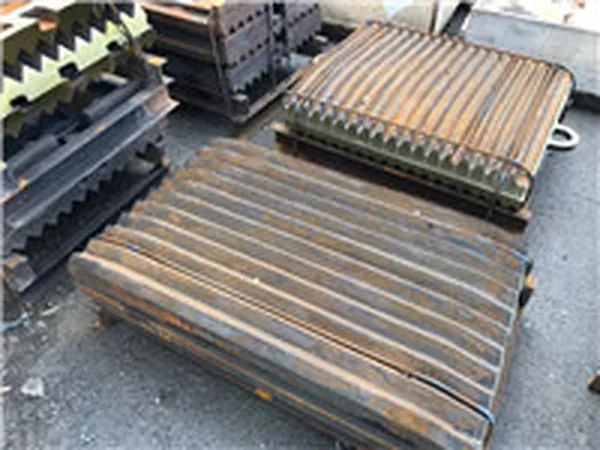
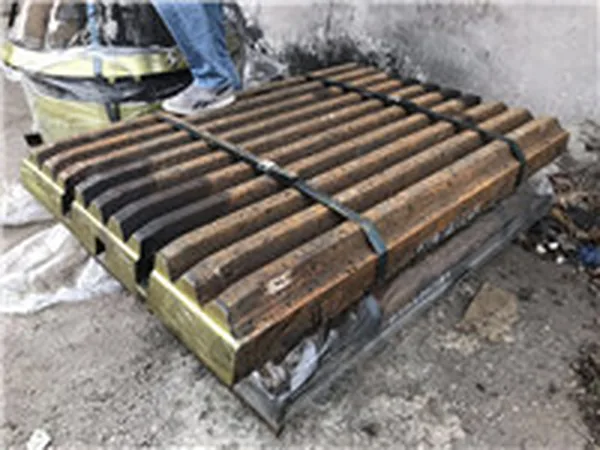
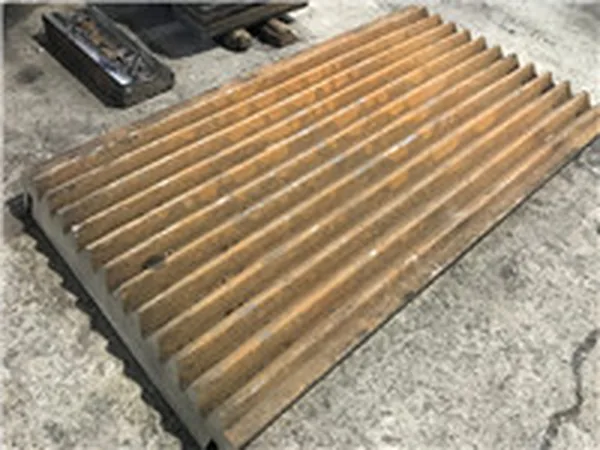
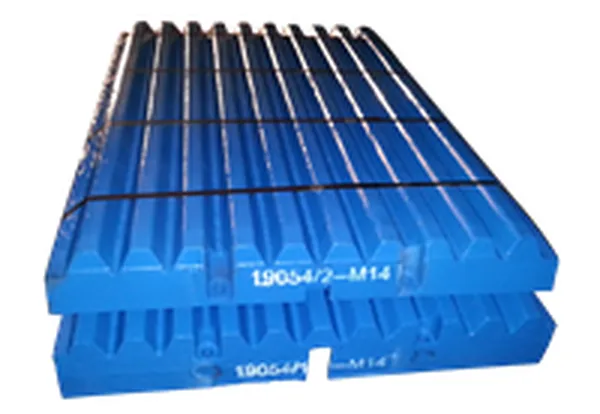
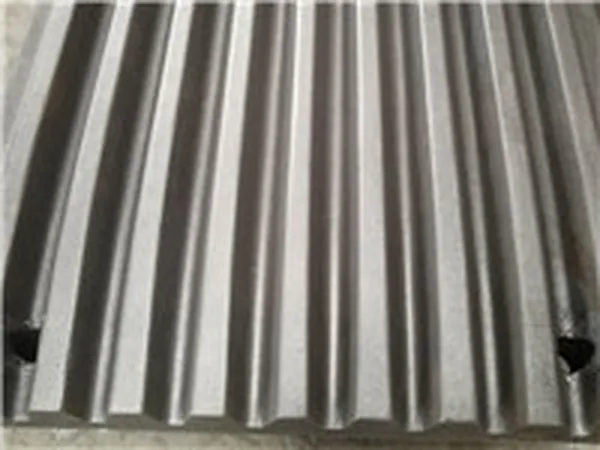
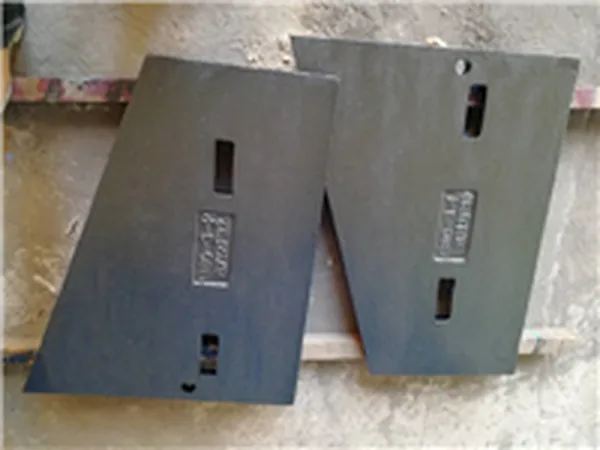
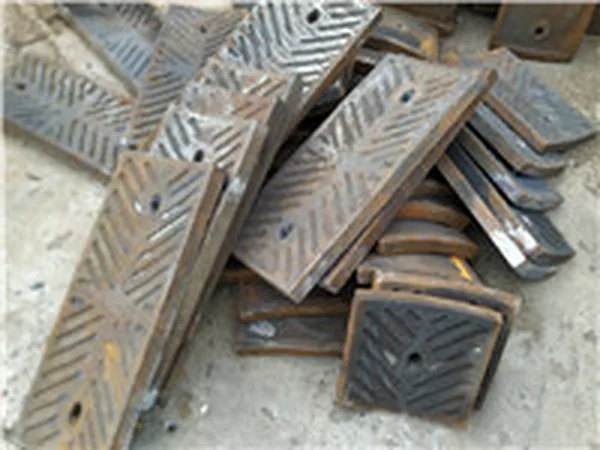
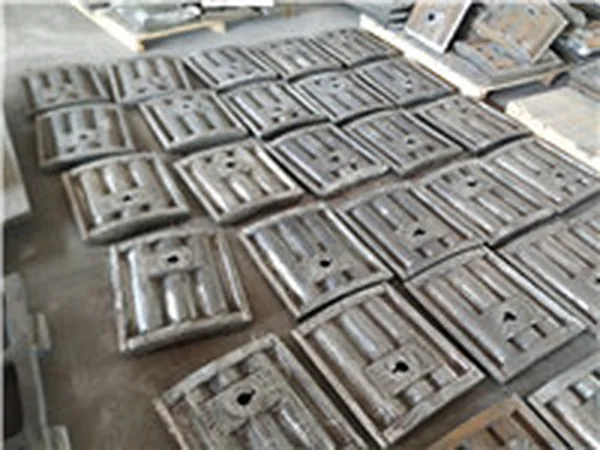
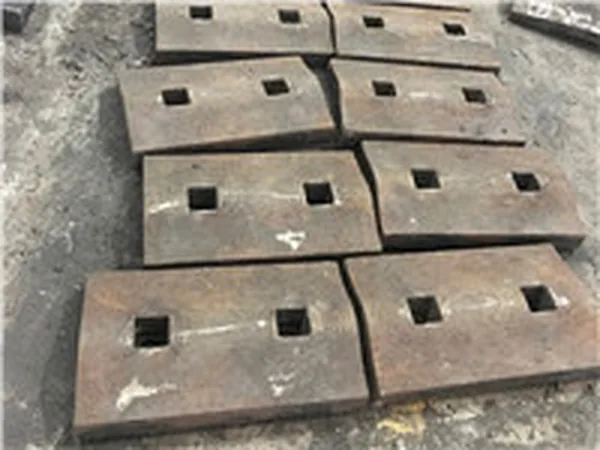
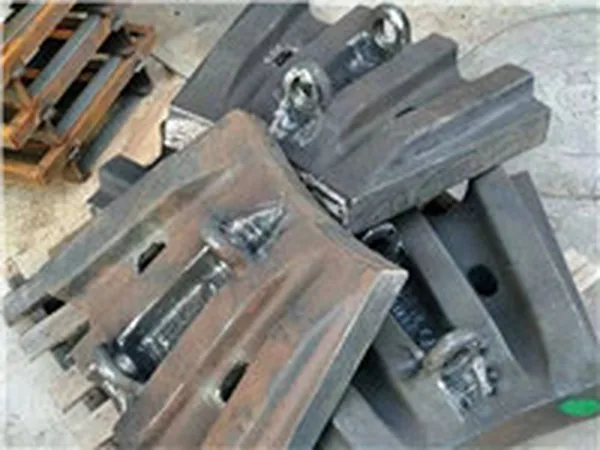
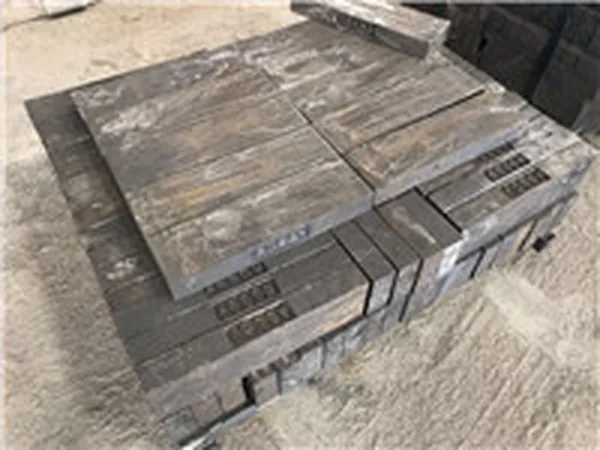
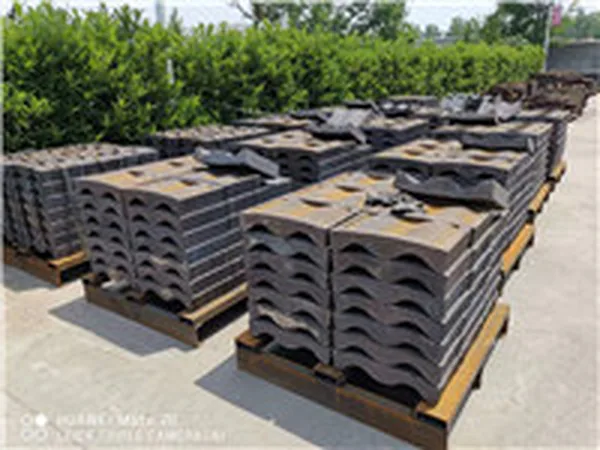
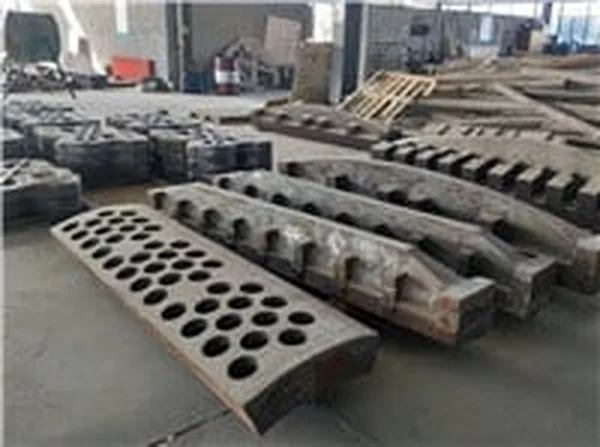
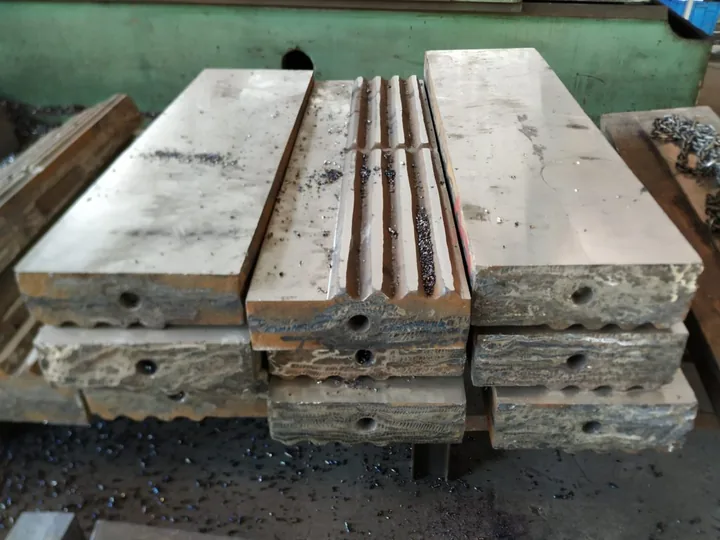
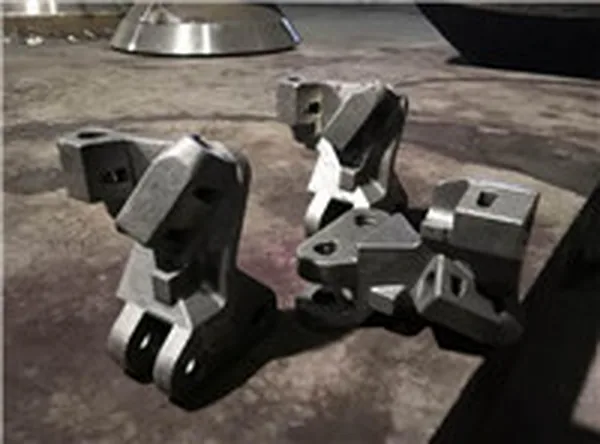
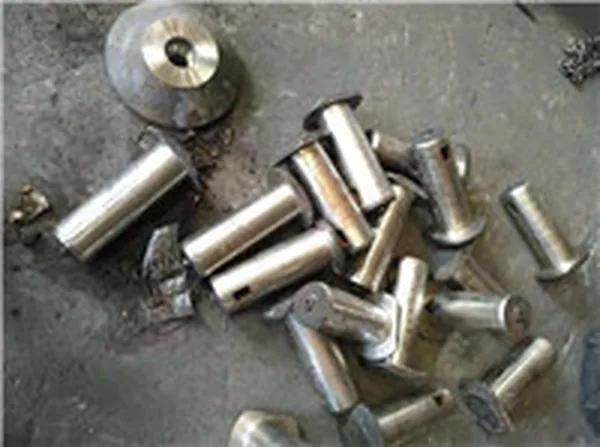
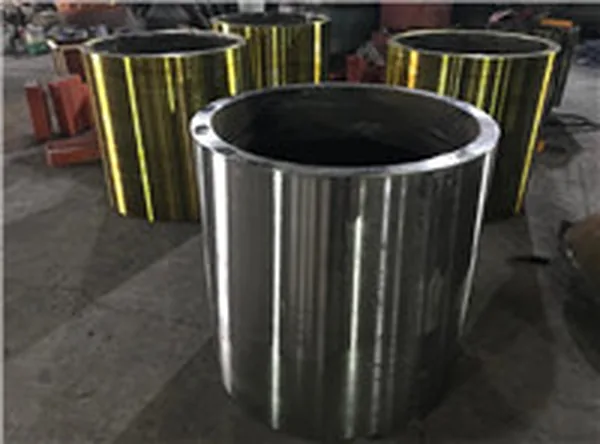
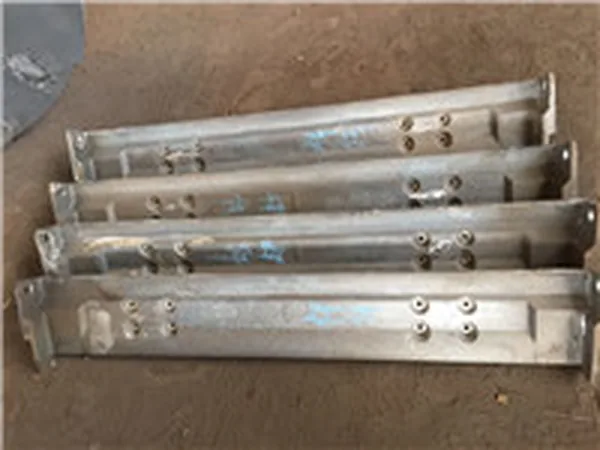
Every image below is a part actually produced through our supply chain.
- Cone crusher mantles, bowl liners and wear plates
- Jaw plates, cheek plates, wear plates and toggle plates
- Hammers from 1 kg to 500 kg, including bimetal and TiC insert hammers
- Liner plates for mills and crushers
- Apron feeder pans
Quality Control
Quality Control and Certification
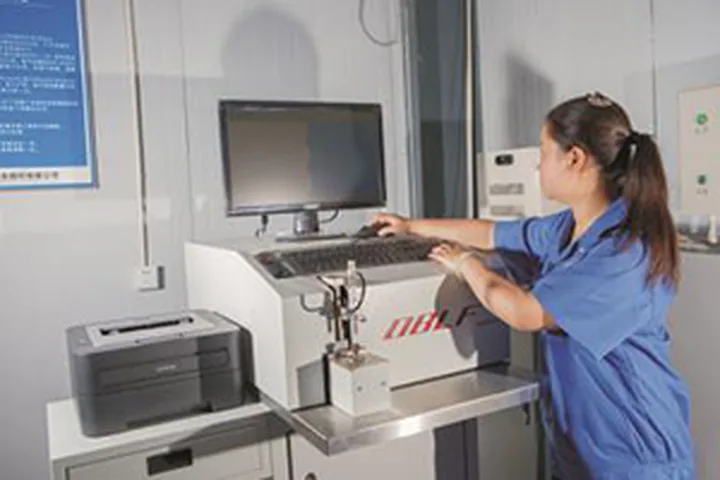
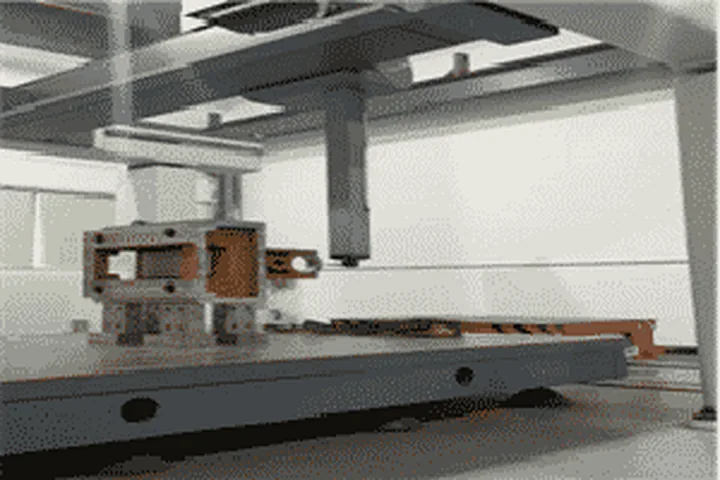
Inspection is planned at the stages where a problem is still cheap to fix, not only at final inspection.
- Chemical composition by optical emission spectrometer, handheld spectrometer and carbon sulphur analyser
- Dimensions by manual gauging, gantry and mid size CMM and 3D scanning
- Mechanical properties by tensile, impact and hardness testing
- Non destructive testing by magnetic particle, penetrant, ultrasonic and X-ray methods
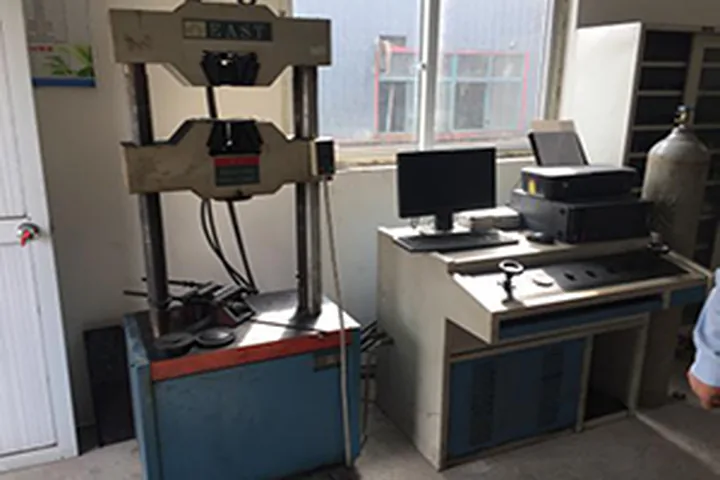
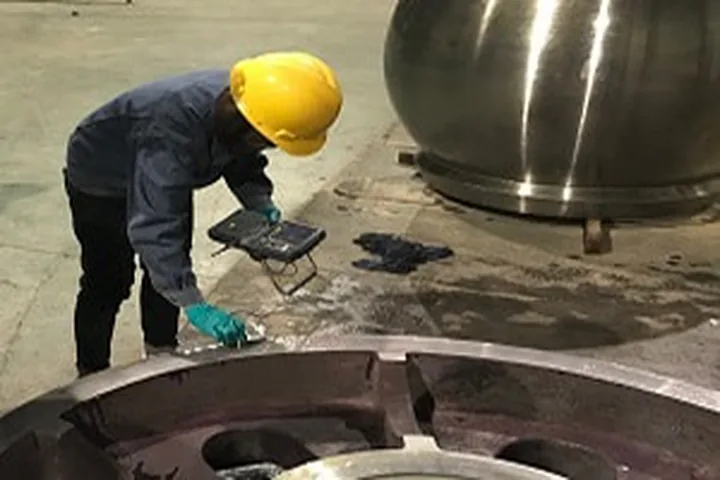
Third party certification documents are issued by the producing factory for the specific order. Ask for the certificate package that applies to your part before you place the order.
Customization
Customization Options
Almost everything on this page can be adapted to your drawing.
Material and grade
Any of the grades listed above, or a grade you nominate. Where a local equivalent is required we confirm the cross reference before production.
Machining and tolerance
As cast, semi machined or finish machined. Mark the critical dimensions on the drawing and we confirm which faces are machined.
Surface and marking
Painting, powder coating, plating, galvanizing and part number marking, agreed at enquiry stage and priced into the piece price.
Comparison
Comparison With Other Options
A short answer to the question buyers ask most often before they place an order.
| Option | What You Gain and Give Up | Typical Use |
|---|---|---|
| Manganese steel | Work hardens, very tough under impact | Jaws, mantles, hammers |
| High chrome iron | Harder as cast, less impact tolerance | Liners in sliding abrasion |
| Bimetal or insert | Hard face on tough backing, higher cost | Long life hammers |
Use Guide
How to Order and Use This Range
STEP 01
Send the drawing or the sample
A 2D drawing, a 3D file or clear photographs of the worn part with overall dimensions. Add the annual quantity and the target delivery date.
STEP 02
Agree material and process
We propose the grade and the moulding route, confirm tolerance class and machining allowance, and flag anything in the geometry that will add cost.
STEP 03
Tooling and first article
Pattern or die tooling is quoted separately. The first article is measured and tested before batch release.
STEP 04
Batch production and inspection
Stage inspections during production, then final inspection to the agreed standard with the test reports you require.
STEP 05
Packing and shipment
Export packing on fumigated pallets or in steel frames, marked with your part numbers, with the shipping documents you need.
FAQ
Questions About Manganese Steel Castings
The answers buyers ask for before they place a first order.
Do you supply standard OEM matched wear parts?
What size hammers can you cast?
Why did my manganese liner not harden?
How do you control quality on a repeat batch?
What lead time should I plan for?
Send Your Drawing and Get a Quote
Send a 2D drawing, a 3D file or photographs of the worn part with the annual quantity. Our engineers reply with the process route, the material grade and a price.